Why Your Next Yoga Mat Should Be a Cork TPE Yoga Mat?
Tired of slipping, toxic smells, and mats that wear out too fast? It's time to meet the Cork TPE Yoga Mat.
Ever been mid-class, hands sliding forward in Downward Dog, spending more time wiping your palms than focusing on your breath? Or unrolled a new mat and gotten hit with that sharp chemical smell that makes you wonder what exactly you're breathing in?
I've been there. Most of us have. And that's exactly why the Cork TPE Yoga Mat is worth a closer look. It's not just another mat — it's a real solution to the problems we've all quietly accepted as "normal."
What Exactly Is a Cork TPE Yoga Mat?
Before we get into why it's so good, let's break down what we're actually talking about.
The Top Layer: Cork
Cork comes from the bark of Cork Oak trees, and here's the cool part — the bark is harvested by hand every 9 to 12 years without cutting down a single tree. The tree keeps growing, keeps absorbing CO2, and keeps producing more bark. It's one of the most sustainable materials on the planet.
But sustainability aside, cork has a superpower: micro-pores. Thousands of tiny honeycomb-like holes cover its surface. When your hands and feet sweat, those pores absorb the moisture and actually increase friction. The wetter it gets, the better it grips. It's the opposite of almost every other mat material out there.
The Bottom Layer: TPE
TPE stands for Thermoplastic Elastomer. It's a material that blends the softness of rubber with the durability of plastic — but without the toxic chemicals found in traditional PVC or the allergy risks associated with natural latex. It's recyclable, lightweight, and provides excellent cushioning.
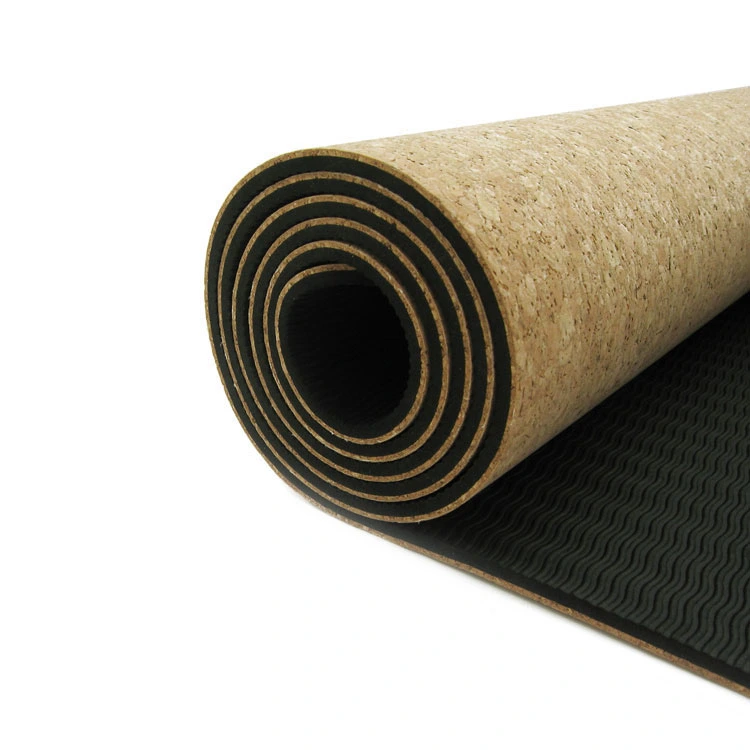
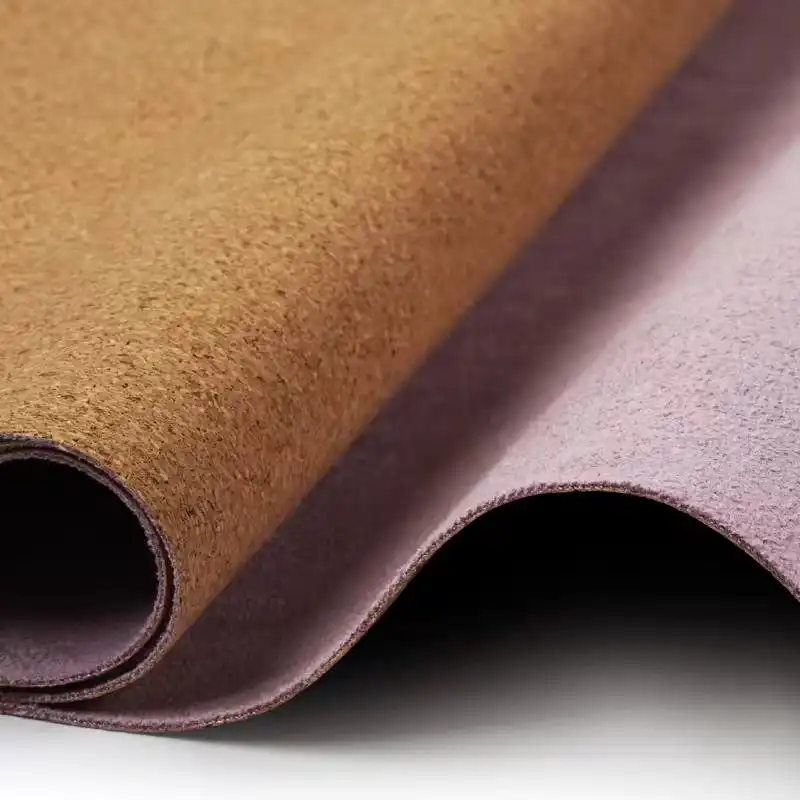
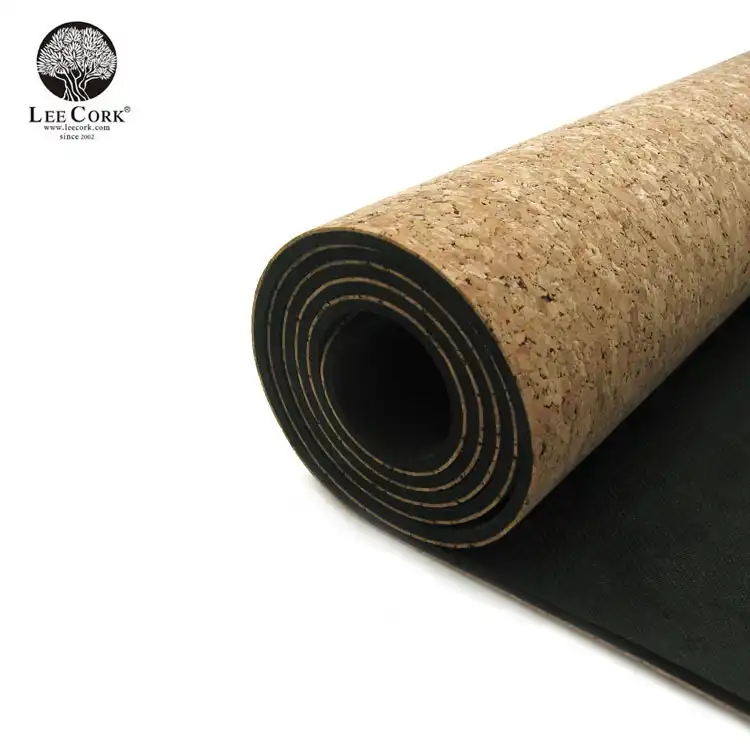
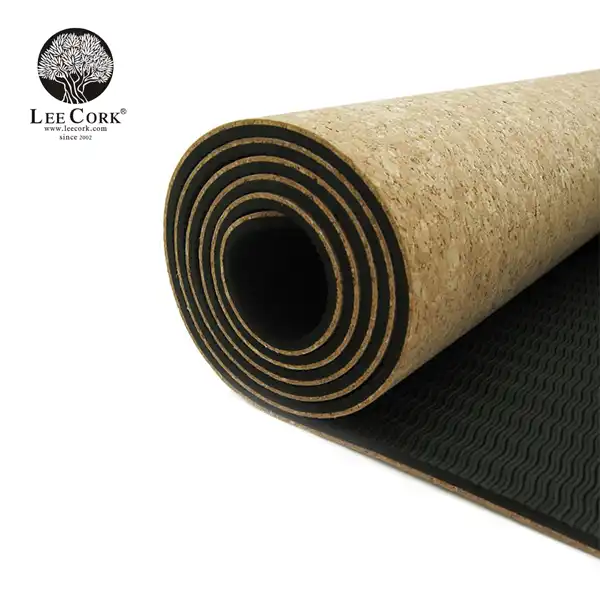
Put these two together, and you get a Cork TPE Yoga Mat: a mat with a natural, grippy cork surface on top and a supportive, non-toxic, recyclable TPE base underneath.
What Makes the Cork TPE Yoga Mat Different?
Alright, you've heard the hype. But why should you actually choose this mat over the dozens of others out there?
It Gives You Grip — Especially When You Sweat
This is the #1 reason people switch to the Cork TPE Yoga Mat and never look back.
Synthetic mats — whether PVC or standard TPE — often rely on surface texture or chemical coatings for grip. The problem? As soon as you start sweating, that texture gets slick. Your hands slide. Your feet drift. You lose your foundation in poses that demand stability, like Downward Dog or Warrior. It's not just annoying — it can actually throw off your alignment and increase your risk of strain.
Cork works completely differently. Its natural micro-pores absorb moisture and create suction. The more you sweat, the more anchored you feel. In hot yoga or Vinyasa flows, this isn't just a nice-to-have — it's a complete game-changer. You stop thinking about slipping and start thinking about your alignment, your breath, your flow.
No More Chemical Smell
Ever unboxed a mat and been hit by that chemical "new mat" smell? That's off-gassing — VOCs releasing into the air. Not what you want to breathe in during Savasana.
The Cork TPE Yoga Mat doesn't have that issue. Cork is naturally odour-resistant, and TPE is free from phthalates, heavy metals, and harmful plasticizers. It's clean, right out of the box. Unroll it in your living room and breathe deep — no hesitation needed.
It's Lightweight and Portable
Here's something you might not expect from a mat that feels so premium: the Cork TPE Yoga Mat is actually lightweight. The TPE base is significantly lighter than natural rubber, so the whole mat rolls up compactly and travels well.
Whether you're heading to the studio, the gym, or a weekend retreat, this mat won't weigh you down. It's not one of those heavy, bulky rubber mats that feels like you're carrying a rolled-up tire. You can sling it over your shoulder and go.
It's Kinder to the Planet
This matters to more and more of us — and honestly, it should. PVC mats are made from petroleum and take hundreds of years to break down in landfills. Natural rubber mats are biodegradable, but they're heavy and not always responsibly sourced.
The Cork TPE Yoga Mat hits a sweet spot: cork is renewable and biodegradable, TPE is recyclable, and the whole thing is free from toxic chemicals. It's a choice that feels good for your body and a little better for the earth too. When you eventually replace it — and that won't be any time soon — it won't be sitting in a landfill for centuries.
Where Does the Cork TPE Yoga Mat Shine Best?
Honestly? Pretty much everywhere. But let me break it down.
Hot Yoga and Heated Classes
If you practice hot yoga, you know how brutal a sweaty mat can get. The Cork TPE Yoga Mat is designed for exactly this. The cork top absorbs sweat instead of letting it pool, and the grip gets stronger as the class heats up. No towel required — just you and the mat.
Daily Home Practice
For morning flows or evening wind-downs, the Cork TPE Yoga Mat provides a stable, comfortable surface. The TPE base offers enough cushioning for knees and wrists without making you feel unstable in balancing poses. It's the Goldilocks thickness — not too soft, not too firm.
Travel and Studio Use
Lightweight and easy to roll, the Cork TPE Yoga Mat is a solid companion for anyone who practices on the go. It also looks beautiful — the natural cork surface is warm and organic, not flashy or plasticky. It stands out in a studio full of black synthetic mats, and honestly, it just feels nicer to touch.

Summary
So let's come back to where we started — what makes the Cork TPE Yoga Mat worth your attention?
It gives you grip when you need it most — when you're sweating. It doesn't smell like chemicals. It feels good from the first use. It's lightweight, durable, and better for the planet than petroleum-based alternatives. It works in hot yoga, home practice, and studio classes alike.
If you've been practicing on a mat that's been frustrating you — slipping, smelling, wearing out — maybe it's time for a change. The Cork TPE Yoga Mat might just be the upgrade your practice has been waiting for.
Give it a try. Your hands, your knees, and your lungs will thank you.
FAQ
Q: Is the Cork TPE Yoga Mat suitable for sweaty hands and hot yoga?
Absolutely. This is where the cork surface really shines. The micro-pores absorb moisture and create more friction as you sweat, so you actually get better grip during heated classes. No towel needed.
Q: How do I clean my Cork TPE Yoga Mat?
Wipe the cork surface with a damp cloth and mild soapy water, then let it air dry in a shaded, ventilated area. Don't use harsh chemicals, don't scrub with a brush, and don't leave it in direct sunlight for long periods.
Q: How long will the Cork TPE Yoga Mat last?
With regular use and basic care, you can expect a good 2 to 4 years of consistent practice. The cork layer is resilient and the TPE base holds its shape well. It's a durable, long-term investment in your practice.
Q: Is the cork surface rough or uncomfortable?
Not at all. Cork feels warm, smooth, and naturally tactile. It's not rough or abrasive — it's actually very pleasant to touch. Many users describe it as "comforting" and "grounding" compared to synthetic surfaces.
References
Cork TPE Yoga Mat Benefits, Everyday Yoga
Why Cork Yoga Mats Are the Best for Hot Yoga, Ekhart Yoga
Cork TPE Yoga Mat Product Reviews, Various User Platforms
Cork Oak Forest Sustainability Data, Portuguese Cork Association
TPE vs PVC vs Natural Rubber Material Comparison, Industry Reports
Please contact us if needed: info@leecork.com

Related Industry Knowledge