Why Are Cork Heat Pads the Easiest Kitchen Thing to Overlook, but Also One of the Most Useful?
Why Are Cork Heat Pads the Easiest Kitchen Thing to Overlook, but Also One of the Most Useful?
I just got a custom wood countertop in my kitchen a few months ago, and I've been paranoid about it ever since. Didn't want hot pots leaving marks all over it. I bought a few cheap heat pads online before – some were too thin, some were too soft. None of them could really handle a heavy pot of hot soup.
Last week I made a big pot of braised pork, pulled the cast iron pot off the stove, and set it on a thin cork pad. I figured it was better than putting it directly on the counter, right? Nope. Lifted it up later and there was a light brown ring on the wood. Wouldn't wipe off. I was so annoyed.
Then I switched to these Cork Heat Pads. Same bubbling hot pot, sat there for a good half hour before I remembered to move it. Counter was cool to the touch. Pad came off clean. After using them for a couple months, I finally get it – these things are not like the regular ones.
Two layers stuck together? Yeah, but it actually works
Every type of heat pad out there has some issue. Fabric ones soak up grease and get gross after a few washes. Leave them in a damp kitchen and they get moldy. Silicone ones get soft and squishy under heavy pots – you go to grab the handle and the whole thing wobbles. Ceramic ones? I broke two and gave up. Plain cork looks nice and natural, but over time it gets a dent in it from heavy pots and your pan sits there all wobbly.
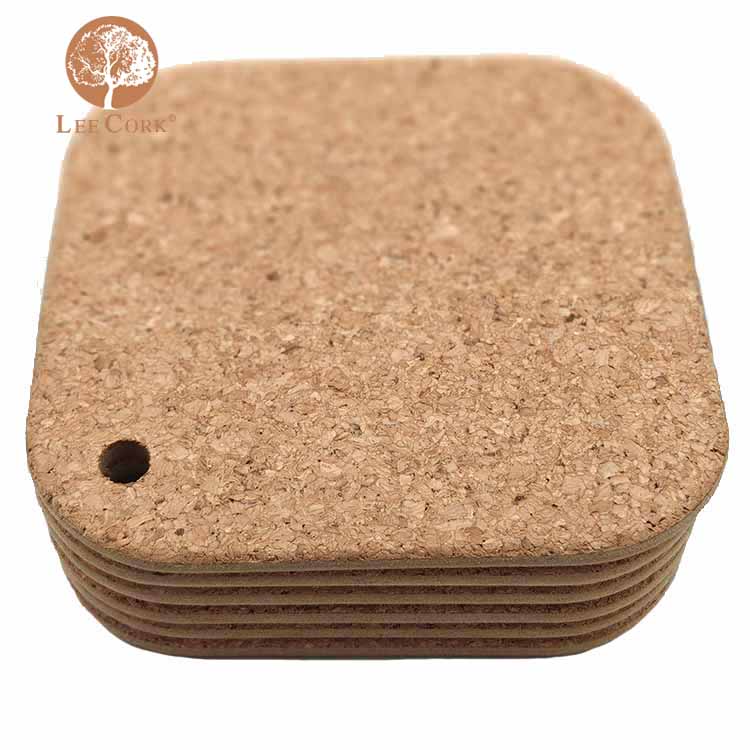
These Cork Heat Pads are cork on top, MDF board on the bottom. The cork handles the heat and grip – it's full of tiny air pockets so heat doesn't punch straight through. The surface is a little rough, so even a full soup pot doesn't slide around. The MDF layer underneath keeps the whole thing flat so it won't warp under heavy weight. I've been using mine for over two months now and the edges are still straight. The two materials balance each other out – better shape than cork alone, better heat protection than MDF alone.
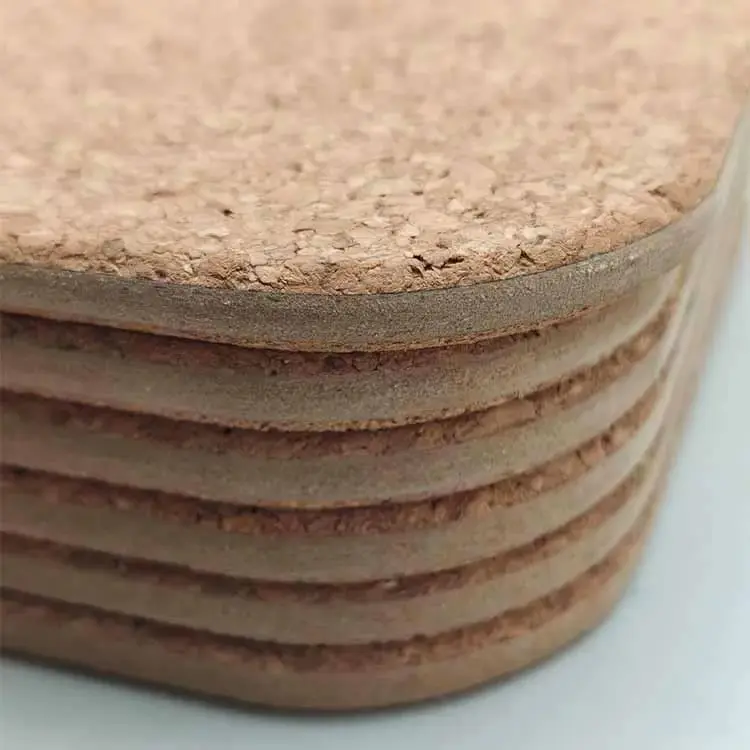
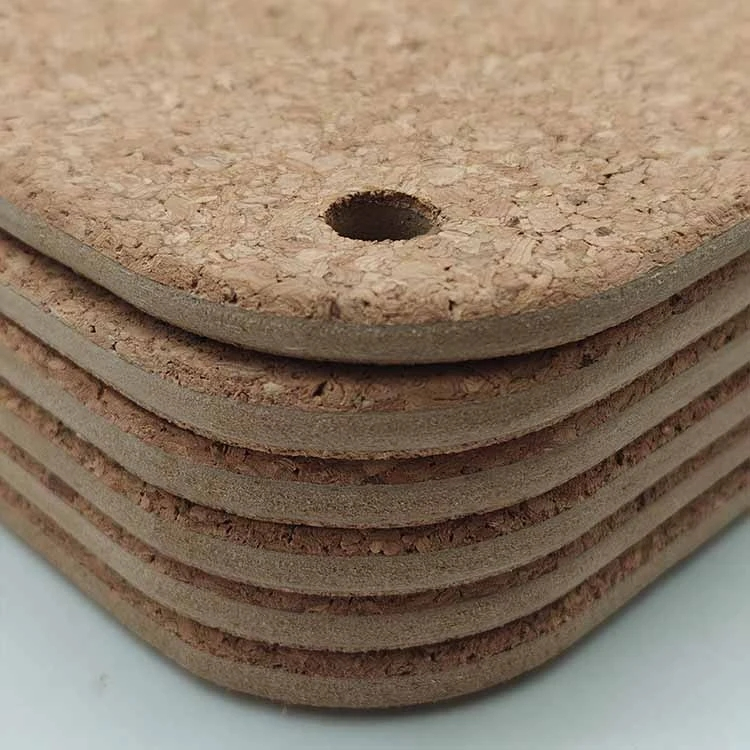
Also, the MDF bottom is smooth, so printing comes out super clean. Logos, custom designs, laser engraving – edges stay sharp, nothing bleeds. A few custom order clients told me the composite ones print way better than single-layer cork. Looks more polished.
A few things I noticed after actually using it
Grip-wise, I tested it. Cast iron right off the heat – doesn't budge. Smooth ceramic baking dish – sits firm. With silicone pads, every time I grabbed the handle, the pad would spin around under the pot. Annoying. This one doesn't do that.
Heat protection was my main concern. After that one burn mark, I got really careful. This pad has a thick enough cork layer that heat mostly stays on top. Counter underneath stays cool. Quartz, wood, marble – doesn't matter. I don't have to tiptoe around every time I move a hot pot.
Another thing I really like – it doesn't stick to the pot. Thin pads, after sitting under something hot for a while, a layer of moisture builds up between the pot and the pad, and when you lift the pot, the pad comes with it. Spills everywhere. This one doesn't hold moisture on the surface. Every time I lift a pot, the pad stays put. Honestly, that alone saves so much hassle.
Durability surprised me too. My old pads would curl at the edges after two or three months, or the surface would start shedding crumbs. This one, I use every single day. Two months in, edges still straight, cork still looks clean. A few restaurant owner friends told me their kitchen staff abuse these things all day long and they last about six months before needing replacement. Way tougher than regular ones.
Where do I actually use these?
One on the counter by the stove for hot pots. One on the dining table for hot pot nights or soup bowls. One under the kettle in my study so condensation doesn't ruin the desk.
Cafe and restaurant people – you know how fast heat pads get destroyed. Regular ones curl up in a few weeks. These composites hold up. You can also get your shop logo on the back, which is a nice detail for customers to notice.
A lot of people buy them for corporate gifts or wedding favors too. MDF prints clean, so any design or logo looks sharp. Just throw them in a simple box and they feel thoughtful.
A couple things to think about before buying
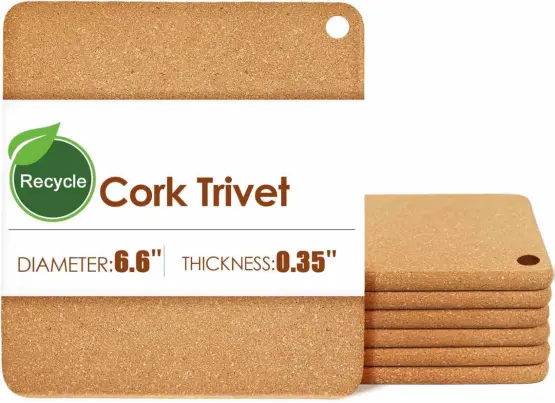
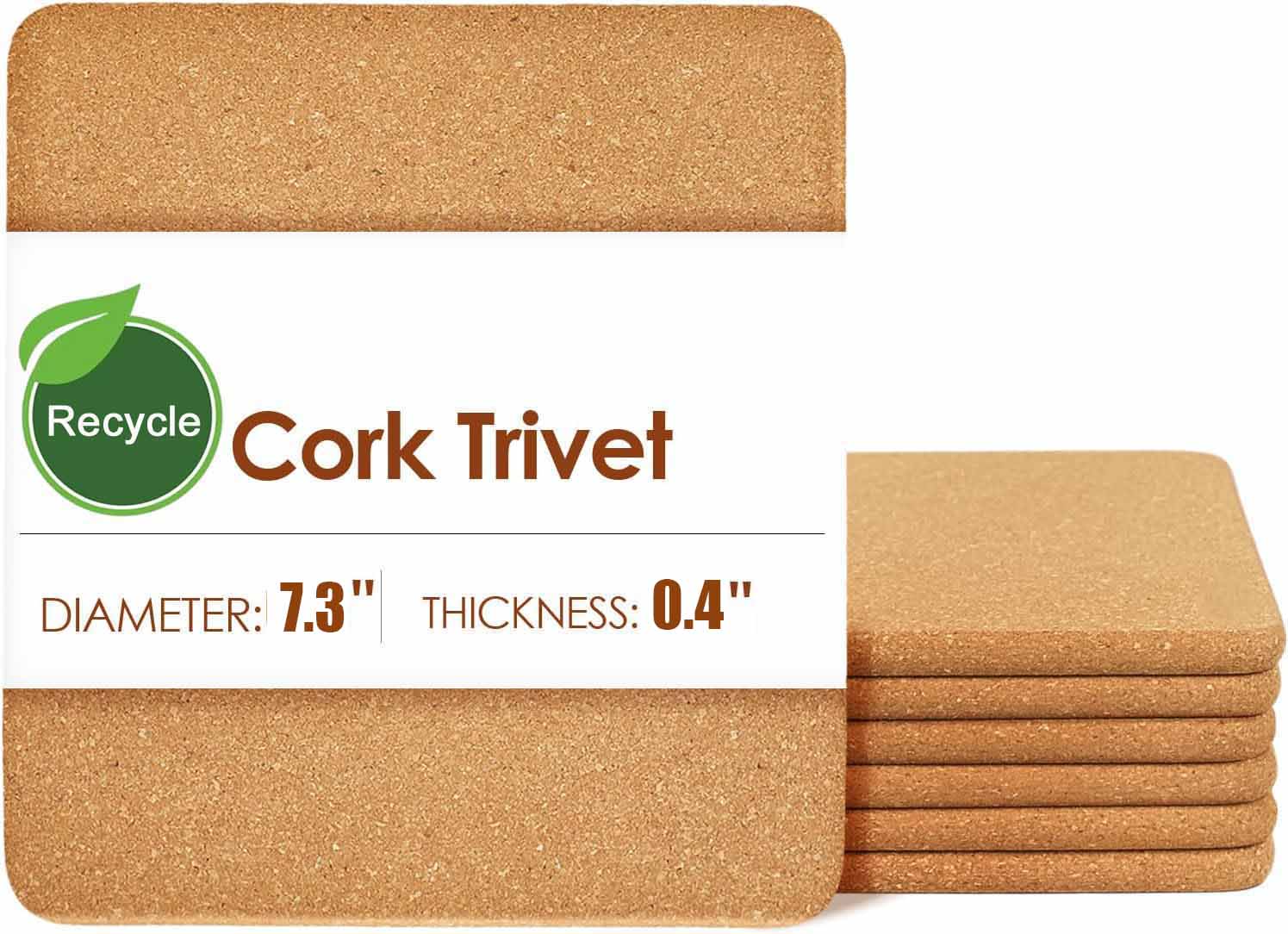
This one's 168mm square, 9mm thick. Fits most home soup pots, casseroles, baking dishes. The square shape actually works better than round for oval pots and rectangular pans – more support, catches the edges. Storage is easier too, just stack them up.
Coating – some brands put a glossy coating on the cork surface. Looks nice but kills some of the heat insulation. If you're using cast iron or heavy clay pots, go uncoated. If you're just putting warm teapots or not-super-hot dishes on it, coated ones are easier to wipe clean.
Cleaning is easy. Wipe with a damp cloth, air dry. Don't soak it. Don't put it in the dishwasher. The cork layer can separate from the MDF if it stays wet too long. Stack them in a drawer when not in use. Don't leave them in direct sunlight for a long time – the color fades.
Wrapping it up
I've tried all kinds of materials, and the cork-MDF combo honestly balances heat protection, durability, and customizability better than most stuff I've used. Months later, still looks new.
If you're looking for a heat pad that actually works, looks decent, and you can put your own design on it – give it a shot. Not expensive. Lasts for years.
Hit me up if you're interested. We do full-color printing and laser engraving on the MDF side – for stores, gifts, whatever. Samples or quotes, just email.
FAQ
Q1: Can I use these Cork Heat Pads in a cafe or restaurant setting?
A: Yeah, totally. They hold up fine with heavy daily use. The cork looks natural and warm, which fits right into most cafe or restaurant settings. You can also get your shop logo printed on them. A lot of cafe and restaurant owners buy these in bulk and keep coming back for more.
Q2: Will the pad warp or shed crumbs after a while?
A: Under normal home or store use, it won't warp or shed a bunch of crumbs. You might see a tiny bit of dust when you first open the box – just wipe it off and it's gone. Easy to maintain.
Q3: Is it safe to have around kids or pets?
A: Totally safe. No formaldehyde, no toxic stuff, no nasty chemical coatings anywhere in the process. Natural cork is gentle and non-toxic – even if kids or pets put it in their mouths, there's nothing to worry about.
Q4: Square vs round – what's the difference?
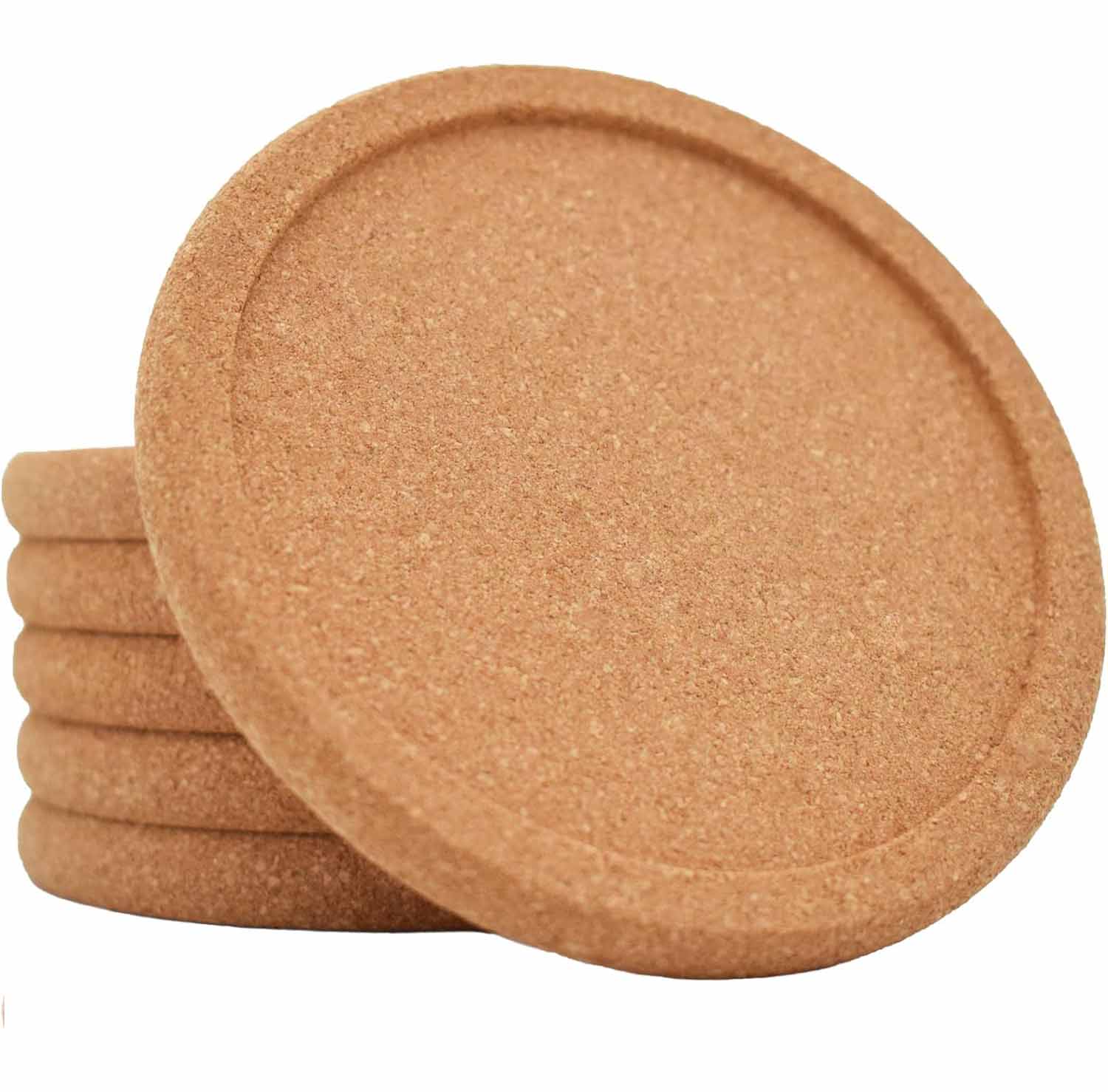
A: Square covers more area. Oval pans and rectangular baking dishes sit more stable on it. Stacking them in a drawer is neater too – no wasted corner gaps like round ones.
Author Bio: Rue, Sales Representative for the Leecork Product Specialist of Housewares & Furnishings Group in Xian. If you are interested in this product, please feel free to contact me via email at info@leecork.com


Related Industry Knowledge