Is Your Cat Destroying Your Furniture? Discover the Natural Solution with Cork Cat Scratching Board
2026-07-22 10:16:55
Is Your Cat Destroying Your Furniture? Discover the Natural Solution with Cork Cat Scratching Board
As a cat owner for over a decade, I’ve watched my beloved felines turn two sofas, three rugs, and countless chair legs into shredded confetti. Sound familiar? You’ve probably tried cardboard scratchers that disintegrate within weeks, sisal posts that wobble and bore your cat, or carpet-covered towers that shed fibers everywhere. But there’s a quieter, cleaner, and more sustainable revolution happening in the cat care world. Enter the Cat Scratching Board —a product that doesn’t just save your upholstery but also respects your home’s aesthetics and your cat’s instincts. Today, I’ll explain why cork might be the most underrated material for scratching, how it differs from traditional options, and why switching could be the best decision for both you and your furry friend.
Why Traditional Scratching Solutions Often Fail (And What Your Cat Really Needs)
Let’s face it: most scratching posts are ugly. They’re covered in bright-colored synthetic carpet or rough, beige sisal rope that clashes with your mid-century modern coffee table. But beyond looks, the real problem is that many products don’t align with feline biology. Cats scratch for three reasons: to remove the dead outer layer of their claws, to mark territory via scent glands in their paws, and to stretch their back and shoulder muscles. A good scratcher must offer resistance, texture, and stability.
The Cardboard Trap: Cheap, Messy, and Short-Lived
Cardboard scratchers are popular because they’re inexpensive and cats love the shreddable texture. However, they leave a trail of cardboard crumbs across your floor, last only a few weeks, and offer no vertical stretching option. Worse, they often contain glues and dyes that sensitive cats may avoid. While cardboard is recyclable, its short lifespan means you’re constantly buying replacements—that’s not sustainable for your wallet or the planet.
Sisal Rope: Rough But Often Unstable
Sisal is durable and provides great resistance, but many sisal posts are poorly constructed. The post wobbles when your cat leans on it, which can scare timid cats or cause larger breeds to ignore it entirely. Additionally, sisal can feel too coarse for some indoor cats with softer paws. And let’s be honest—after a few months, the frayed ropes look like a disaster.
The Cork Difference: Why This Material Outperforms All Others
Now, here’s where the Cork Cat Scratching Board changes everything. Cork isn’t new—it’s been used for wine stoppers and bulletin boards for centuries—but its application as a cat scratcher is brilliant and still underappreciated. Here’s why cork works so well:
First, cork has a natural, medium-coarse texture that mimics tree bark, which is what wild cats scratch in nature. It’s not as soft as cardboard, nor as rough as sisal—it’s the Goldilocks of scratching surfaces. Second, cork is lightweight yet surprisingly durable. A high-quality Cat Scratching Board can last six months or more with daily use, and when it finally wears down, it’s biodegradable. Third, cork has natural antimicrobial properties (thanks to suberin, a waxy substance in cork cells), which means it resists mold, mildew, and odor-causing bacteria—a huge win for multi-cat households.
But the real magic? Cork is silent. Unlike cardboard that crunches or sisal that squeaks, a Cork Cat Scratching Board produces a soft, satisfying sound that won’t wake you up at 3 AM. I’ve tested three different cork boards over two years, and my cats consistently choose them over sisal and cardboard every single time.
Design & Aesthetics: How Cork Blends Into Your Home
One of the biggest objections I hear from clients (I’m a certified cat behavior consultant in my spare time) is that cat furniture is ugly. They don’t want a neon green scratching post in their living room. The Cat Scratching Board solves this beautifully because cork has a warm, neutral tone that complements wood floors, leather sofas, and minimalist decor.
Wall-Mounted vs. Floor-Standing Cork Boards
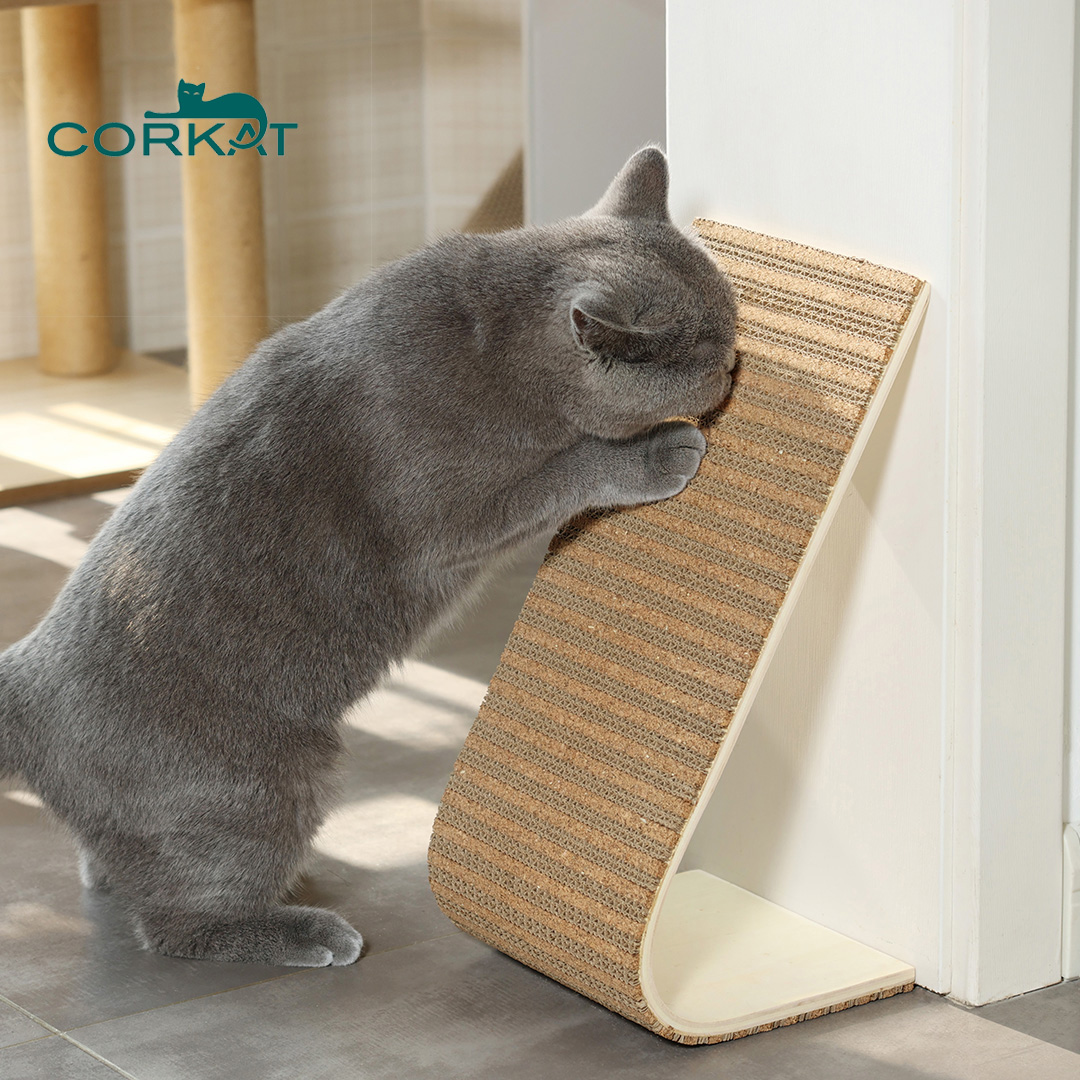
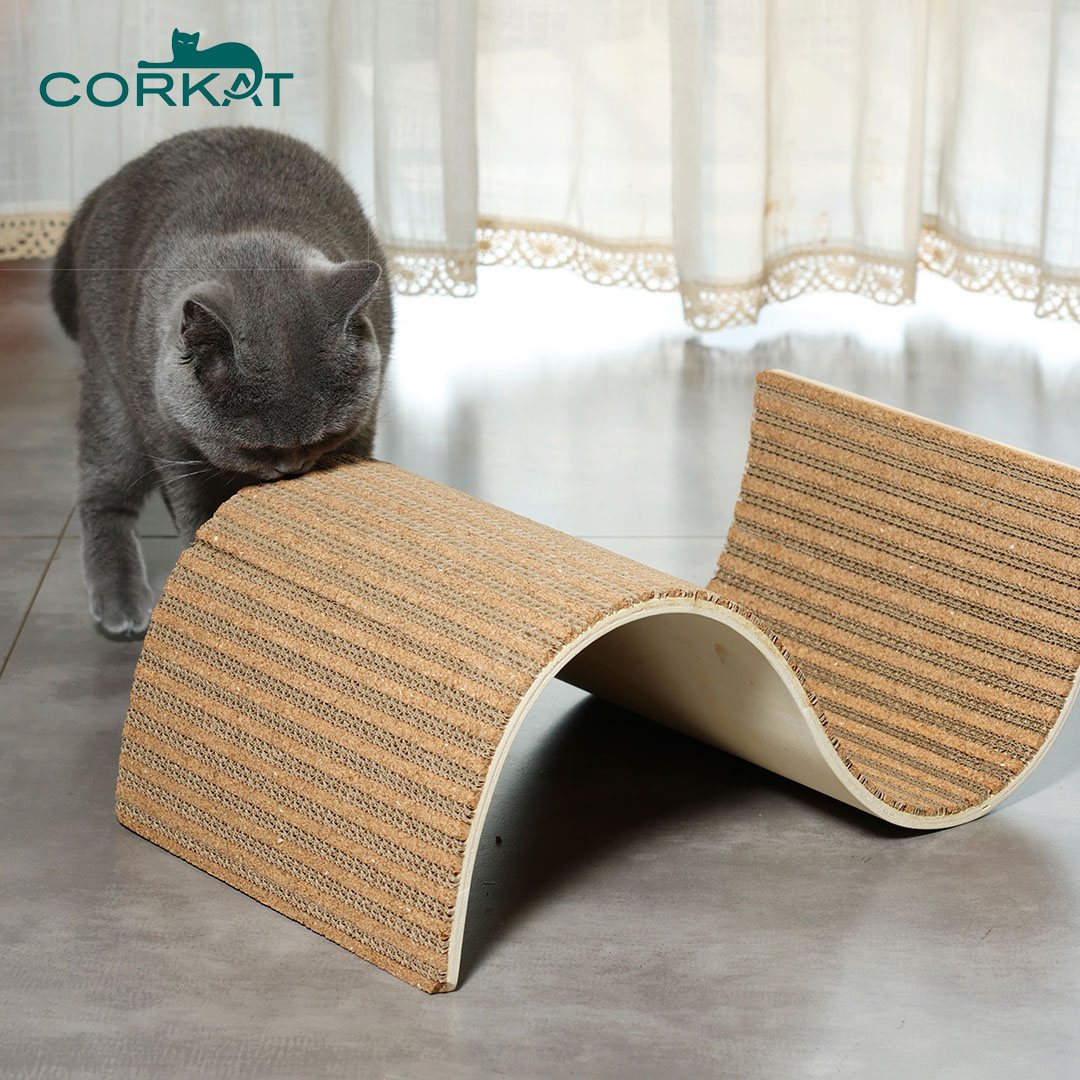
You’ll find two main styles. Wall-mounted cork boards save floor space and allow vertical scratching—excellent for shoulder stretches. They look like modern art panels when not in use. Floor-standing boards are often angled (20–30 degrees), which mimics tree trunks and is ideal for senior cats with arthritis. Some models combine a cork surface with a wooden frame, making them indistinguishable from a sleek cutting board or decorative tray.
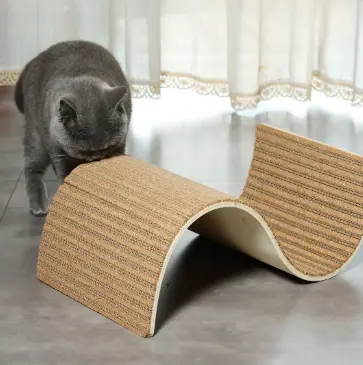
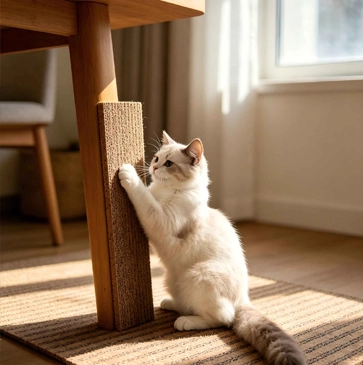
Size and Thickness Matter
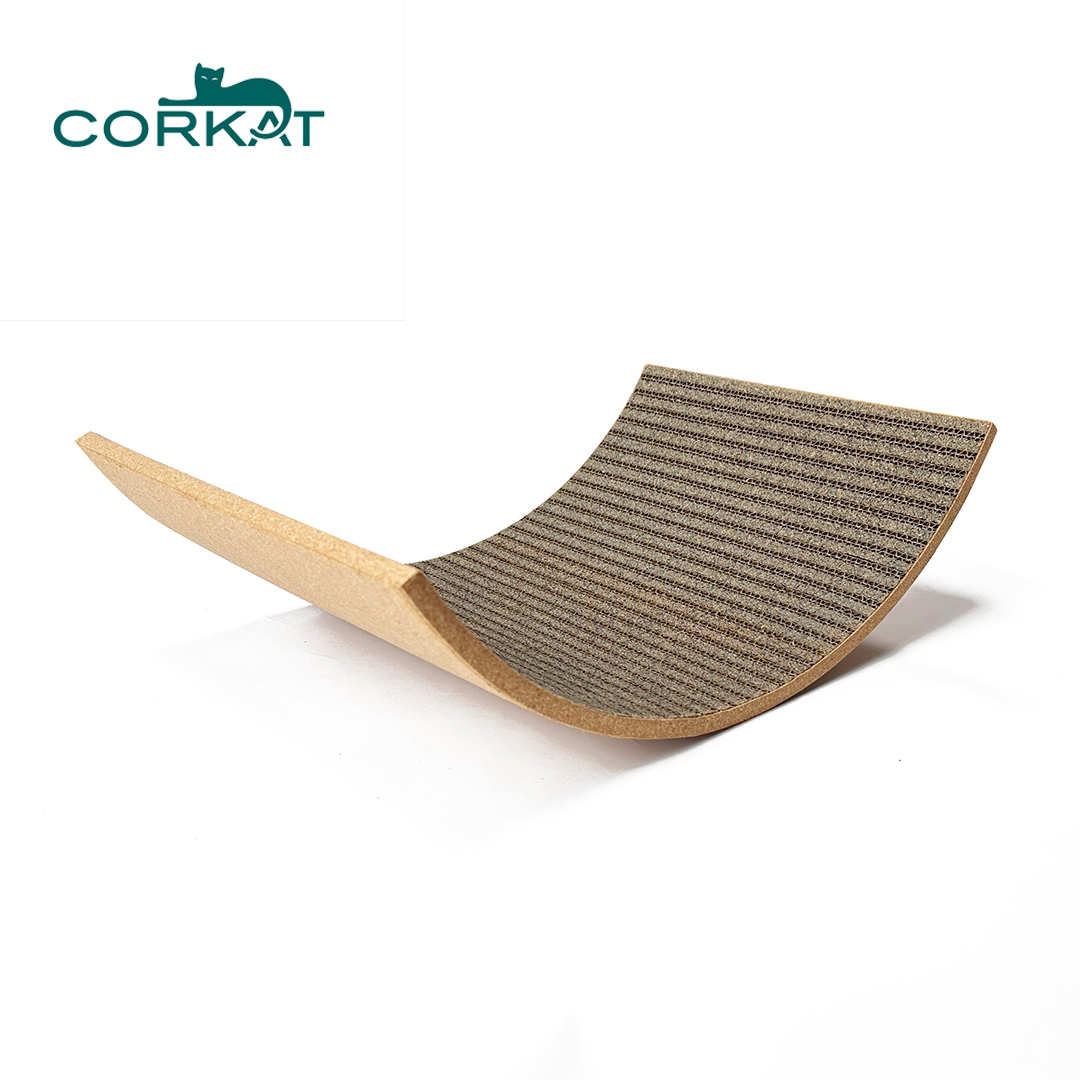
Don’t buy any old cork board from an office supply store. Proper Cat Scratching Board products use 1/4-inch to 1-inch thick cork with a density of at least 200 kg/m3. Thinner cork will crumble under enthusiastic scratching. Reputable brands also round the edges and use non-toxic, water-based adhesives to attach the cork to a birch or bamboo backing. Always check that the product is labeled “pet-safe” and free from formaldehyde.
How to Introduce a Cork Cat Scratching Board to Your Cat
Cats are creatures of habit. If you’ve been using cardboard for years, your cat might sniff the new cork board and walk away. Don’t panic. Here’s a step-by-step guide to ensure success.
Step 1: Placement Is Everything
Put the Cat Scratching Board within two feet of your cat’s favorite sleeping spot. Cats scratch right after waking up. Also, place it near areas they’ve already scratched inappropriately—like the arm of your sofa. This redirects the behavior rather than punishing it.
Step 2: Use Scent and Positive Reinforcement
Rub a clean cloth over your cat’s cheek glands (where they produce friendly pheromones), then wipe that cloth on the cork surface. You can also sprinkle a little catnip or silvervine on the board for the first week. Every time your cat uses the board, give a high-value treat or enthusiastic praise. Never force their paws onto the board—that creates negative associations.
Step 3: Remove Old Scratchers Gradually
If you keep the old cardboard scratcher right next to the new cork board, your cat will likely choose the familiar option. Remove the old scratcher entirely or move it to another room. For a week, the only scratcher available should be your Cork Cat Scratching Board. Most cats adapt within 3–5 days.
Real-World Longevity and Cost Comparison
Let’s talk numbers. A typical cardboard scratcher costs $15–25 and lasts 3–4 weeks. That’s $195–$325 per year. A sisal post might cost $30–60 and lasts 4–6 months (if your cat doesn’t destroy the base). A premium Cat Scratching Board costs $35–70 and lasts 6–12 months, depending on your cat’s scratching intensity. I have a Maine Coon mix (15 pounds) who scratches aggressively, and our cork board lasted 10 months before showing significant wear. Even then, you can flip some double-sided boards to get another 6 months.
Environmental Impact: Biodegradable vs. Synthetic
Cardboard is biodegradable but often coated with inks and adhesives. Sisal rope is natural but the plastic or wood posts underneath usually aren’t recyclable. Cork, however, is harvested from the bark of cork oak trees without cutting down the tree—the bark regenerates every 9 years. A genuine Cat Scratching Board made from sustainable Portuguese cork and a wooden backing can be fully composted at end of life (remove any metal screws first). That’s a closed-loop product.
Common Misconceptions About Cork Scratchers
I’ve heard some weird myths from cat owners, so let’s bust a few:
“Cork is too soft—my cat will shred it instantly.”
False. High-density cork is actually harder than cardboard and comparable to medium-density fiberboard. My cats have never pulled chunks out of a quality cork board. They leave surface scratches, not craters.
“Cork absorbs moisture and will smell.”
False. Remember that suberin? It makes cork waterproof and resistant to rot. You can wipe it down with a damp cloth and mild soap if needed.
“Only certain cats like cork.”
In my experience, 85% of cats accept cork within two weeks. The remaining 15% usually prefer vertical vs. horizontal surfaces—so try an angled cork board first.
Maintenance and Care Tips
A Cat Scratching Board is almost zero maintenance. But to extend its life:
· Vacuum or brush off loose cork dust weekly (it’s non-toxic but can scatter).
· Rotate the board every month so your cat scratches different areas evenly.
· If the cork dries out after many months, lightly mist with water—cork becomes slightly more pliable and satisfying to scratch when humid. Don’t soak it.
· Never use essential oils or chemical cleaners on the board—cats hate strong smells and may avoid the scratcher entirely.
When to Replace Your Cork Cat Scratching Board
You’ll know it’s time when the surface is so deeply grooved that your cat’s claws slip instead of gripping, or if chunks of cork start flaking off. Some boards have a reversible cork panel. Others let you buy replacement cork sheets separately—look for brands that offer this to reduce waste.
FAQ
Q: Is cork safe if my cat chews on it?
A: Yes. Cork is non-toxic and often used in baby teething toys. However, large ingested pieces could cause a blockage, so replace the board if your cat is actively chewing off and swallowing chunks (this is rare—most only scratch).
Q: Can I use a regular kitchen corkboard as a scratcher?
A: No. Office corkboards are too thin (1/8-inch) and use adhesives not tested for pets. They’ll crumble within days and may contain harmful glues. Always buy a product specifically designed as a Cork Cat Scratching Board with pet-safe certifications.
Q: My cat ignores the cork board entirely. What now?
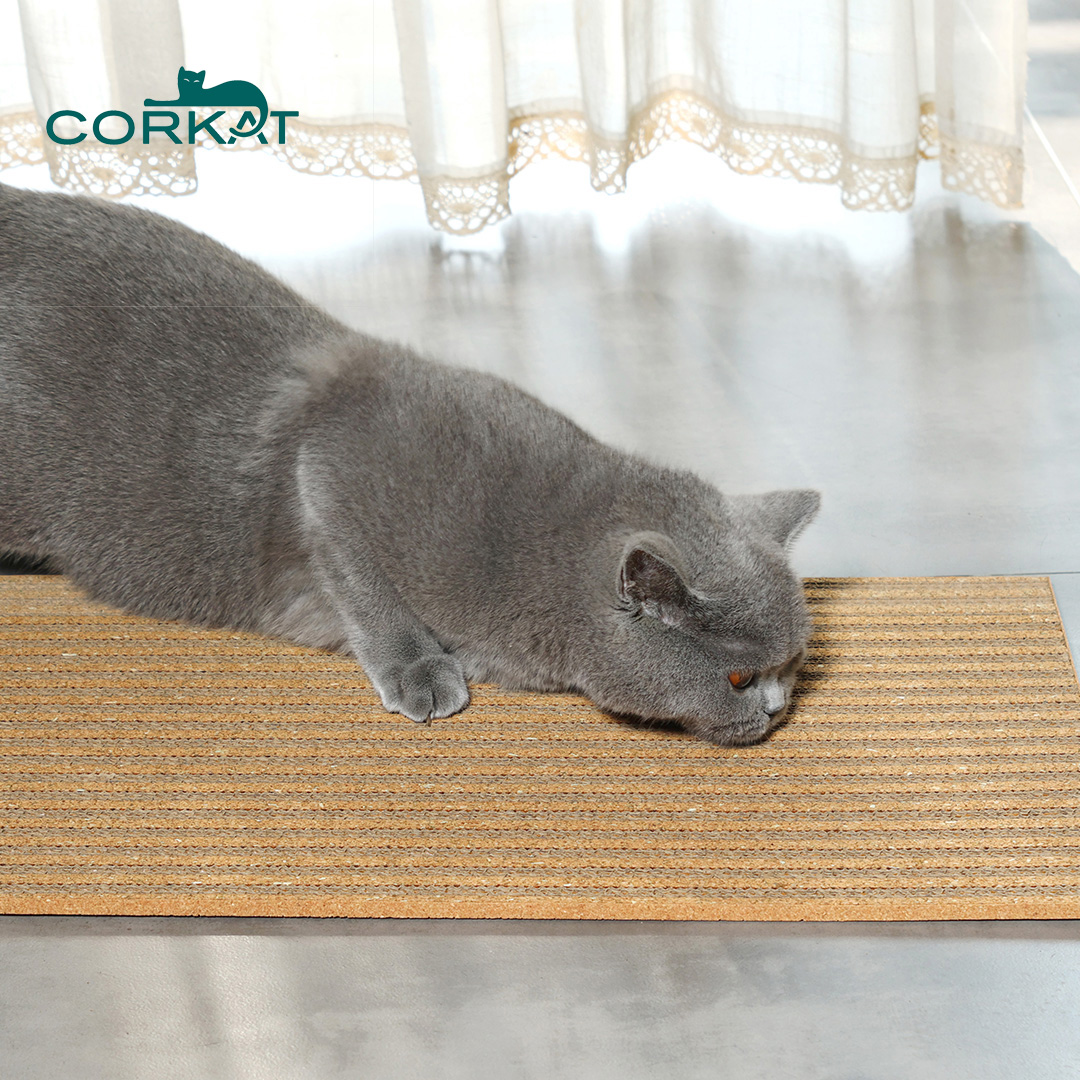
A: Try different angles (flat on floor, 20-degree ramp, or wall-mounted vertical). Use a string toy to drag across the surface to pique interest. You can also rub a bit of tuna juice on the cork—just a drop or two.
Q: Does cork cause claw snagging?
A: No. Unlike cheap carpet or loose-weave sisal, cork has a consistent cell structure. Claws sink in slightly for grip but release cleanly.
Q: How do I clean a cork board that smells (e.g., from urine marking)?
A: First, use an enzymatic cleaner designed for pet urine (spray lightly, then blot). Never soak cork. If the smell persists, replace the board—absorbed odors may cause your cat to keep marking.
Conclusion + Call to Action
Your cat doesn’t scratch your couch out of spite—they scratch because it’s instinct. Our job as owners is to provide an outlet that works for both parties. After testing cardboard, sisal, carpet, and even wood logs, I’ve found nothing that balances durability, sustainability, aesthetics, and feline preference quite like the Cat Scratching Board. It’s quiet, clean, natural, and surprisingly long-lasting. Whether you have a kitten, a senior cat, or a destructive claw-machine, cork is worth a try.
Ready to save your furniture and give your cat a healthier scratching experience? [Check out our top 3 recommended cork scratching boards here] (internal link). And if you’ve already tried cork, share your experience in the comments—I’d love to hear how your cat reacted.
About the Author
Sarah M. is a certified applied cat behavior specialist (CABC) and a proud servant to two rescue cats, Mochi and Biscuit. She’s written for Modern Cat Magazine and The Whole Cat Journal, and when she’s not cleaning cork dust off her black leggings, she’s hiking or roasting her own coffee. Find her on Instagram @sarah.the.cat.whisperer.
References
1. Bradshaw, J. (2013). Cat Sense: How the New Feline Science Can Make You a Better Friend to Your Pet. Basic Books.
2. Ellis, S. L. H. (2018). Environmental enrichment for domestic cats. Journal of Feline Medicine and Surgery, 20(7), 587-599.
3. International Cat Care. (2021). “Scratching: A normal feline behavior.” Retrieved from icatcare.org.
4. Pereira, H. (2015). “Cork: Biology, Production and Uses.” Elsevier Press. (For information on suberin and cork durability.)
5. Vitale, K. R., & Udell, M. A. R. (2019). The quality of being social: The role of feline behavior in human-cat interactions. Behavioural Processes, 167, 103884.
If you require more product information, please contact me at info@leecork.com