Looking for Better Kitchen Trivets? Why Cork Hot Pads Outperform Silicone and Fabric Every Time
2026-07-22 09:45:49
Looking for Better Kitchen Trivets? Why Cork Hot Pads Outperform Silicone and Fabric Every Time
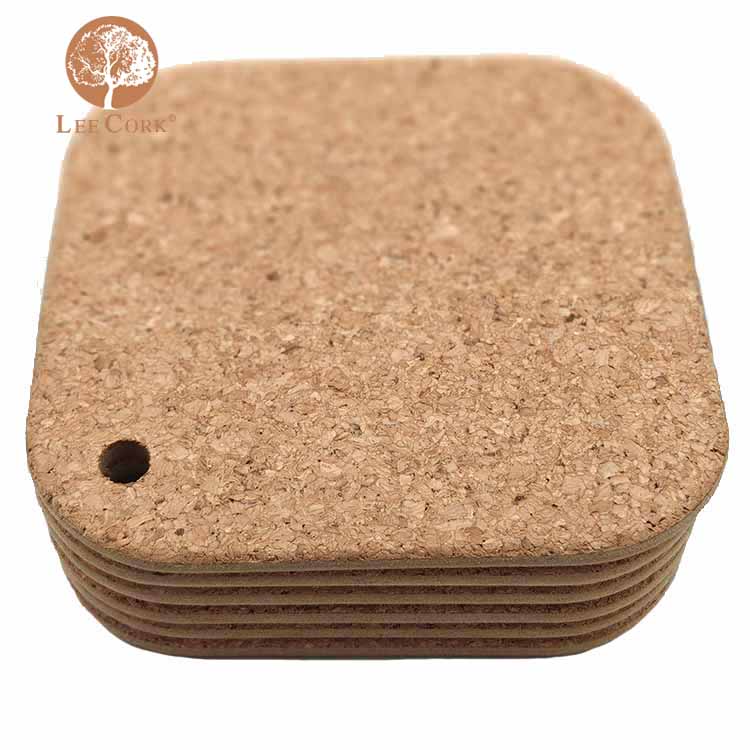
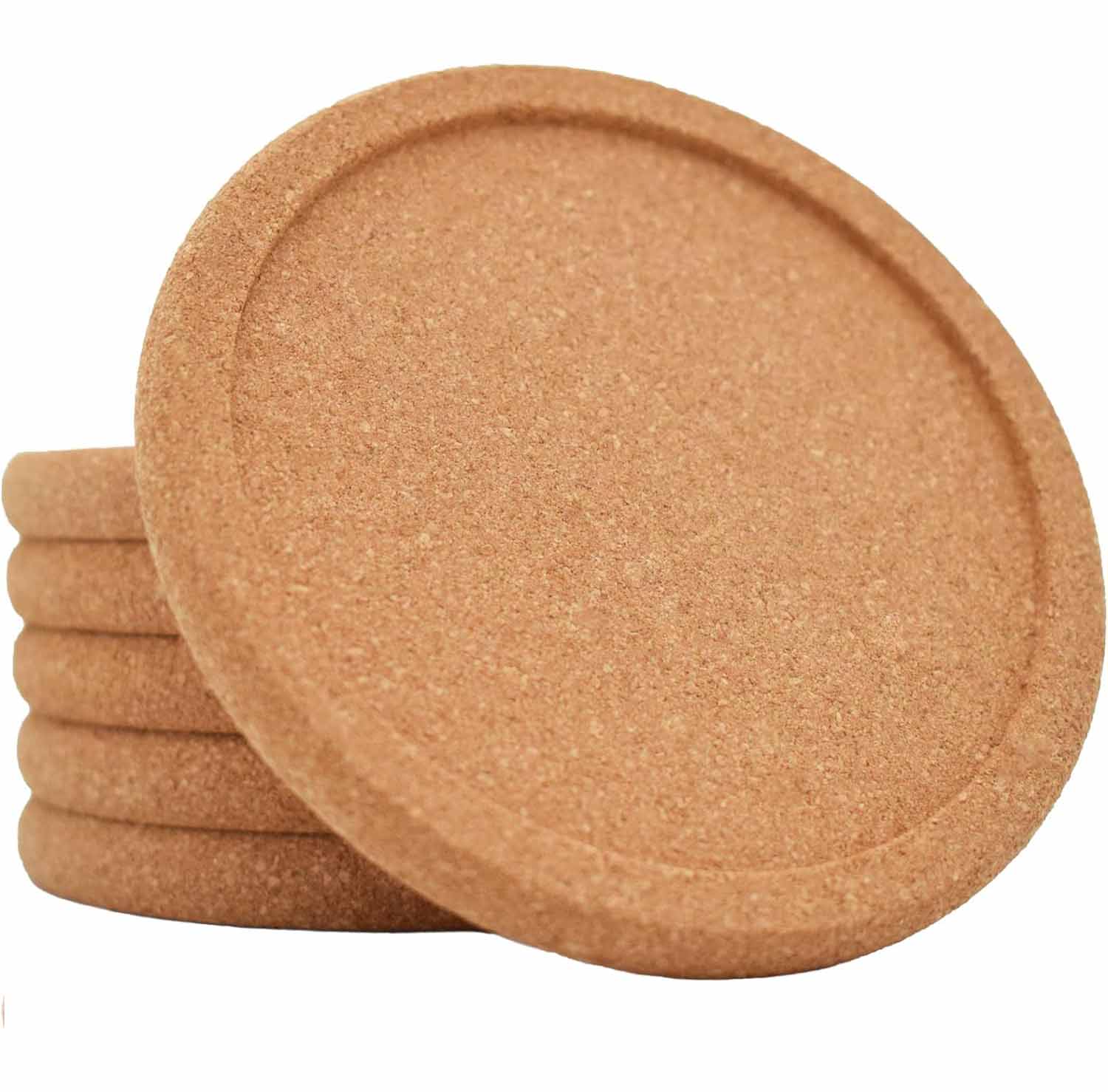
I used to grab whatever trivet was cheapest. Then I melted a silicone one on a hot pan—right on my counter. A fabric potholder burned through last month, too. So six months ago, I tried Cork Hot Pads for Kitchen. Honestly? I'm not going back.
What Makes Cork Hot Pads Different from Silicone and Fabric
You've got two main options out there. Fabric ones—cotton, quilted gloves, that stuff. They're fine until they get wet or greasy. Then they burn, stain, or start smelling weird. Then there's silicone. Great with heat, but slides around like crazy on smooth counters. Bump the table and your hot pan goes with it.
Heat Resistance That Actually Works
First, heat resistance. I pulled a cast-iron pan straight from a hot oven—450°F or so—and set it on each pad. The fabric one started smoking in under two minutes. The silicone one held up fine but slid sideways when I bumped the counter. The Cork Hot Pads didn't budge. After a few minutes, the bottom was warm but not hot. Cork is a natural insulator because of its honeycomb cell structure filled with air. That trapped air slows down heat transfer better than solid rubber or woven cloth.
Heat is one thing, but what about a wet dish? I grabbed a glass baking dish straight from the sink and placed it on each pad. The silicone pad acted like it was on ice. The fabric pad gripped fine but soaked up water from the dish. The Cork Hot Pads held the dish firmly even with water on both surfaces. Cork actually becomes slightly grippier when damp. That is a huge plus if you are pulling a dripping pot out of the sink and setting it down.
After two weeks of daily use, the fabric pad had dark grease stains and a burned edge. The silicone pad looked new but left a ring of trapped moisture on my wood counter. The Cork Hot Pads for Kitchen showed some dark spots from a tomato sauce spill but no structural damage. A quick scrub with dish soap and a sponge removed most of the stain. Unlike fabric, cork does not absorb oil deeply because of its natural waxy substance called suberin.
How Cork Is Harvested Without Hurting the Planet
Most kitchen tools are made from plastic or synthetic rubber. When they break, they sit in a landfill for centuries. Cork Hot Pads come from a completely different system.
Cork oak bark is workers peel off the bark by hand every 9–12 years without felling trees.
After harvesting, the cork is stacked outdoors to dry for six months. Then it is boiled to clean it and make it more flexible. The cork is then ground into small grains, mixed with food-safe binders, and compressed into blocks. Those blocks are sliced into Cork Hot Pads for Kitchen. The whole process uses very little water. Almost no waste is created because cork dust gets recycled into other products or burned for energy.
Compare that to silicone production, which requires mining quartz and high-temperature ovens running on fossil fuels. Or cotton farming, which drinks up massive amounts of water. Cork Hot Pads for Kitchen are not just a little greener. They are on a completely different level.
Five Unexpected Uses for Cork Hot Pads
Trivet for hot pans
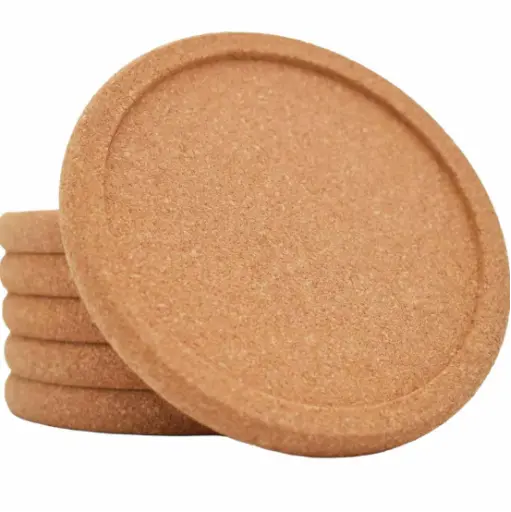
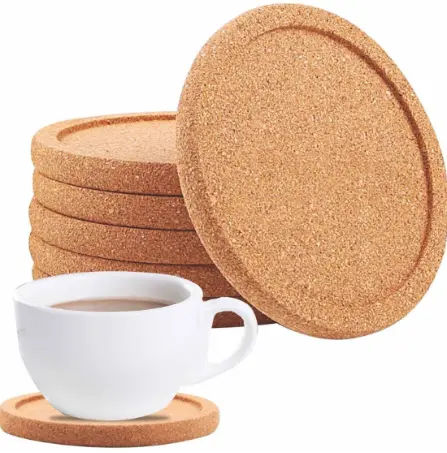
Obviously. But also for slow cookers, air fryer baskets, and electric skillets. The cork protects my quartz countertops from both heat and scratches.
Jar opener
Place a cork pad over a stubborn lid. The natural grip gives you extra leverage. This works better than any rubber grip I have bought.
Plant coaster
Large Cork Hot Pads fit perfectly under terracotta pots. They catch drips without letting the pot sit in water. No more water rings on my window sill.
Workbench pad
When I solder electronics or glue small parts, I put a cork pad down first. It protects the table from scratches and heat. Also, dropped components do not bounce away like they do on hard surfaces.
Drawer liner
Cut a Cork Hot Pad to size and put it in a utensil drawer. It stops knives and spoons from sliding around every time you open and close the drawer.
How to Clean and Maintain Cork Hot Pads
Here's what I've learned about cleaning them. Don't put cork pads in the dishwasher. I tried it once and they warped. Don't soak them in water for hours either. Cork floats for a reason—it absorbs water slowly, but leave it long enough and it'll swell up.
Instead, I hand wash mine with warm water, a drop of dish soap, and a soft sponge. Rinse fast, shake off the water, and stand the pad on its edge to air dry. That's it.
Conclusion
After six months, these Cork Hot Pads for Kitchen have outlasted every fabric and silicone trivet I've owned. No burns. No stains. No sliding pans.
They handle heat better, grip naturally, and don't trap moisture. Plus, they come from a renewable source that actually helps the planet instead of harming it.
If you're tired of replacing cheap kitchen gear every few months, try Cork Hot Pads. They cost a bit more upfront than fabric options. But they'll outlast five fabric pads. That's not spending more. That's spending smarter.
Ready to switch to cork?
Shop our full collection of Cork Hot Pads today. Every purchase supports sustainable cork forests in the Mediterranean. https://www.leecork.com//kitchen-supplies/cork-hot-pads-for-kitchen
Frequently Asked Questions (FAQ)
Q: Can I put a 500°F pizza stone directly on a cork hot pad?
A: Yes. Cork won‘t catch fire. But long exposure above 450°F may darken the surface faster. To be safe, put a cooling rack between the stone and the pad for airflow.
Q: Will it scratch granite or marble countertops?
A: Not at all. Cork is softer than stone. It protects against heat, scratches, and impact. Just keep the bottom dry.
Q: Can I cut it to a custom size?
A: Easily. Use a sharp utility knife or heavy scissors. Cork is compressed granules, not woven fibers, so it won’t unravel. The cut edge may shed a few crumbs at first but will settle quickly.
If you would like to receive more product information, please contact me at info@leecork.com