Why Colored Cork Fabric? A Designer’s Guide to Vibrant, Eco-Friendly Materials
Introduction
For years, sustainable materials meant earthy browns and beiges. But colored cork fabric changes that. It’s the same eco-friendly cork, now available in virtually any color. Whether for handbags, accessories, or upholstery, it opens new creative possibilities.
What Exactly Is Colored Cork Fabric?
Many people are familiar with natural cork fabric — the brown, textured material often used in wallets or phone cases. But colored cork fabric takes it to the next level.
The Coloring Process
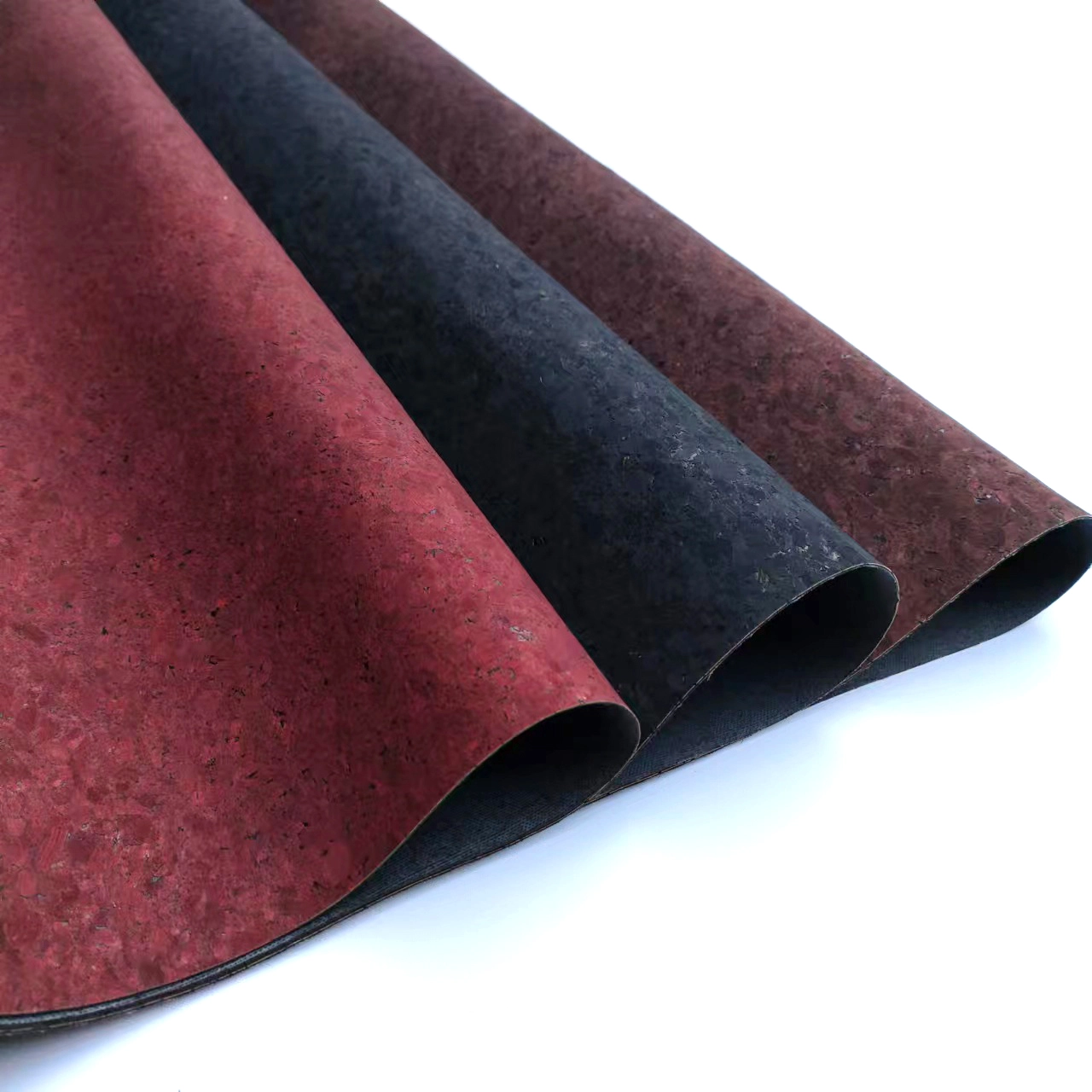
It starts with high-quality cork bark, harvested from cork oak trees without harming them. The bark is ground into fine granules, compressed into sheets, or cut from the inner bark in different shapes and sized and bonded to a fabric backing. Pigments are added during compression, creating a lightweight, water-resistant, durable material — now in vibrant, consistent colors.
Available Color Options
From classic black and white to bold reds, blues, and greens, colored cork fabric is available in a wide spectrum. Custom color matching is also possible, making it ideal for brand-specific projects.
Why Choose Colored Cork Fabric Over Other Materials?
The market is flooded with leathers, synthetic leathers, and other "eco" alternatives. Here’s why colored cork fabric stands out:
1. True Sustainability
Unlike polyurethane (PU) or PVC “vegan leathers,” which are plastics, colored cork fabric is made from renewable cork bark. The trees aren’t cut down — the bark regenerates every 10 years. This process absorbs CO₂, making cork one of the most carbon-positive materials on the planet.
2. Durability That Surprises
Don’t let its soft touch fool you. Colored cork fabric is surprisingly strong. It resists scratches, water, and stains.
3. Lightweight and Flexible
One of the most appreciated features of colored cork fabric is how light it feels. This makes it a favorite for travel accessories, large bags, and upholstery projects where weight matters.
Real Product Differentiation — What Makes Our Colored Cork Fabric Different?
Not all colored cork fabric is created equal. After years of supplying this material to brands across Asia and Europe, we’ve learned what works — and what doesn’t.
The Early Problems
First-generation colored cork fabric had real issues. Colors faded. The surface flaked. The material was stiff and hard to sew.
What We’ve Fixed
Through continuous testing and customer feedback, we’ve eliminated those problems. Our colored cork fabric now features:
UV-stable pigments — colors stay vibrant even after months of sun exposure.
Improved flexibility — soft hand-feel, easy to sew on standard machines.
Stronger adhesion — the color layer won’t separate from the cork base.
We have SGS and Intertek test reports. When you buy colored cork fabric from us, you’re getting a material that has been tested and proven.
A Real Customer Story — From Sample to Long-Term Partnership
Not every success story happens overnight. Sometimes, it starts with a small test order and grows into a steady, reliable partnership. That’s exactly what happened with one of our USA-based customers.
The First Step — Just One Color, 100 Yards
This customer — a small accessories brand — reached out to us in early 2022. They had seen colored cork fabric gaining traction in Europe and wanted to test the market. But they were cautious. They ordered just 100 yards of one color — a beige— to launch a small line of laptop sleeves.
The Growth — More Colors, Larger Quantities
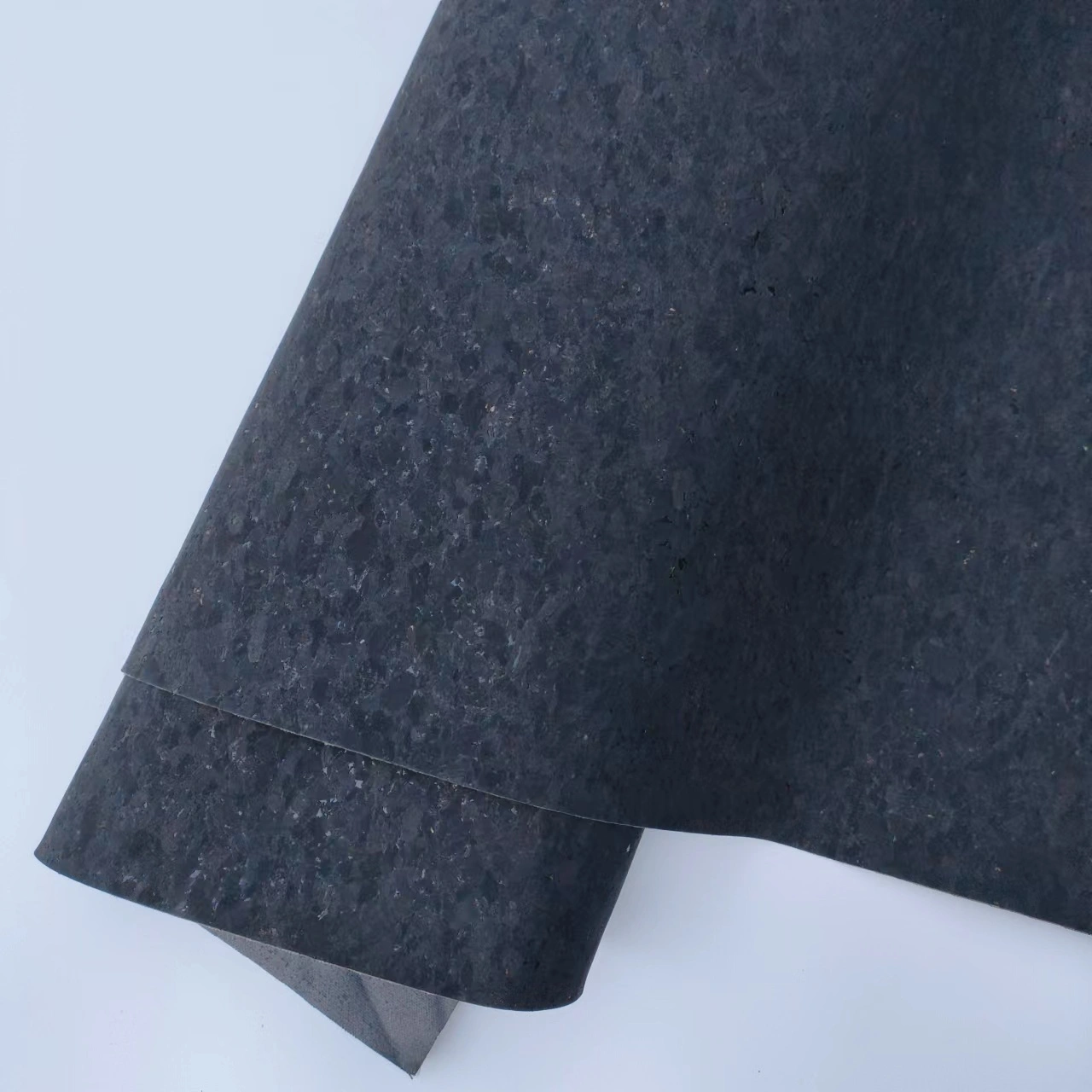
The response from their customers was better than expected. The colored cork fabric looked great, felt premium, and the eco-friendly angle resonated with their audience. Within a few months, they came back — asking for more colors: black, olive green, and coral. And the quantity per color increased to 300 yards each.
That’s the moment we knew this wasn’t just a test anymore.
The Steady Phase — Quarterly Reorders for Nearly Two Years
What followed was the kind of stability every supplier hopes for. For nearly two years, this customer has been placing quarterly reorders — several colors, 300 yards per color. Not explosive growth. Just consistent, reliable demand.
That tells you more about colored cork fabric. When a brand keeps coming back — season after season — it means the product works. It holds up. It sells.
What This Means for You
This US customer started small — just 100 yards of one color — and scaled at their own pace. You can start small, test the market, and grow when you’re ready.
How to Choose the Right Colored Cork Fabric for Your Project
Not all suppliers offer the same quality. Here’s what to look for when sourcing colored cork fabric:
1. Ask About Colorfastness
Will the color fade after a few months of use? Ask for UV stability test reports.
2. Check the Backing
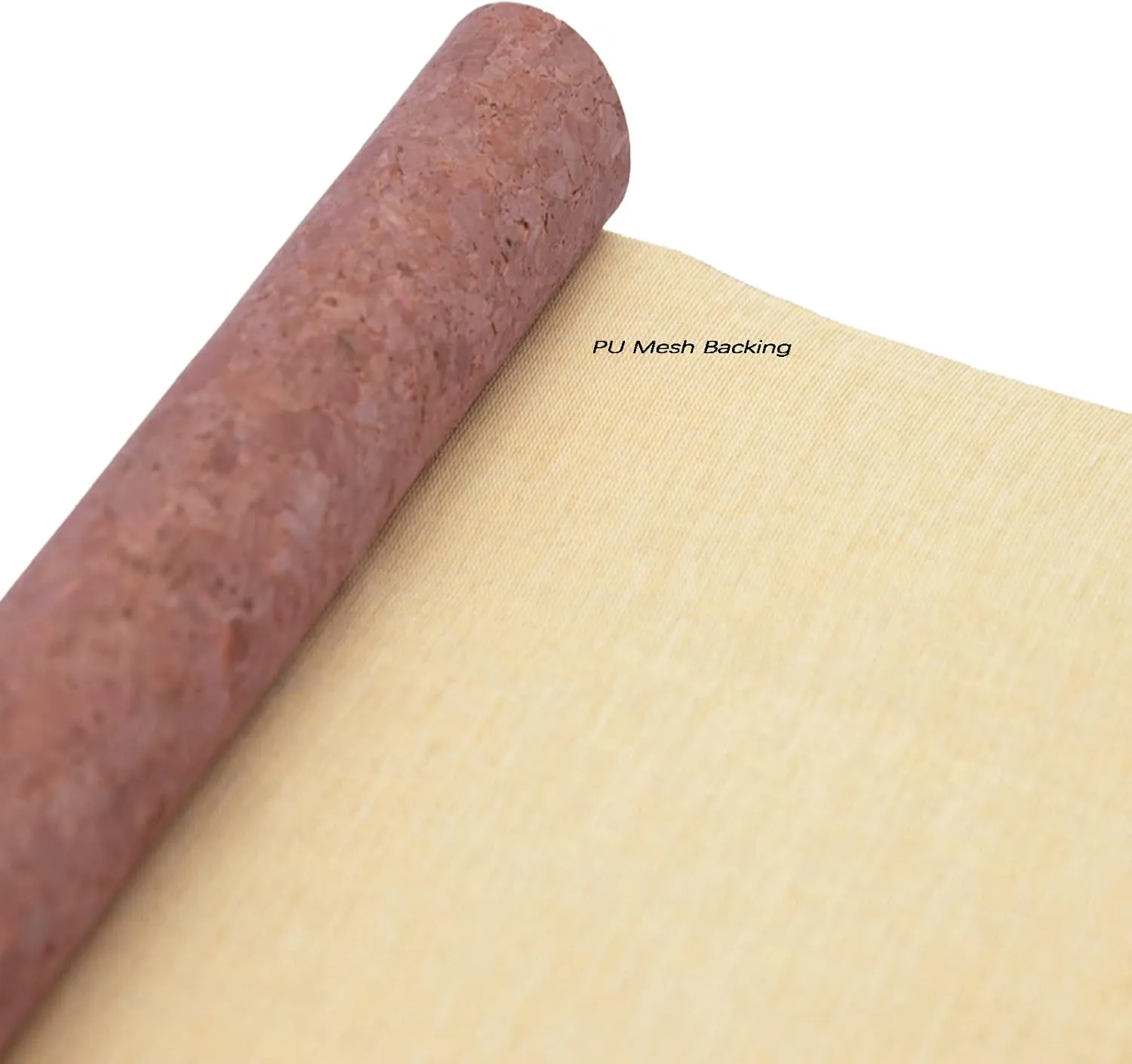
The backing material determines flexibility and durability. Our colored cork fabric uses a high-quality cotton or recycled polyester backing that won’t delaminate.
3. Request Thickness Options
Different projects require different thicknesses. We offer colored cork fabric in 0.6mm and 0.8mm — plus adhesive-backed versions on request.
4. Don’t Chase the Lowest Price
Cheap colored cork fabric often cuts corners on pigments and backing. You might save a few cents per yard now, but you’ll pay for it in returns and complaints later.
Conclusion
Cork is now both sustainable and beautiful — colored cork fabric in any shade you need.
Frequently Asked Questions (FAQ)
Q: Is colored cork fabric as durable as natural cork?
A: Yes. The coloring process does not affect the structural integrity. Our colored cork fabric has the same tensile strength and abrasion resistance as natural cork.
Q: Can I sew colored cork fabric on a home sewing machine?
A: Yes. Use a leather needle (size 80/12 or 90/14) and a Teflon presser foot. Keep stitch length slightly longer than for cotton.
Q: Does colored cork fabric fade over time?
A: High-quality colored cork fabric uses UV-stable pigments and resists fading. We recommend avoiding prolonged direct sun exposure for best results.
Q: Do you offer custom color matching?
A: Yes — for larger orders, we can match any Pantone color.
References
APCOR – Cork Sustainability and Technical Data
SGS Test Reports (available on request)
Intertek Test Reports (available on request)
Customer case study – USA (2022–2024)
About the Author
Linda Song has been working with cork-based materials for 15 years, supplying colored cork fabric to brands in Europe, North America, and Asia. Linda Song focuses on material performance, not marketing hype. Test reports and samples are always available to serious buyers.

You May Like
0