
Why Can High-Density Cork Yoga Blocks Completely Transform Your Practice? Discover the Natural Stability Advantage
2026-07-06 09:37:39
If you've ever wrestled with a squishy foam block during a balancing pose or slipped on a sweaty surface during a hot yoga class, you already know the struggle. The right prop can make or break your practice. High-density cork yoga blocks are becoming the top choice for more and more practitioners—from beginners to seasoned instructors—on their mats. Unlike lightweight foam blocks, these bricks have a grounded, substantial feel that can completely transform your practice experience.
Let's explore why this seemingly simple prop is actually a powerful tool for alignment, the unique differences between various cork textures, and how simply switching your block can suddenly unlock new levels of flexibility and strength.
What Exactly Is a High-Density Cork Yoga Block?
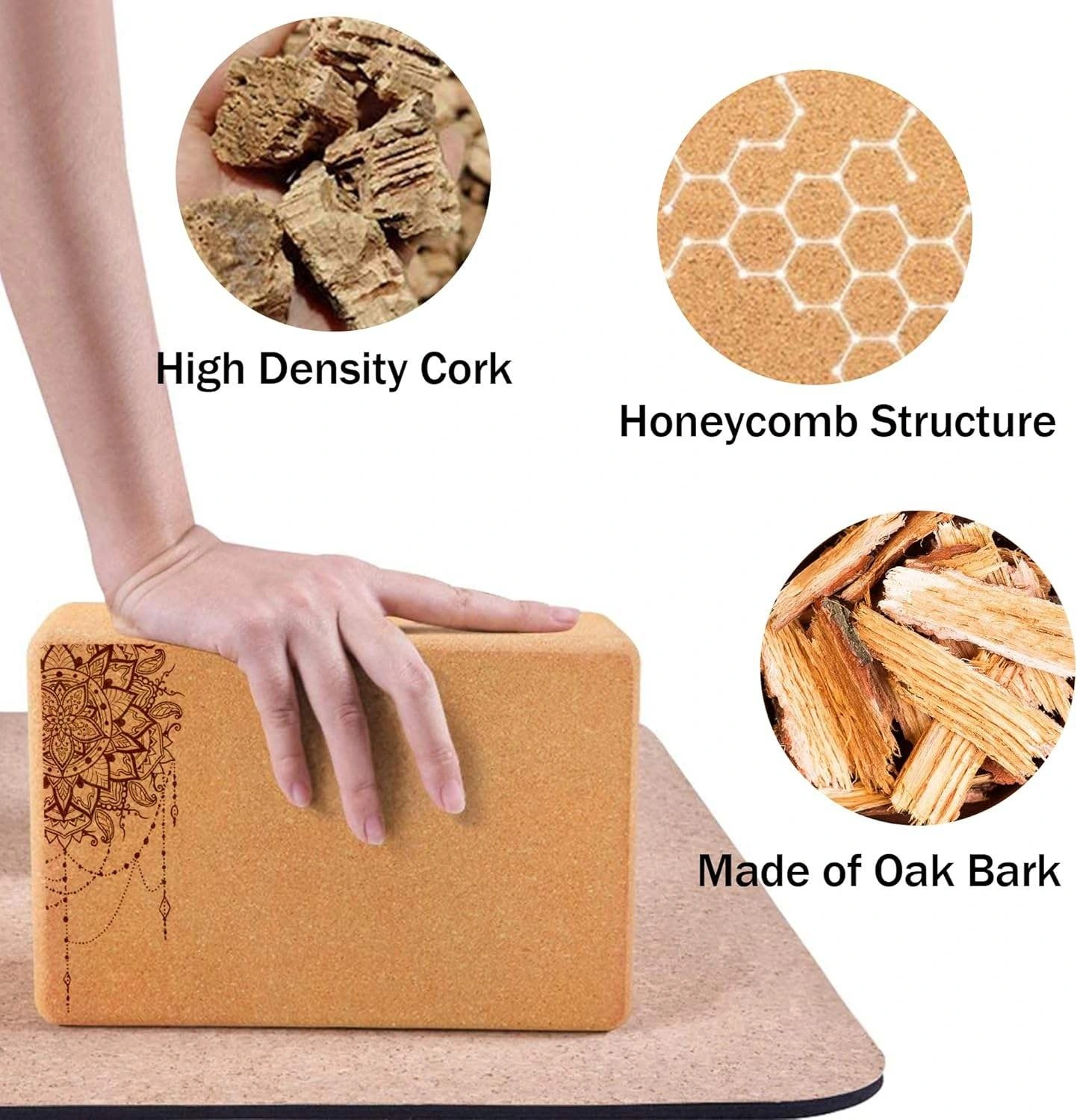
A high-density cork yoga block is a prop made from the bark of the cork oak tree, with cork granules compressed into a solid, firm shape. Its core characteristics are—high density and genuine firmness. Foam blocks compress and deform under your body weight, but high-density cork blocks stay rock-solid.
Cork is naturally non-slip, eco-friendly, and sustainable. Unlike EVA foam, cork is renewable—the bark regrows after harvesting. For environmentally conscious yoga practitioners, this is a significant bonus. The "high-density" label means the cork particles are compressed more tightly, resulting in a heavier, more durable block that can support greater weight without warping.
Feel: Weight and Texture
The first time you pick up a high-density cork yoga block, the most immediate sensation is—heaviness. It feels solid and reassuring in your hands. This weight isn't just for show; it provides a tactile feedback that foam blocks simply cannot offer. It makes you feel connected to the ground. The surface is usually slightly textured, allowing your palms or soles to truly "grip."
This is especially crucial in sweat-prone practices. Foam blocks become slippery once they get wet, but cork's natural texture actually increases friction when damp. Conversely, cheap foam blocks might feel slightly "tacky" at first, but the surface wears smooth quickly, turning into a safety hazard.
The Core Debate: Fine-Grain Cork Yoga Blocks vs. Coarse-Grain Cork Yoga Blocks
To choose the right product, you need to understand the materials. Not all cork is created equal. When looking at a natural cork yoga block, the differences in manufacturing materials significantly affect performance and appearance. The high-density cork yoga blocks commonly available on the market mainly come in these two types.
Fine-Granules Cork Yoga Blocks
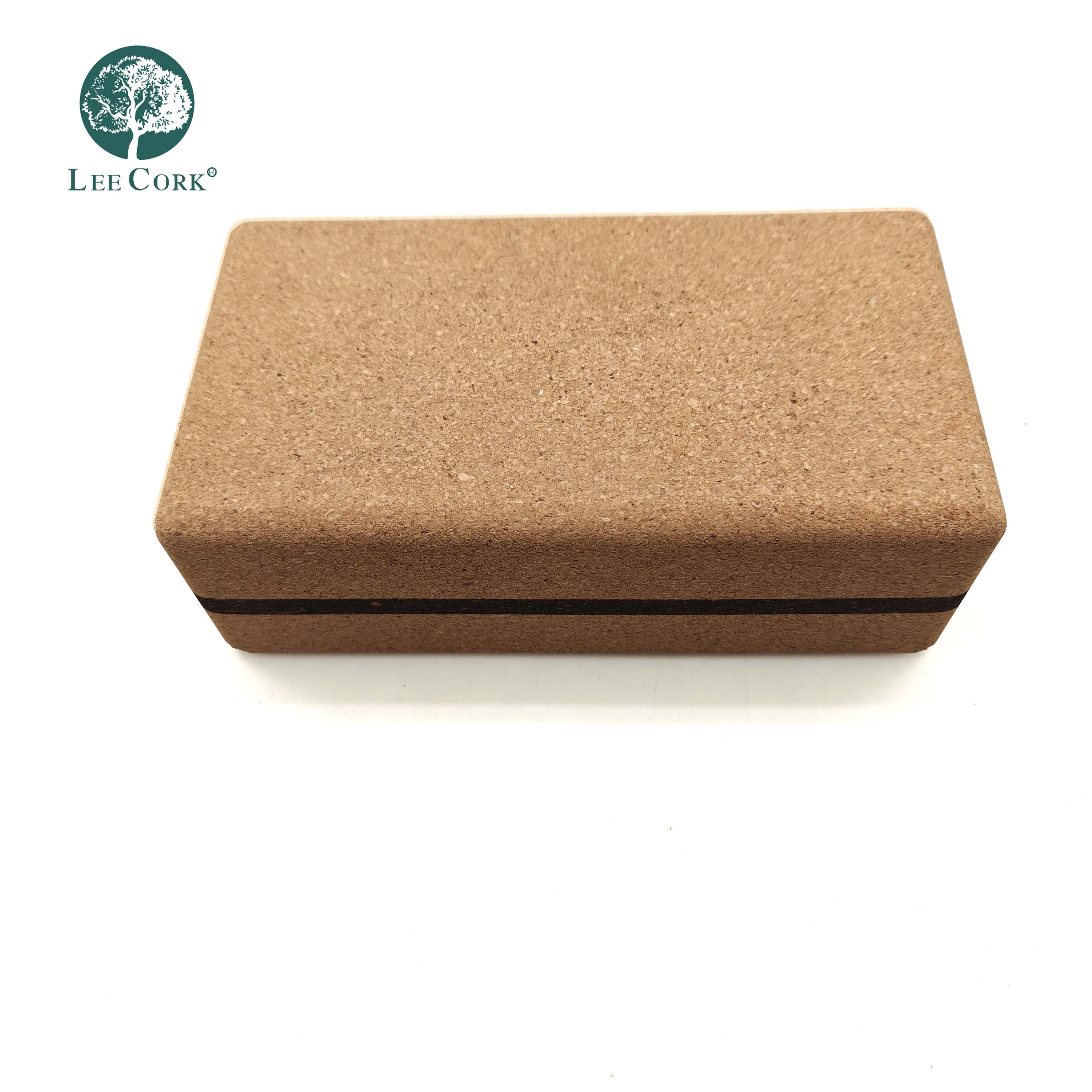
This is the most common type. "Agglomerated" means the cork granules are ground down and bonded together through heat and pressure. The resulting block is dense and uniform.
Characteristics:
Texture: Generally smoother and more consistent.
Density: Very high, offering excellent support.
Best for: Daily use, with a reliable, non-slip surface that resists crumbling. Brands like Manduka use "fine-grain cork" to ensure a smooth, comfortable contact surface for the palms.
Big-Granules Cork Yoga Blocks
This type uses larger granules of cork bark shavings. The surface looks more rustic and textured.
Characteristics:
Texture: Rougher, more like natural tree bark, with distinct grooves for a more "organic" feel.
Durability: Highly durable and less prone to showing dirt or wear.
Grip: Offers aggressive traction. For those who sweat heavily, the surface grooves provide a "mechanical lock" for your palms and soles, completely eliminating slippage.
How to Choose?
If you prefer a smooth, uniform, and comfortable feel against your skin, fine-grain cork yoga blocks are the better choice. They are the classic option for studios and home practitioners alike. If you sweat heavily or prefer a more rugged, earthy feel, coarse-grain cork yoga blocks might be more to your liking.
How High-Density Cork Yoga Blocks Elevate Your Practice
Since they cost more than foam blocks, what exactly makes high-density cork yoga blocks worth it? The benefits go far beyond just "being heavy."
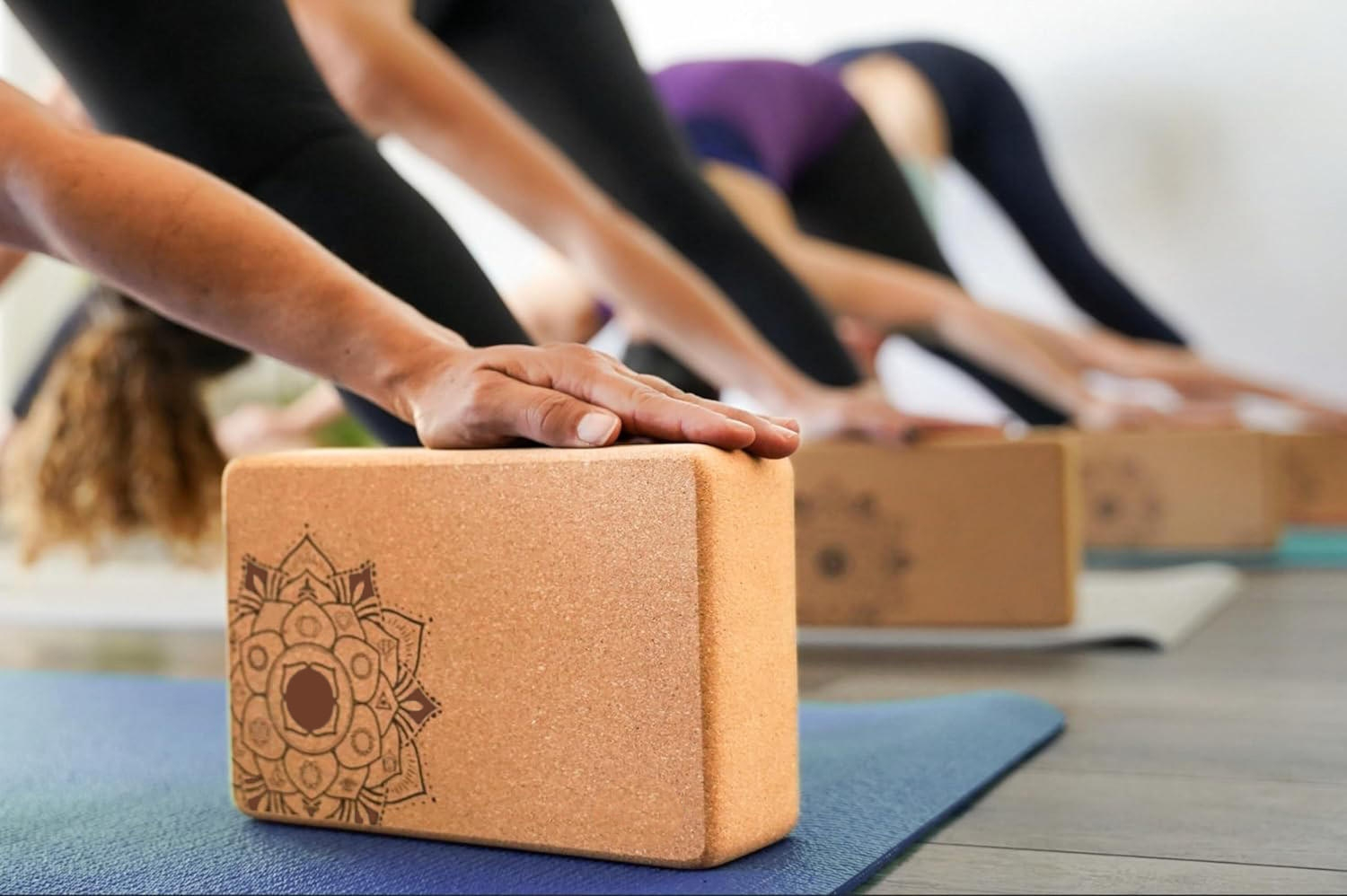
Alignment and Stability: The firmness provides an uncompromising support platform. When you place your hand on a high-density block, it doesn't sink. This allows your bones to stack correctly, creating a stable foundation for pushing or pulling. It feels like pushing against the floor or a wall. Foam blocks do the opposite—they absorb some of the force, forcing your muscles to work harder to maintain stability.
Deeper Stretches: Because the block is stable, you can lean into it with more confidence. This means you can reach further and hold poses longer, safely stretching muscles without worrying about the prop suddenly giving way.
Durability: Cork blocks are far more resistant to dents and compression than foam. Foam blocks permanently deform over time, but a quality cork block can last for years, making it more cost-effective in the long run.
Eco-Friendly and Hygienic: Cork is naturally antimicrobial and moisture-resistant. It doesn't absorb sweat and bacteria the way foam does. A quick wipe with a damp cloth keeps it clean and fresh.
FAQ
Q: Are cork yoga blocks too heavy to carry to the studio?
A: They are indeed heavier than foam blocks—a 3"x6"x9" block weighs approximately 750 to 850 grams (1.6–1.9 lbs) each. While they add a bit of weight to your bag, the rock-solid stability they provide during practice is absolutely worth the extra carry weight.
Q: How do I clean high-density cork yoga blocks?
A: Cleaning is very simple. Wipe with a damp cloth and a mild organic soap if needed. Never submerge them in water—cork is porous and will warp after absorbing moisture. Let them air dry naturally in a shaded area, away from direct sunlight.
Q: What is the standard size for a yoga block?
A: The industry standard is approximately 3" × 6" × 9" (about 7.5 × 15 × 22.5 cm). However, many brands also support custom sizes to accommodate different hand sizes and body types. Those with smaller hands may prefer a slightly narrower width for a more comfortable grip.
Q: Will cork blocks crumble or flake over time?
A: High-quality cork blocks use superior binding techniques and don't have this issue. Only low-density, poorly made cheap products tend to shed crumbs. A genuine high-density cork yoga block will remain solid for years. Look for fine-grain or well-bonded agglomerated cork.
Conclusion
Switching to a high-density cork yoga block is not just an aesthetic choice—it's a performance upgrade. It means your practice becomes more stable, grounded, and "connected." The substantial weight itself provides a psychological anchor, the texture gives you confidence during sweaty moments, and the density ensures your practice is built on a foundation that can withstand the test of time.
Whether you choose the smooth consistency of fine-grain agglomerated cork or the superior grip of carbonized cork, you're investing in a prop that supports both your body and the planet. After making the switch, you'll find your movements become more intentional, your alignment more precise, and ultimately, you'll establish a deeper connection with your practice itself. Upgrade your daily routine with a natural cork yoga block—your body will tell you the difference that true quality makes.
Author Information:
Over the years, I've sold quite a few yoga mats and worked with customers from different countries—wholesalers, studio owners, and yoga enthusiasts. I've heard their feedback about what works, what doesn't, what they love, and what frustrates them. I've put together all these scattered experiences to help you make a better choice and avoid some common mistakes along the way.
Please contact us if needed: info@leecork.com
References:
1. Manduka EU. Cork Yoga Block product description.
2. Amazon. DA VINCI Premium Natural Cork Yoga Blocks.
3. Overmont. 2-Pack Cork Yoga Blocks with Strap.
4. Pinkoi. INEXTION Cork Yoga Block product page.
5. Amazon. Manduka Cork Yoga Block.


Related Industry Knowledge