
Why a Cork Massage Roller Hurts So Good (And Why You Need One)
Foam rollers have their place — they're lightweight, soft, and budget-friendly. Great for warming up and surface-level release. But if you want to go deeper, it's time to meet the Cork Massage Roller.
Ever finished a run, rolled out your sore quads with a foam roller, and felt... okay, but not quite fully released? Or pressed into a stubborn knot in your back, only to watch the roller flatten under your weight, absorbing half the pressure before it even reaches the muscle? Yeah, I've been there too.
Then I tried the Cork Massage Roller. First time I used it, same motion, same time — but the results were on a completely different level.
If you haven't tried one, you're probably thinking — it's just a cylinder, how different can the material really be? The answer is: very different. Today I'm going to tell you why cork is the upgrade worth considering.
What Is a Cork Massage Roller?
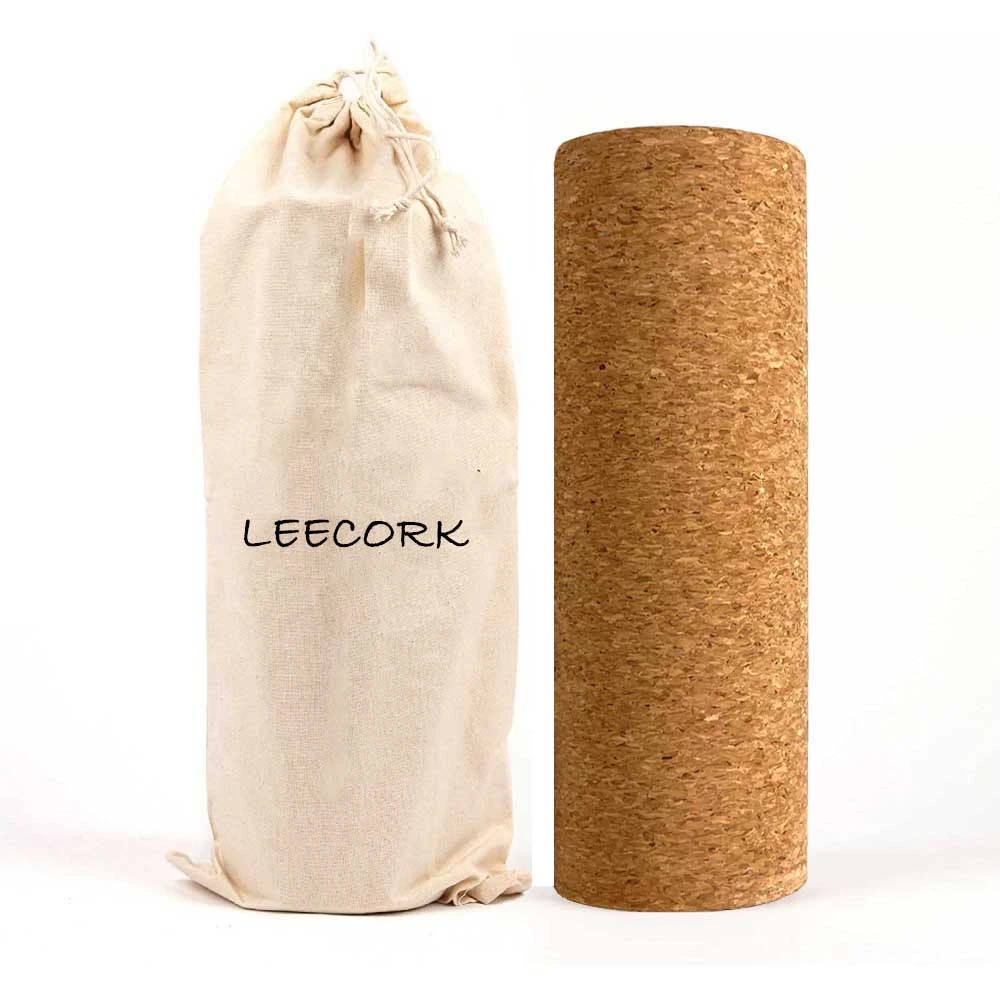
Most people think of foam when they hear "massage roller." You know the ones — those squishy, brightly colored cylinders at every gym. But a Cork Massage Roller is different.
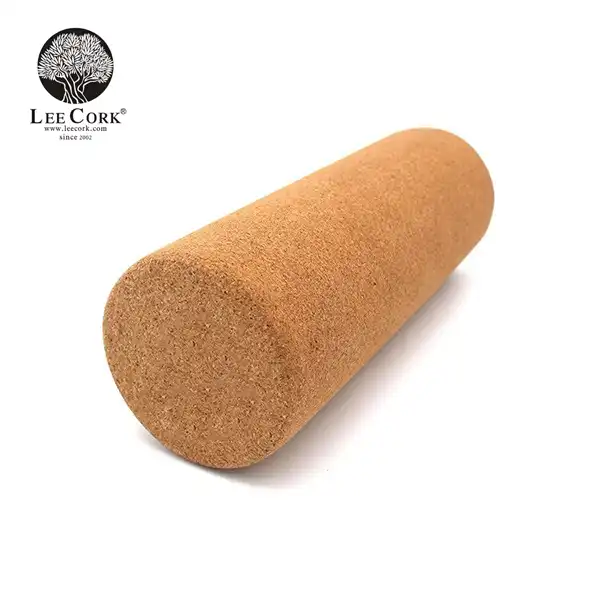
It's made from the bark of Cork Oak trees, harvested every 9 to 12 years without cutting the tree down. So it's sustainable — but more importantly, it's firm. Like, really firm. The kind of firm that actually reaches the deep knots in your muscles instead of just squishing on the surface.
A good Cork Massage Roller is made from pure natural cork, with just the right surface texture. Some have subtle ridges designed specifically for trigger-point work, while others are smooth. But what they all share is high density — cork doesn't collapse under your weight. When you roll, the pressure goes into your muscle, not into the roller itself.
Why a Cork Massage Roller Beats Foam
It Actually Reaches Deep Tissue
Foam rollers are fine for light warm-ups. But if you've been training for a while, you know the feeling — you roll and roll, and that knot in your glute just won't budge.
A Cork Massage Roller changes that. Because it's denser, it pushes past the superficial layers and into the fascia — that tough tissue that holds tension. You'll feel it immediately. And yeah, it might hurt a little. But it's that "hurts so good" kind of pain — the kind that leaves you feeling like a new person.
No More Bending Under Pressure
Ever been mid-roll and felt your foam roller bow under your weight? That doesn't happen with a Cork Massage Roller. It holds its shape. You can put your full body weight on it — and you will, because that's how you get the deep release you're after.
It Grips, So You Don't Slip
Foam rollers can get slippery, especially when you're sweaty. But cork has natural micro-pores. When you sweat, those pores absorb moisture and actually increase friction. So your Cork Massage Roller stays where you put it. No sliding around mid-roll.
It Doesn't Stink
Let's be real — foam rollers get gross. They absorb sweat, trap bacteria, and after a few months, they start to smell. You can't really clean them thoroughly.
Cork is naturally antimicrobial. It resists moisture and odors. Your Cork Massage Roller won't stink up your gym bag. A simple wipe-down is all it needs.
It Lasts Way Longer
Foam rollers degrade. They lose their bounce, develop dents, and need replacing. Cork is resilient. A well-made Cork Massage Roller can last for years without losing its firmness. Yes, they cost more upfront. But over time, you're not replacing them every six months. That's "buy once, cry once."
Where to Use It
Quads and Hamstrings
Sit on the floor, place the Cork Massage Roller under your thighs, and roll from hips to knees. Go slow. When you hit a tight spot, pause and let your body weight sink into it. Breathe. Then move on.
Glutes
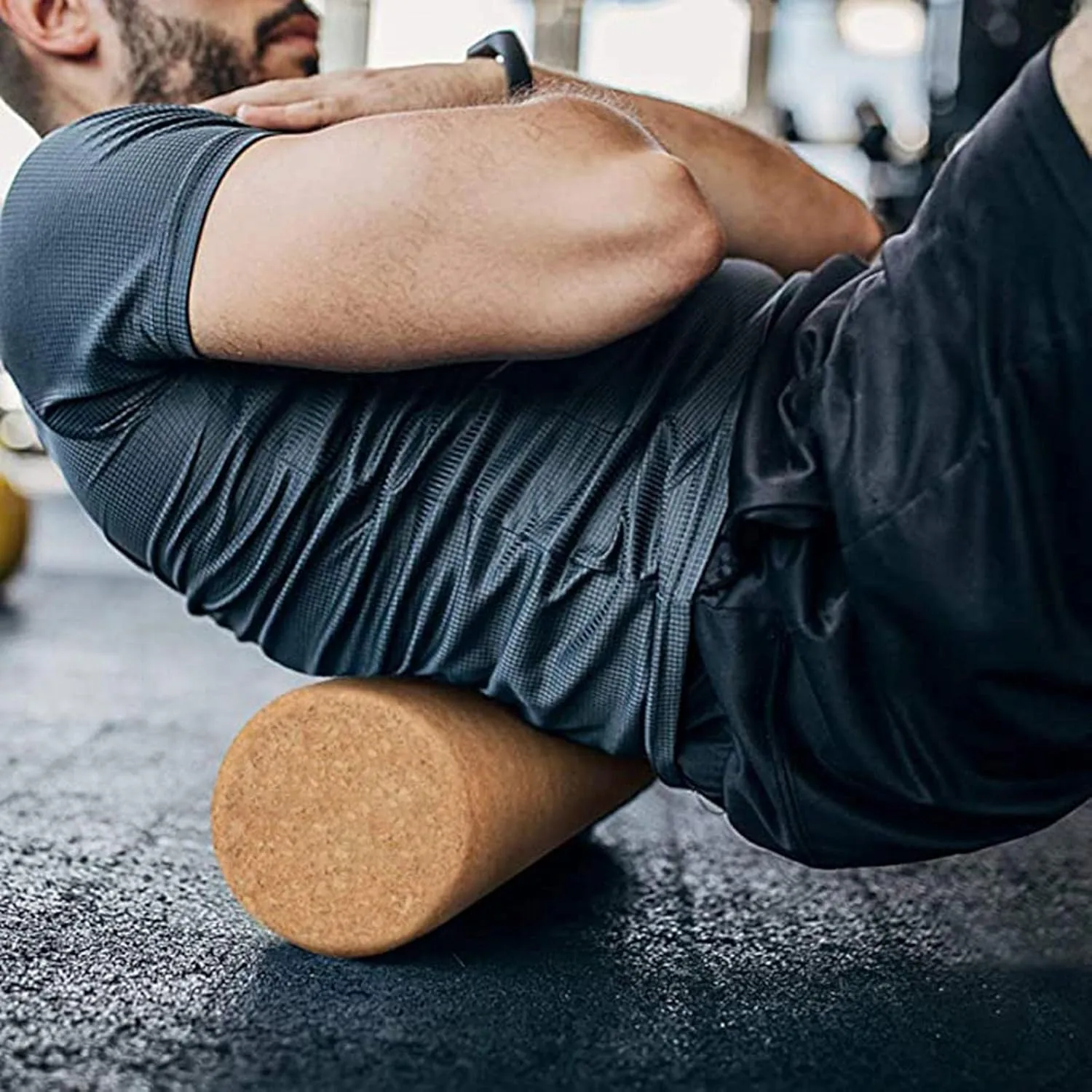
Sit on the roller directly. Cross one ankle over the opposite knee, shift your weight to one side, and roll. You'll find trigger points you didn't know you had. This area holds tons of tension, especially if you sit at a desk all day.
Back
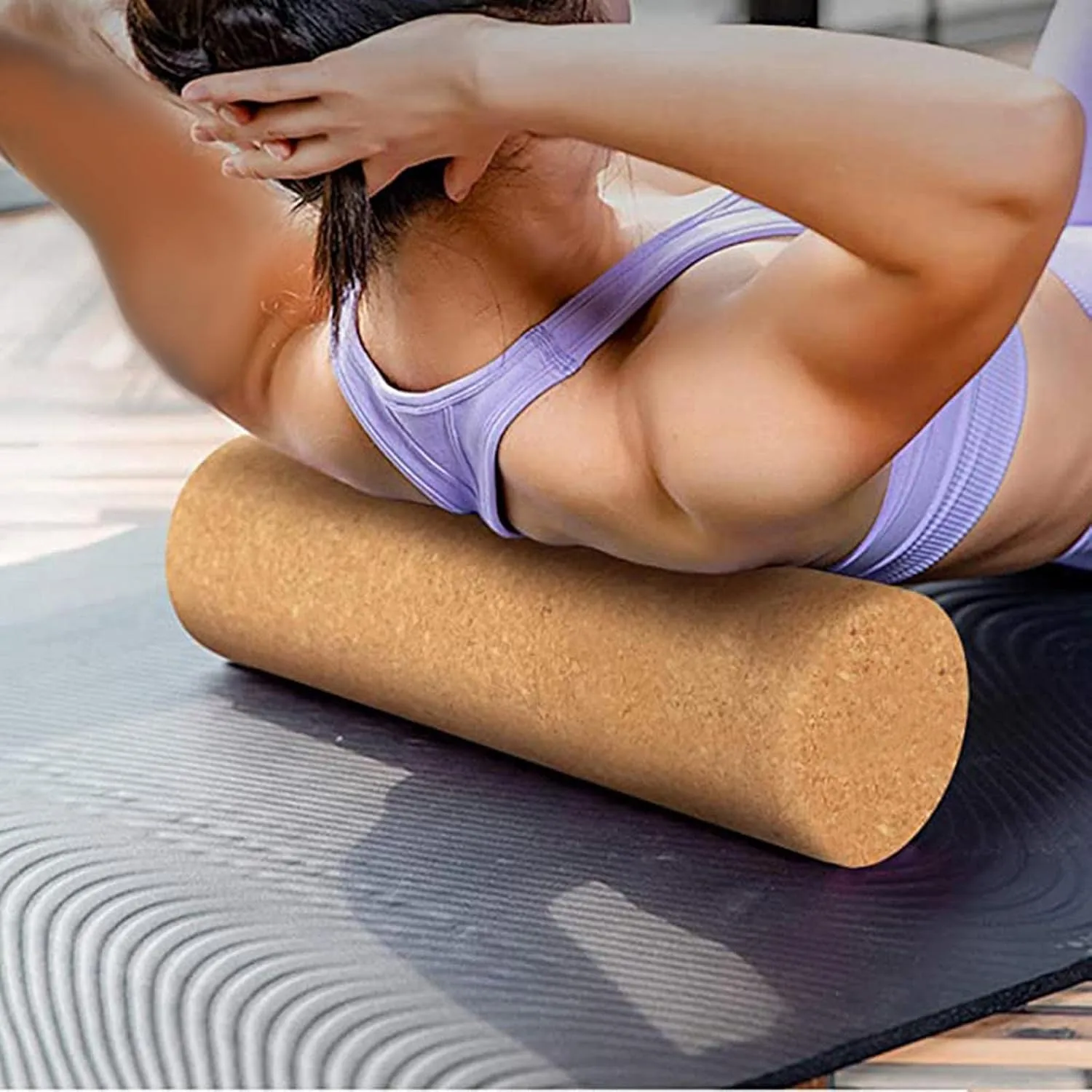
Place the roller horizontally behind you and lie down, just under your shoulder blades. Roll up and down along your spine — but keep your hips up and avoid the lower spine directly. Stick to the muscles on either side. Lifesaver for people who hunch over laptops.
Calves
If you run, you need this. Place the roller under your calves, lift your hips, and roll from ankle to knee. It hurts. But it works.
Who Needs One?
Honestly? Almost anyone who moves.
Athletes love it for deep recovery. Office workers love it for back tension. Yoga practitioners love it for pre- or post-practice self-care. CrossFitters, runners, cyclists — all benefit.
The Cork Massage Roller is especially good for people with tight fascia, stubborn knots, or those who find foam rollers too soft. It's not a beginner tool — it's for people who are serious about recovery.
Is It Worth the Price?
Here's the honest answer.
A good Cork Massage Roller costs more than a standard foam roller. Cork is a premium material, and the manufacturing process is more involved.
But you get what you pay for. A cheap foam roller might save you twenty bucks now. But you'll replace it in six months when it flattens out. You'll deal with the smell. You'll wonder why it's not doing anything.
With a Cork Massage Roller, you're buying something that actually works. It holds up. It doesn't smell. It goes deep. And when you consider how many sessions you'll get out of it — hundreds, maybe thousands — the cost per use is tiny.
So yeah. I think it's worth it.
Summary
If you've been rolling on foam and wondering why you're not getting the release you need, maybe it's time to try something different. The Cork Massage Roller offers firmness, durability, grip, and natural odor resistance — all things that make a genuine difference.
It's not the cheapest option. But it's the one that actually works. Give it a try. Your muscles will feel it — in the best possible way.
Frequently Asked Questions
Q: Is a Cork Massage Roller too hard for beginners?
It can be intense if you're new to self-massage. Start with light pressure — use your arms to take some weight off. Over time, your muscles will adapt.
Q: How do I clean it?
Wipe with a damp cloth and mild soap. Air dry in a ventilated area. Don't soak in water or use harsh chemicals.
Q: Can I use it if I have an injury?
Check with a physical therapist or doctor first. The roller is firm, and you don't want to aggravate an existing issue.
Q: Does cork break down over time?
Not if you care for it. Keep it dry, clean it regularly, and it can last years without losing its shape.
References
1. Cork vs Foam Roller Comparison, user reviews and forums
2. Benefits of Cork in Fitness Equipment, material guides
3. Sustainable Cork Harvesting, Portuguese Cork Association
Please contact us if needed: info@leecork.com

Related Industry Knowledge