Why This Cork Yoga Blocks Is Redefining Your Practice Experience
If you're still using foam yoga blocks—those little squares that get dented with fingernail marks after a few uses and turn slippery the moment you start sweating—you really need to meet the cork yoga blocks.
It's not as mushy as foam, nor as brutally hard as wooden blocks. It sits right in the sweet spot: stable enough, solid enough, yet naturally warm to the touch.
Why Cork? — More Stable Than Foam, Gentler Than Wood
Foam blocks (EVA): Light, cheap, and soft—great for beginners and restorative practice. But the downsides are obvious—they compress over time, show fingernail dents, get slippery when sweaty, and aren't eco-friendly (petroleum-based plastic).
Wooden blocks: Ultimate firmness and stability, beloved by Iyengar practitioners. But the sharp edges dig into your body, they get even slipperier when sweaty, and they're the most expensive option.
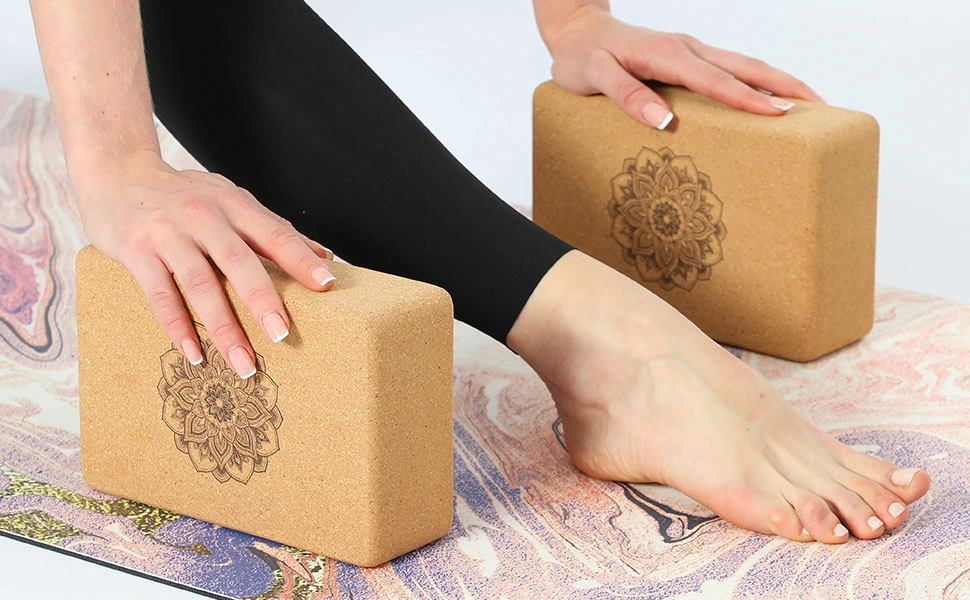
Cork yoga blocks: The perfect middle ground. The density and firmness of natural cork provide excellent support and stability, while rounded edges add extra comfort. Firmer than foam, gentler than wood—this is what "just-right" support feels like.
To put it bluntly: foam blocks are "settling," wooden blocks are "perfectionism," and cork yoga blocks are "perfectionism that doesn't compromise on you."
More Than Just "Firm Enough" — The Hidden Advantages of Cork
Cork's suitability as a yoga block material goes far beyond just having the right firmness.
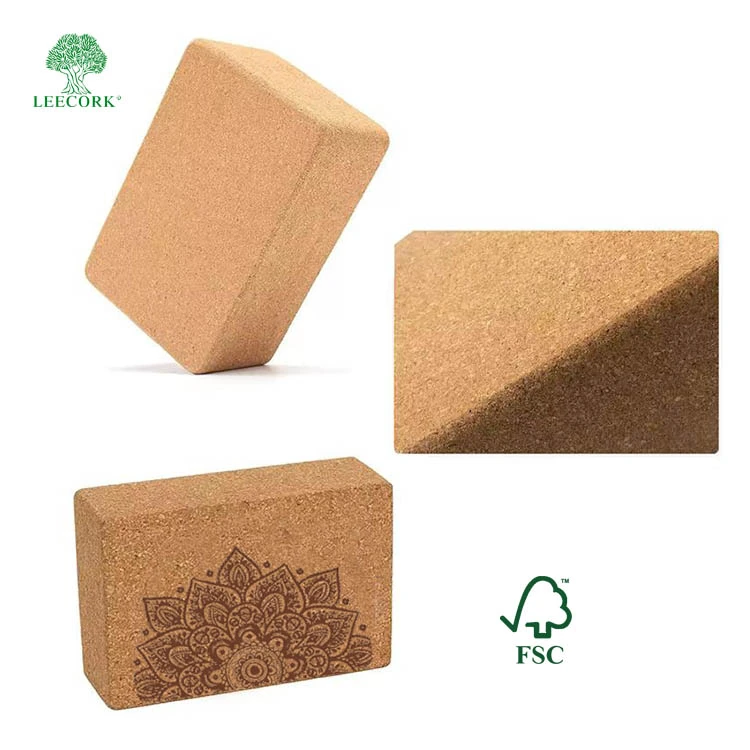
Naturally antimicrobial: Cork has natural antimicrobial properties. Even after high-sweat sessions, you don't have to worry about bacterial growth. For yoga props that come into frequent contact with your skin, this is a huge plus.
Skin-friendly and non-slip: Cork has a naturally warm, tactile surface. Even when your palms get slightly sweaty, the grip actually improves—unlike plastic or foam blocks that turn slippery the moment moisture appears.
Eco-friendly and sustainable: Cork is the bark of the cork oak tree. After harvesting, the bark regenerates—no trees are cut down. Many brands use 100% sustainable natural cork for their yoga blocks, which are also biodegradable at the end of their life. Use one block, and do a little something for the planet.
No chemical odors: Natural cork is odorless and tasteless. Unlike some foam or rubber products that reek of harsh chemicals when unpackaged—cork yoga blocks are ready to use straight out of the box, with total peace of mind.
Durable and shape-retaining: Cork Yoga Blockss are solid and long-lasting. They won't easily show dents or lose their shape like foam blocks do.
One of the biggest concerns people have when buying yoga props is: Is this thing actually safe? Is it harmful? This cork yoga blocks gives you a solid answer:
CA65 (California Proposition 65) certified — Lead and Phthalates both meet standards
EU REACH SVHC certified — Meets the EU's strict standards for Substances of Very High Concern
What do these certifications mean? It means every step—from materials to finished product—holds up to scrutiny. What you're holding in your hands isn't just an ordinary block; it's peace of mind backed by rigorous testing.
Who Is It For? — From Hot Yoga to Daily Practice, It's Got You Covered
Hot yoga: Cork's non-slip properties actually improve with sweat. The more you sweat, the better your grip—a perfect match for hot yoga.
Strength and balance practice: Cork yoga blocks are firm and stable, so they won't compress and deform during weight-bearing poses like foam blocks do. In poses like plank or arm balances, your wrists get solid protection.
Daily practice: Whether you're an office worker looking to improve your posture or an experienced practitioner aiming for more challenging asanas, a Cork Yoga Blocks will stay with you from beginner to advanced levels.
Portable: Lightweight design means it won't take up much space or add much weight in your bag. Take it to the gym, the studio, or on business trips and vacations.
The golden rule of using a cork yoga blocks is simple: wherever you can't reach, put a block; wherever you feel unstable, put a block.
Standing poses (Triangle, Half Moon): Can't reach the floor? Use a block.
Seated poses (Forward folds, Hero pose): Hips too far from the ground? Use a block.
Backbends (Bridge, Wheel): Need to elevate your pelvis? Use a block.
Restorative poses: Place it behind your back or under your head for total relaxation.
Caring for your Cork Yoga Blocks is easier than you think:
1. Daily cleaning: Wipe with a damp cloth. Occasionally use a diluted mild detergent solution.
2. Air dry naturally: Let it dry in a well-ventilated area out of direct sunlight.
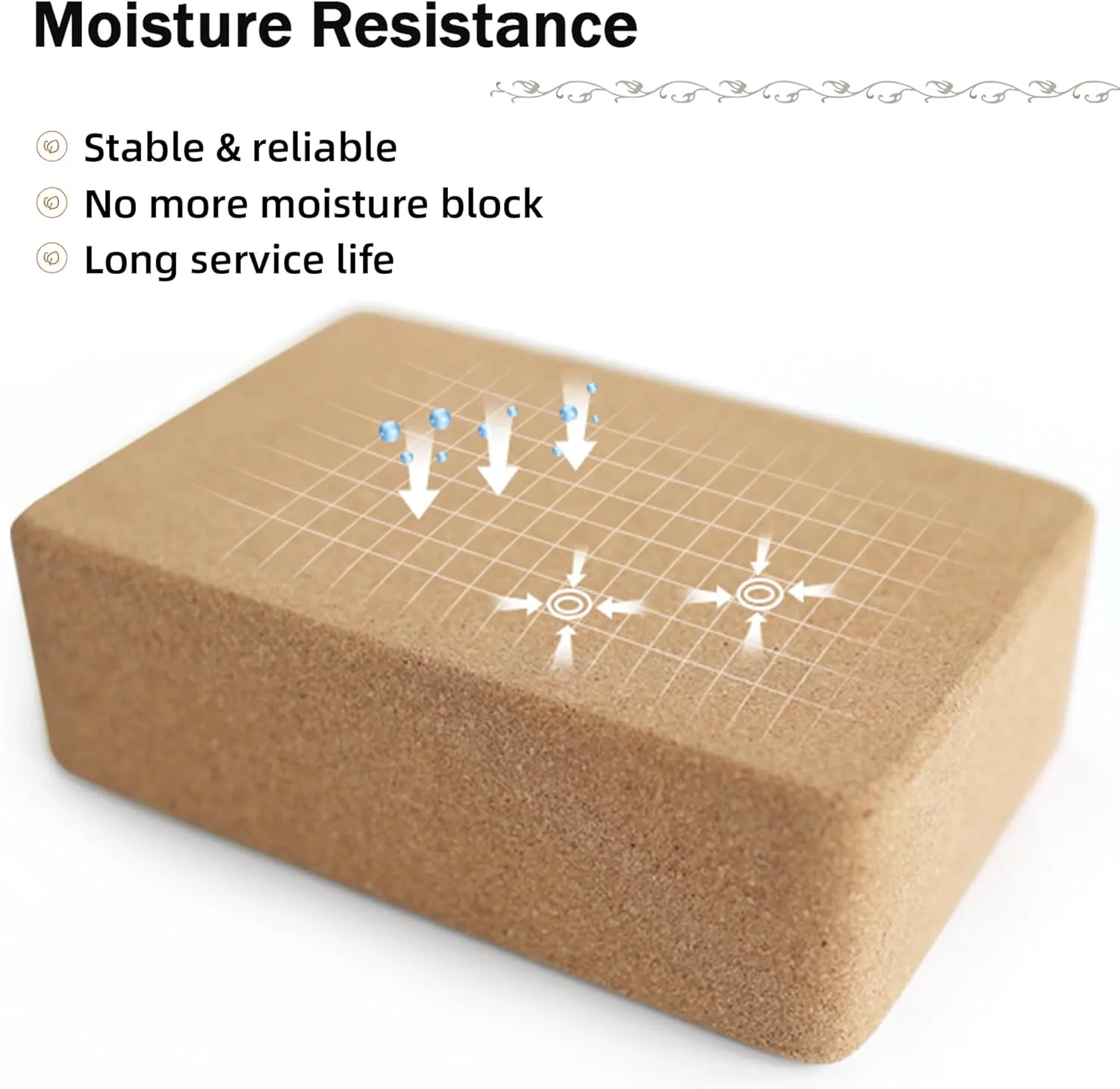
3. Don't soak: Cork is naturally porous, so avoid prolonged submersion in water.
Final Thoughts
Cork Yoga Blocks isn't some flashy high-tech gadget. It simply returns to the true essence of a prop—using just the right amount of support to help you find your body's most comfortable alignment. It doesn't need charging, doesn't take up space, isn't expensive—and yet it will stay with you from your very first yoga class to your hundredth. No warping, no aging, no compromises. Whether you're a beginner stepping onto the mat for the first time or a seasoned practitioner of many years, this little Cork Yoga Blocks deserves to be the most reliable foundation on your yoga journey.
Author
FAQ
1. Q: What is the biggest difference between cork yoga blocks and foam (EVA) yoga blocks?
A: Foam blocks are light, soft, and inexpensive, making them suitable for restorative practice, but they tend to dent, show nail marks, become slippery when sweaty, and are non-biodegradable with prolonged use. Cork blocks have a moderate firmness, offer better support, become more slip-resistant when wet, and are naturally antibacterial and sustainably renewable.
2. Q: Can this block be used for other exercises besides yoga?
A: Absolutely. It can be used for Pilates, core training, stretching and relaxation, and even rehabilitation therapy. For example, you can place it under your pelvis during supine positions, under your knees when kneeling, or between your legs in side-lying poses to engage the adductors—its uses go far beyond yoga, making it a true multi-purpose prop.
3. Q: Does this block have any odor?
A: No chemical smell at all. Natural cork is inherently odorless and tasteless.
4. Q: What are the dimensions and weight of the cork block?
A: The standard cork yoga block measures approximately 22.5 cm*15 cm*7.5 cm and weighs about 300–350 g, with a lightweight design.
5. How do I clean and maintain it? Can I wipe it with a wet wipe?
A: For daily care, simply wipe with a slightly damp cloth. Occasionally, you can gently wipe it with a diluted mild detergent, then blot dry with a dry cloth. Important: Do not soak it in water for extended periods, and do not expose it to direct sunlight. Instead, let it air-dry naturally in a well-ventilated area.

You May Like
0Related Industry Knowledge