
What Makes Great cork bark for reptiles For Bioactive Enclosure Builds? This Natural Sheet Brings Authentic Wild Vibes
Many reptile hobbyists spend hours designing their terrariums, yet struggle to find natural-looking backdrop materials. A lot of artificial background panels look polished but feel fake, often carrying chemical odors and growing mold quickly under humid conditions. If you are hunting for a safe, long-lasting substrate to recreate natural habitats, cork bark for reptiles is one premium option worth exploring.
Natural Cork Backdrop: Why Real Bark Outperforms Artificial Reptile Backgrounds
The Natural Habitat Needs of Reptiles
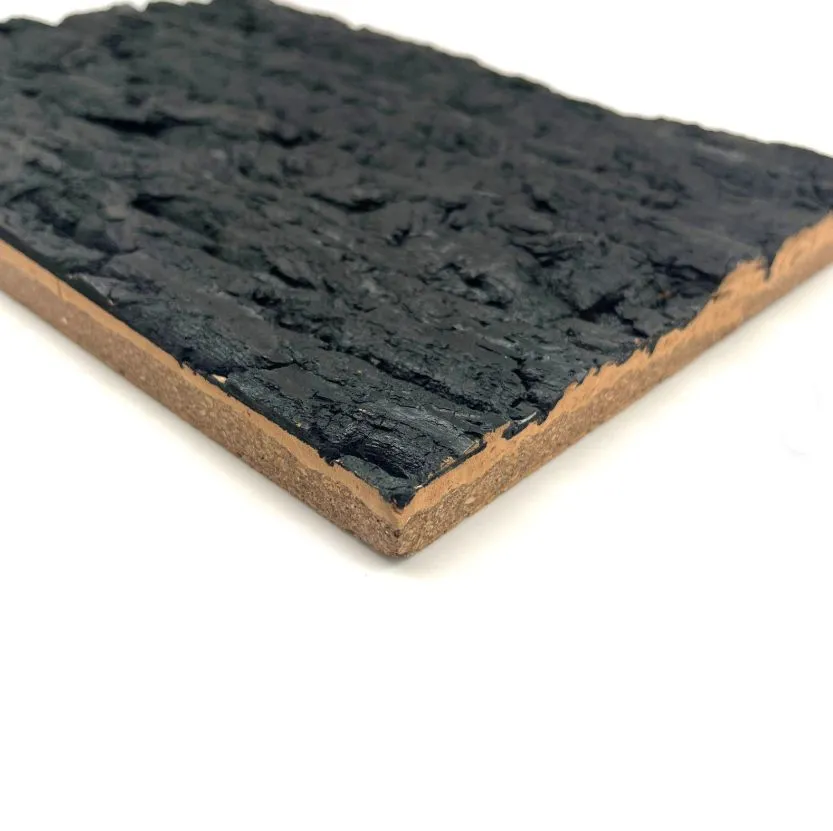
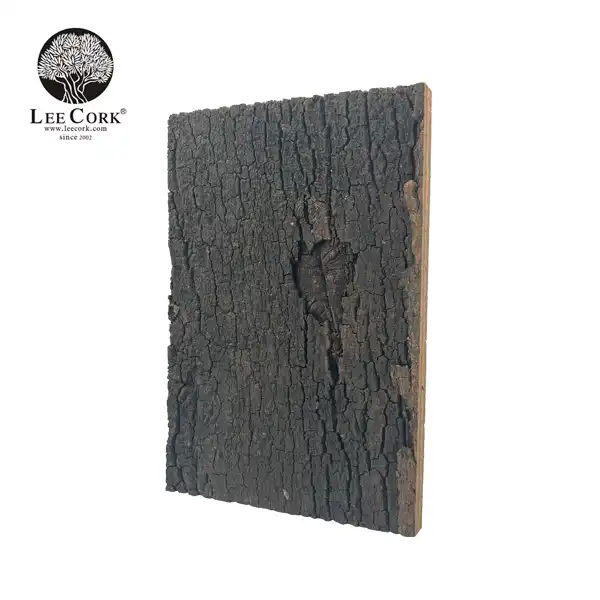
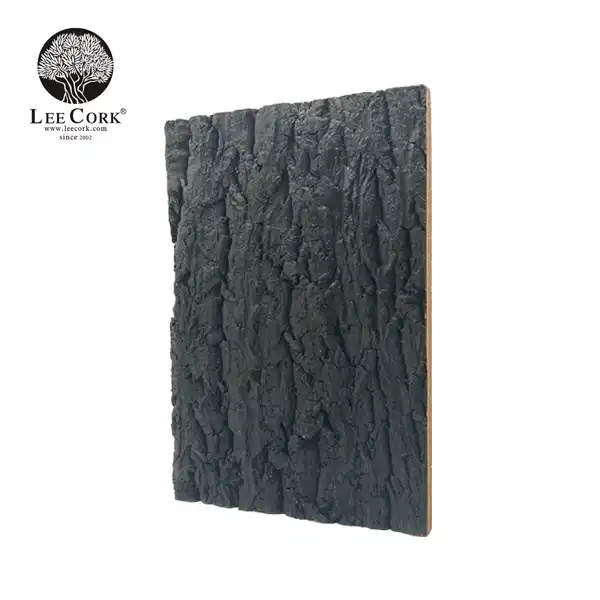
Reptiles including geckos, corn snakes, tortoises and bearded dragons rely on rough, textured surfaces in their native wild homes. Bark offers hiding spots, climbing surfaces and helps them shed skin naturally. Artificial resin or foam backgrounds use molded patterns, which feel stiff and smooth. Low-cost synthetic products may release volatile compounds, and mold grows rapidly in humid terrariums, threatening your pet’s health. Authentic cork bark retains uneven grooves, natural knots and organic texture, mirroring the wild microhabitat perfectly.

Material Comparison: The Unique Advantages of Cork Bark
Many keepers use regular tree bark for terrarium decor, but standard bark has obvious drawbacks. It contains unstable moisture, cracks and peels once fully dried, rotting fast in high humidity and attracting pests. cork bark for reptiles stands out thanks to the inherent physical properties of cork. Cork is harvested sustainably without cutting down trees; only the outer bark layer is stripped. It is lightweight, flexible and resistant to cracking and mold, far more durable than ordinary bark. The full sheet keeps continuous organic texture without fake stitched patterns. When used as terrarium backdrop, it creates visuals nearly identical to natural rock and bark walls. cork bark for reptiles also features a frequently overlooked benefit: thermal insulation. The porous cork structure stabilizes temperature and humidity inside enclosures, preventing sudden temperature swings that stress sensitive reptiles.
Practical Tips to Use cork bark for reptiles
Installation & Mounting for Terrariums
These large sheets can be cut to fit terrariums of all sizes. You can attach them to tank back walls using pet-safe aquarium adhesive. The low weight will not add heavy load to glass tanks. Edges can be sanded smoothly to eliminate sharp splinters that may injure reptiles. You can drill small caves and crevices on the panel to build multi-level hiding zones. Geckos and snakes love resting inside these natural gaps.
Daily Cleaning & Long Term Maintenance
Cork bark has porous surfaces, but properly processed cork resists standing water. Daily maintenance is simple: brush off waste and leftover food with a soft brush. Regular ventilation greatly reduces mold risk in humid setups. Unlike disposable cardboard or foam backgrounds, cork bark for reptiles is reusable. If no severe mold appears, you can clean and dry it, then transfer it to a new terrarium, lasting for multiple years.
Buying Guide: How to Pick High-Quality Reptile Cork Bark
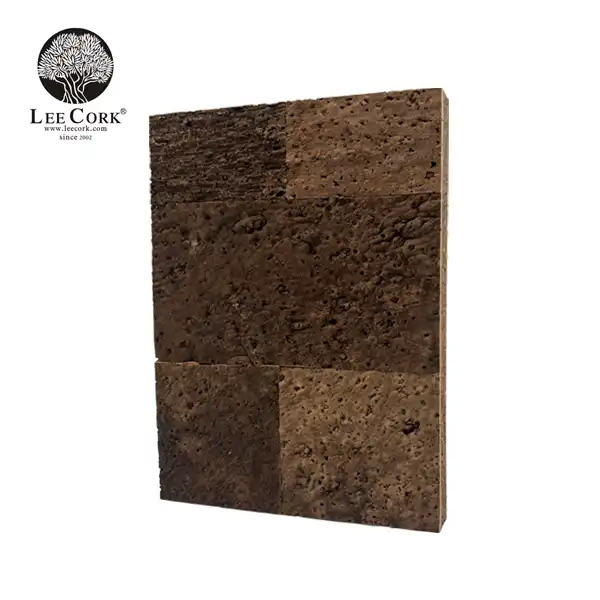
Many new reptile owners get low-grade bark sheets that split and shed particles quickly after short use. First, prioritize full solid sheets without lots of splice joints. Seams are where dirt accumulates and mold grows easily. Natural knots and uneven grooves are normal features, avoid man-made bark with repetitive identical patterns. Second, confirm the bark has gone through drying and pest removal treatment. Untreated raw bark may carry insect eggs that infest your enclosure.
References
1. Reptile Care International: Guidelines for Reptile Microhabitat and Environmental Enrichment
2. Cork Institute: Research on Physical Properties & Biosafety of Cork Material
3. Association of Reptile and Amphibian Veterinarians: Whitepaper on Environmental Contaminant Risks in Reptile Housing
Closing & CTA
If you are tired of rigid artificial terrarium backgrounds and want to build a natural bioactive home for your reptile pets, try cork bark for reptiles. It balances natural aesthetics, safety and durability, working well for both rainforest and desert-style terrariums. Head to our product page to view real photos of sheets in different sizes, get terrarium decor inspiration and build a wild-like home for your reptiles.
FAQ
Q: Will cork bark soak up water and grow mold?
A: Natural cork has water-repellent features. With proper ventilation and controlled humidity, mold risk stays low. Any bark will mold under constant standing water without airflow, so regular maintenance is needed.
Q: Can it scratch reptiles?
A: Finished panels have sanded smooth edges without sharp splinters. The textured surface is natural and harmless; it even helps reptiles with shedding.
Q: Can I use this in high-humidity rainforest terrariums?
A: Yes. cork bark for reptiles performs better in humid environments than regular bark. Pair it with good tank ventilation and inspect regularly.
Q: Can I cut the cork sheet myself?
A: Yes. Utility knives or small power saws work well to cut the sheet to match your terrarium dimensions.

Related Industry Knowledge