
How to Build a Stress-Free Natural reptile habitat? Bark Tunnels Solve Common Reptile Keeping Headaches
Many reptile hobbyists spend hundreds of dollars on thermostats, UVB lights and humidity gauges to set up their enclosures, yet overlook one critical requirement of reptiles: safe hiding spots. Reptiles are prey animals by nature. Without proper shelter, they stay under constant stress, which can lead to loss of appetite, poor shedding and weakened immunity. To create a natural, comfortable reptile natural habitat, bark tunnels are a budget-friendly landscaping item. They replicate root crevices found in the wild and offer private retreats for your reptile pets.
Why Natural Hides Are Essential for Your reptile habitat
The Wild Hiding Instinct of Reptiles
In their native homes, bearded dragons, leopard geckos, corn snakes and crested geckos spend most of their time hiding under tree bark and hollow logs. These shaded spaces help them escape predators and regulate body temperature. The enclosed bark gaps also stabilize local humidity levels, supporting healthy shedding and rest. Even with premium temperature and humidity controls, an artificial tank will never feel safe without this type of shelter in your reptile natural habitat.
Limitations of Mass-Produced Plastic & Resin Hides
Most commercial hides are made of plastic or resin. They look artificial, have poor air circulation and slippery surfaces that fail to calm nervous reptiles. Ceramic caves are heavy and easy to crack, and mold trapped inside is hard to clean. Bark tunnels overcome these drawbacks, bringing authentic wilderness texture right into your enclosure.
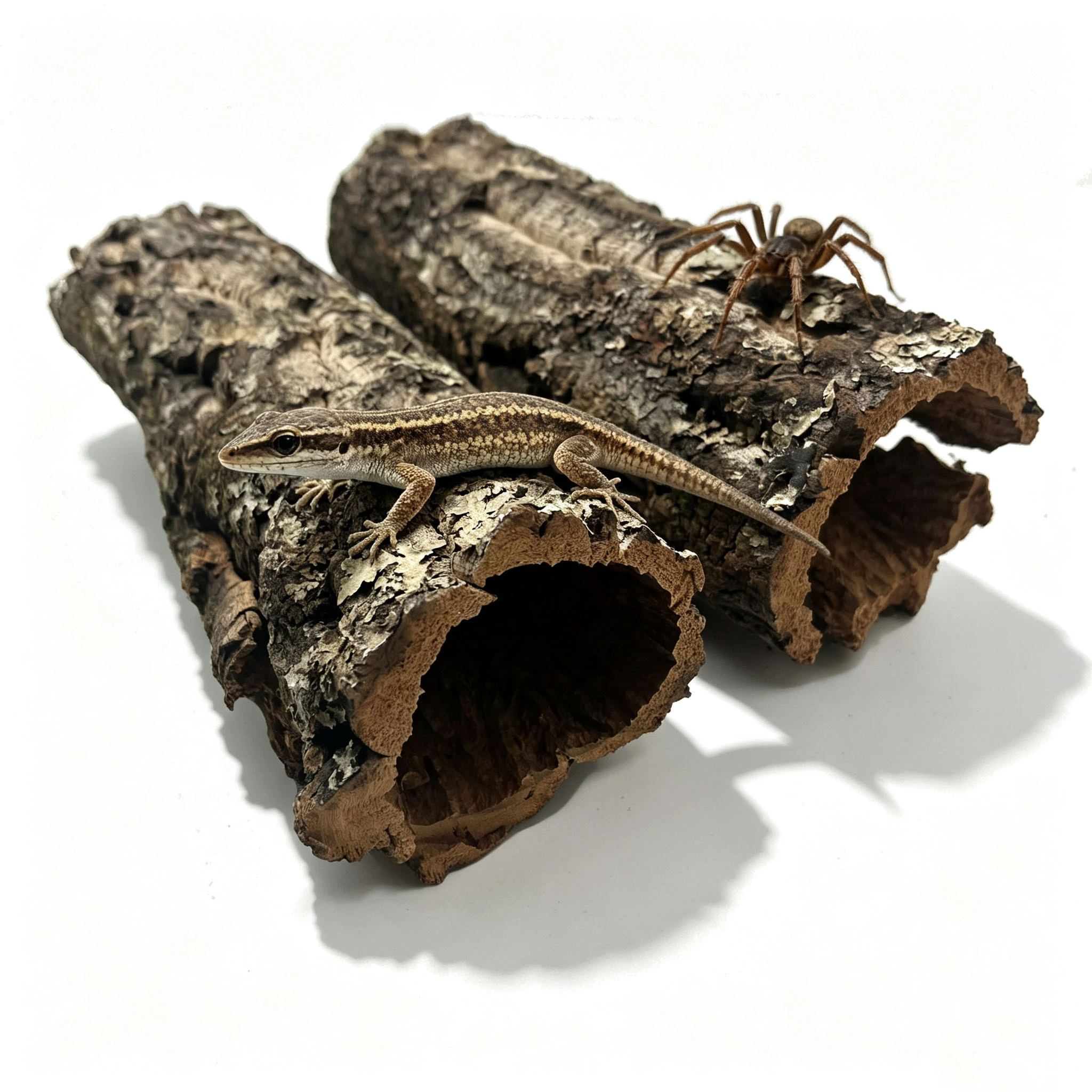
Bark Tunnels: A Unique Landscaping Choice for Your reptile habitat
Authentic Bark Exterior With Reinforced Structure
These bark tunnels retain natural bark texture on the outer layer, with reinforced inner lining. Two styles are available: half-round arched tunnels and full cylindrical tubes. The half-round version lays flat on the tank substrate as a low hideout. The cylindrical tunnel can be placed horizontally to create a through passage, allowing reptiles to enter and exit from both ends. Unlike thin, fragile raw bark that crumbles easily, this reinforced structure resists cracking and shedding debris. It withstands humid environments and works well for desert and tropical-style reptile natural habitat. The rough outer surface lets reptiles rub gently to assist shedding, so it serves more than one purpose.
Multiple Sizes for Different Reptile Species
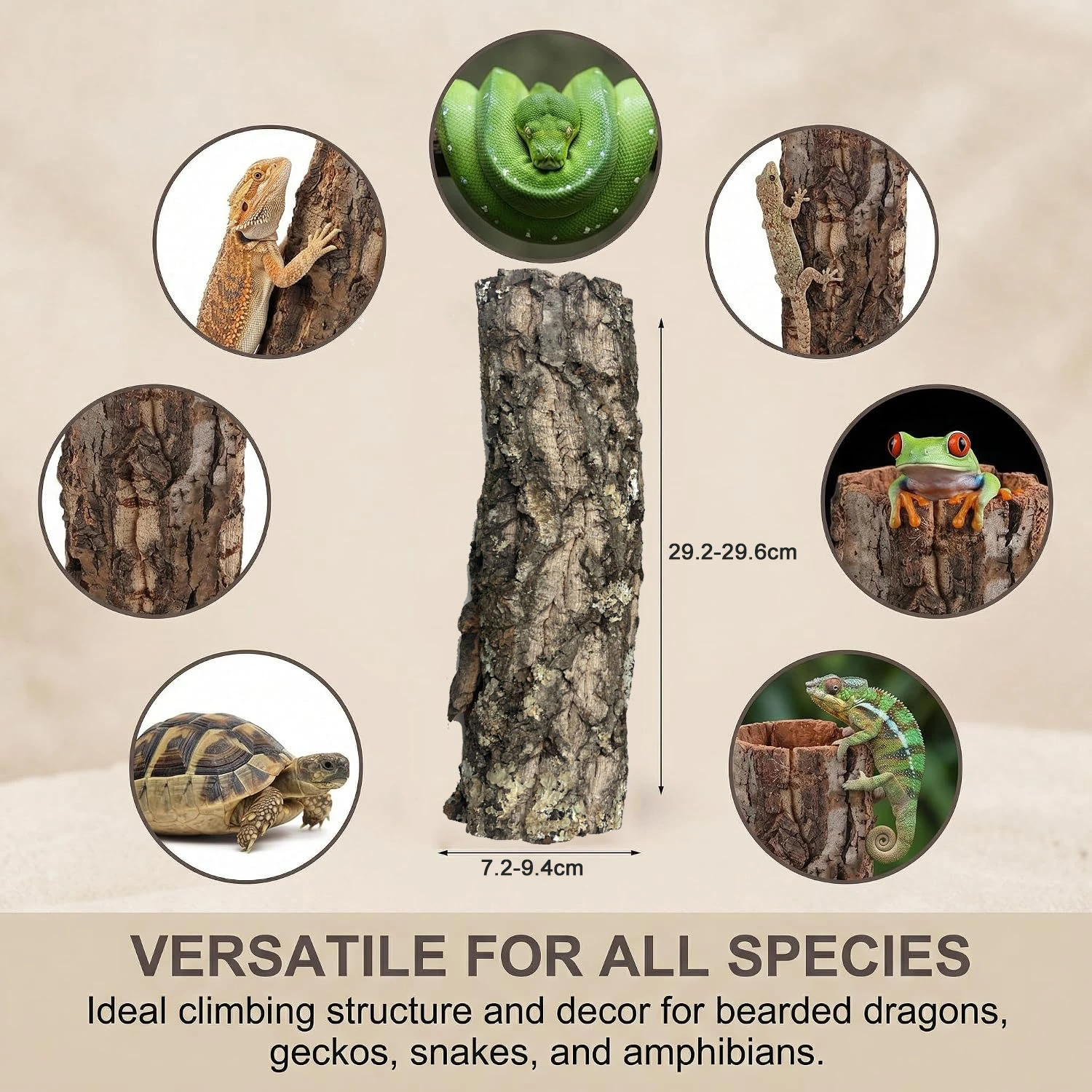
Different diameters and lengths accommodate reptiles of all sizes, from tiny dart frogs and leopard geckos to medium corn snakes, king snakes and juvenile bearded dragons. You can place several tunnels within one reptile natural habitat, creating separate hiding zones on the cool side and resting spots on the warm side. This setup allows reptiles to pick their preferred microclimate freely and manage body temperature naturally.
Non-Toxic & Pet-Safe Materials
The raw bark undergoes high-temperature sterilization and pest removal, with no chemical dyes or harmful emissions. It has better mold resistance than unprocessed bark in high-humidity setups. Cleaning is simple: rinse with clean water and air dry. There are no sharp edges to scratch reptile scales, which is a clear advantage over resin and plastic alternatives.
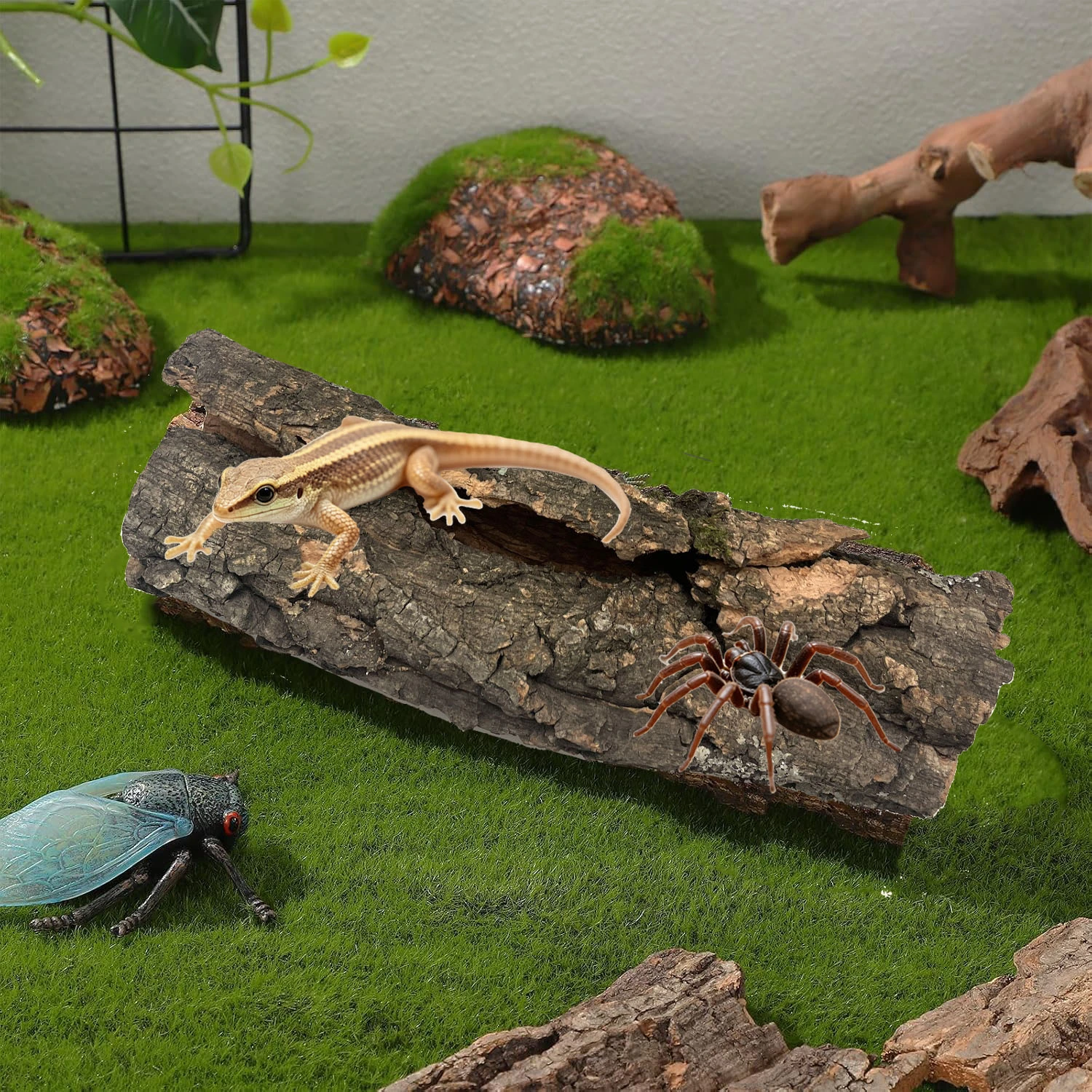
Creative Layout Ideas for Bark Tunnels in Your reptile habitat
Simple Single Tunnel Setup for Beginners
New reptile keepers can start easily: place the half-round bark tunnel on the cool zone of your tank, add substrate around it to build a quiet hideaway. This setup works perfectly for single leopard geckos or crested geckos, offering a dark resting area to reduce stress.
Multi-Tunnel Combination for Advanced Bioactive Tanks
Experienced hobbyists can combine cylindrical tunnels and half-round tunnels to build multi-level passageways. Bury part of the tunnel under substrate to mimic buried tree roots and add depth to the scene. This method greatly enriches your reptile natural habitat, encouraging exploration and natural behaviours.
Tips for Different Reptile Types
· Desert reptiles (leopard geckos, bearded dragons): Keep the tunnel dry and place it on the cool side.
· Tropical reptiles (crested geckos, dart frogs): Lightly mist the tunnel interior to maintain gentle humidity for smooth shedding.
· Snakes: Full cylindrical tunnels are recommended. The enclosed space meets snakes’ strong instinct to hide in tight, secure spaces.
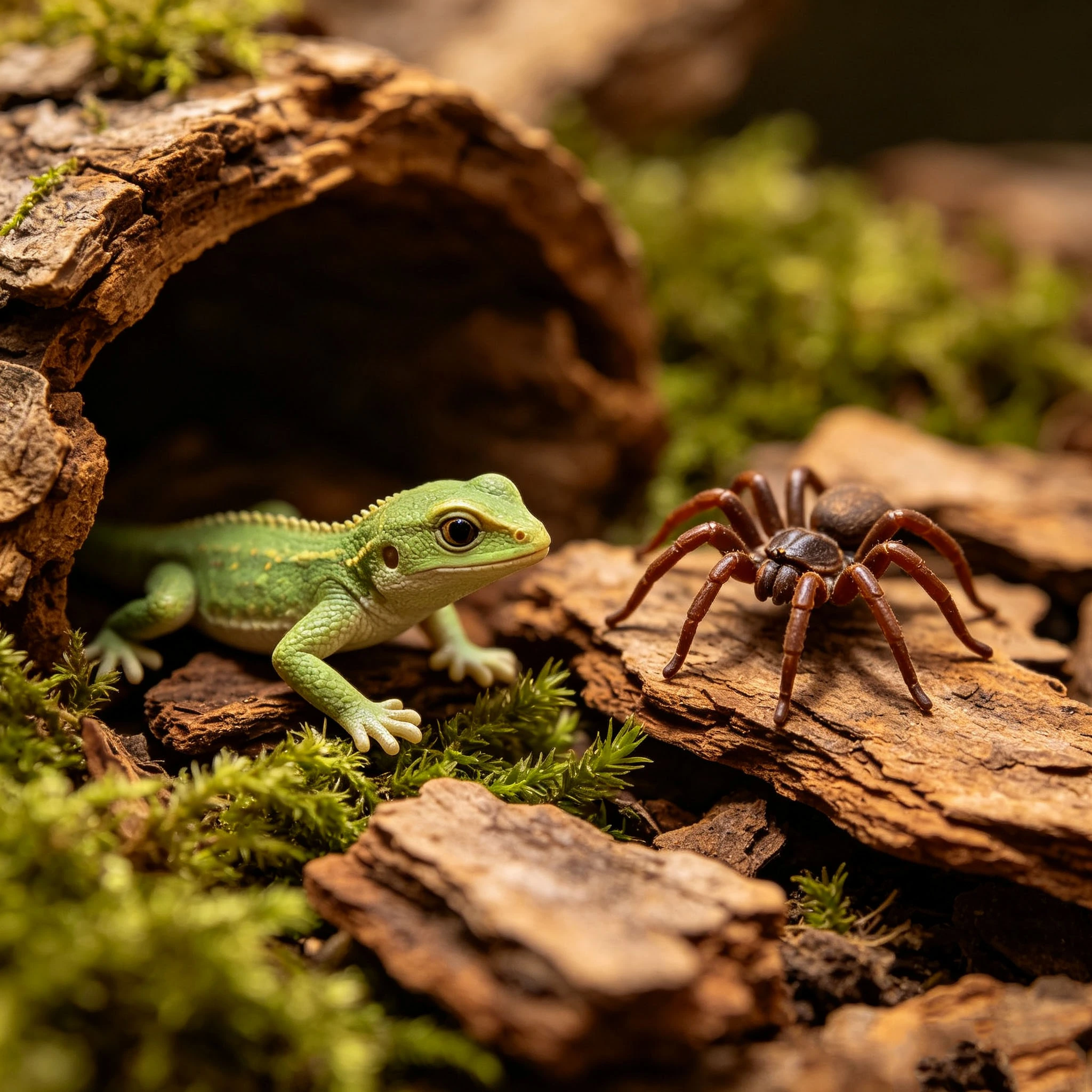
Buying & Maintenance Tips to Avoid Common Pitfalls
Always pick bark tunnels that have completed high-temperature sterilization. Unprocessed raw bark may carry insect eggs and mold spores, introducing parasites into your tank. For routine care: take out the tunnel regularly, rinse it with fresh water and air dry fully. For high-humidity enclosures, inspect the surface monthly and clean mold spots immediately. Avoid soaking it in disinfectant, as leftover chemicals can harm reptiles.
References
1. International Herpetological Society: Research Report on Reptile Habitat Enrichment and Stress Behaviour
2. Reptile Care Alliance: Guide to Building Microclimates in Reptile Enclosures
3. National Reptile Welfare Standard: Safety Material Specifications for Reptile Habitats
Q1: Will the bark tunnel grow mold? A: All natural materials can develop mold in continuously sealed high-humidity environments. This pre-treated tunnel has better anti-mold performance than raw bark. Regular ventilation and cleaning will greatly reduce mold risks.
Q2: Can I submerge it in water? A: Long-term full submersion is not recommended. It works for semi-moist setups and is not suitable for fully aquatic reptiles.
Q3: What size reptile fits inside? A: Multiple sizes are available, for small frogs, geckos and medium-sized snakes. Choose a tunnel slightly wider than your pet’s body to create that secure, snug feeling reptiles love.
Closing + CTA
If you want to build a natural, calming reptile natural habitat where your pet feels safe and relaxed, bark tunnels are an essential landscaping piece. If you are renovating your enclosure, try this reinforced bark tunnel and create a private safe retreat for your reptile. Click the link below to view all available sizes and start your natural reptile tank build.
Info@leecork.com

You May Like
0Related Industry Knowledge