
Cork Yoga Blocks: What Nobody Tells You Until You've Used Them for a Year
2026-10-10 17:27:29
Most cork yoga blocks reviews read like they were written by someone who just unboxed them. "Great grip! Eco-friendly! Love the texture!" Cool. But after 14 months of practicing with two Manduka cork blocks one that stays in my living room, one that travels in my gym bag I've got thoughts that go a little deeper than the usual talking points.
The Weight Thing Is Real
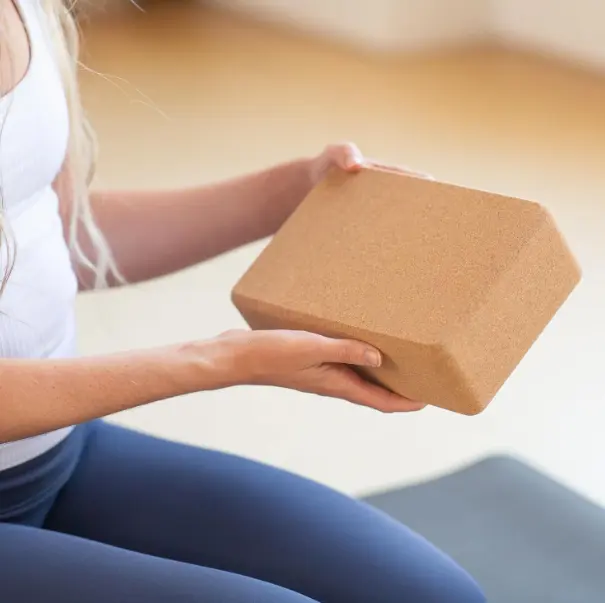
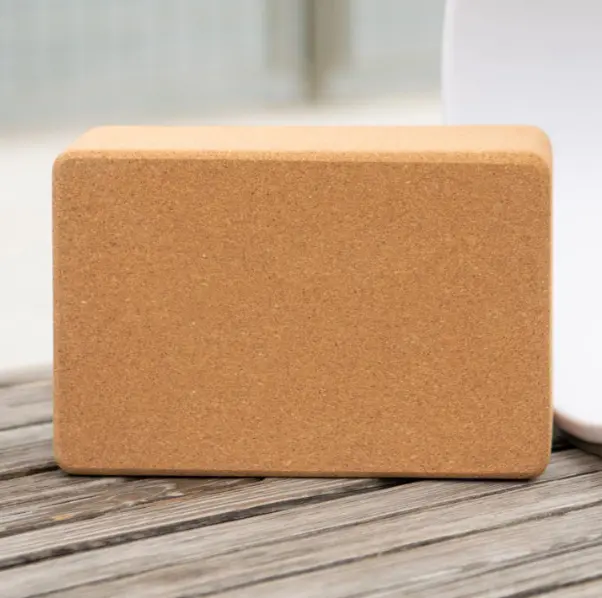
When I switched from foam to cork yoga blocks, the first thing I noticed wasn't the grip or the sustainability. It was the weight. My foam blocks practically floated off the shelf. My cork blocks roughly 2.2 pounds each announced themselves the moment I picked them up.
For about two weeks, I thought I'd made a mistake. In a fast vinyasa flow, hoisting a dense block from one side of the mat to the other felt like a small forearm workout. Then something shifted. I stopped adjusting the block mid-pose. The weight that once felt like a nuisance became the reason I trusted it completely. It stayed exactly where I put it. No sliding, no micro-adjustments, no mental negotiation. That trade-off a little extra heft for a lot less fuss turned out to be the single biggest upgrade to my home practice.
The "Too Hard" Complaint Is Legit Here's the Fix
Scroll through enough reviews and you'll find a common gripe: cork yoga blocks are firmer than foam, and some people find them uncomfortable under bony areas like the sacrum or the sit bones. That's true. If you're used to sinking into a soft foam block during restorative poses, cork feels like lying on a firm mattress after years of memory foam.
My fix was embarrassingly simple: I folded a thin blanket over the block for supported bridge and reclined hero poses. The stability underneath stayed the same; the surface just got a little kinder. A few months in, I stopped needing the blanket entirely. My body adapted to the firmness the way it adapts to any prop gradually, then completely.
Beyond the Mat: Three Unexpected Uses
The yoga world loves to talk about using blocks for triangle pose and half pigeon. Fair enough. But here are three ways I actually use my cork yoga blocks that rarely make the list:
A backbend ramp. Lying with a block under my thoracic spine not my lower back creates a gentle, supported backbend that opens the chest without cranking the lumbar spine. I started with the block on its lowest setting and worked up over months. It's become my go-to after long hours at a desk.
A wrist wedge for plank. Cork wedge blocks (the triangular ones) are specifically designed to reduce wrist extension in weight-bearing poses like plank and downward dog. I didn't buy mine for that purpose, but once I tried it, my wrists stopped complaining after every chaturanga-heavy class.
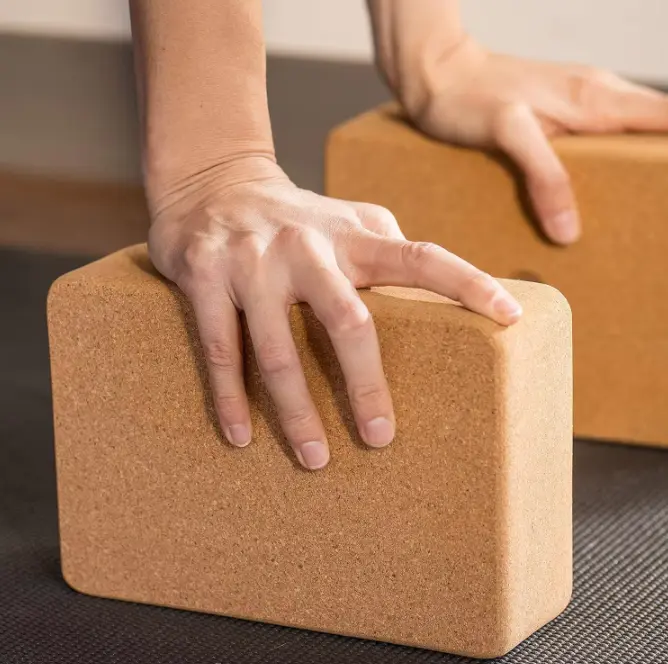
A heat-proof grip in hot yoga. This one surprised me. Cork actually grips *better* when your palms are slightly damp the opposite of foam, which gets slippery the moment sweat enters the picture. During a 90-minute hot class last summer, my hands stayed planted while the person next to me kept readjusting her foam block. That single session converted me from "cork is nice" to "cork is necessary."
A Quick Note on the Portugal Thing
You've probably read that cork yoga blocks come from Portugal. What you might not know is that the cork oak bark is harvested by hand roughly every nine years, and the tree isn't cut down the bark regrows. Some manufacturers, like Rituil, use a fire-and-steam process that binds cork's natural adhesives without synthetic glue, which gives their blocks a subtle smoky scent that fades over time. It's a small detail, but it's the kind of thing you notice when you're holding the block and wondering why it smells faintly like a campfire for the first week.
Final Thoughts
Cork yoga blocks aren't perfect. They're heavier than foam, firmer than some people prefer, and they'll develop character marks over time. But after a year of use, the things I once saw as drawbacks are the reasons I keep reaching for them. The weight became trust. The firmness became reliability. And the small imperfections the sweat spots, the faint smoky smell that first month became reminders that this is a natural material doing exactly what it's supposed to do.
FAQ
1. Do cork yoga blocks break down over time?
They can shed small crumbs with heavy use, especially if you scrub them aggressively or drop them on hard floors. Mine have a few dark spots from sweaty sessions, but the structure is intact after over a year of near-daily use. A gentle wipe with a damp cloth and mild soap is all they need.
2. Are they too heavy to carry to class?
Two blocks add roughly 4.5 pounds to your bag. If you walk or bike to class, that matters. I keep one block at home and one in my car, which solves the problem without sacrificing grip quality.
3. Cork or wood what's the actual difference?
Wood blocks are heavier and completely unforgiving no give at all. Cork has a tiny bit of compressibility, which protects your wrists and joints during weight-bearing poses while still feeling solid. Unless you're doing strict Iyengar-style work, cork is the more comfortable middle ground.
4. How do I deal with the initial smell?
Some cork blocks arrive with a musty or smoky odor. It usually fades within a week or two of regular use. If it bothers you, wipe the block with a diluted vinegar solution and let it air dry completely before storing.
5. Can I use cork yoga blocks for Pilates and stretching?
Absolutely. I use mine for calf stretches, hamstring lengthening, and even as a low step for mobility drills. The density that makes them great for yoga also makes them versatile for any floor-based movement practice.
Author


Related Industry Knowledge