The Best Cork Yoga Mat: Your Ultimate Guide to Choosing a Sustainable, Non-Slip Mat in 2026
If you've ever slid around on a sweat-soaked PVC mat during a hot vinyasa class, you already know the pain. Enter the cork yoga mat—a game-changer that has quietly become a favorite among eco-conscious yogis who refuse to compromise on performance. In this guide, we'll break down why the best cork yoga mat is worth the investment, how it compares to other materials, and what to look for before you buy.
Why the Best Cork Yoga Mat Beats Traditional Options
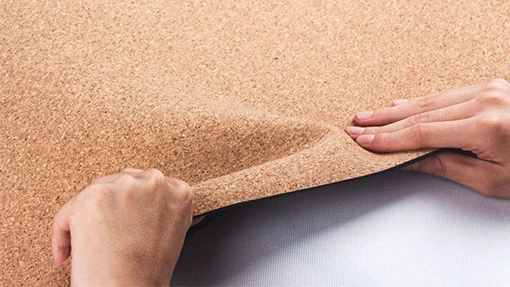
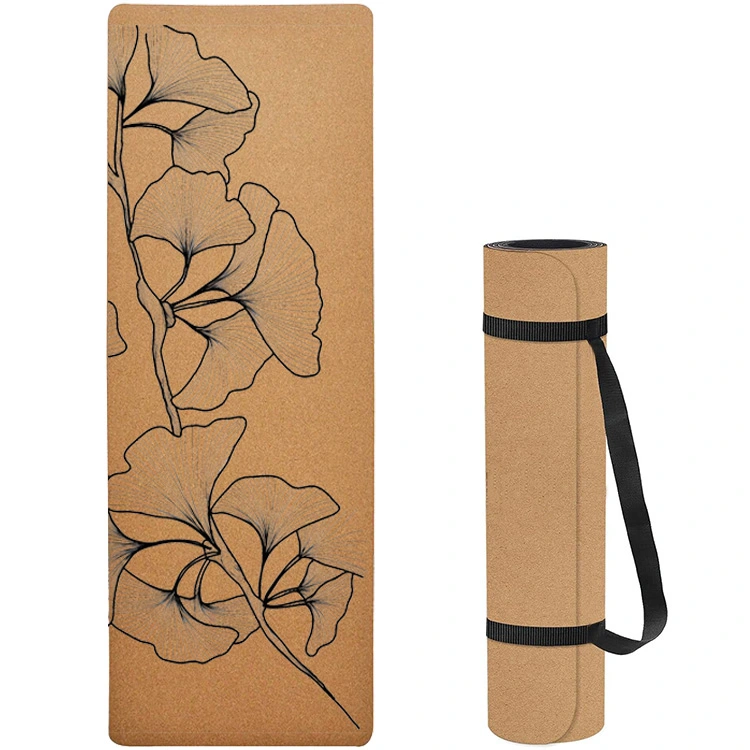
The magic of a cork yoga mat lies in its unique construction. Most cork mats combine a thin layer of cork (typically 1.5–3 mm) on top with a natural rubber or TPE base. This layered design delivers a property synthetic mats can't replicate: the surface actually gets grippier as you sweat.
The secret is a natural waxy substance called suberin, found in cork's cell walls. When moisture hits the surface, suberin rises and enhances traction. For hot yoga enthusiasts, this is nothing short of revolutionary. No more towel-fiddling gymnastics during downward dog.
Beyond grip, cork is naturally antimicrobial, resisting bacteria, mold, and odors without any chemical treatments. That means your mat stays fresher longer—and you spend less time worrying about hygiene.
Cork vs. Other Materials: A Quick Comparison
Understanding where cork fits in the broader yoga mat landscape helps clarify why it often earns the title of best cork yoga mat in its category.
Cork + Rubber: Offers the best balance of grip, hygiene, and sustainability. High wet grip, solid dry grip, and a compelling eco-story.
PU + Rubber: Delivers the strongest all-around grip for very sweaty hot classes, but comes with a higher environmental cost.
TPE: Lightweight and budget-friendly, but grip becomes unreliable once sweat starts to build up.
Natural Rubber (without cork): Excellent grip and cushioning, but heavier and more sensitive to cleaning habits.
What sets the best cork yoga mat apart is that it satisfies multiple criteria at once: sustainability, antimicrobial properties, and sweat-activated grip. Few materials can do all three.
What to Look for When Choosing the Best Cork Yoga Mat
Not all cork mats are created equal. Here's what separates the excellent from the mediocre.
The Base Matters More Than You Think
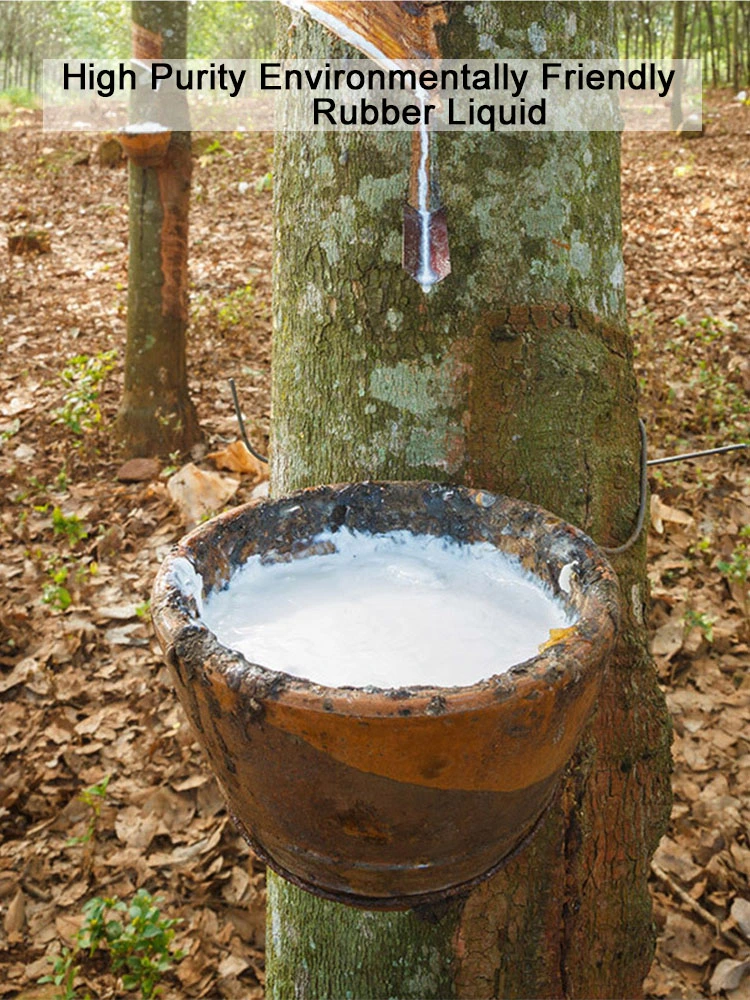
The cork top gets all the attention, but the base determines cushioning, weight, and stability. A natural rubber base adds substantial weight and reliable floor grip, making the mat feel more premium and secure during intense flows. The trade-off is portability—rubber-backed cork mats typically weigh 2.2–2.8 kg, noticeably heavier than standard PVC options.
If you commute or travel frequently, a TPE base may be more practical, though it can feel less stable on smooth surfaces.
Thickness and Cushioning
Cork mats generally range from 3 mm to 6 mm thick. Thinner mats feel stable and connected underfoot but may lack support for kneeling poses or longer floor sequences. Thicker options (5–6 mm) provide joint-friendly cushioning, though they can feel slightly less grounded in standing balance poses. For most practitioners, 4–5 mm hits the sweet spot.
The Break-In Period
Be prepared: many cork mats need a break-in period before they perform at their best. Like a new pair of hiking boots, the surface softens and becomes more responsive with regular use. If you're switching from a synthetic mat, give yourself a few sessions to adjust.
How to Choose the Best Cork Yoga Mat for Your Practice
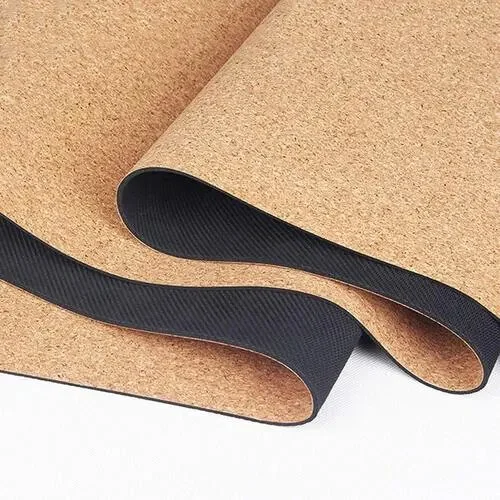
Instead of chasing a single brand, focus on matching the mat to your practice. The best cork yoga mat for hot yoga and sweaty flows usually pairs a 3–5 mm cork surface with a natural rubber base. This combination delivers sweat-activated grip, stable grounding, and natural antimicrobial freshness. If you travel often, a lighter TPE-backed cork mat is easier to carry, though it may feel less secure on smooth studio floors. For restorative, yin, or knee-sensitive sessions, choose a 5–6 mm option for more cushioning. Also check that the cork is sustainably harvested and the adhesive is non-toxic. Expect a short break-in period: most cork mats become grippier after a few uses. Finally, read the return policy, because grip and cushioning are personal. The best cork yoga mat is the one that keeps you stable, comfortable, and focused on your breath—not on sliding around.
Caring for Your Cork Yoga Mat
Cork is low-maintenance, but not indestructible. To keep your mat performing at its best:
Wipe the surface with a damp cloth after each practice. Avoid soaking the mat or using harsh chemicals, alcohol, or essential oils.
For a deeper clean, a diluted white vinegar solution (4:1 water to vinegar) works well.
Always air-dry flat, away from direct sunlight, before rolling up. Roll with the cork side facing out to prevent cracking.
Avoid rolling too tightly—cork can crack under excessive compression.
Final Thoughts
The best cork yoga mat isn't just a trendy eco-accessory—it's a performance tool that rewards you the more you sweat. With natural antimicrobial properties, excellent wet grip, and a renewable materials story that's hard to beat, cork mats have earned their place in the modern yogi's toolkit. Yes, they're heavier. Yes, they cost more upfront. But for practitioners who value hygiene, sustainability, and grip that improves with every drop of effort, cork delivers in ways synthetic mats simply can't.
If you're ready to make the switch, start with a 4–5 mm cork mat from a reputable brand, commit to the break-in period, and give it the simple care it deserves. Your practice—and the planet—will thank you.
Author
FAQ
Q1: Who is a cork yoga mat suitable for?
A: It's suitable for people who value eco-friendliness, hygiene, and slip resistance—especially hot yoga and vinyasa practitioners and those who sweat easily.
Q2: Is a cork yoga mat non-slip when dry?
A: Dry grip is solid, but wet grip is where it really shines—the surface becomes tackier and more non-slip once you start sweating.
Q3: How much heavier is a cork yoga mat than a regular PVC mat?
A: Rubber-backed cork mats typically weigh 2.2–2.8 kg, noticeably heavier than standard PVC mats, with less portability.
Q4: Will a cork mat grow mold or smell?
A: Cork is naturally antimicrobial and mold-resistant. With normal ventilation, drying, and cleaning, it's unlikely to grow mold or develop odors.
Q5: Can I clean a cork mat with essential oils?
A: Not recommended. Alcohol, essential oils, and strong chemicals can damage cork. A damp cloth or diluted white vinegar solution is best.

You May Like
0Related Industry Knowledge