
Recycled Cork and Rubber Sheet – Does It Actually Perform?
2026-09-17 11:14:51
A while back I was helping a friend soundproof his studio. He was on a tight budget and asked me to find something affordable. I looked around and ended up going with cork and rubber sheet. When it arrived, the first thing he said was, "This is made from recycled stuff? Looks just like the new material."
Honestly, I had my doubts too. "Recycled" usually makes people think cheap and not great. But after using it, I realized it's nowhere near as bad as people assume. In some ways, it actually surprised me.
Recycled rubber plus cork – it's not just thrown together
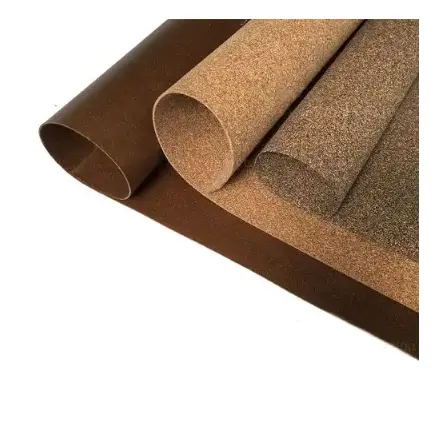
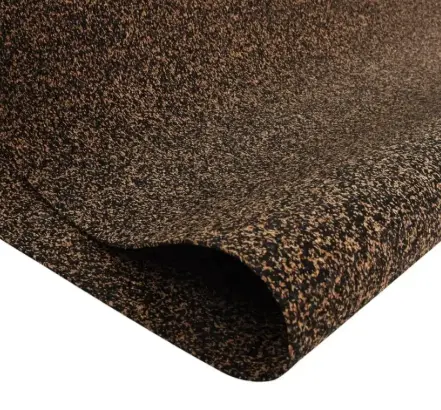
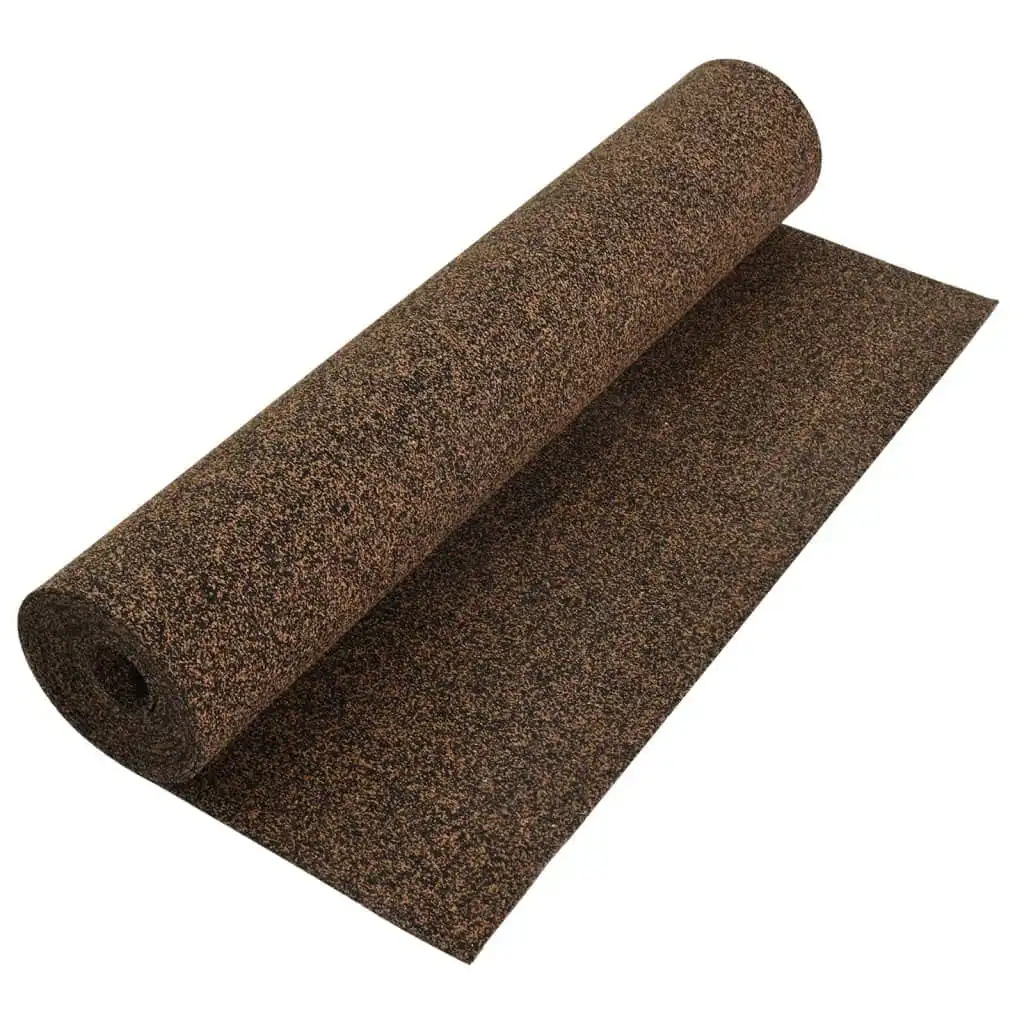
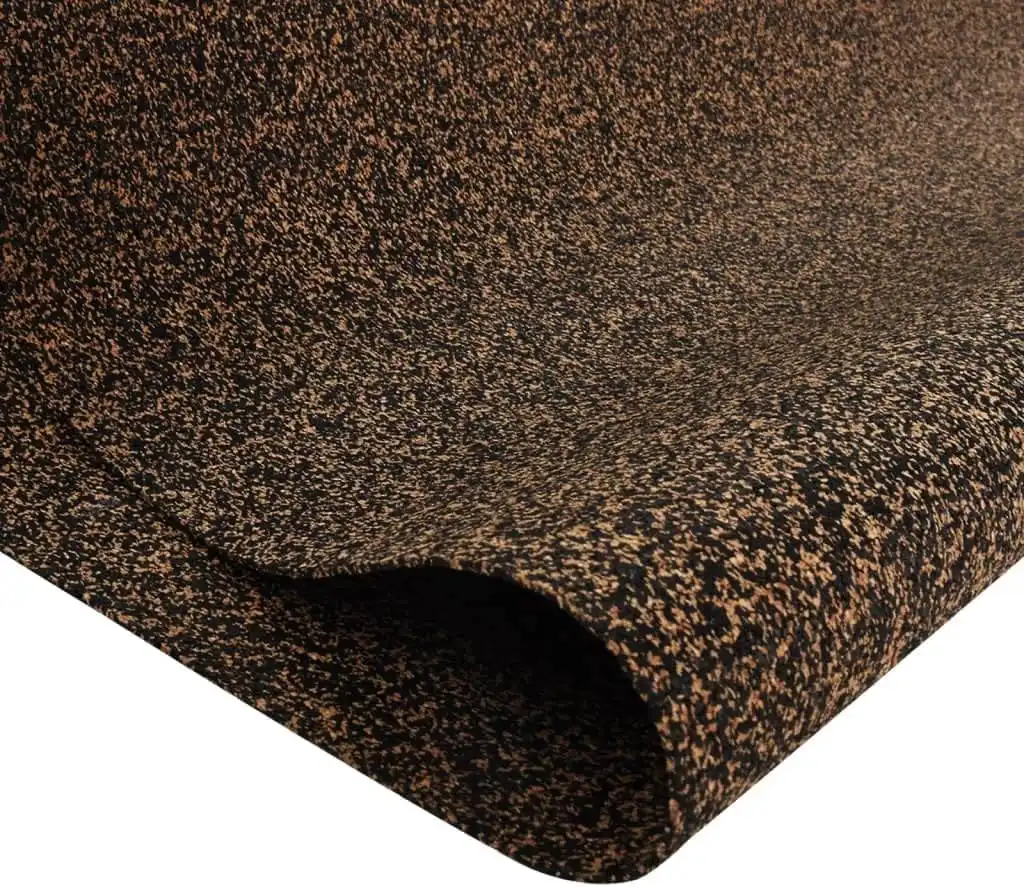
This cork and rubber sheet is made from recycled rubber granules mixed with cork granules, bonded with nitrile rubber. The cork and rubber particles are blended together and pressed into sheets. It's a pretty simple process, which is part of why the cost stays low.
The recycled rubber gives it elasticity and wear resistance. The cork gives it dimensional stability and some insulation. Mixed together, the sheet has the toughness of rubber without the downsides – like getting stiff over time or being too sensitive to temperature. It also holds its shape better than pure rubber, which tends to sag or deform under constant load.
One thing I noticed right away – it doesn't have that rubbery smell some recycled rubber products have. That alone made it easier to work with.
Medium elasticity – more important than you'd think
I've used pure rubber pads before. Plenty of bounce, but too soft – leave something heavy on them long enough and they take a permanent set. I've also used pure cork sheets. Stable, but zero rebound – too much pressure and they crack.
This cork and rubber sheet has a "medium-firm" feel. You can feel resistance when you press down, but it springs back most of the way when you let go. Doesn't just flatten out like rubber. For gaskets and vibration damping, that's about right.
It also doesn't deform sideways. Some materials squish outwards under pressure, which messes up the seal or the fit. This stuff stays put. You can compress it and it stays within its footprint.
Oil, water, aging – handles the daily stuff fine
Mixing rubber with cork makes it way more resistant to oil and water than pure cork. I soaked a small piece in motor oil for two days. Wiped it off – no swelling, no softening. Same with water. Doesn't absorb anything.
Aging is hard to judge short-term, but the rubber component has anti-aging additives, so it should hold up better than natural rubber. Outdoors, it'll definitely last longer than plain rubber. I left a piece outside for a week – direct sun, some rain – and it didn't crack or fade noticeably.
Size options are flexible, cutting is easy
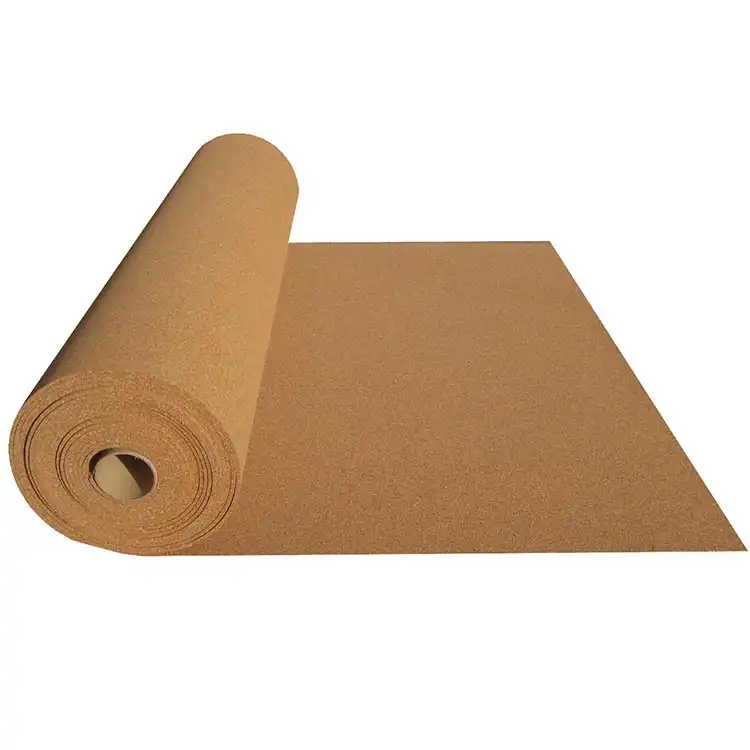
Standard sizes are 1000x1000mm and 930x630mm. Thickness from 1mm to 10mm. Thick sheets work as base pads. Thin ones can be cut into gaskets, seals, or anti-slip strips.
Cutting is easy – a utility knife goes right through. Doesn't need a saw like hard board. Edges clean up nice. Custom sizes are available too, which is great for small-batch work. If you need circles, strips, or odd shapes, they can do that as well.
Cost – that's where it really shines
The biggest advantage of recycled material is cost. Way cheaper than virgin rubber cork sheet, but the performance gap isn't huge. For stuff that doesn't need extreme specs – equipment base pads, shelf liners, sound dampening, anti-slip, packaging cushioning – it's more than enough.
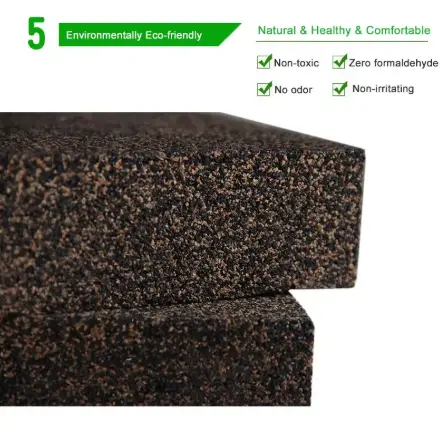
My friend ended up using it under his workbench and a few equipment bases. He was happy. Said it's "hard to mess up" – wipe it clean when dirty, replace a piece if it wears out, no big deal.
He also used some scraps as drawer liners in his toolbox. Said it keeps his tools from sliding around when he opens the drawer. That wasn't even the original plan, but it worked.
Wrapping up
Honestly, I didn't expect much from a recycled cork and rubber sheet. Figured cheap would be cheap. But after using it, the basics – elasticity, wear resistance, oil and water resistance – all hold up. Works fine for everyday industrial use, and the cost is low. If you're looking for a budget-friendly padding material, give this a shot.
FAQs
Q1: Is recycled cork and rubber sheet much worse than virgin material?
Depends on the application. For high-spec sealing, virgin is more reliable. For general gaskets, anti-slip, sound dampening, or cushioning, recycled performs just fine and costs less.
Q2: Can it be used outdoors?
Yeah. The rubber has anti-aging additives, so it weathers better than natural rubber. For long-term sun exposure, go with black or dark colors – lighter ones fade over time.
Q3: How do I pick the thickness?
1-3mm for gaskets and anti-slip strips. 3-5mm for equipment base pads and sound dampening. 5-10mm for heavy equipment vibration pads or shelf liners. Depends on load and how much compression you need.
Author Bio: Rue, Sales Representative at Leecork, Housewares & Furnishings Group. For product inquiries, feel free to email info@leecork.com.

Related Industry Knowledge