
Why Do Cats Ignore Fancy Cat Doll Toys?
You've been there. You bring home a toy that lights up, chirps, and scoots across the floor on its own. Your cat watches it for thirty seconds, then walks away to bat a bottle cap under the fridge.
I've lost count of how many times I've seen this happen. And after years of watching cats reject one "must-have" gadget after another, a pattern started to emerge: the toys cats actually stick with tend to be simpler, quieter, and much closer to what actual prey feels like in their paws.
That's what pulled me into the world of cat doll toys—specifically the ones made from cork. No batteries. No flashing LEDs. Honestly, kind of plain-looking. And yet, the cats I've tested them with respond differently. Let me explain why.
What Does a Cat Actually Want From a Toy?
Hunting Instinct Beats Fancy Features
Cats are built to hunt. What they need from a toy is something that mimics prey behavior: light, bouncy, unpredictable, grabbable, kickable. Battery-powered toys look impressive to us, but their movement is repetitive. Cats figure out the pattern fast, and once they've solved it, the toy is dead to them.
A cork ball wins here for a simple reason. It's light. When a cat swats it, it takes off in a direction neither of you expected. That unpredictability is the whole point—it's what keeps the hunting simulation alive.
Material Matters More Than Shape
There are plenty of toys shaped like mice and birds. Cute on a shelf. But cats don't care about shape. They care about texture and how it feels when they bite and grab.
I've noticed cork showing up more and more in cat toys, and it makes sense. Cork has a honeycomb-like cellular structure—millions of tiny air-filled pockets packed together. That gives it a springy, grippy quality. Claws sink in just enough. Teeth meet resistance without getting hurt.
Just as important: natural cork contains no formaldehyde and passes safety testing, so you don't have to worry when your cat licks and chews it.
What Makes Cork Cat Dolls Different
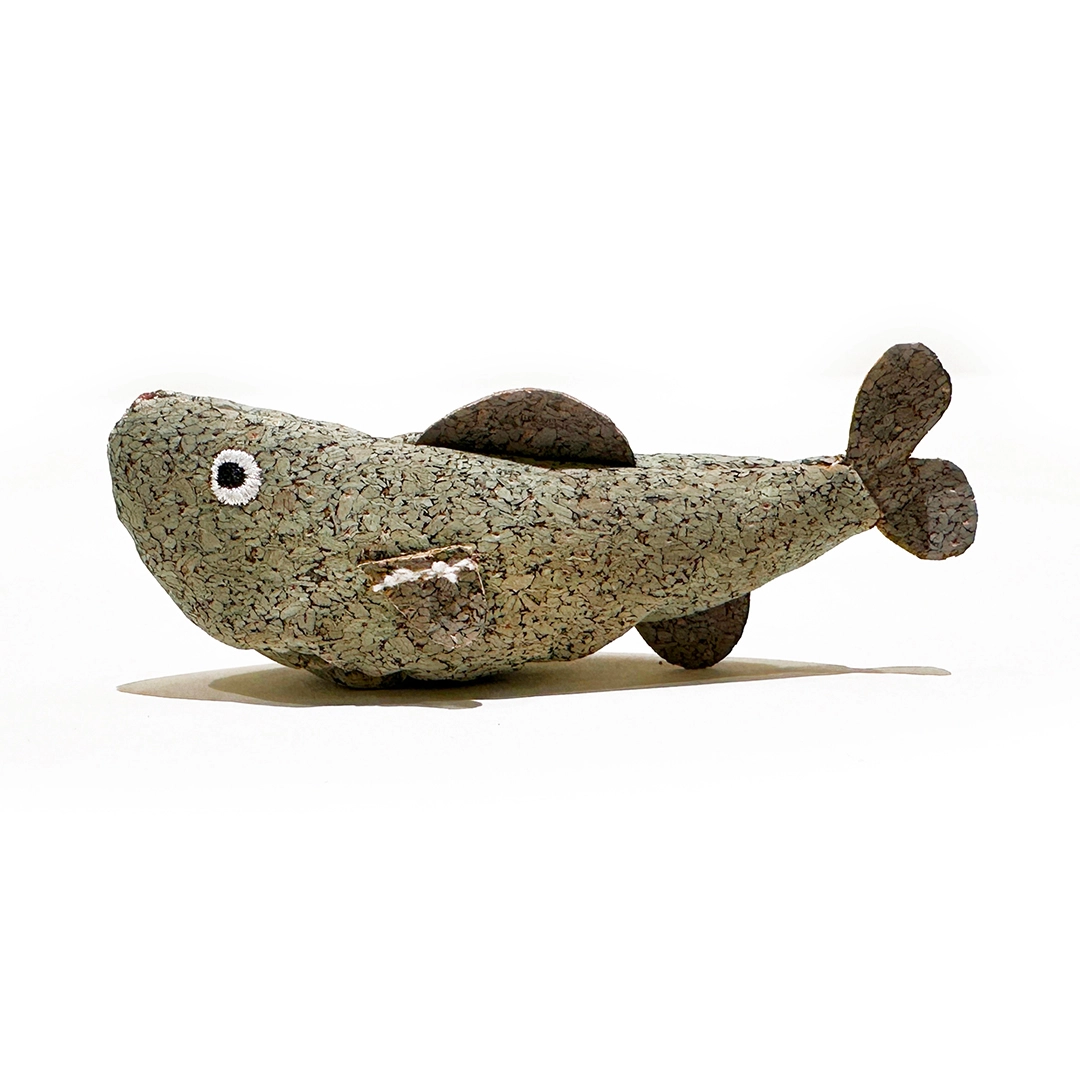
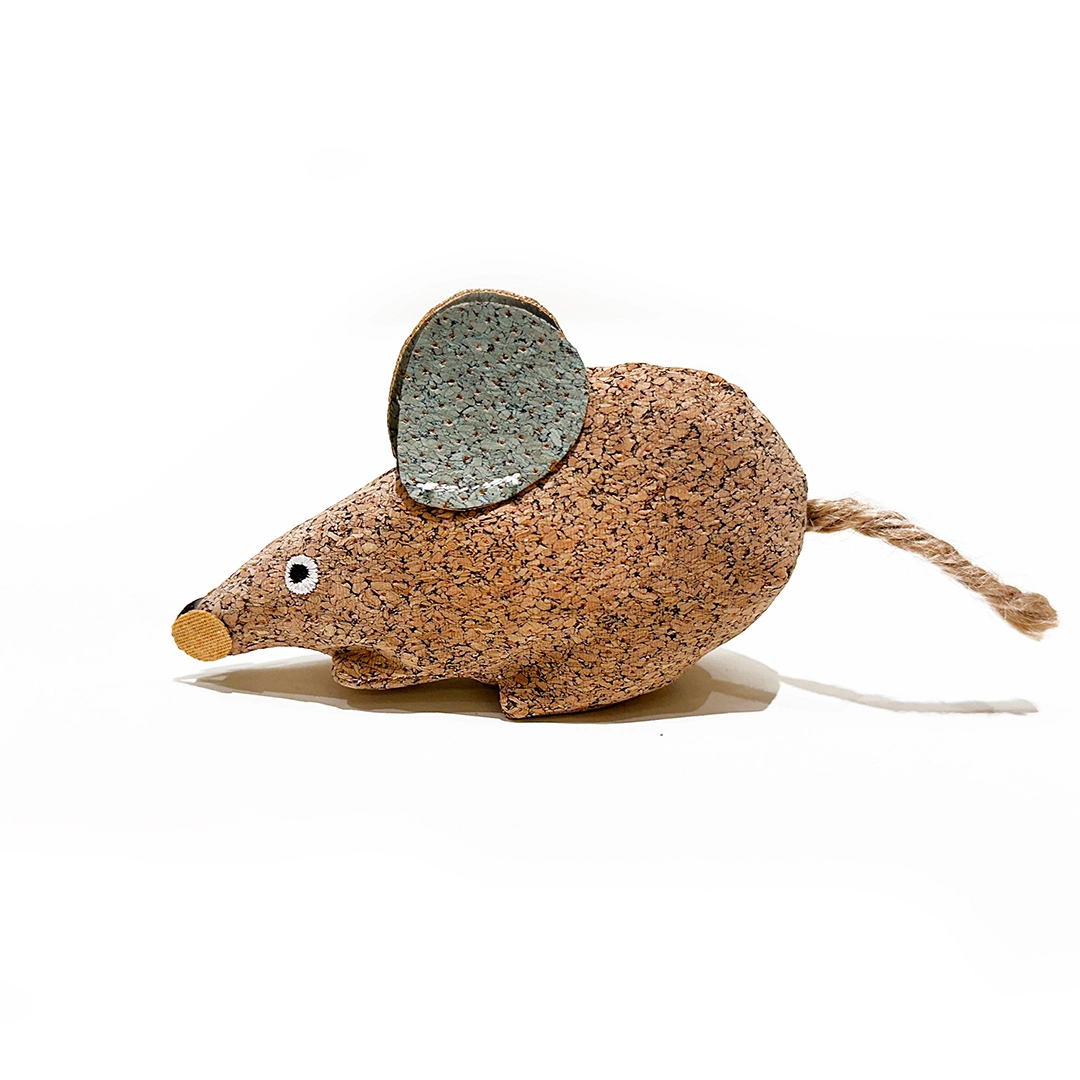
I tried one of these cork dolls recently. The build is simple: cork material, hand-stitched, filled with high-quality PP cotton.
Hang It or Throw It
Another practical design point: these dolls can be hung. Tie one to a string and you can simulate prey flying through the air. Cats that love jumping and snatching go wild for this.
When it's not hanging, it's just a ball rolling across the floor. Your cat chases it on its own. You don't have to be the entertainment committee every single evening.
Multiple Styles for Different Life Stages
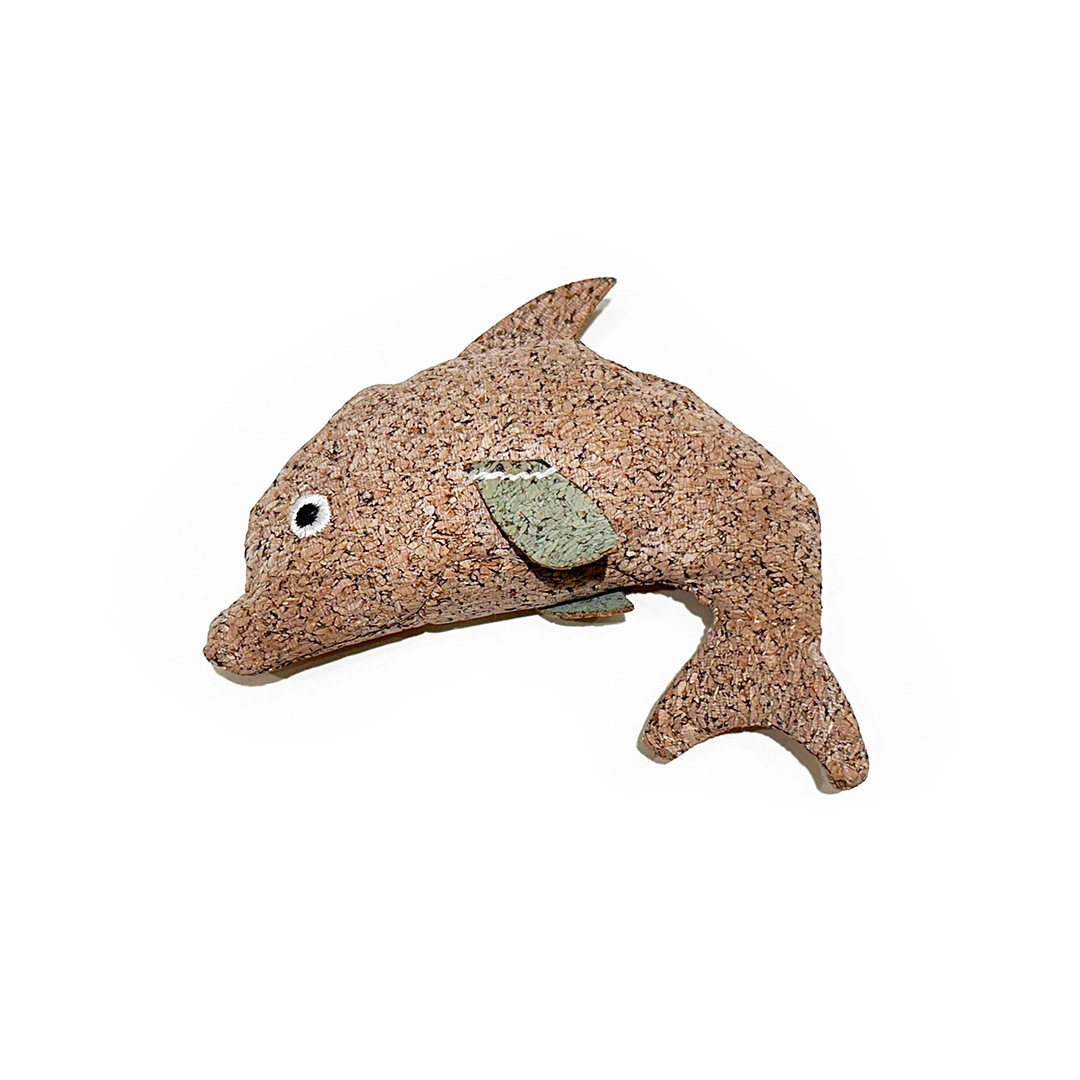
Kittens want light, easy-to-bat objects. Adult cats want something they can grab and kick. Older cats may need softer, gentler material. Cork dolls typically come in a range of styles, from small to slightly larger, matching different play styles.
The Point Everyone Forgets: Cleaning
Cat toys need washing. Most people don't think about this, but cat saliva carries bacteria, and toys develop an odor over time.
Plastic toys have seams that are hard to clean properly. Plush toys lose their shape after a few washes. Cork has a real practical advantage here: it's just need wipe with a damp cloth and dries relatively quickly. The dense surface doesn't trap grime the way fabric does.
A Honest Take on Cat Interactive Toys
Most marketing around cat interactive toys focuses on "smart" and "automatic." But here's what I've observed: cats define interaction differently than we do.
To a cat, interaction means "the thing responds to what I do." An electric mouse that runs around on its own gets boring in two days. But something a cat can swat, chase, pounce on, and recapture—that's real interaction.
The interactivity of a cork doll comes from its physical properties. Your cat pushes it; it moves in response. That cause-and-effect is clear, understandable, and repeatable. What cats enjoy is that sense of control.
Why This Category Deserves More Attention
Market data shows the interactive cat toy segment keeps growing, with average prices around $15 and a return rate of just 2.69%. That's a high satisfaction number.
But "interactive" gets overused. Plenty of products slap on an electric motor and call themselves interactive. A genuinely good interactive toy doesn't need electricity. It needs a designer who understands cat behavior.
Cork is a smart choice in that light. It's natural, safe, pleasant to the touch, and sustainable. Portuguese cork oaks are harvested every nine years without harming the tree. Throw it away when you're done, and it biodegrades.
If you're looking for cat doll toys that don't rely on batteries or gimmicks—that win cats over purely through material and physics—the cork line deserves a serious look. Your cat probably won't pounce immediately. Cats need an observation period with anything new. Put it on the floor. Walk away. Let them discover it.

You May Like
0Related Industry Knowledge