PU Rubber Yoga Mats: My Honest Take After 6 Months of Sweating on One
To be honest, when I first started yoga, I had no clue about mats. I just used whatever the gym gave out, and bought whatever pattern caught my eye on Taobao—PVC, TPE, I tried them all. Then one time in a hot yoga class, mid-session, my palms slipped and I nearly did the splits right there—it was equal parts embarrassing and scary.
After that, I dug through posts online and asked my teachers, and I found that almost everyone who'd been practicing for a few years was recommending the same kind of thing: PU rubber yoga mats. At the time, I thought, it's just a mat, does it really matter that much? But once I actually made the switch, all I could say was—why didn't I do this sooner?
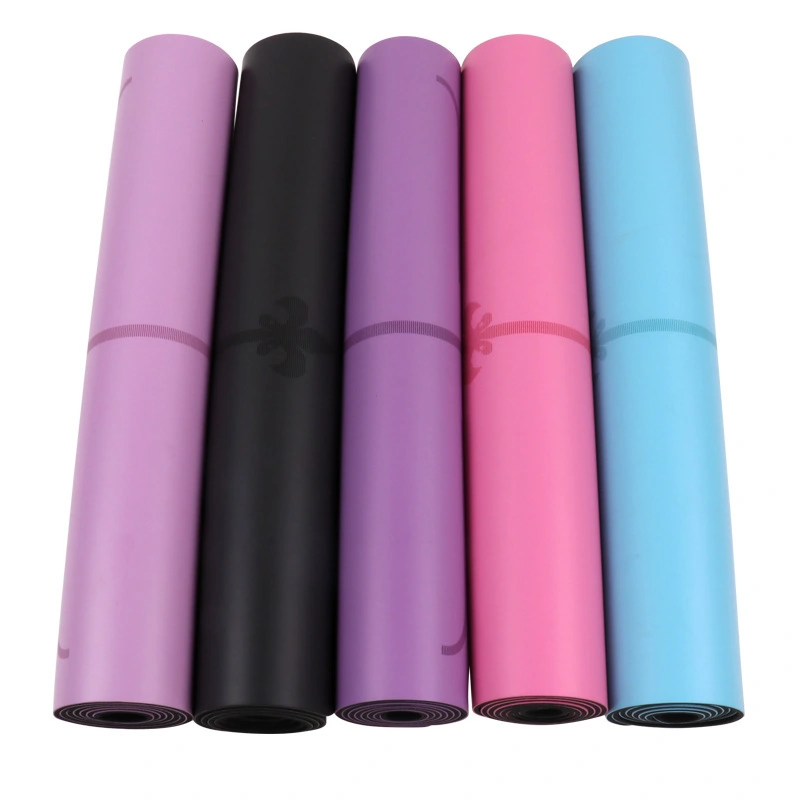
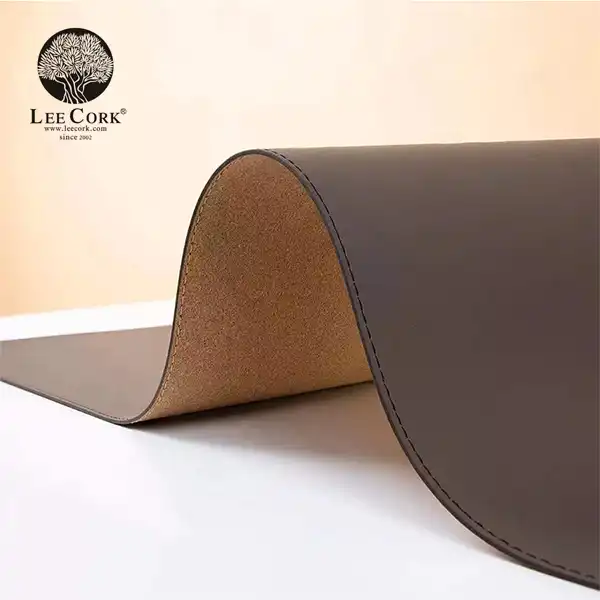
What exactly is it? Put simply, it's "PU top layer + rubber base."
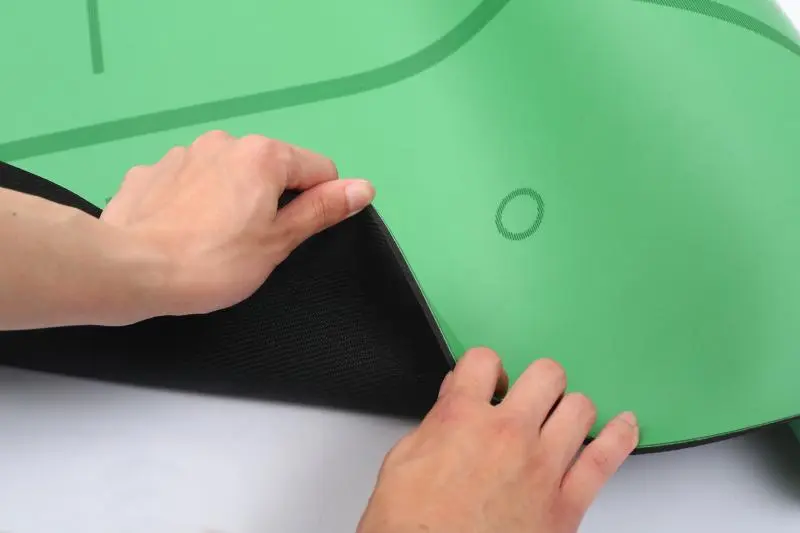
Don't let the name intimidate you—it's not some cutting-edge tech. In plain terms, the surface is a layer of PU (kind of like the texture of a steering wheel cover in your car), and underneath is natural rubber. The two are bonded together under heat and pressure, and that's your mat.
The first time I touched one in person, my immediate reaction was: "Wow, so soft." Nothing like my old PVC mat, which felt rough and a bit plasticky. This PU surface felt more like suede—warm and smooth, really comfortable to rest your hands on.
The more you sweat, the better the grip? I didn't buy it at first.
This is the selling point every brand raves about, and I was skeptical too. Until the first time I used it in a hot yoga class and was drenched in sweat—then something magical happened. With my old PVC mat, once it got wet, my elbows and feet would start sliding around, and every Downward Dog felt precarious. But this mat? The more I sweated, the better it gripped, almost like it was "suctioning" me in place.
Later I looked up the science—apparently the PU layer quickly absorbs sweat so droplets don't sit on the surface, and the rubber base is naturally grippy, with friction actually increasing when wet. In short, it turns sweat—that interfering factor—into an ally for stability. For me, that was a game-changer.
Of course, it's not perfect. I have to be honest about a few downsides.
First, it's heavy. Really heavy. Mine is 5mm thick, and when I roll it up and stuff it in my bag, the moment I sling it over my shoulder, I can definitely feel—"yep, today's weight training is covered too." If you're commuting by subway with it every day, be mentally prepared.
Second, the smell. For the first few days after unboxing, there was a noticeable rubber odor—not a harsh chemical smell, but more like... have you ever smelled a new tire? Yeah, pretty much that. I left it out on the balcony to air out for three or four days before it faded. Good news is, once it dissipates, there's no lingering smell.
Third, the price. Mine cost over 300 RMB, and it stung a bit when I bought it. But then I thought about it—my previous 100 RMB PVC mats would start peeling and getting slippery within a year, so I had to replace them annually. I've been using this one for over half a year, and the PU surface is still in great shape. So in the long run, it actually saves money.
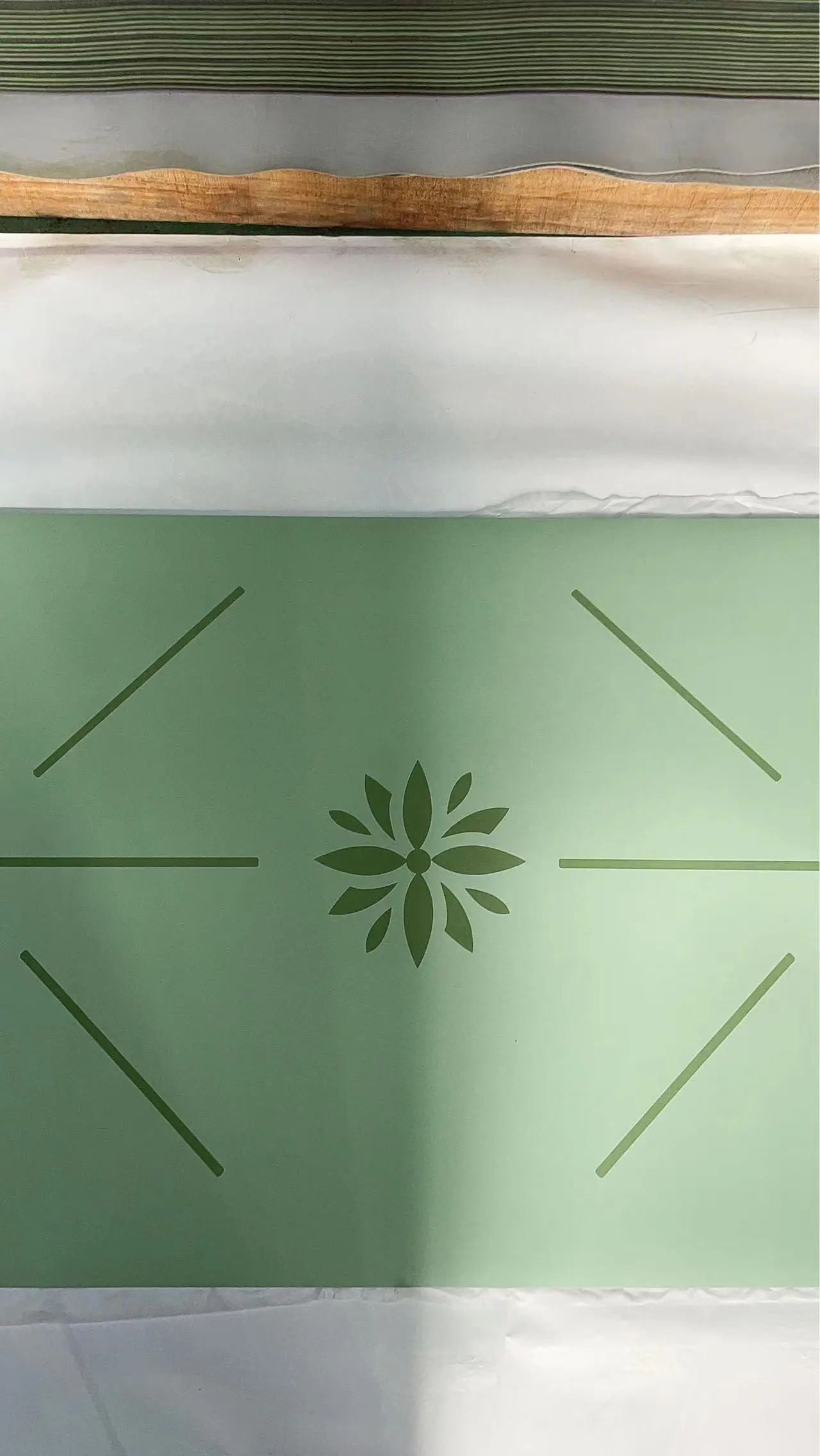
How to choose one? Here's what I learned after falling into some traps.
If you decide to buy one, here are a few things I strongly suggest you pay attention to:
Don't just grab any thickness—here’s what I learned.
I use 5mm, which is the safest bet for most people—knees don't hurt when kneeling, and standing poses don't feel too wobbly. Too thick (like 8mm) is soft but messes with your balance—you can barely hold Tree Pose. Too thin (3mm) isn't kind to your knees and is better for advanced practitioners.
PU layer thickness is key.
This is a trap sellers and customer service won't mention proactively. Before buying, I did my homework—the PU layer should be at least 0.5mm, otherwise it'll wear thin in a few months. Be sure to ask before you order.
Size depends on your height.
I'm 178cm, and 183*61cm fits me just right. If you're taller or have a wide range of motion, go for the longer version—otherwise your heels might hit the floor in Triangle Pose.
Don't clean it with alcohol!
The first time I went to clean it, I nearly grabbed a disinfectant wipe, but luckily I checked the instructions. The PU layer doesn't handle alcohol, acids, or alkalis. Just wipe it down with a damp cloth for daily cleaning, use a tiny bit of mild soap for a deeper clean once a week, and never soak it or leave it in direct sunlight.
One last honest word
To be fair, this mat won't magically let you do a handstand or perfect your alignment. But the biggest thing it gave me was peace of mind. In every Downward Dog, every Warrior pose, my feet feel planted firmly on the ground—that sense of stability is something a budget mat just can't deliver.
I practice about four times a week now, and this mat has been with me for over half a year, with the surface still holding up beautifully. If you're also a frequent practitioner, or if you love hot yoga, and your budget is around 300 RMB, I think it's truly worth considering.
As for beginners who are still on the fence, my advice is: if you're not sure you'll stick with it, starting with a cheap one is totally fine. But if you're committed to practicing long-term, don't skimp on your mat—because what you're skimping on is actually the safety and experience of every single session.
At the end of the day, since I made the switch, I've never thought about going back to PVC. And that's that.
References
1. Help Center - GRP Series Yoga Mats[EB/OL]. Manduka Thailand, 2025-10-22.
2. PU Rubber Yoga Mats: Comprehensive evaluation from the user's point of view[EB/OL]. Mowin Yoga, 2025-06-13.
3. Why PU Yoga Mats Become the Premium Choice for Yoga Enthusiasts[EB/OL]. Mowin Yoga, 2025-11-10.
4. Eco PU Yoga Mat | Why Heavier Means Better Grip[EB/OL]. Gayo Shop, 2025-09-05.
5. Yoga Mat Materials: Complete Guide to Types & Use Cases[EB/OL]. Ming Yoga Mat, 2026-05-19.
Author
FAQ
Q1: What is the most outstanding advantage of PU rubber yoga mats?
A: Dual-surface slip resistance—grip actually increases as you sweat, providing better traction the wetter it gets. This makes it especially suitable for hot yoga and vinyasa flow.
Q2: What thickness is the best choice?
A: For beginners and most practitioners, 5–6 mm is the most versatile option. Intermediate users may prefer 3–4 mm. If you have a hard floor or need extra cushioning, 6–8 mm works well. Thicker isn't always better—too much thickness can compromise your balance.
Q3: How should I clean and maintain it?
A: For daily care, wipe gently with a damp cloth. Once a week, use warm water with a drop of eco-friendly soap, spray it on, and wipe clean. Important: Do not use alcohol, disinfectants, or vinegar; avoid scrubbing with brushes; do not expose to direct sunlight. Roll it up and store it in a cool, ventilated place.
Q4: What are its downsides?
A: There are three main points—it's relatively expensive (typically over 200 RMB), quite heavy (due to the high density of natural rubber), and new mats have a natural rubber smell that needs a few days to air out. In addition, the PU top layer is sensitive to oils and strong chemicals, so it requires careful maintenance.
Q5: Who is the PU rubber mat best suited for?
A: Practitioners who practice more than three times a week, frequently do vinyasa flow or hot yoga, don't mind a slightly heavier mat, and have a budget around 300 RMB. It won't instantly turn you into an expert, but it will give you a solid, stable foundation.

You May Like
0