Why a PU Rubber Yoga Mat Might Be the Best Investment for Your Practice This Year
Have you ever been in Downward Dog, palms sweaty, and your feet start to slide forward? Your whole pose falls apart. You have to stop, wipe your hands and feet, and your breathing rhythm is broken. Honestly, it's frustrating.
I used to think all yoga mats were pretty much the same. Then I switched to a PU rubber yoga mat and realized the difference is huge. Today I want to share what this mat is really like, who it works for, and what you should know before buying.
What Makes PU Rubber Yoga Mats So Special
The Top Layer: PU Gets Grip When You Sweat
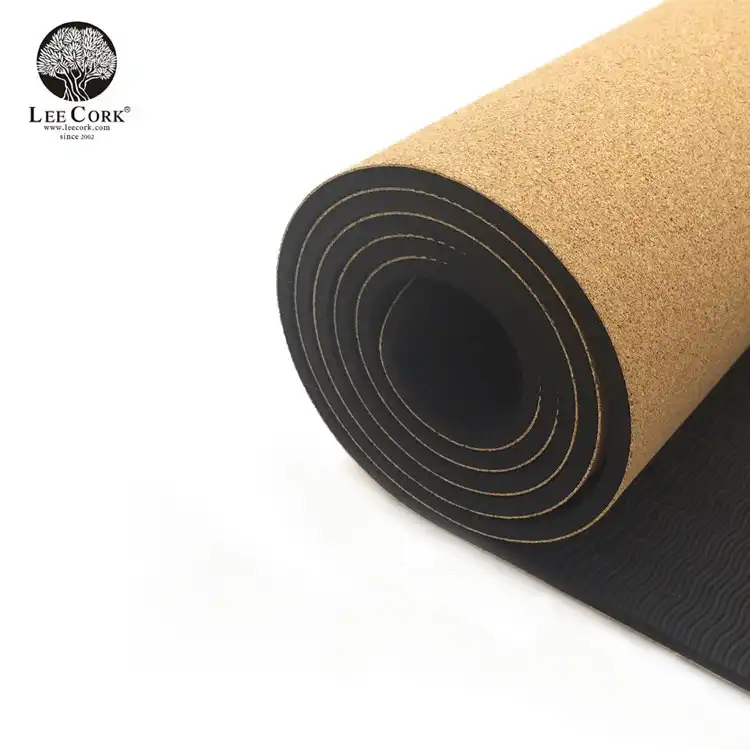
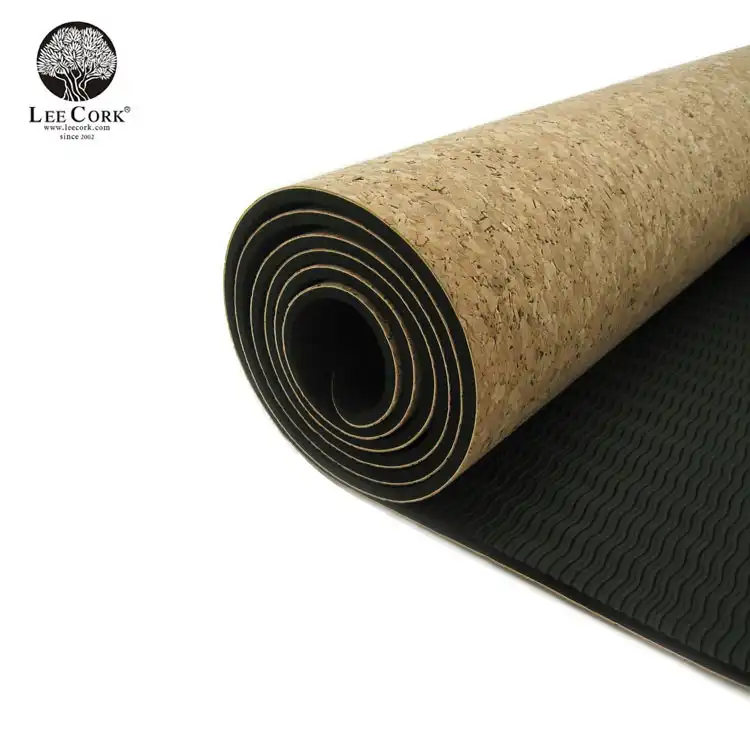
The biggest feature of a PU rubber yoga mat is the PU top layer. This material has a very practical quality—it gets grippier when it gets wet. The more you sweat, the better it holds you. That's the opposite of regular mats.
Regular PVC mats or cheap rubber mats work fine at first. But once you start sweating, the surface becomes slippery like an ice rink. PU is different. It absorbs some sweat, and at the same time, the surface friction increases. I've tried it in hot yoga. After one class, the mat was covered in sweat, but my feet stayed steady.
Good PU rubber yoga mats also have fine textures on the surface. They're not big bumps—just fine lines. The feel is smooth, but they do help direct sweat away. A friend told me that after switching to a PU mat, she no longer had to secretly wipe her hands during poses.
The Bottom Layer: Natural Rubber Gives Solid Grip
The bottom layer is made of natural rubber. This material has enough friction with the floor. Whether you're on wood, tile, or concrete, the mat stays put. I've used cheap mats before that would slide around during practice. I had to stop and fix them, which totally broke my flow.
PU plus rubber—this combo is called "double anti-slip" in the industry. The top holds you, the bottom holds the floor. Both ends are stable.
Beyond Anti-Slip: More Real Benefits
Less Pain in Knees and Wrists
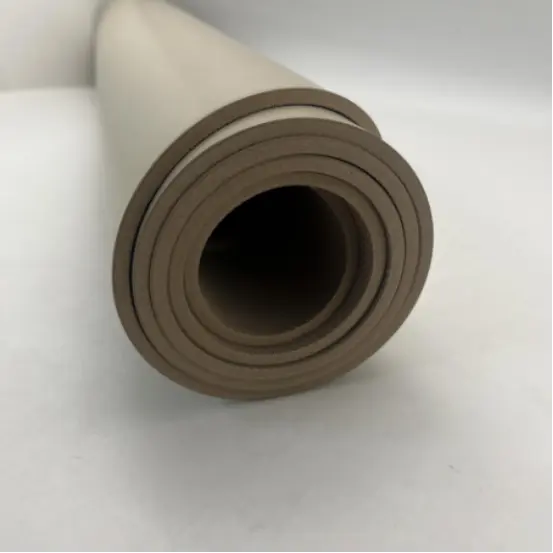
PU rubber yoga mats are usually 4 to 6 mm thick. This thickness isn't random. Too thin, and your knees and wrists hurt. Too thick, and you can't balance well in standing poses. 4 to 6 mm is just right—good cushioning without losing stability.
When I do Warrior II, my front knee takes a lot of weight. With a thin mat, my knee would hurt. After switching to PU rubber, that feeling is noticeably reduced. Same for wrists—in Downward Dog, there's less pressure, and no soreness after practice.
Gentle on Sensitive Skin
Some cheap mats have a strong smell. Opening the package can make you dizzy. That's from all the additives in PVC. PU rubber yoga mats use PU and natural rubber. No harsh chemicals. Much less smell. They're also gentle on the skin. Bare feet feel comfortable—not sticky, not slippery, just right.
Shines in Hot Yoga
If you do hot yoga or power yoga, a PU rubber yoga mat is almost a must. You sweat a lot. Regular mats can't handle it. But PU mats work better the more you sweat. Sweat gets absorbed into the top layer. The surface stays dry. You don't worry about slipping. You focus on your practice.
Why Our PU Rubber Yoga Mat Costs More Than Others
Honestly, every time we give a quote, people ask: why is your price higher than others? The answer is simple—the costs are different.
45% Rubber Content—Not Just a Number
Many mats claim to be "rubber mats," but their rubber content is surprisingly low. Most of it is fillers and glue. Our mat has 45% natural rubber content. This isn't just a number you can ignore—you can actually feel the difference.
What does high rubber content mean? First, better elasticity. It's not rock hard—it gives you springy support. Second, the grip lasts longer. It won't get slippery after a few months. Third, it's durable. It won't crack or shed pieces over time like low-rubber mats do.
Cheap "rubber mats" on the market might have less than 20% rubber. The rest is filler like calcium carbonate. The mat feels heavy in your hands, but that's not rubber weight—that's stone weight. Think about it—can a mat like that really perform well?
CA65 and Reach—Not Every Factory Can Do This
These two things are basically safety certifications.
CA65 is California's Proposition 65. It checks for harmful substances like lead, mercury, and phthalates. Reach is the EU standard for chemical registration and evaluation. It's stricter and covers more items.
We spent good money on these certifications. Not because we had nothing better to do—but because we want you to know exactly what's in this mat and what's not. With many cheap mats, you have no idea what's inside. They smell bad, and you feel uneasy using them.
What do these certifications mean? It means this mat passes all tests. No harmful substances above the limit. Kids can crawl on it. Pregnant women can practice on it. No worries. Not every factory dares to promise this.
The Bottom Line: 45% Rubber + Eco PU + Double Certifications = Higher Cost
Natural rubber costs several times more than fillers. At 45% rubber content, the material cost alone is way higher. Water-based eco-friendly PU also costs more than solvent-based PU. Add the certification fees, testing costs, and strictly controlled production processes to maintain those standards—all of this adds up. The price simply can't go lower.
So when you see lower quotes from others, ask these questions:
How much rubber content?
Is the PU water-based and eco-friendly or solvent-based?
Do you have CA65 and Reach certifications?
If they can't answer or give vague responses, you know where the price difference comes from.
A Few Things to Keep in Mind
New Mat Has a Smell
Natural rubber products have a bit of a smell when you first open them. It's not chemical—just the natural rubber scent. Leave it in a ventilated area for a day or two, and it's mostly gone. I was a bit worried the first time, but it fades quickly. Not an issue.
Light Colors Show Marks
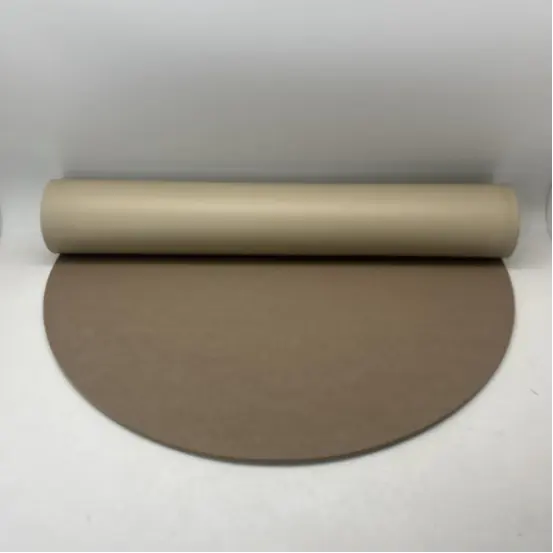
If you choose a light gray PU rubber mat, you'll see sweat marks and handprints over time. This isn't a quality issue—it's just the material. If you care about how clean your mat looks, go with darker colors. Dark gray, black, navy—they look clean longer.
Care Is Simple but Needed
PU rubber mats can't go in the washing machine or in direct sunlight. Wipe with a damp cloth after each use. Occasionally use mild soap. Make sure it's fully dry before rolling it up, or it might get moldy. It's not hard—once you get used to it, it's just part of the routine.
How Long Does It Last
A good quality PU rubber yoga mat can last three to five years with normal use. The PU top is wear-resistant, and natural rubber stays elastic.
Is It Right for You
What Style You Practice
If you do hot yoga, Ashtanga, or power yoga—lots of sweat, quick transitions, high stability requirements—then a PU rubber yoga mat is a great fit. Its strengths really show in these intense practices.
If you only do gentle yin yoga or restorative yoga occasionally, with little sweat and slow movements, you probably don't need a PU mat. A regular natural rubber mat is fine.
Where You Practice
At home, weight doesn't matter at all. Pick whatever feels most comfortable. If you go to the studio three or four times a week and either leave your mat there or drive with it, the weight is also fine. But if you walk or take public transport with your mat daily, try to feel the weight in person before deciding.
FAQ
Why is PU rubber mats more expensive?
Materials and craftsmanship. PU and natural rubber cost much more than PVC. Add the double-layer construction, and the price goes up. But the experience is totally different—once you try it, you won't go back.
What's the benefit of 45% rubber content?
Better elasticity, longer-lasting grip, and more durability. It won't harden, crack, or shed like low-rubber mats. The feel underfoot is completely different.
What are CA65 and Reach?
They are safety certifications. CA65 is California's standard. Reach is the EU standard. They check for harmful substances. With both, the mat is safe for everyone—pregnant women and kids included.
What thickness to choose?
Most people pick 4 to 6 mm. Sensitive knees? Go thicker. Want better balance? Go thinner. Depends on what you care about more.
How long does the smell take to fade?
Usually one to two days in a ventilated area and it's mostly gone. If the smell is very strong and lasts for days, the material might have issues—worth checking.
Author Bio
Juliana, Sales Representative for the Leecork Yoga Group in Xi'an,For any questions, please contact us at: info@leecork.com
Over the years, I've sold quite a few yoga mats and worked with customers from different countries—wholesalers, studio owners, and yoga enthusiasts. I've heard their feedback about what works, what doesn't, what they love, and what frustrates them. I've put together all these scattered experiences to help you make a better choice and avoid some common mistakes along the way.