Is a Reptile Terrarium Background the Ultimate Solution for Pet Terrariums?
If you've ever found yourself late at night staring at your gecko perched on bare glass, wondering—"Is it actually comfortable?"—you're not alone. A friend of mine spent his first two years of reptile keeping trying practically every type of background panel on the market. Foam? It grew mold. Cement? Too heavy, and it scratched his pet's claws. Natural bark? It looked great—until it started crumbling three months in. Then he came across this cork bark tile from China, and finally felt: this might be what I've been looking for.
But is a Reptile Terrarium Background truly the ultimate answer for terrarium backgrounds? How does it stack up against other materials, and what should you watch out for? In this post, I'll walk through what I've learned over the years to help you avoid some unnecessary detours.
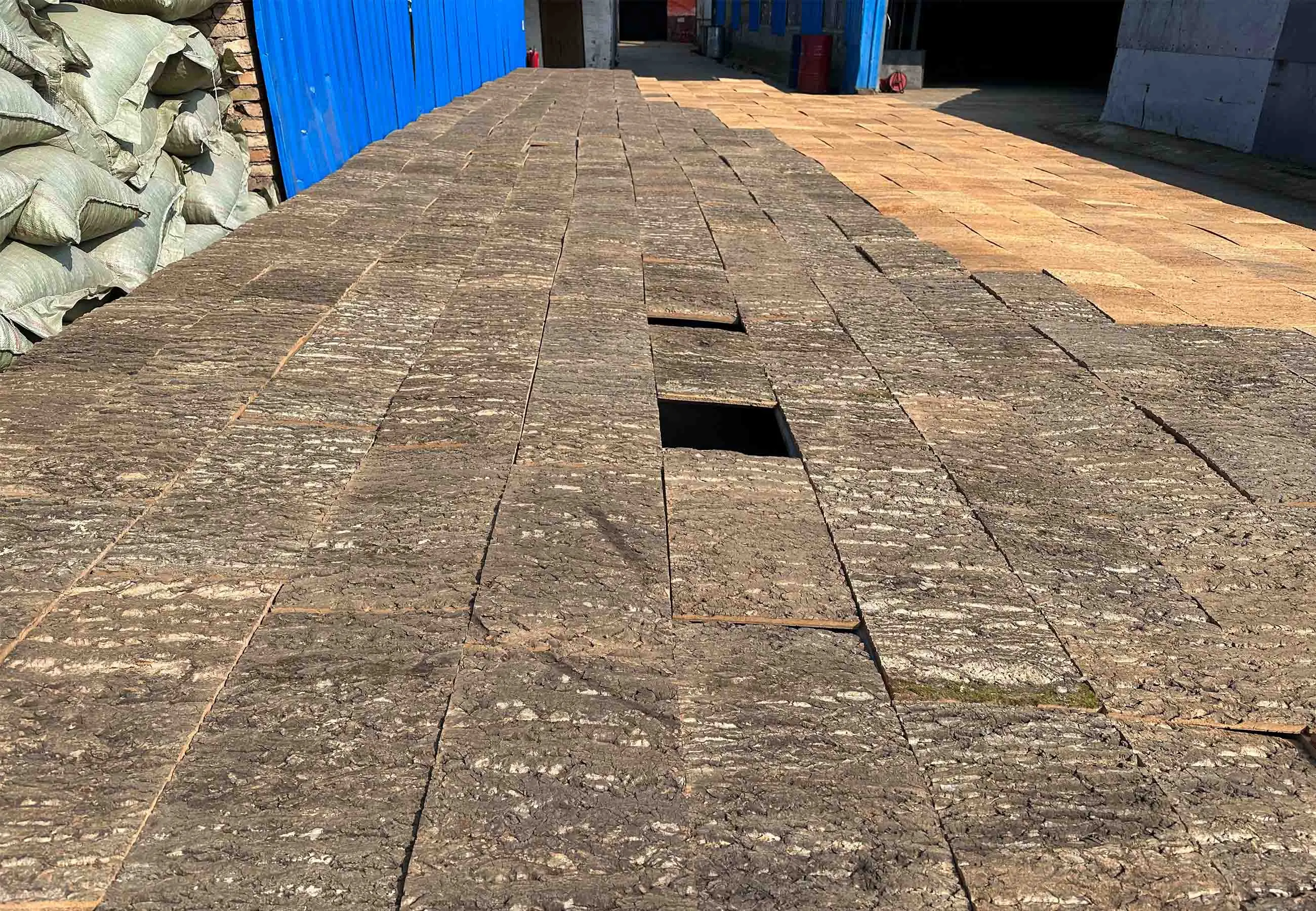
Can a Reptile Terrarium Background Really Change a Reptile's Quality of Life?
A lot of people treat background panels as mere decoration—nice to have, but not essential. But if you've ever observed a reptile's behavior with and without a background, you'd know they're practically two different animals.
Glass Reflection Is an Invisible Stressor
Reptiles see the world differently than mammals do. Many species are particularly sensitive to reflections and glare. Inside a glass tank, they don't just see their own reflection—they also register that "empty" space behind them. That visual insecurity triggers an instinctive alert response—because they don't know whether a predator might emerge from that direction.
A simple comparison was made: the same crested gecko, in a tank without a background, only used the front third of its enclosure at night. After switching to a cork background, it started roaming the entire tank and even dared to sleep with its back turned to the glass. That shift convinced me that a good reptile terrarium background solves "safety" before it solves "aesthetics."
Making the Most of Vertical Space
Arboreal and semi-arboreal reptiles are hardwired to need vertical space. But height alone isn't enough—if the walls are slick glass, they can't actually use that vertical real estate. That's where a background panel comes in—it turns a useless wall into an active zone.
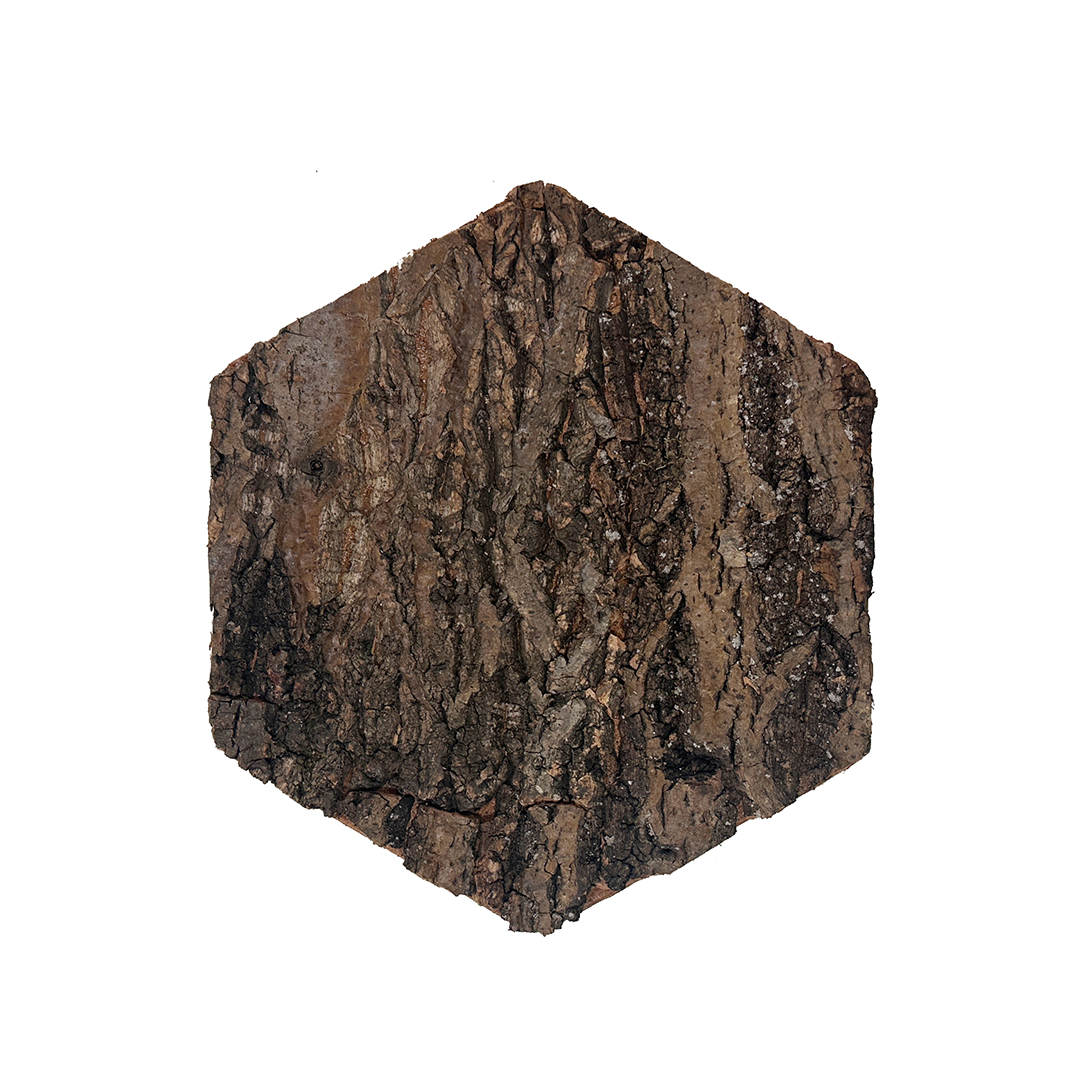
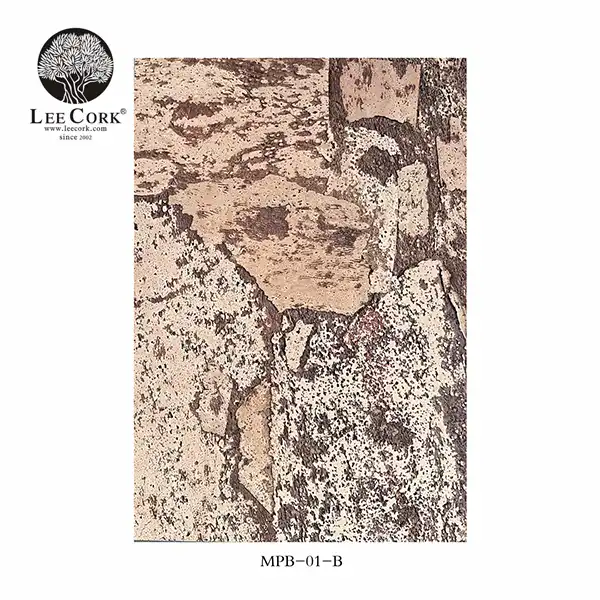
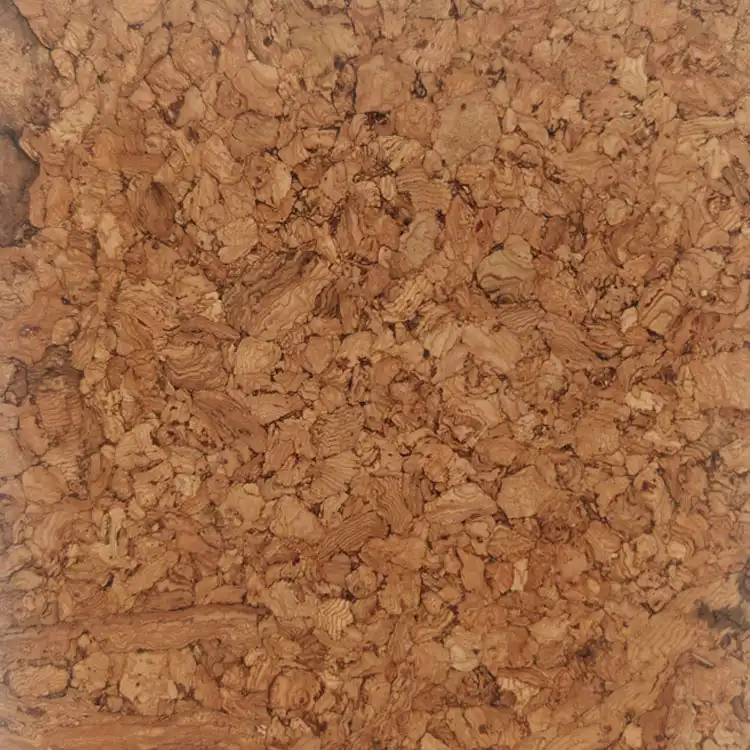
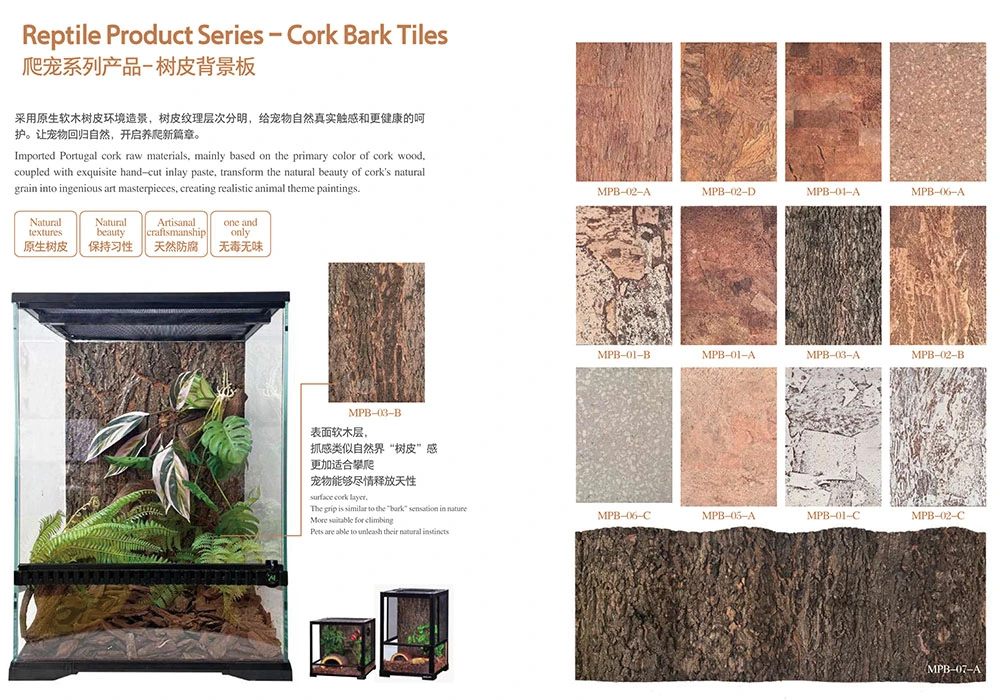
The Cork Bark Tiles (Model MPB-03-A, size 43*61*1.8cm) my friend uses have a surface layer that feels remarkably close to old wild tree bark. His day geckos can hang on it all day without slipping. For snakes that shed frequently, this level of roughness is just right—they can rub off old skin without injuring their scales.
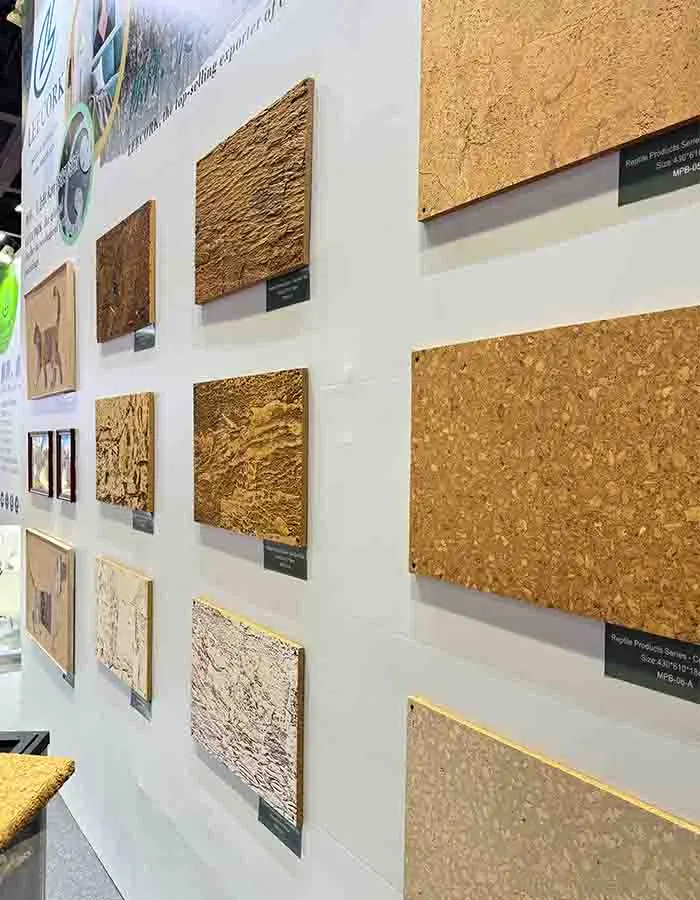
Reptile Terrarium Background vs. Other Background Materials: A Real-World Comparison
Before diving into cork, let's quickly go over the common background materials out there and where they fall short.
Foam Backgrounds: Lightweight but Fragile
Foam panels are the most common entry-level choice. They're light, cheap, and can look quite realistic. But they have a fatal flaw—once a reptile's claws repeatedly scratch the surface coating, it starts peeling off. The exposed foam pores are a breeding ground for bacteria, and reptiles might accidentally ingest fallen debris.
Cement/Plaster Backgrounds: Sturdy but Harsh on Claws
These look premium and have natural textures, but they're far too hard. For geckos with delicate toe pads covered in fine setae (hair-like structures), rough cement surfaces can actually wear down their adhesive pads. A friend noticed his red-eyed tree frogs developing red, irritated footpads after just two weeks on a cement background.
Natural Bark Panels: Authentic but Short-Lived
Sticking natural bark directly onto the wall looks as raw and organic as it gets. Unfortunately, in the high heat and humidity of a terrarium, real bark rarely lasts more than six months. Warping, cracking, and mold are inevitable.
Cork Bark Tiles: The Best Compromise I've Found
Cork sits right between foam and hardwood in terms of physical structure—it's resilient yet dense; it absorbs moisture but dries quickly; its surface is rough without being abrasive to delicate footpads. On top of that, cork has natural anti-microbial properties.
Why Chinese Cork Is an Ideal Background Material
Cork Bark Is Naturally Designed for Enclosures
Chinese cork oak (Quercus variabilis) is widely distributed across 22 provinces, with the Qinling-Bashan region being its core habitat. Its bark has a honeycomb-like cellular structure filled with air—which means it acts as an insulator, a sound absorber, and a moisture regulator. It absorbs humidity when it's high and slowly releases it when the air gets dry.
This characteristic is perfect for terrariums. When temperatures drop at night, a cork background slowly releases the heat it stored during the day, helping stabilize the enclosure's internal temperature. For species that need temperature fluctuations to trigger breeding, this subtle buffering effect is gentler and more natural than heat mats.
The Unexpected Value of Hand-Inlaid Craftsmanship
The MPB-03-A isn't just a background—it's also a piece of art. It retains the primary warm tones of raw cork wood, then uses hand-cut inlay techniques to create animal-themed patterns from the cork's natural grain.
You might think the patterns are just for looks, but in practice I've noticed that those inlaid ridges create varying shadows under light, which adds visual depth and complexity for the reptile. They tend to prefer areas with heavier shadow, because those spots feel more concealed. In other words, this reptile terrarium background satisfies not only human aesthetic tastes but also the animal's instinctual needs.
Five Core Advantages of Reptile Terrarium Background
Let me break these down from a user's perspective.
1. Genuine Bark, Not a Synthetic Fake
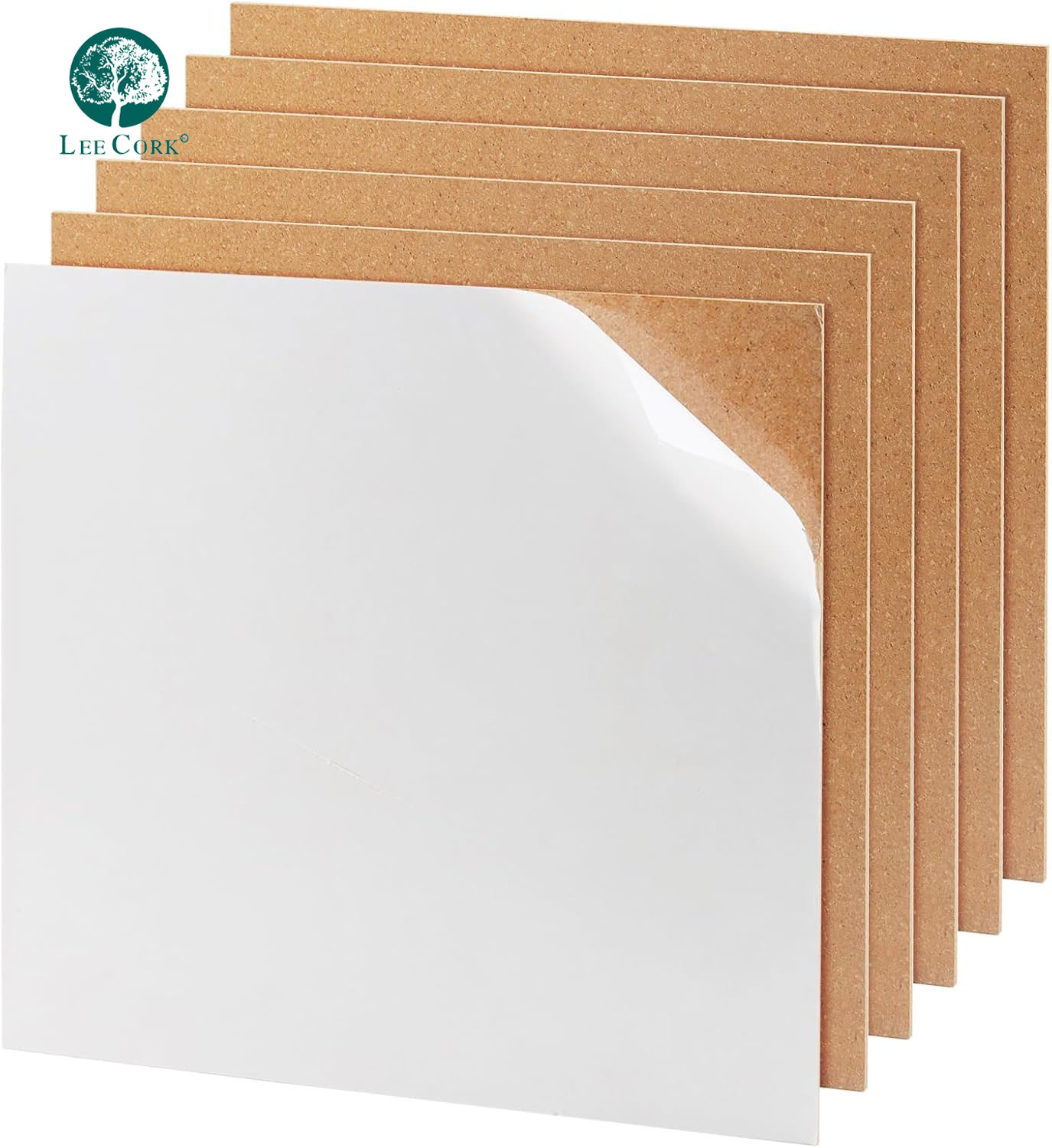
The MPB-03-A is made from real cork bark compressed into tile form—not sawdust, not foam. That means you're getting the bark's original fibrous structure and natural grain, not printed-on patterns. When a reptile's claws grip it, the tactile feedback is nearly identical to climbing a tree in the wild.
2. Preserving Natural Instincts
This is cork's greatest value. When a background enables a reptile to perform its natural behaviors—climbing, gripping, shedding, hiding—it ceases to be mere "decoration" and becomes a functional tool. A tree python I kept started frequently stretching out on the vertical surface after switching to cork. That extra exercise has real benefits for digestion and muscle health.
3. Natural Anti-Microbial Properties—Low Maintenance
Cork contains suberin, a waxy substance that naturally inhibits bacterial and fungal growth. In a humid environment, this is a lifesaver—especially if you've ever dealt with mold. I used to have to take down my coir background panels every month to scrub off white fuzz on the back. After switching to cork, aside from occasionally wiping dust off the surface, maintenance has been virtually non-existent.
4. Non-Toxic and Odorless—The Safety Baseline
I'm listing this fourth, but honestly it should be first. Reptiles have highly sensitive respiratory systems, and anything with a chemical smell has no place in their enclosure. Cork contains no chemical treatments, no odor, no VOCs. The usual practice is to install it straight into the tank upon arrival—no airing out or curing needed.
Simply put: cork is lightweight, elastic, chemically stable, non-toxic, odorless, rot-resistant, and acid-alkali resistant. It's about as safe as a material can get.
5. Grip That Mimics Natural Bark
Cork's surface friction coefficient is very close to that of old oak bark in the wild, and this grip doesn't vanish when wet. For rainforest species, moist glass is slippery—but moist cork actually provides better traction. This is probably what makes cork the most satisfying reptile terrarium background material—it lets reptiles "unleash their natural instincts" (as the MPB-03-A product description specifically emphasizes).
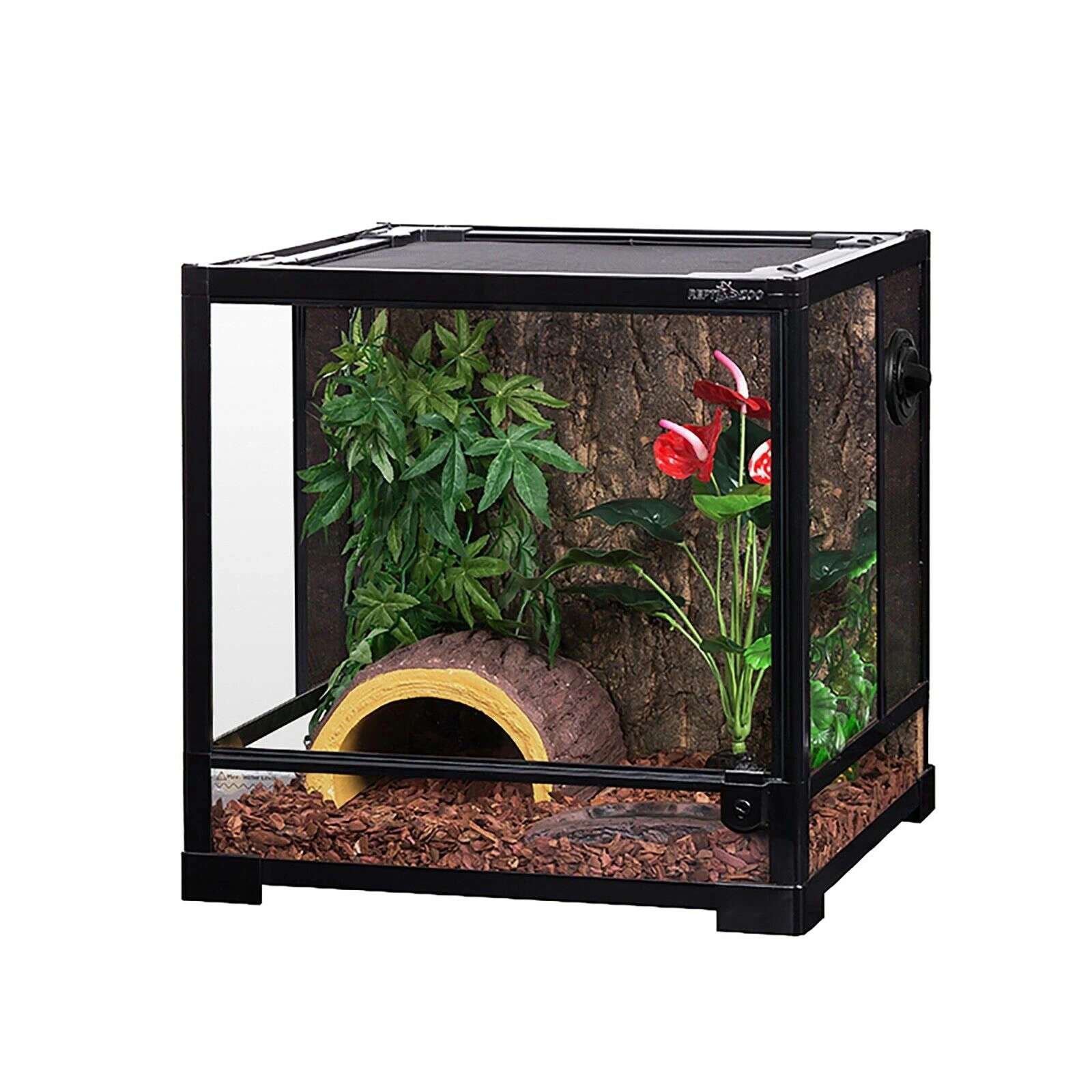
Installation and Maintenance: Practical Tips
These are lessons gathered from people who've been through the trial-and-error phase.
Installation: Adhesive or Velcro?
Using silicone adhesive gives you the most secure hold. But if you ever want to swap backgrounds or clean behind them, skip the glue. I now use heavy-duty Velcro—the soft loop side goes on the cork, the hook side goes on the glass. Takes five minutes to install or remove, and cleaning is effortless.
If you do go with adhesive, make sure it's 100% pure silicone—the aquarium-safe kind. Avoid anything with anti-mold additives, as those are toxic to reptiles.
Cutting: Cork Is Easy to Cut—Just Don't Force It
The 43*61*1.8cm dimensions fit most standard terrariums. But if you need to resize, score it deeply several times with a utility knife, then bend it backward along the score line—the break will be clean. Cork is more flexible than regular wood, and using a saw actually risks chipping the edges.
Daily Maintenance: Simple to the Point of Forgettable
Wipe off surface dust and waste with a damp cloth. If the whole panel gets dirty, take it down, rinse it with hot water, let it air-dry, and put it back. Never use detergent—cork is porous, and dish soap can seep in and slowly leach out later, which is bad for reptiles.
FAQ
Q1: Will a cork bark background grow mold in a high-humidity rainforest terrarium?
A: I've had mine in an 85% humidity dart frog tank for 14 months now. Aside from the cork darkening slightly from absorbing moisture, there's zero mold. Cork's natural anti-microbial properties really hold up in this scenario.
Q2: The size is 43*61*1.8cm—will it fit my terrarium?
A: If your tank's back wall falls within these dimensions, you can install it directly. If it's smaller, cut it as described above. If it's larger, buy two panels and butt them together—cork's natural irregular grain makes seams barely noticeable.
Q3: Will my reptile chew on the cork? Is it dangerous?
A: Some individuals may nibble occasionally, but cork is non-toxic, and small ingested fragments usually pass through without issue. However, keep an eye on it—if the chewing is excessive, it might indicate a mineral deficiency, so you may need to adjust the diet.
Q4: Can I use a heat mat with cork?
A: You can place a heat mat on the outside of the glass, but cork's insulating properties mean heat passing through it will be significantly reduced. My recommendation is to use an overhead heat lamp instead, or place the heat mat at the bottom of the tank—let the background handle insulation rather than heating.
Q5: How long does a Reptile Terrarium Background last?
A: With normal use, three to five years is realistic. And if you ever decide to replace it, cork fully biodegrades—unlike foam panels, which turn into plastic waste.
Conclusion
Keeping reptiles is, at its core, about recreating a world that another species can actually understand. Glass and lighting are the skeleton; substrate and plants are the flesh and blood; and the background might just be the soul that ties it all together.
Some people have tried countless ways to fill that empty wall, and what ultimately stayed in their tanks was cork. The reason is simple: it's safe, durable, and it actually makes reptiles behave like they would in the wild. If you're shopping for a reptile terrarium background, the Cork Bark Tiles (Model MPB-03-A) deserve a spot on your shortlist—at least take a look.
References
Pough, F. H., et al. (2004). Herpetology (3rd ed.). Sinauer Associates. (On the relationship between reptile behavior and habitat structure.)
About the Author
Emily
info@leecork.com

You May Like
0