Why Self-Adhesive Cork Fabric Makes Sense for Walls
Wall materials are rarely interesting. Paint is paint. Wallpaper is wallpaper. Concrete is cold. But cork is different — not because it's new, but because it's been quietly doing its job for decades without the hype.
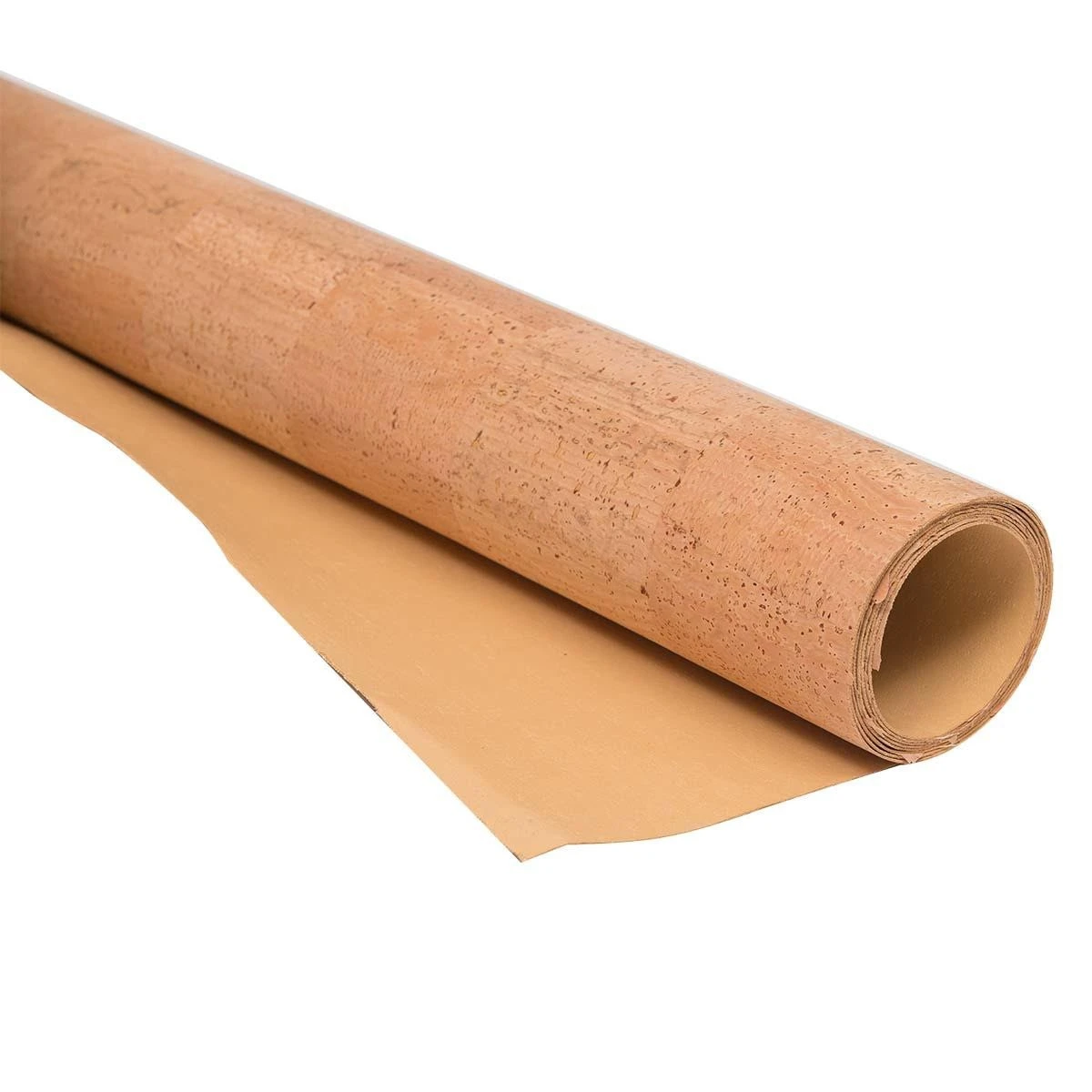
Self-adhesive cork leather fabric is increasingly being used as a wall covering, and this isn't accidental. Several natural properties make it uniquely suited for interior walls, especially compared to traditional options like paint, wallpaper, or rigid panels.
What Makes Cork Work on Walls
1. Visual and Tactile Warmth
Most wall materials feel cold. Cement, tiles, and stone have a hard, uninviting look. Even some high-end paints can't escape the fact that they're flat and lifeless.
Self-adhesive cork leather fabric solves this by offering something rare: a surface that actually feels good to look at and touch.
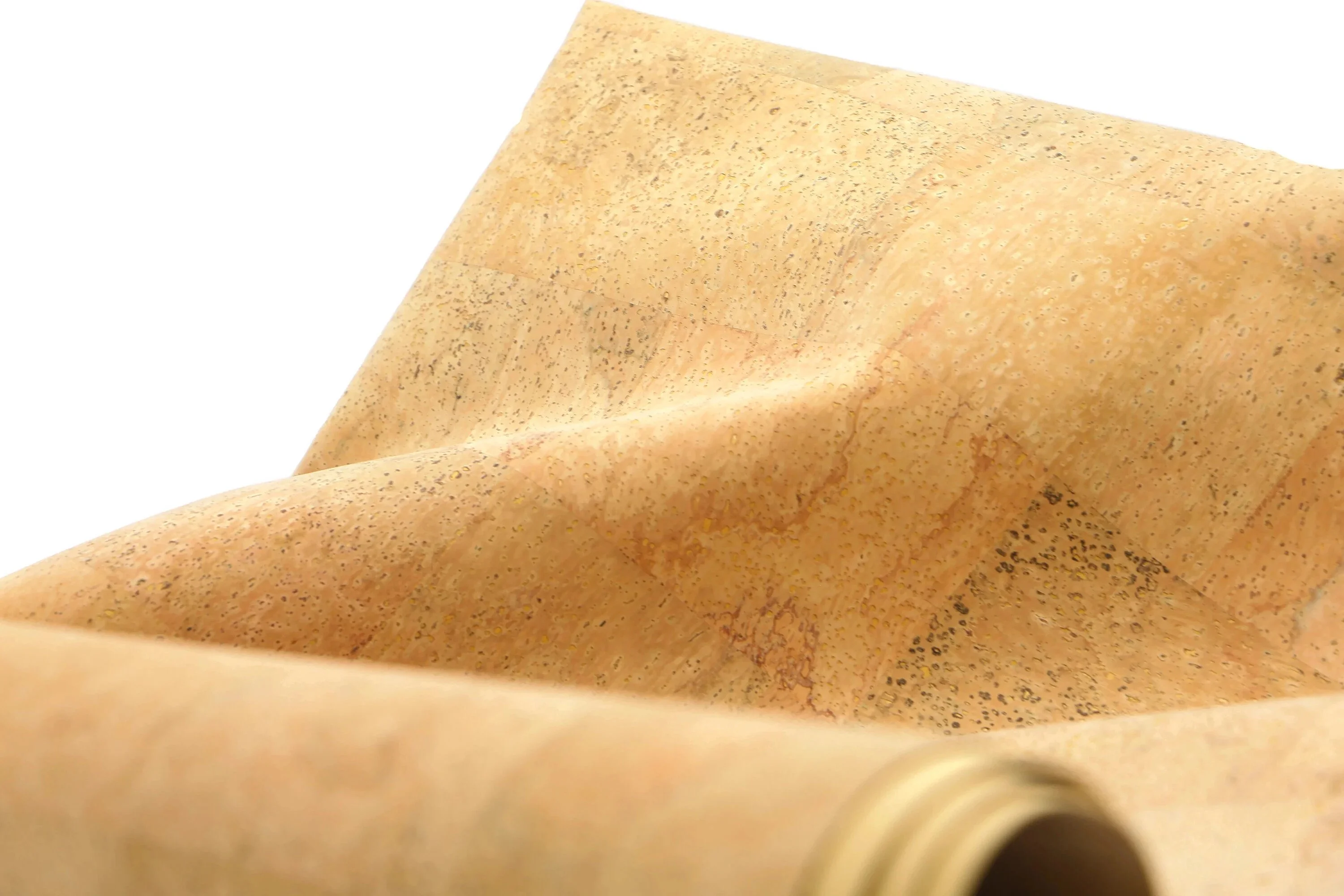
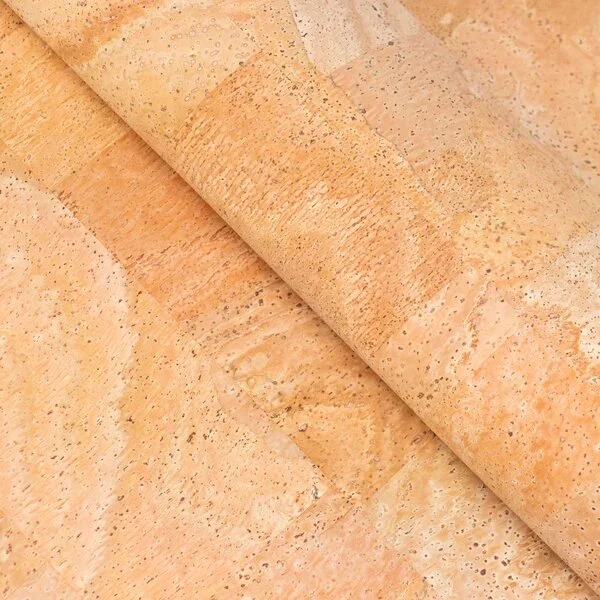
Cork has natural grain and a soft matte finish. It doesn't glare. It doesn't reflect light aggressively. It just sits there, quietly warming up a room. Touch it, and it's not cold — it's comfortable. This matters more than you might think in spaces like bedrooms, studies, or reading corners.
2. Low Installation Barrier
This is where the self-adhesive version shines. Traditional cork wall panels require glue, time, and skill. Self-adhesive cork? Peel, stick, and press.
The adhesive used is pressure-sensitive. It bonds gradually, not instantly. If you misalign a piece, peel it off and reposition it. If you get an air bubble, smooth it out with a plastic tool.
Because no extra glue is needed, there is no mess, no curing time, and no special tools required. One person can handle an entire wall in an afternoon.
And if you ever want to remove it — no residue left behind. This makes self-adhesive cork fabric a practical choice for both homeowners and renters, as noted in recent comparisons between self-adhesive and traditional cork rolls.
3. Acoustic Improvement (But Not Soundproofing)
Let's be honest: self-adhesive cork leather fabric is thin — usually 0.8–2mm thick. It will not block sound from the next room. That requires 10mm or more of cork, often combined with other materials. Pure cork is workable, but requires thickness.
But it does absorb mid-to-high frequency reflections. Walk into a room with plain painted walls, clap your hands, and you'll hear a sharp echo. Walk into a room with cork on the walls, and the sound feels softer, more contained.
Academic research confirms that cork's sound absorption performance is influenced by thickness and particle size, with finer granules and layered configurations improving acoustic performance.
So the benefit is real — it's just not "soundproofing." It's making a room feel less empty. That's a distinction worth making clear to anyone considering cork wall coverings.
4. Natural Moisture Resistance
Cork contains suberin, a hydrophobic substance that makes it naturally water-resistant. In normal indoor conditions, cork wall coverings perform better than paper-based wallpapers when exposed to humidity.
That said, cork is not waterproof. It should not be used in showers, wet areas, or directly above kitchen stoves. If the wall itself has moisture issues, no material will fix that — but cork will show more resilience than most alternatives in typical living spaces.
5. Easy Maintenance
Dust settles on cork just like any other surface. A feather duster or dry cloth takes care of it. For minor stains, a slightly damp cloth does the job without requiring special cleaners or harsh chemicals.
Cork surfaces are also antistatic, meaning they don't attract as much dust as some synthetic wall coverings.
What Self-Adhesive Cork Fabric Is Not
Every material has limitations. Cork is no exception:
Not waterproof: Avoid wet zones like bathrooms or kitchen splashbacks.
Not impact-proof: Sharp objects can leave marks — this is a natural material, not a hard surface.
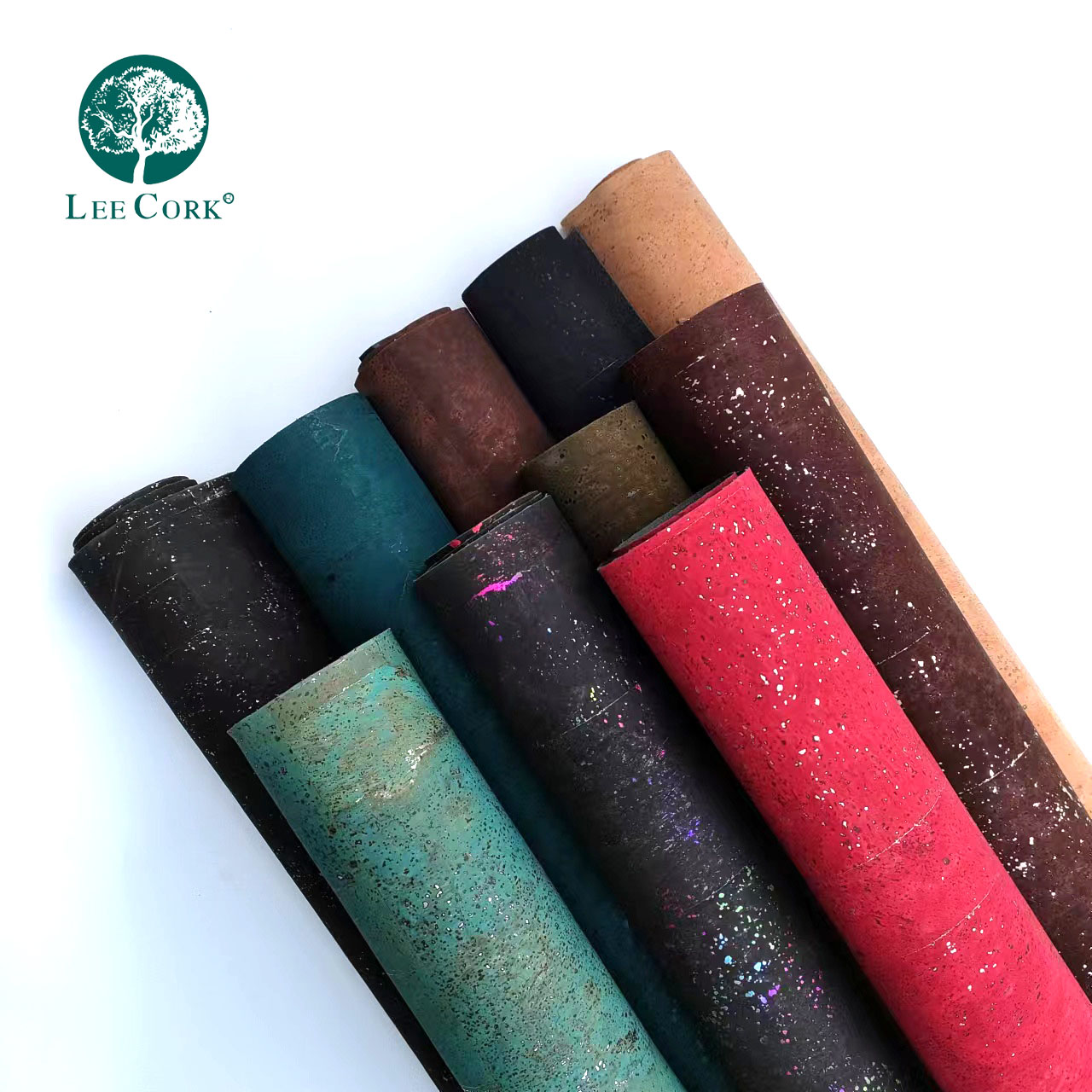
Color options: Natural cork is beige, brown, and tan. But through dyeing, cork can be produced in a much broader range — including blue, red, green, gray, and even custom Pantone-matched colors for larger orders. While not as expansive as wallpaper, cork offers plenty of solid color choices if you plan ahead.
Underfloor heating: If used on floors, prolonged high heat may cause slight expansion or gaps. For wall use, this is rarely a concern.
Where It Works Best
Self-adhesive cork fabric isn't trying to replace paint or wallpaper. It's a complement — a material for people who want warmth without fuss, texture without clutter.
It's ideal for:
Home offices and studies (notice boards, feature walls)
Bedrooms and children's rooms
Living room accent walls
Hallways and corridors
Commercial spaces that want a warm, natural look
FAQ
What tools do I need for installation?
A utility knife, a plastic smoother or ruler, and a measuring tape. No glue or special equipment required.
Can I apply it over textured walls?
Light textures are fine — the cork will conform slightly. Heavy textures like popcorn walls are not suitable.
How long does the adhesive last?
The adhesive is pressure-sensitive and designed for long-term bonding. It will not weaken over time under normal indoor conditions.
Will the cork fade under sunlight?
Prolonged direct sunlight may cause gradual lightening over time, as with most natural materials. Avoid south-facing windows without curtains.
Can I paint over cork fabric?
Technically yes, but it defeats the purpose of the natural texture. If painting is your goal, we recommend starting with a different substrate.
The Bottom Line
Self-adhesive cork leather fabric has been around for decades, but recent improvements in adhesive technology have made it more practical than ever. It installs quickly, looks distinctive, and offers real benefits in sound comfort and thermal insulation.
It's not for everyone. But for those who want a wall that feels natural — not cold, not sterile, not trying too hard — it's hard to find a better option at this price point.
About the Author
Linda Song has been working with cork-based materials for 15 years, supplying Self-adhesive cork leather fabric to brands in Europe, North America, and Asia. Linda Song focuses on material performance, not marketing hype. Test reports and samples are always available to serious buyers.

You May Like
0