
Glue Down Cork Floor Tiles or Floating? Which Installation Method Fits Your Project?
Introduction
You've decided on cork. Good choice. But now there's another decision: how should it be installed?
Cork floor tiles come in two main installation types — glue down and floating. They're the same material, but glue down cork flooring and floating cork flooring behave differently, cost differently, and suit different types of projects.
This isn't about which method is "better." It's about which one fits your specific project — whether you're renovating a home, specifying for a commercial space, or installing over tricky subfloors.
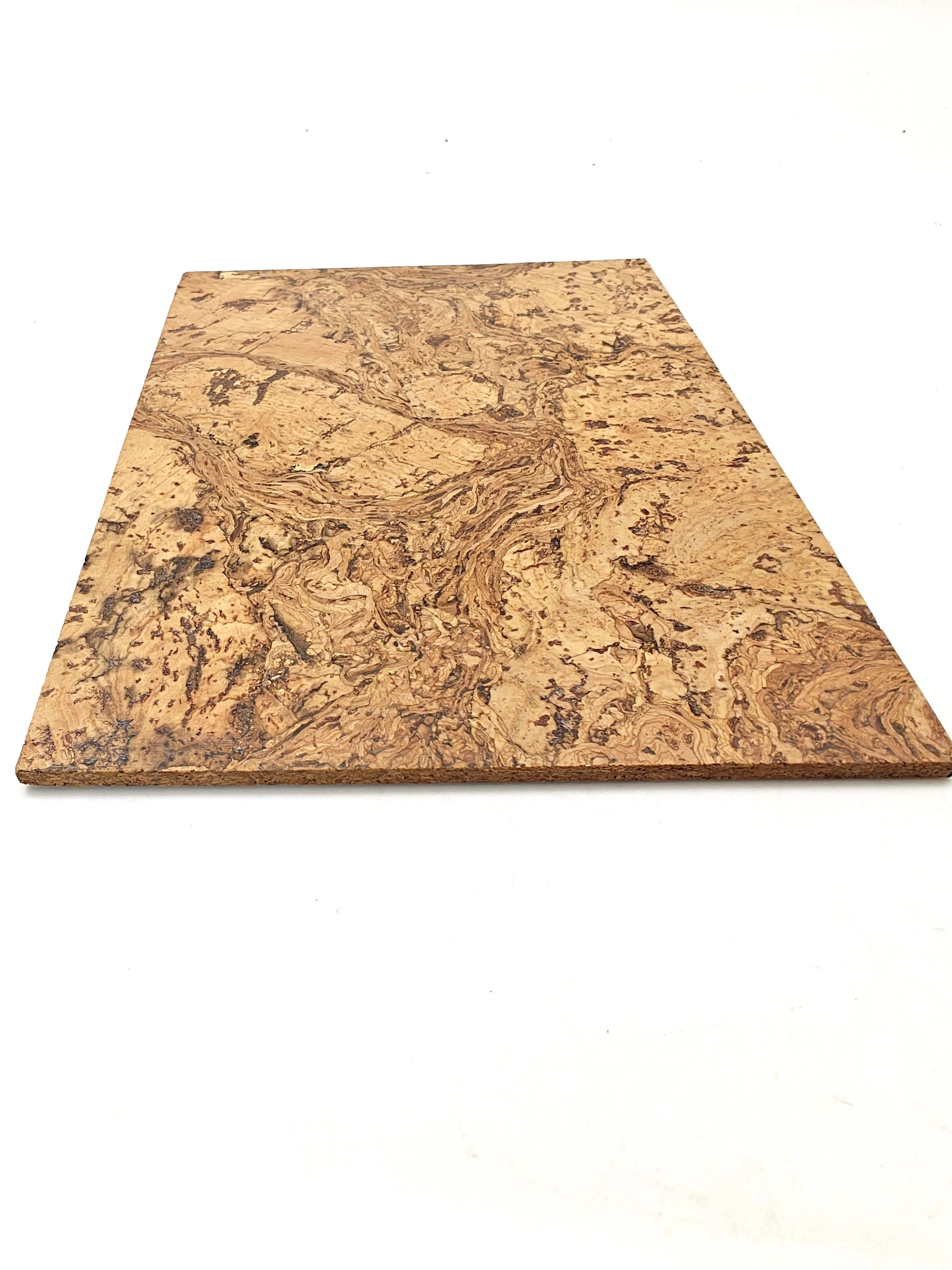
Glue Down Cork Floor Tiles – The Professional Standard
What It Is
Glue down cork floor tiles are installed by applying adhesive directly to the subfloor and pressing the tiles into place. Once the adhesive cures, the tiles are permanently bonded to the floor.
It's a straightforward process — but it requires skill, preparation, and patience.
Where It Works Best
Commercial spaces (offices, retail, showrooms)
High-traffic areas
Large, open spaces
Floors with underfloor heating
Any project where long-term stability is critical
Key Advantages
Solid feel underfoot – There's no empty space beneath the tiles. The floor feels dense, stable, and substantial. No bounce, no hollow sound when you walk.
Better heat transfer – If you have underfloor heating, glue down is the better option. The tiles are in direct contact with the subfloor, so heat transfers more efficiently than through a floating layer.
Less movement – Once it's down, it stays down. No shifting, no gaps opening up over time. This is why commercial projects typically specify glue down.
Lower profile – Glue down tiles are thinner overall, which matters if height clearance is tight or you're matching to an adjacent floor.
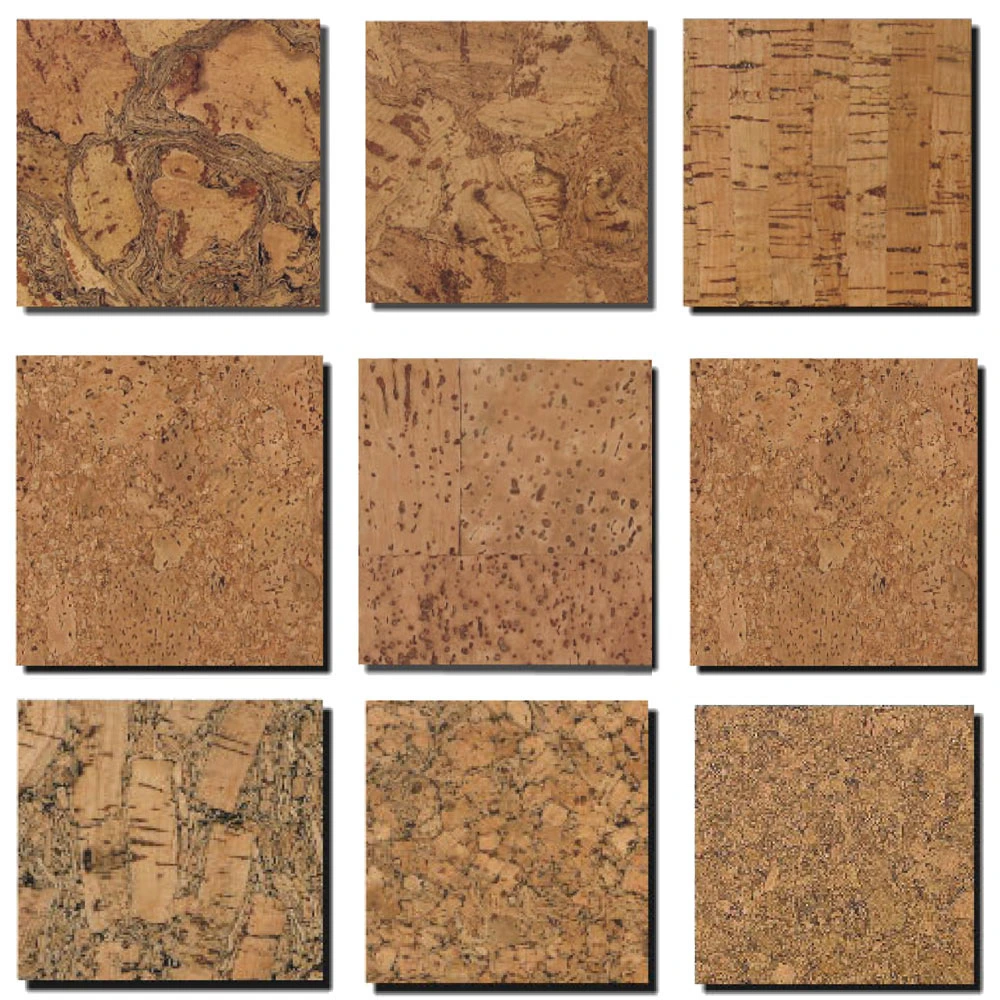
Floating Cork Floor Tiles – The DIY Choice
What It Is
Floating floors use a click-lock system. The tiles or planks are joined together at the edges and simply rest on the subfloor. No adhesive is applied to the subfloor itself — the floor "floats" above it.
An underlayment is usually placed beneath to manage moisture and sound.
Where It Works Best
Residential bedrooms and living rooms
Apartments and condos
Small-scale renovations
Rental properties
DIY installations
Key Advantages
Installation speed – No waiting for adhesive to dry. You can install and use the floor on the same day. This is a real advantage for homeowners doing their own renovations.
Removable – If you're renting, or if you might want to change the floor in the future, floating is the obvious choice. The tiles can be disassembled and taken out without damaging the subfloor.
More forgiving on subfloors – Floating floors tolerate minor imperfections in the subfloor. You don't need a perfectly flat surface — slight variations are absorbed by the underlayment.
Acoustic benefits – The underlayment adds an extra layer of sound absorption, which can be helpful in multi-level buildings.
Lower installation skill required – A competent DIYer can install a floating floor with basic tools. Glue down typically requires professional installation.
The Trade-Offs
For Glue Down Cork Floor Tiles
Higher installation cost – Adhesive is expensive, and professional labor adds to the total.
Difficult to remove – Once glued down, removal requires scraping, grinding, and significant effort. This is a permanent installation.
Subfloor must be perfect – Moisture, unevenness, or dust will compromise adhesion. Preparation takes time and money.
Longer installation time – Adhesive must cure before the floor can be used.
For Floating Floors
Less solid feel – There's a slight give underfoot. Some people find it comfortable; others find it hollow.
Can shift over time – In large areas, floating floors may develop gaps if not properly installed with expansion gaps.
Not ideal for heavy loads – Heavy furniture or equipment can compress the underlayment and leave permanent indentations.
Slightly thicker overall – The added underlayment raises the floor height, which can matter for transitions.
How to Choose Based on Your Project
|
Project Type |
Recommended Installation |
|
Commercial office, retail |
Glue down – stable, durable, low maintenance |
|
Residential bedroom |
Either – depends on preference |
|
Apartment / condo (quiet concerns) |
Floating with underlayment – better sound insulation |
|
Underfloor heating |
Glue down – better heat transfer |
|
Rental property |
Floating – removable, lower upfront cost |
|
DIY renovation |
Floating – accessible and forgiving |
|
Large open space (>100m²) |
Glue down – less movement risk |
|
Basement or ground floor |
Glue down – better moisture resistance (with proper sealer) |
Conclusion
Glue down and floating are both legitimate ways to install cork floor tiles. The choice isn't about quality — it's about suitability.
Glue down cork floor tiles are the professional's choice for permanent, stable installations. They handle heavy use, work with underfloor heating, and deliver a solid, quiet floor.
Floating cork floor tiles offer speed, flexibility, and lower upfront costs. They're ideal for homes, apartments, and DIY projects where removability matters.
Look at your project, your subfloor, your budget, and your timeline. The right answer will be clear.
FAQ
Can glue down cork tiles be removed?
Yes — but it's labor-intensive. The tiles and adhesive must be scraped off, and the subfloor may need refinishing.
Which installation is cheaper?
Floating typically costs less because it requires less labor and no adhesive. But material costs vary.
Can I install glue down myself?
Not recommended unless you're experienced. Improper adhesive application will cause failure.
Can floating floors be used with underfloor heating?
Yes — but less efficiently than glue down. Check with your flooring supplier.
Which lasts longer?
Both can last decades. Glue down is more stable long-term in high-traffic areas.
References
LEECORK Product Documentation
Industry installation standards for cork flooring
Case studies on commercial vs. residential cork installations
About the Author
Linda Song has been working with cork-based materials for Xi'an LEECORK Co., Ltd. years, supplying glue down cork floor tiles and other cork products to residential and commercial customers worldwide. Linda Song focuses on practical material comparisons and project-specific recommendations.

You May Like
0Related Industry Knowledge