Cork Yoga Blocks: The Natural Choice for a Safe, Sustainable Practice
2026-08-25 16:51:40
If you're reading this, you likely already know that a yoga block is more than just a prop—it's a tool for deepening your practice, maintaining proper alignment, and preventing injury. But with so many options on the market, how do you choose the right one?
Many yogis start with foam blocks. They're lightweight and inexpensive, but they often compress under pressure, offering less support. Others try wooden blocks, which are sturdy but can be heavy and unforgiving. The sweet spot? Cork Yoga Blocks.
Here's why natural cork is the superior choice, and why paying attention to safety certifications like CA65 and REACH is non-negotiable for your health and peace of mind.
Why Choose a Normal Cork Yoga Block?
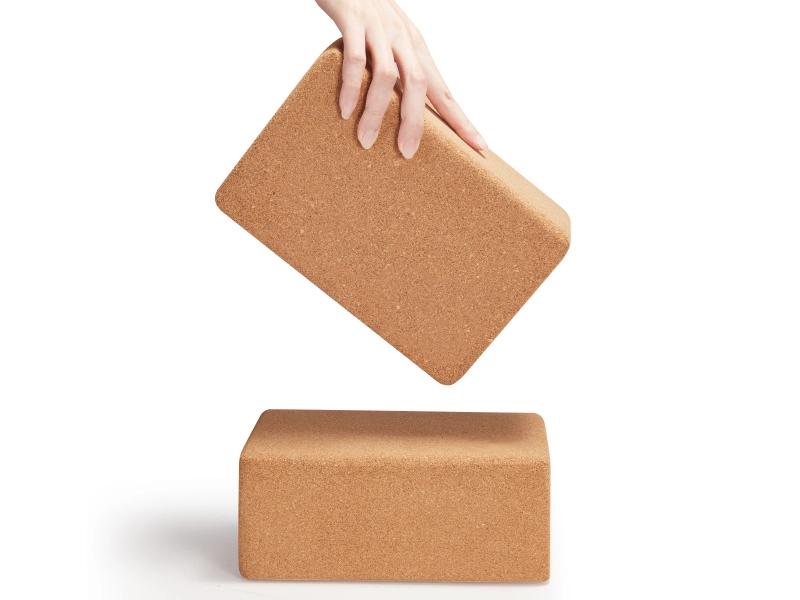
A Normal Cork Yoga Block, made from 100% natural cork, offers unique benefits that foam and wood simply can't match.
1. Unmatched Stability and Support
Cork is naturally dense, providing a level of firmness you won't find in foam blocks . This means your block won't collapse or deform under your body weight, giving you a solid, secure foundation for balancing poses, seated postures, and restorative sequences . It’s the perfect "happy medium" between heavy wooden blocks and too-light foam ones .
2. Non-Slip and Hygienic
Cork has a naturally textured, grippy surface that becomes even more tactile when your hands sweat. This provides a secure hold, preventing slips and allowing you to focus entirely on your form . Additionally, cork is naturally antimicrobial and moisture-resistant, so it won't absorb sweat and develop unpleasant odors over time .
3. Eco-Friendly and Sustainable
Cork is harvested from the bark of cork oak trees, which naturally regenerates, making it one of the most renewable and sustainable materials on the planet . Choosing cork supports a circular economy and reduces your environmental footprint.
The Safety Factor: Certifications You Need to Know
When buying a yoga block, you're making physical contact with it for extended periods. You might even press your face against it during certain poses. This makes the materials and manufacturing process critically important.
Many cheaper blocks, especially those made from EVA foam, can contain harmful chemicals. For instance, studies have found formamide—a substance classified as reproductive toxicant—in yoga mats and foam products .
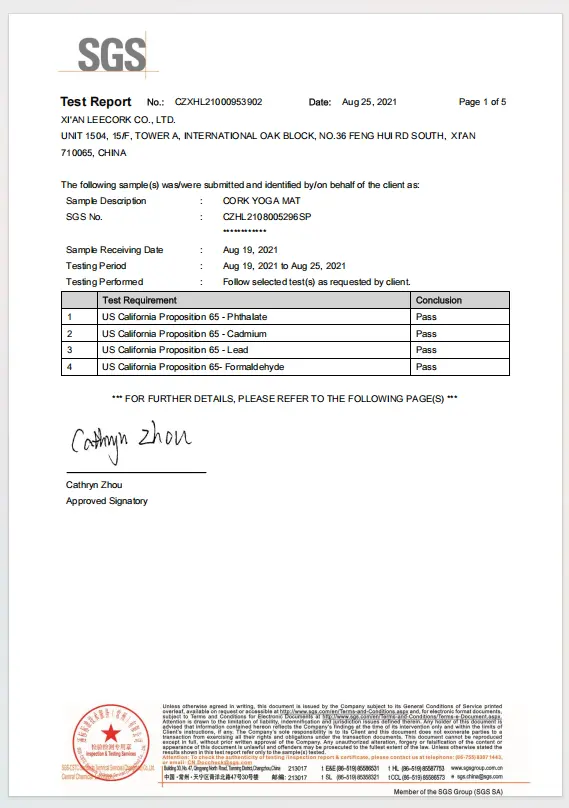
This is why reputable cork yoga blocks will have undergone rigorous testing. Two of the most important certifications to look for are CA65 Phthalates and Lead testing and compliance with the EU REACH SVHC regulation.
Understanding the Certifications
Passed the Test: CA65 Phthalates and Lead
What is CA65?
CA65, or California Proposition 65, is a strict regulation that protects consumers from exposure to chemicals known to cause cancer, birth defects, or other reproductive harm .
What does it test for?
A product that has "Passed the Test: CA65 Phthalates and Lead" means it has been independently verified to be free of dangerous levels of:
Lead: A heavy metal that is toxic and can cause severe health issues. CA65 limits lead in accessible parts to 100 ppm .
Phthalates: A group of chemicals used to soften plastics (often found in yoga mats and foam blocks). Certain phthalates, like DEHP, DBP, and BBP, are restricted under CA65 and are linked to reproductive harm .
Passing this test ensures your cork block doesn't expose you to these common toxins.
Formamide EU REACH SVHC Compliance
What is REACH SVHC?
REACH is the European Union's comprehensive regulation on chemicals. SVHC stands for "Substances of Very High Concern" . Formamide is officially recognized as an SVHC because it is a reproductive toxicant (Article 57c) .
Why is this important for a cork block?
Formamide is primarily used as a foaming agent and softener in plastics . While a natural cork block doesn't need this chemical, the assurance that a product is compliant with the REACH SVHC regulation means the manufacturer has thoroughly vetted their supply chain to ensure no formamide or other harmful SVHCs are present. This matters because formamide can be released through inhalation and skin contact during use, posing a safety risk .
How to Choose Your Cork Yoga Block
Look for 100% Natural Cork: Ensure the block is made from solid, natural cork, not a composite or blend that may require synthetic binders.
Check the Weight: A high-density cork block will be substantial, typically weighing around 2 pounds (approximately 0.9 kg) . This weight indicates density and support.
Verify Safety Certifications: Look for products that explicitly state they have passed testing for CA65 (Phthalates and Lead) and comply with EU REACH SVHC (Formamide)
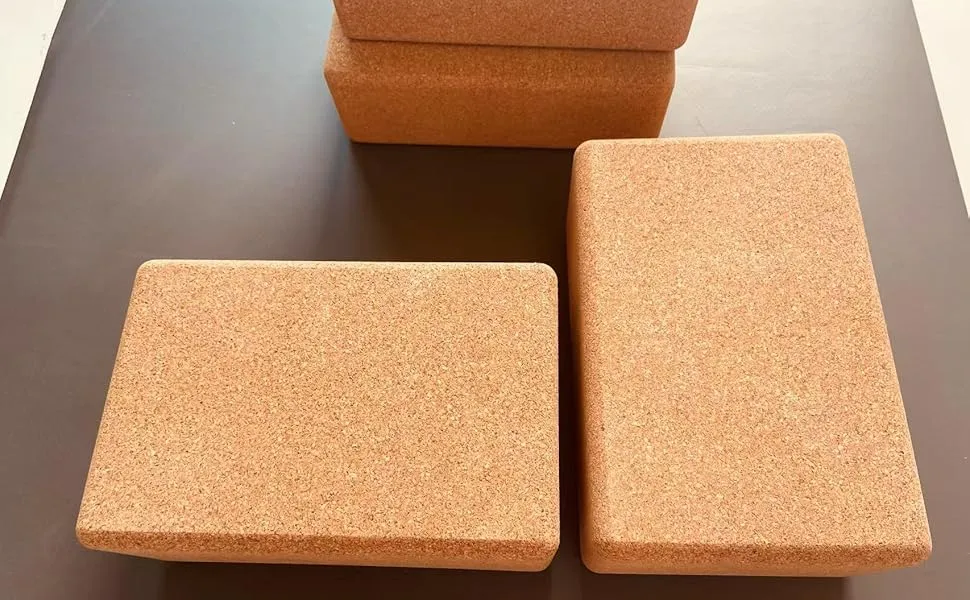
Consider the Feel: Cork has a distinct, warm texture. Some blocks feature beveled or rounded edges for a more comfortable grip .
Final Thoughts
Choosing a yoga block is a personal decision, but it's one that should be made with your health and the environment in mind. A Cork Yoga Block offers the perfect balance of stability, grip, and sustainability.
More importantly, when you choose a block that is certified free of harmful substances like lead, phthalates, and formamide, you are making a powerful investment in your well-being. You can breathe easy, grip confidently, and focus entirely on the peace and strength that yoga brings, knowing your prop is as safe as it is supportive.
Author
FAQ
1. Why are Cork Yoga Blocks better than foam blocks?
Cork yoga blocks have higher density and hardness, providing a stable, non-slip, and non-collapsing foundation of support.
2. Are Cork Yoga Blocks heavy to carry to class?
They are heavier than foam but lighter than wood. A standard cork yoga block typically weighs about 0.8 kg.
3. Is a Cork Yoga Block naturally anti-slip?
Yes, absolutely non-slip. Cork has a naturally slightly textured surface that offers excellent grip. Interestingly, the grip becomes even stronger when your palms get warm and slightly sweaty—cork becomes more slip-resistant, preventing slipping in sweaty practices like hot yoga. This natural non-slip property makes cork a safer choice for maintaining balance in challenging poses.
4. How should I clean and maintain my Cork Yoga Block?
Maintaining a cork yoga block is simple. To clean it, gently wipe the surface with a soft, damp cloth and mild soap. Allow it to dry completely in a well-ventilated area away from direct sunlight.
5. Will my Cork Yoga Block absorb sweat and smell?
No. Cork is naturally antimicrobial and has a closed-cell structure that does not absorb sweat like absorbent materials do. Moisture simply stays on the surface and evaporates. Unlike foam blocks—which can harbor bacteria and develop persistent sweat odors over time—cork yoga blocks remain fresh, hygienic, and odor-free even after repeated use.

You May Like
0Related Industry Knowledge