Why Is Everyone Switching to a Natural Cork Yoga Mat? The Sustainable Revolution You Need to Know About
2026-07-14 17:21:59
Why Is Everyone Switching to a Natural Cork Yoga Mat? The Sustainable Revolution You Need to Know About
For years, the yoga world has been dominated by colourful, synthetic PVC mats. But if you’ve walked into a studio lately, you might have noticed a beautiful, earthy alternative unrolling next to you. It looks different, feels different, and frankly, it smells better. That alternative is the Yoga Mat Cork.
The shift away from plastic is not just a trend; it’s a necessary evolution for our planet and our health. In this post, we’re diving deep into why this sustainable equipment is taking over the wellness industry. From its surprising grip mechanics to its incredible lifespan, we’ll explore why investing in a Yoga Mat Cork might be the best decision for your practice and the environment.
What Exactly Makes a Natural Cork Yoga Mat Superior?
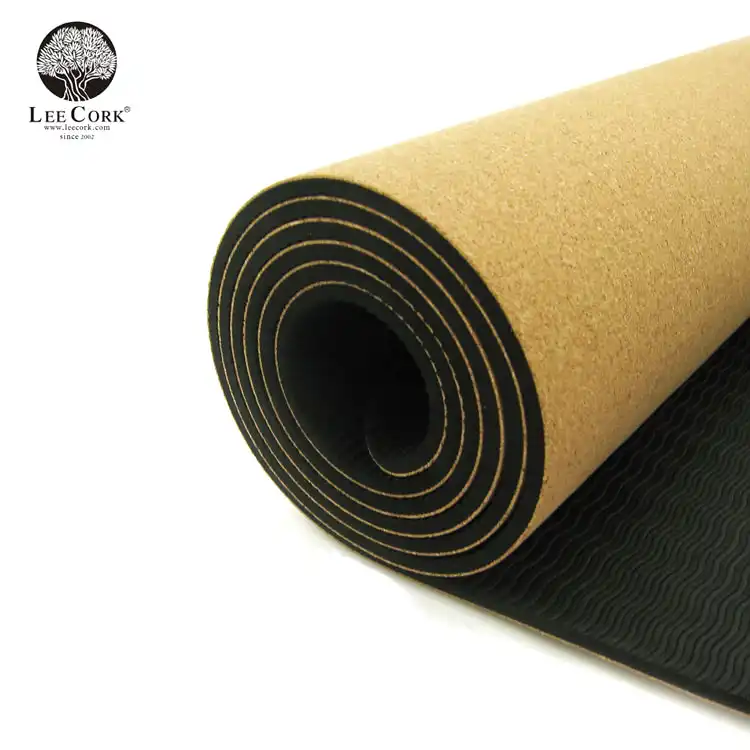
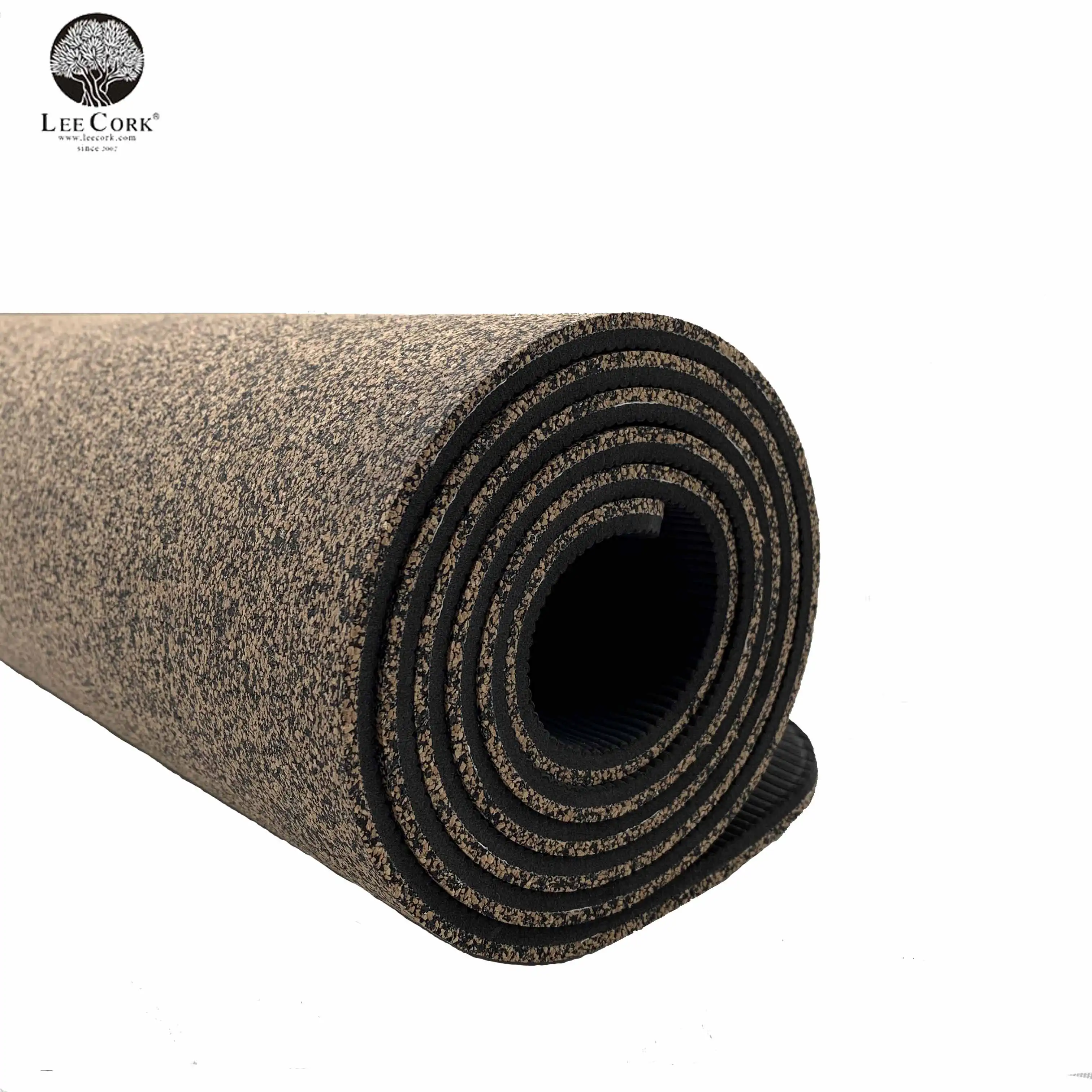
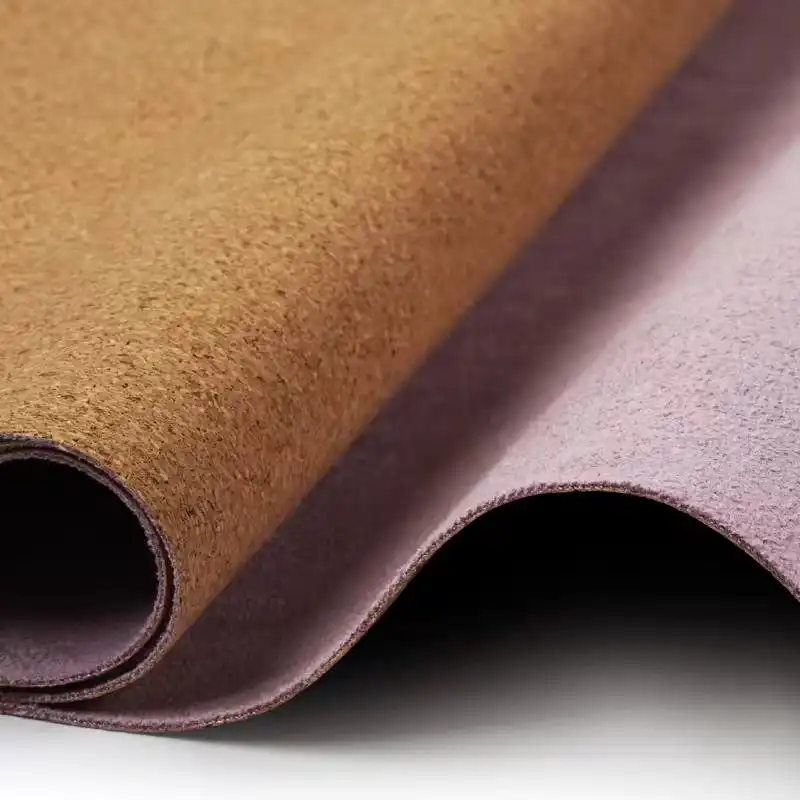
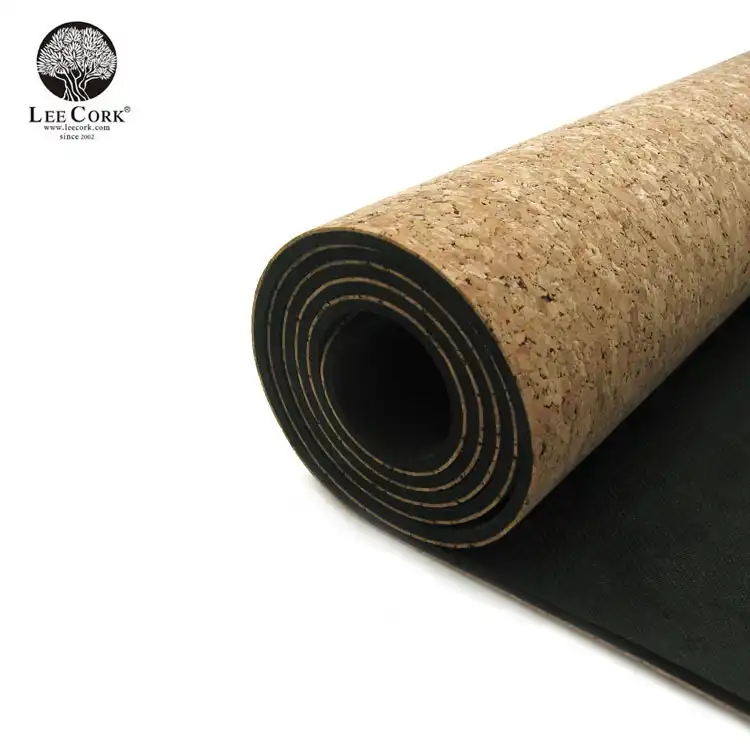
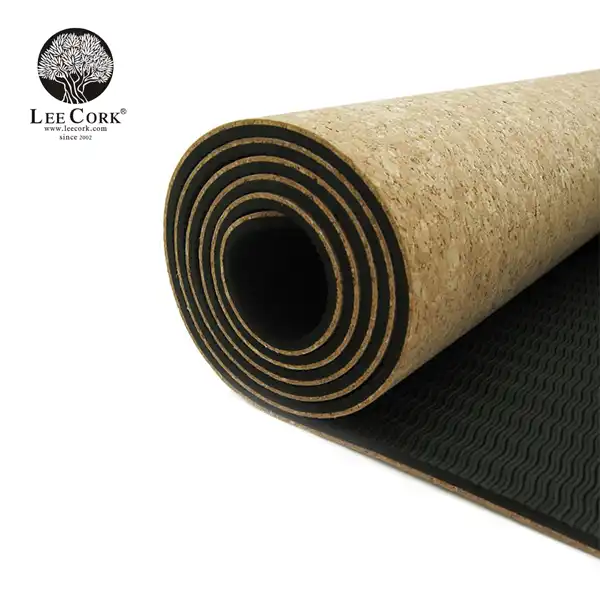
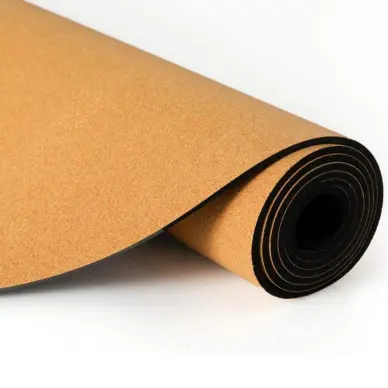
Before we get into the science of sweat and grip, let’s look at the anatomy of this equipment. Unlike standard mats that are simply sheets of manufactured rubber or plastic, a Yoga Mat Cork combines two powerful elements of nature.
The Science of Suberin
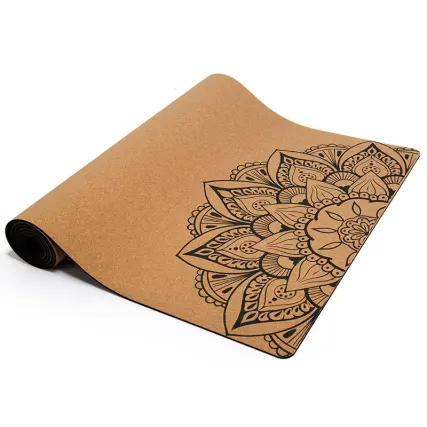
The top layer is harvested from the bark of the Cork Oak tree, primarily found in Portugal. Of course, this type of tree also exists in many parts of China. The magic ingredient here is Suberin. This is a waxy, hydrophobic substance naturally found in cork cells. While you might think "waterproof" means slippery, Suberin actually provides a unique tactile grip. It repels water (so no absorbing sweat) but creates friction with the moisture on your palms. As one industry expert notes, cork mats are hydrophilic—they grip harder when damp .
The Rubber Foundation
The bottom layer of a quality Yoga Mat Cork is usually made from natural tree rubber. This provides the "springy ride" that cushions your joints, unlike the dead feeling of PVC. The combination of a rigid cork top and a shock-absorbing rubber base creates a perfect balance of stability and comfort .
Does a Natural Cork Yoga Mat Get Slippery When You Sweat?
This is the number one question for any hot yogi or power vinyasa enthusiast. If you’ve used a cheap mat before, you know the terror of slipping in Downward Dog. So, how does the Yoga Mat Cork stack up?
The “Wetter is Better” Phenomenon
With synthetic mats, sweat sits on the surface, creating a slip hazard. With a Yoga Mat Cork, the opposite happens. As you sweat, the cork absorbs a tiny amount of moisture, activating the texture and increasing the grip coefficient .
Think of it like high-end climbing chalk or rosin. You don't want a soaking wet mat, but a light mist or perspiration actually activates the grip. Many users report that the mat feels better as the practice heats up, not worse. This makes it one of the top recommended materials for Hot Yoga and Bikram, second only to specialized rubber .
The Hygiene Factor: Why Cork is Anti-Microbial
Let’s talk about the gross stuff. Sweat, dead skin cells, and humidity turn most yoga mats into petri dishes. If you’ve ever sniffed your old mat and recoiled, you know what I mean.
Yoga Mat Cork solves this problem biologically. Cork contains natural properties that resist bacteria, mould, and mildew . You don't need to spray harsh chemicals on this mat. Usually, a simple wipe with a damp cloth is enough to keep it pristine . Because the cork is naturally antimicrobial, it doesn't degrade from the inside out like foam mats do when they trap moisture. This is a massive advantage for those prone to skin breakouts or allergies.
Durability vs Sustainability: The Trade-Offs
A common critique you will find online is that a Yoga Mat Cork might not last as long as a heavy-duty PVC mat (like the famous 20-year warranty mats). However, this requires context.
The Biodegradable Choice
A PVC mat lasts for 20 years, but it turns into microplastic waste. A Yoga Mat Cork is designed to live a beautiful life and then return to the earth. Most cork mats are 100% biodegradable—when you finally retire it, it won't sit in a landfill for 500 years .
Lifespan Expectations
According to material science data, while PVC lasts 5-20 years, a high-quality Yoga Mat Cork lasts between 1 to 4 years depending on usage intensity . However, unlike PVC which becomes brittle, cork just wears down gracefully. If you practice daily, you might see the surface texture flatten after 18 months—this is normal. Brands like Yoga Design Lab and AIREX have engineered ways to maximize this lifespan through better lamination techniques .
How to Care for Your Investment
To get the most out of your Yoga Mat Cork, you cannot treat it like a rubber mat. Here is your quick care guide:
Do not soak: Never submerge a cork mat in water. The cork is bonded to rubber; soaking can cause delamination.
Vinegar is fine: A spray of diluted white vinegar or mild soap (like Castile soap) is the best cleaner. Avoid oil-based cleansers, which break down the cork’s natural texture .
Roll Cork-Side Out: When storing, always roll it with the cork facing outwards. Rolling it cork-in compresses the delicate surface and causes it to crack.
Airflow: Store it in a cool, dry place. Cork likes to breathe.
Conclusion & Call-to-Action
Switching to a Yoga Mat Cork is a commitment to a healthier practice and a healthier planet. While it may have a different tactile feel at first than the sticky plastic mats you grew up with, the benefits—natural anti-microbial properties, superior wet-grip, and sustainable harvesting—are undeniable.
Are you ready to elevate your practice with nature’s best engineering? Whether you are a hot yoga lover or an eco-warrior, a Yoga Mat Cork is waiting to support you.
Frequently Asked Questions (FAQ)
Q1: Is a Natural Cork Yoga Mat heavy?
A: Yes, generally. Because of the dense natural rubber base, they tend to weigh between 2.5kg and 3.5kg. This is heavier than thin travel mats but provides excellent stability .
Q2: Can I use a Natural Cork Yoga Mat for Hot Yoga?
A: Absolutely. Cork is excellent for hot yoga because its grip improves with moisture (sweat). Just be sure to wipe it down after class to prevent any salt buildup .
Q3: Why is my new cork mat flaky?
A: Some flaking is normal during the "break-in" period (first 2-3 uses). The loose surface fibers will shed, leaving a denser, smoother, and grippier surface behind . If it continues heavily, it might be a manufacturing defect.
Q4: Is harvesting cork bad for trees?
A: No. Harvesting cork is one of the most sustainable agricultural processes in the world. The bark is stripped by hand every 9 years without harming the tree, allowing it to regenerate. The forests actually absorb more CO2 when being harvested .
Author Bio:
Juliana, Sales Representative for the Leecork Yoga Group in Xi'an.
If you would like to receive more product information, please contact me at info@leecork.com
References:
FP Movement x Yoga Design Lab Product Specs
Rituil Sustainable Textiles Market Entry
Schildkröt Sport Material Overview
Ming Yoga Mat Material Comparison Guide
Natura Dura Care Guides
AIREX Product Specifications
Second Earth Affinity Mat Specs
MSY Durable Materials Testing
Speed Queen Cleaning Protocols