
Why Do Cats Love Cardboard? Discover the Perfect Cat Scratching Board for Your Feline Friend
If you’ve ever owned a cat, you already know the struggle. You bring home a beautiful new sofa, and within 24 hours, your furry companion has turned one arm into shredded confetti. It’s frustrating, but here’s the truth: scratching isn’t vandalism. It’s instinct. And instead of fighting nature, the smartest move is to redirect it. That’s where a quality Cat Scratching Board becomes the unsung hero of your living room. But not all scratching boards are created equal. Some fall apart within weeks. Others collect dust because your cat simply ignores them. So, what actually works? Let’s talk about the materials and one design.
What Makes a Cat Scratching Board Irresistible to Your Cat?
You might think all scratching surfaces are the same. They’re not. Cats are picky. They have preferences based on texture, angle, stability, and even smell. If you’ve ever bought a scratching post that your cat snubbed, you know the disappointment. So let’s break down the psychology.
Material More Than You Think
In the wild, cats scratch tree bark. It’s rough, fibrous, and offers just the right resistance to remove the dead outer layer of their claws. That’s why a corrugated cat scratch board often wins over carpet or sisal. Corrugated cardboard mimics that natural “tear” feel. But here’s where most brands cut corners: they use cheap, single-layer cardboard that flakes apart into a dusty mess. Your cat scratches twice, and suddenly your floor looks like a paper shredder exploded.
Shape and Stability Determine Usage
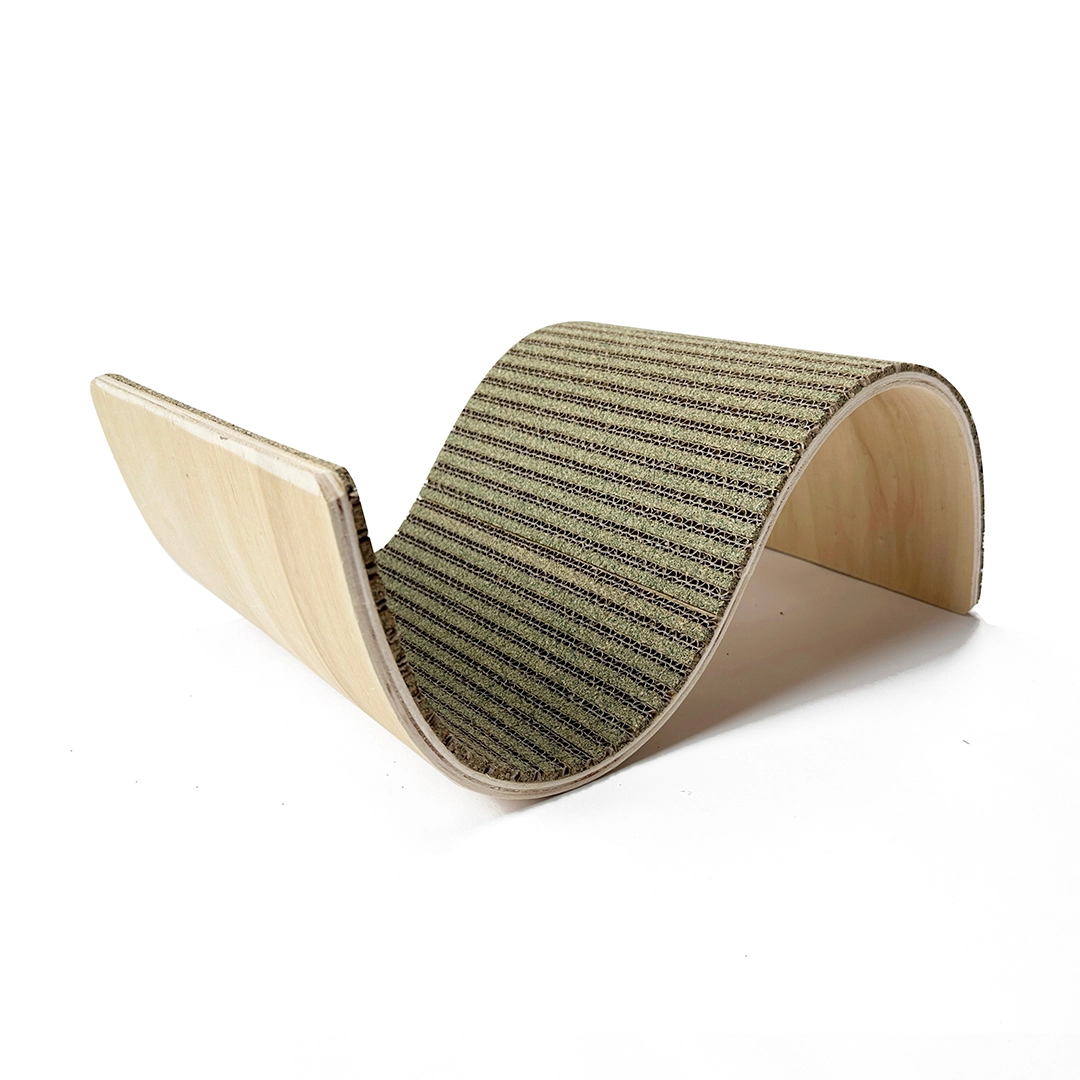
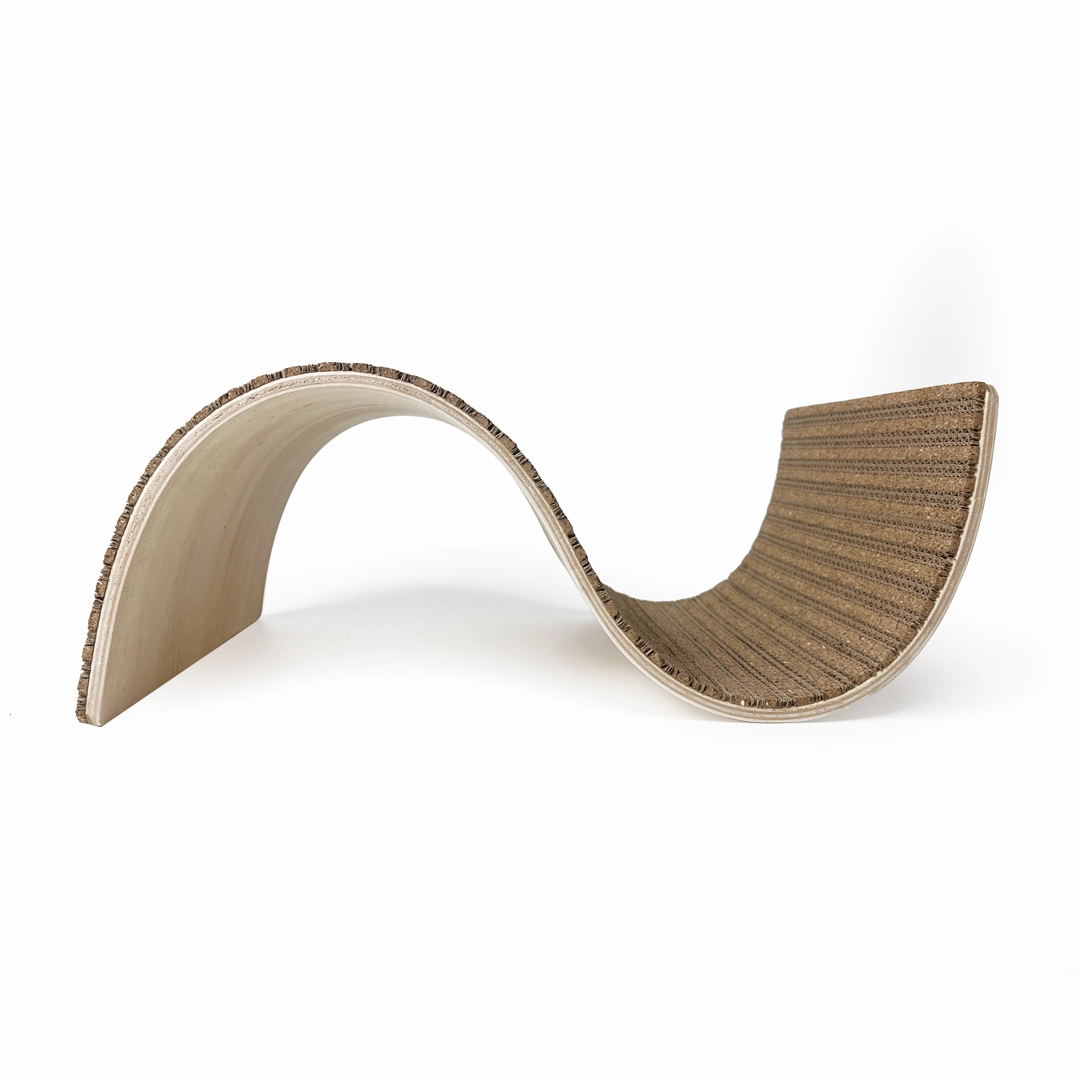
A wobbly scratching board? Instant rejection. Cats want leverage. They want to stretch their spine, dig their claws in, and pull back with force. If the board slides across the floor, they’ll walk away. That’s why the shape and base design matter tremendously. A curved or S-shaped board offers multiple scratching angles, allowing your cat to scratch horizontally, vertically, or somewhere in between.
The Problem with Cheap Scratching Boards (And Why You Should Avoid Them)
Walk into any pet store, and you’ll see a wall of budget Cat Scratching Board options. They’re cheap. They’re colorful. And they’re almost guaranteed to disappoint. Here’s what happens three weeks in: the cardboard separates into layers, little paper crumbs coat your rug, and your cat loses interest because the board no longer offers satisfying resistance. Meanwhile, you’re back online searching for a replacement.
The Hidden Cost of Low-Quality Materials
That dust you’re vacuuming? It’s not just annoying. For sensitive cats or owners with allergies, cheap cardboard can release fine particles into the air. Some glued layers contain adhesives with strong chemical smells that actually repel cats. So you end up with a product that’s messy, short-lived, and ignored. That’s not a solution. That’s a waste.
Why “Natural” Is More Than a Buzzword
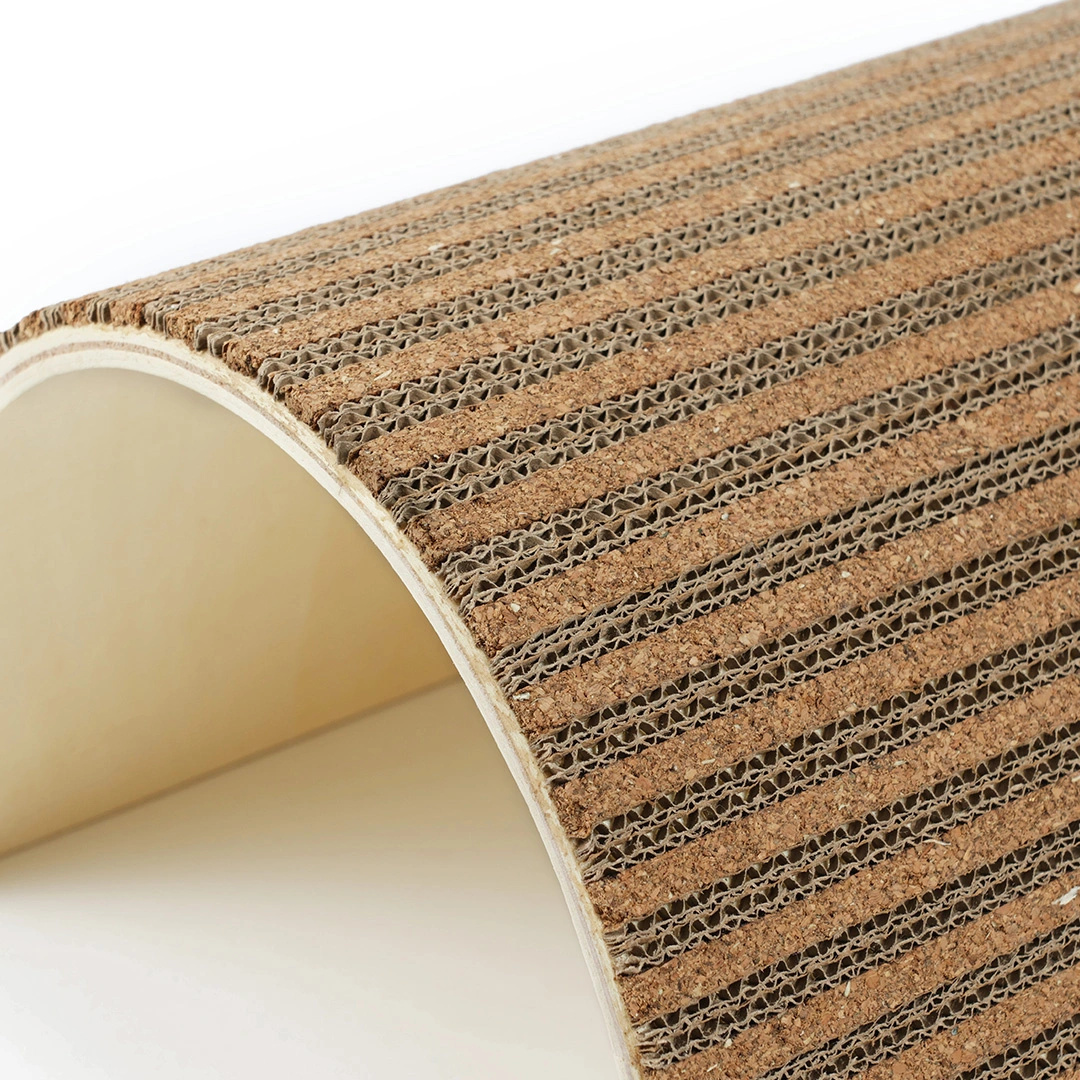
Cats evolved outdoors. Their bodies recognize natural materials. When a scratching surface feels synthetic or smells like factory chemicals, many cats will simply avoid it. That’s why the best designs incorporate materials like cork and high-density corrugated paper. These materials breathe, they don’t off-gas strong odors, and they offer that “bark-like” friction that triggers your cat’s natural scratching instinct.
Introducing the S-Shaped Cat Scratching Board – A Smarter Design
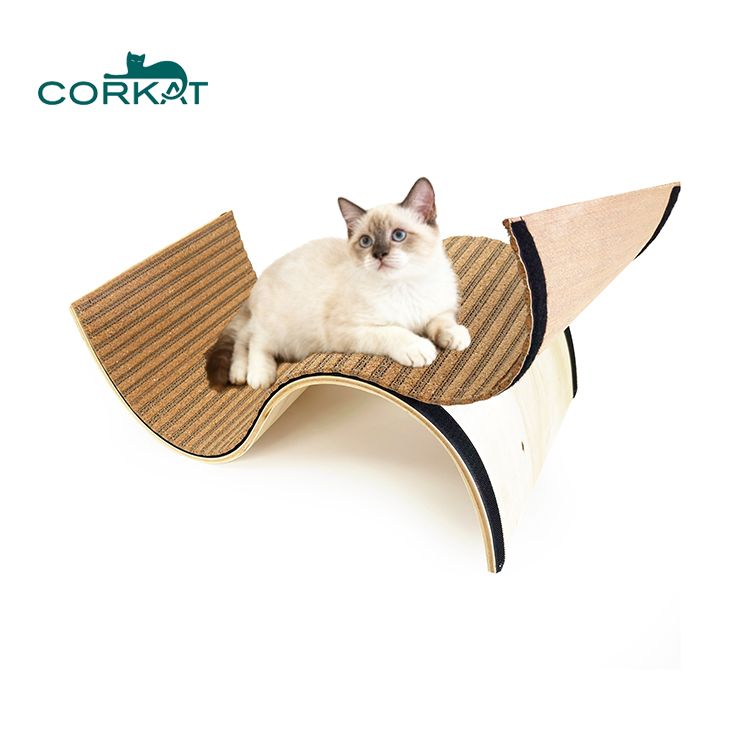
After testing dozens of products and watching how real cats interact with different surfaces, one design stands out. Meet the S-Shaped Cat scratching board. At first glance, it looks different. That’s intentional. The S-curve isn’t just for aesthetics. It serves a functional purpose that flat boards and straight posts completely miss.
Patented Technology for Real-World Use
This isn’t another generic cardboard slab. The S-Shaped Cat scratching board features patented technology that addresses the three biggest complaints: durability, mess, and engagement. The structure reinforces the corrugated layers so they don’t separate easily. That means less slag on your floor and a board that lasts months instead of weeks.
Cork + Corrugated Paper – A Natural Combination
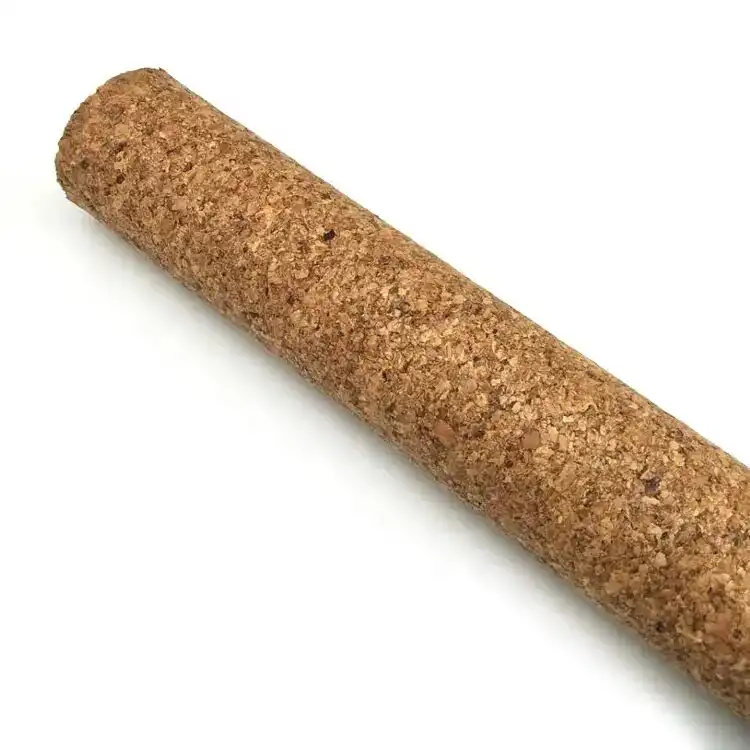
Here’s where the magic happens. The surface layer is cork. Why cork? Because it closely resembles the texture of tree bark. It’s slightly rough, naturally grippy, and satisfies your cat’s deep urge to shred something that feels alive. Underneath, high-density corrugated paper provides the resistance and satisfying tear. Together, they create a surface that cats genuinely prefer over cheap alternatives.
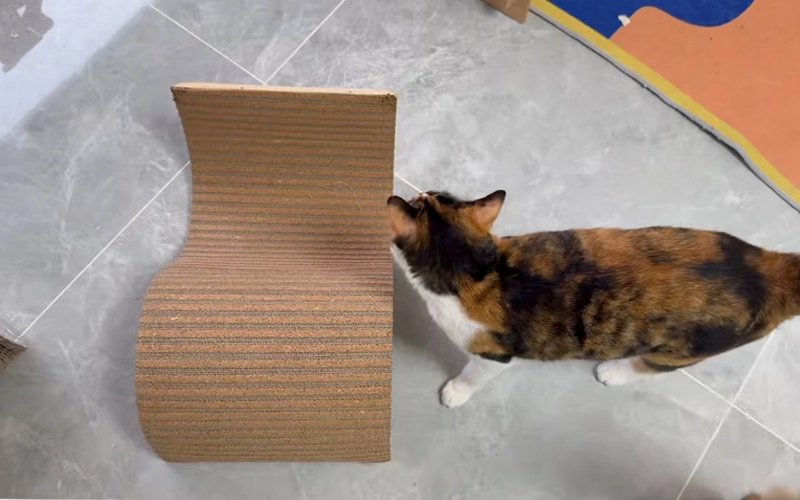
Let me give you a specific example. A friend of mine adopted a rescue cat who had destroyed three sofa corners. She tried two different flat corrugated cat scratch board options. The cat ignored both. Within ten minutes of placing the S-shaped cork board nearby, the cat walked over, sniffed, stretched, and started scratching. She hasn’t touched the sofa since. That’s the power of matching natural instincts with smart design.
Natural Materials That Inhibit Bacterial Growth
Here’s something most pet brands won’t tell you. Scratching boards get dirty. Paws track litter. Claws carry bacteria. Over time, cheap cardboard can become a breeding ground. But cork has natural antimicrobial properties. It inhibits the growth of bacteria without any chemical treatment. That means a cleaner surface for your cat and fewer odors in your home. It’s a small detail that makes a big difference over months of daily use.
How to Make Your Cat Switch from Furniture to a Scratching Board
You could buy the world’s best Cat Scratching Board, but if you just toss it on the floor and hope for the best, your cat might not automatically switch. Cats are creatures of habit. Here’s a simple three-step method that works.
Placement Is Everything
Put the scratching board next to the furniture your cat already targets. Don’t hide it in a corner. If your cat scratches the left arm of the sofa, place the board right there. Better yet, angle the S-shape so it mimics the same scratching position your cat already uses.
Use Catnip to Seal the Deal
The S-Shaped Cat scratching board comes with added catnip. Why? Because smell is a powerful trigger. Sprinkle a little on the surface for the first few days. The catnip doesn’t just attract your cat—it creates a positive association. Your cat thinks, “This thing smells amazing AND feels great to scratch.” After a week, the habit sticks even without the catnip.
Adjust the Shape to Fit Your Space
One of the smartest features of this wave-shaped board is its adaptability. The shape can be adjusted according to your needs and can be perfectly integrated with your furniture. Need a low profile? Flatten the curve slightly. Have a corner that needs protection? Bend it to fit. This flexibility means you’re not rearranging your home around a scratching post. Instead, the board works around you.
Longevity, Safety, and Real Value
Let’s talk dollars and cents. A cheap corrugated cat scratch board might cost $10. But if it falls apart in a month and you have to buy twelve of them per year, that’s $120 annually. Plus the frustration. Plus the vacuuming. Plus the risk your cat gives up and returns to your sofa.
Scratch Abrasion Resistant Design
The S-Shaped board is built with scratch abrasion and resistant materials. That means the cork surface holds up longer than standard cardboard. The corrugated core doesn’t collapse into dust. Your cat can scratch the same spot hundreds of times before you see significant wear. And when one side eventually wears down? Flip it. The double-sided design doubles the lifespan.
Cork Pellets, Not Easy to Drop Slag
Remember that mess I mentioned? Cheap boards leave a trail of paper crumbs. The S-Shaped board uses cork pellets that hold together. Not easy to drop slag means you spend less time cleaning and more time enjoying your cat. For apartment dwellers or anyone who hates daily vacuuming, this feature alone justifies the switch.
Unleash Natural Instincts Without Sacrificing Your Home
At its core, a scratching board isn’t about stopping your cat from scratching. It’s about giving them a better option. When you provide the right surface, your cat gets to unleash their natural instincts in a way that works for both of you. Stretching, marking territory, removing claw sheaths—these are healthy behaviors. The goal isn’t suppression. It’s redirection.
Final Thoughts – A Small Change That Protects Your Furniture and Enriches Your Cat
After watching countless cat owners struggle with shredded couches and ignored scratching posts, the conclusion is clear. Surface, shape, and material quality determine everything. A flat, cheap Cat Scratching Board will fail. But a thoughtfully designed S-shaped board with cork and corrugated paper? That’s a different story. It respects your cat’s biology. It fits into your home without looking like an eyesore. And it lasts.
So here’s my challenge to you. Look at the furniture your cat has already damaged. Then look at the S-Shaped Cat scratching board. For less than the cost of a single sofa repair, you can offer your cat something they’ll genuinely prefer. And if your cat ignores it? Place it differently. Add catnip. Be patient. Nine times out of ten, the right board wins.
FAQ
1. How often should I replace a Cat Scratching Board?
It depends on how much your cat scratches. With the S-Shaped cork and corrugated paper design, most cats get 3–6 months of use per side. Flip it once the first side shows wear, then replace when both sides are used.
2. Is cork safe if my cat chews on the board?
Yes. Cork is a natural, non-toxic material. Unlike some treated cardboards, cork contains no harmful adhesives or chemicals. However, no scratching board is designed for chewing. If your cat eats large pieces, consult your vet.
3. Why does my cat ignore some corrugated cat scratch boards?
Often it’s the smell or texture. Cheap boards use strong glues that cats dislike. The S-Shaped board uses natural cork and catnip to attract cats immediately.
4. Will the cork pellets fall off and make a mess?
No. The cork is compressed into a durable surface. It’s not easy to drop slag, unlike cheap cardboard boards that shed constantly. Some minimal natural shedding may occur, but it’s far less than standard options.
5. Can I use this board for multiple cats?
Absolutely. The S-Shaped board is large enough (445*275*170mm) for two cats to share. The durable materials handle multiple scratching sessions daily.
6. Does the catnip wear off?
The board comes pre-treated with catnip. Over time, the scent fades. You can refresh it by buying loose catnip and sprinkling a small amount on the surface every few weeks.
About the Author
Emily Yang
info@leecork.com

You May Like
0
-1 600kb-logo_1755680951445.jpg "Cat Nest Bed")