Why Cork Building Blocks? Because Play Should Be Safe, Quiet, and Sustainable
Introduction
If you've ever watched a toddler stack wooden blocks, you've also seen them topple over—and sometimes land on little feet or heads. It's not dangerous, but it's not fun either. The hard thud, the crying, the sudden end to playtime.
That's where cork building blocks come in. They're not trying to be another wooden block. They're a completely different category—one that addresses the real problems parents didn't even know they had.
The Safety Advantage
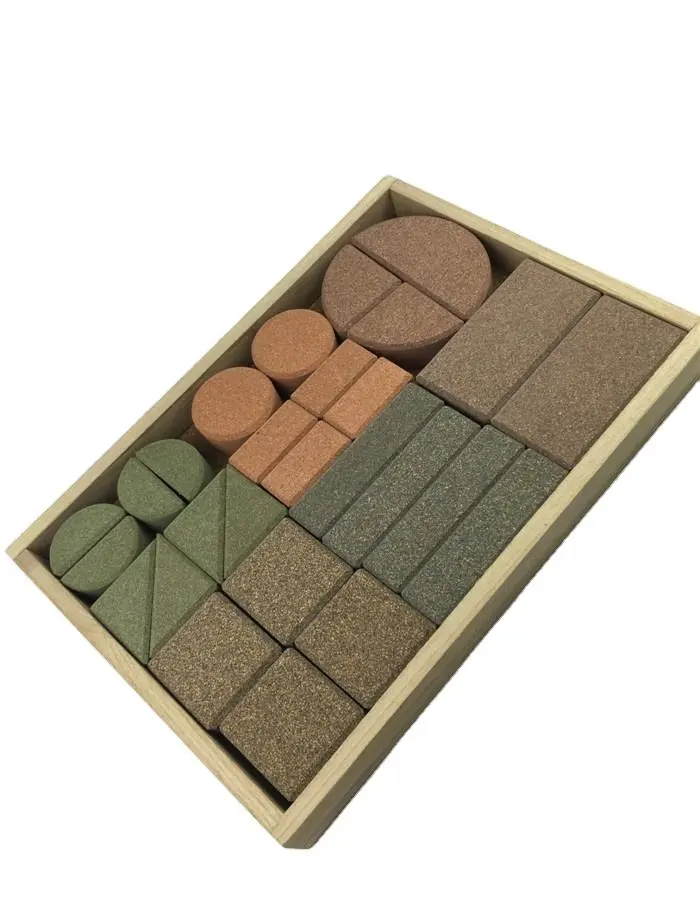
Kids drop things. They throw things. They knock things over—especially when they're building towers.
With traditional wooden blocks, a falling block can hurt. It's hard, it's heavy, and it lands with a thud. Cork building blocks, on the other hand, are lightweight and slightly soft. They still hold their shape, but they absorb impact rather than delivering it.
Key safety benefits:
Lightweight – even a toddler can lift a cork block twice the size of a wooden one
Rounded edges – no sharp corners, no splinters, no rough spots
Soft landing – if it drops, it doesn't hurt toes, heads, or floors
Non-toxic – cork is naturally free from harmful chemicals and allergens
For parents, this means less stress. For kids, it means more freedom to experiment without getting hurt. For daycare centers, it means fewer accidents and less liability. And when you're choosing cork building blocks, you're choosing peace of mind.
Sensory Benefits That Support Development
Cork has a unique texture—warm, slightly grainy, and soft to the touch. It's not cold like plastic or hard like wood. For young children, this sensory experience is part of the learning process. They explore through touch, and cork offers a more forgiving surface for little hands.
Why this matters:
Tactile exploration helps build neural connections in young brains
The warm, natural texture feels more inviting than cold plastic
Lightweight blocks are easier to grip, which builds fine motor skills
Cork building blocks provide gentle feedback when touched, which helps with hand-eye coordination
The blocks also make a different sound when they clink together—softer, quieter, less jarring. It's a subtle difference, but it changes the entire feel of playtime. Parents notice it too—less noise, less chaos, calmer play sessions. Cork building blocks don't just feel different; they sound different.
Sustainability Without Compromise
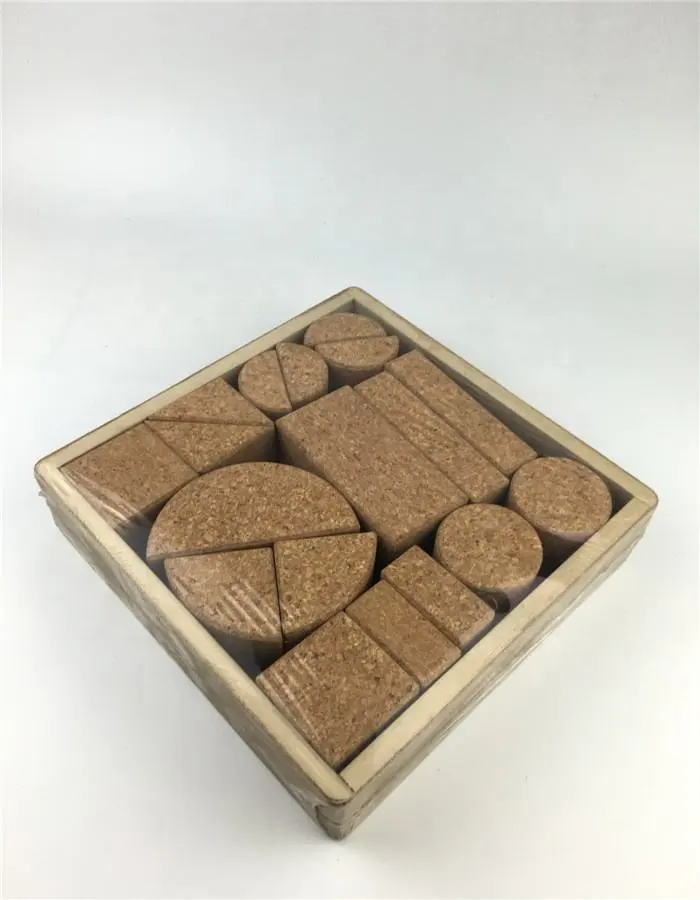
Cork comes from the bark of cork oak trees. The bark is harvested every nine years without cutting down the tree. It grows back. This is about as sustainable as a material can get.
|
Material |
Source |
Renewable? |
Biodegradable? |
|
Cork building blocks |
Tree bark |
✅ Yes |
✅ Yes |
|
Wooden blocks |
Whole trees |
⚠️ Slow |
✅ Yes |
|
Plastic blocks |
Petroleum |
❌ No |
❌ No |
Wooden blocks, even those made from responsibly sourced timber, still require cutting down trees. Plastic blocks are made from petroleum and will outlast your grandchildren. Cork building blocks skip both issues entirely.
For buyers who are increasingly conscious of where their products come from, cork offers a genuine environmental benefit that doesn't require any trade-off in performance. That's why cork building blocks are gaining popularity among eco-conscious families.
Durability That Surprises
Cork is naturally resistant to moisture, mold, and mildew. It doesn't splinter or crack like wood can. It doesn't scratch easily. And because it's lightweight, it doesn't dent floors or other furniture when dropped.
Real-world durability:
A cork block can be dropped hundreds of times without showing wear
It doesn't absorb spills—just wipe and continue
No splinters means less maintenance and fewer complaints
In practice, this means cork building blocks stand up to daily use—picked up, dropped, stacked, knocked down, and repeated again tomorrow, and the day after, and the day after that.
The Quiet Advantage
One thing parents don't always think about until they hear it: noise.
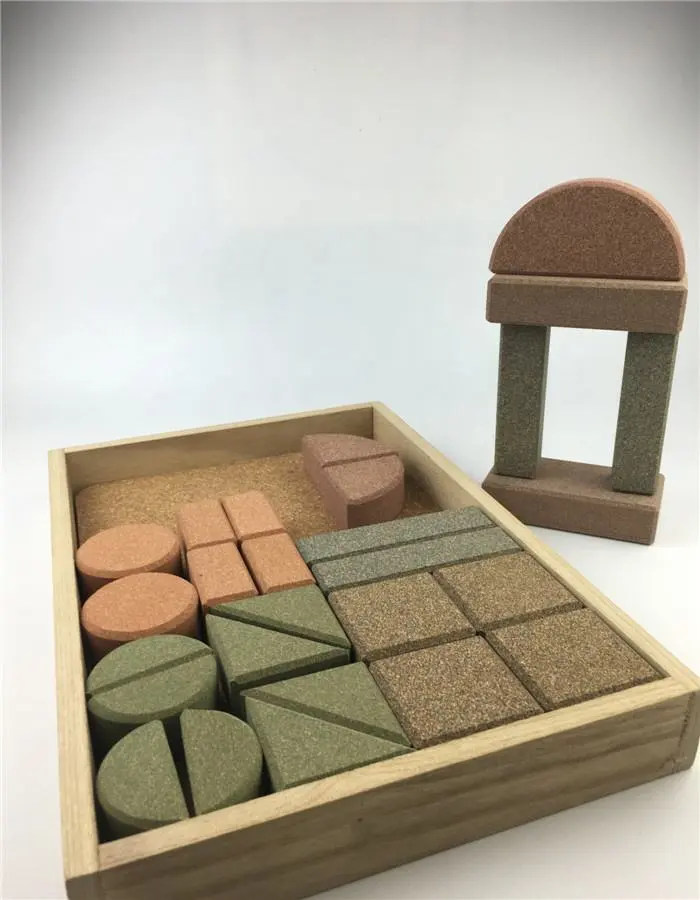
Wood blocks on a wooden floor: clack-clack-clack-clack. Plastic blocks: hollow, rattling noise. Cork building blocks: a soft, muffled sound that doesn't travel across the house.
If you've ever lived with a toddler who loves to knock down towers, you know the value of a quieter block. It's not just about peace and quiet—it's about making playtime less stressful for everyone in the room.
What This Means for Play
Cork building blocks encourage exploration. They're easy to grip, safe to drop, and interesting to touch. Whether a child is building a tower, sorting by size, or just stacking and knocking down, the material itself supports the play experience—it doesn't get in the way.
They're also easier to pack and carry—lighter than wood, quieter than plastic, and less likely to break anything nearby.
Conclusion
Cork isn't trying to replace wood or plastic. It's a different material with different strengths. For parents who want something safer, quieter, and more sustainable, cork building blocks make sense. They're not a trend—they're a genuinely better fit for the way young children actually play.
The next time you see a child struggling with heavy wooden blocks or sitting in a pile of plastic pieces, think about what cork building blocks could offer instead. Safer hands, quieter rooms, and a healthier planet—one block at a time.
FAQ
Are cork blocks safe for babies who put things in their mouth?
Yes. Cork is naturally non-toxic, free from harmful chemicals, and does not splinter.
Do cork blocks hold up over time?
Yes. Cork is naturally resistant to moisture and wear. Many cork toys remain in good condition for years.
What age are cork blocks suitable for?
Generally 6 months to 5 years. The lightweight design makes them suitable even for young toddlers.
Can cork blocks be cleaned?
Yes. Wipe with a damp cloth and mild soap. Do not soak or submerge in water.
Are cork blocks expensive?
They generally cost slightly more than plastic but are comparable to or less than high-end wooden blocks.

You May Like
0Related Industry Knowledge