
Why Choose Cork Foam Separator Pad for Protective Packaging?
Introduction
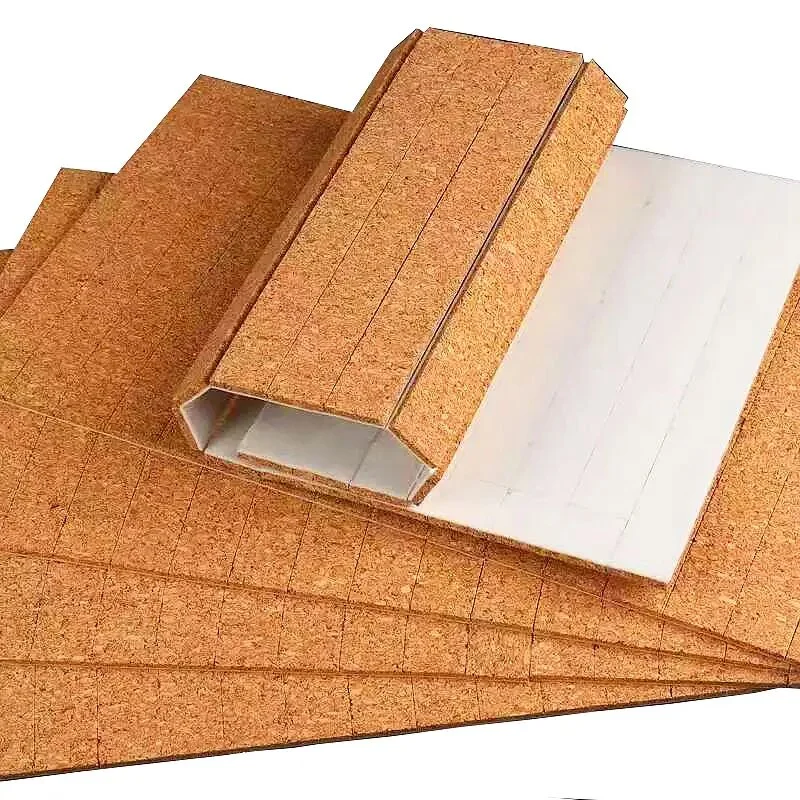
Industrial packaging's oldest debate: cork or foam? The answer is neither alone. The Cork Foam Separator Pad – a hybrid composite – has quietly become the industry standard for protecting delicate surfaces in storage and transit, combining the best of both materials.
Why Composite Beats Single-Material Solutions
The Limitations of Single Materials
Every packaging material has its Achilles' heel. Pure cork sheeting, despite its natural charm, offers limited cushioning and tends to crack under repeated impact. Foam padding alone? It's soft, sure, but it deforms under sustained pressure and shifts during vibration. Rubber pads bring weight and that unmistakable odour that never quite disappears.
The Composite Advantage
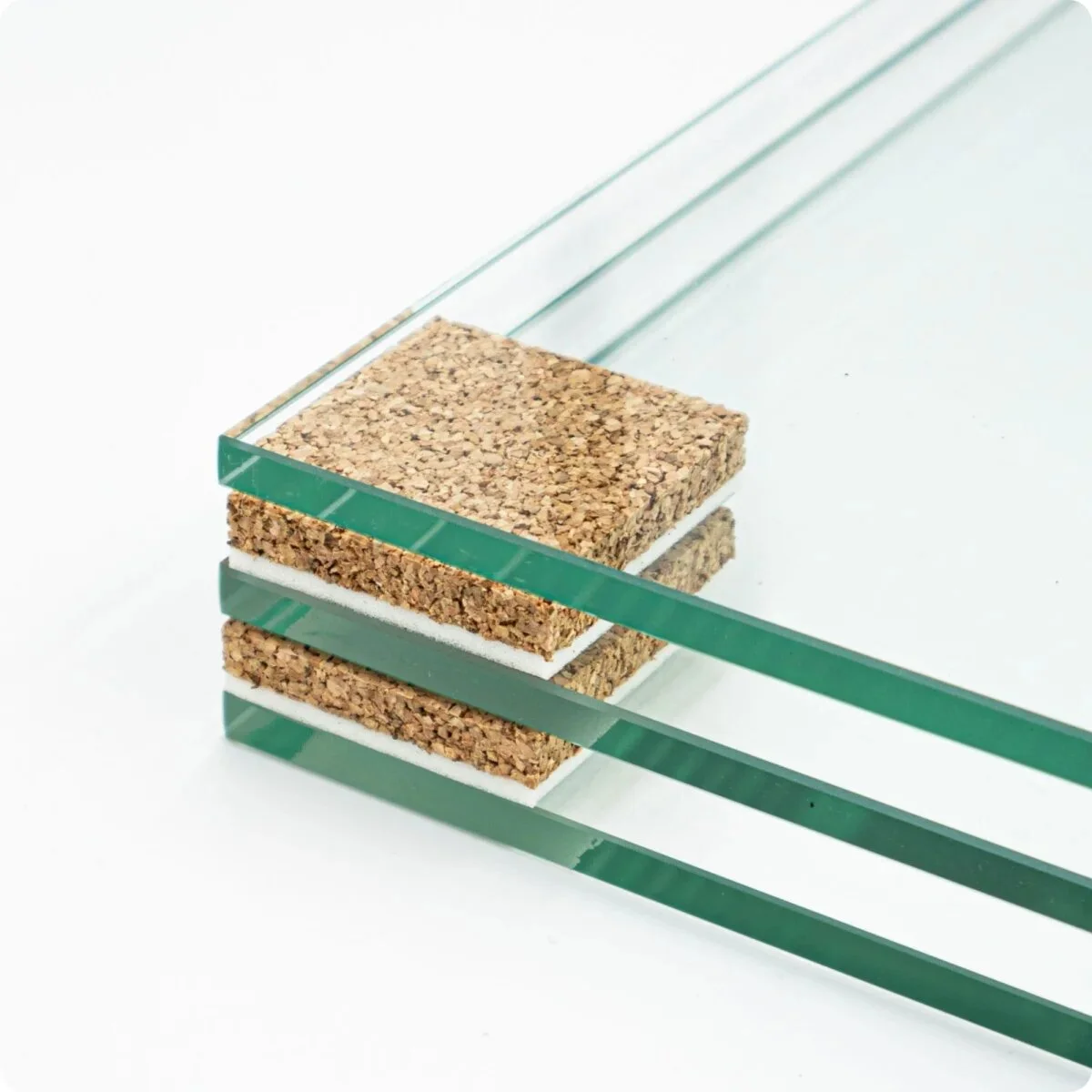
The Cork Foam Separator Pad delivers rigid support plus flexible absorption. Cork grips without scratching; foam absorbs shock and spreads pressure. Together, they achieve what neither can alone: firm yet forgiving protection. This dual-action explains why premium manufacturers in glass, stone, and electronics increasingly specify it for valuable shipments.
How It's Made: From Raw Materials to Finished Product
Step-by-Step Manufacturing Process
Understanding production gives clients confidence in quality consistency. The process follows a logical sequence:
Cork granules + binder → Thermal compression moulding → Foam lamination → Precision cutting/die-cutting → Inspection & packaging
In plain terms: we first compress cork particles into rigid boards using heat and pressure. Once the cork base is cured, we bond the foam layer using specialist adhesives. Finally, the composite sheet is cut to required dimensions – whether that means standard squares, custom rectangles, or intricate die-cut profiles. Every batch undergoes visual and physical inspection before leaving the factory floor.
Quality Control Checkpoints
During production, density, thickness uniformity, and bond strength are monitored at each stage. This systematic approach ensures that every Cork Foam Separator Pad leaving the facility meets the same performance benchmarks, batch after batch.
Technical Specifications at a Glance
Standard Formats and Dimensions
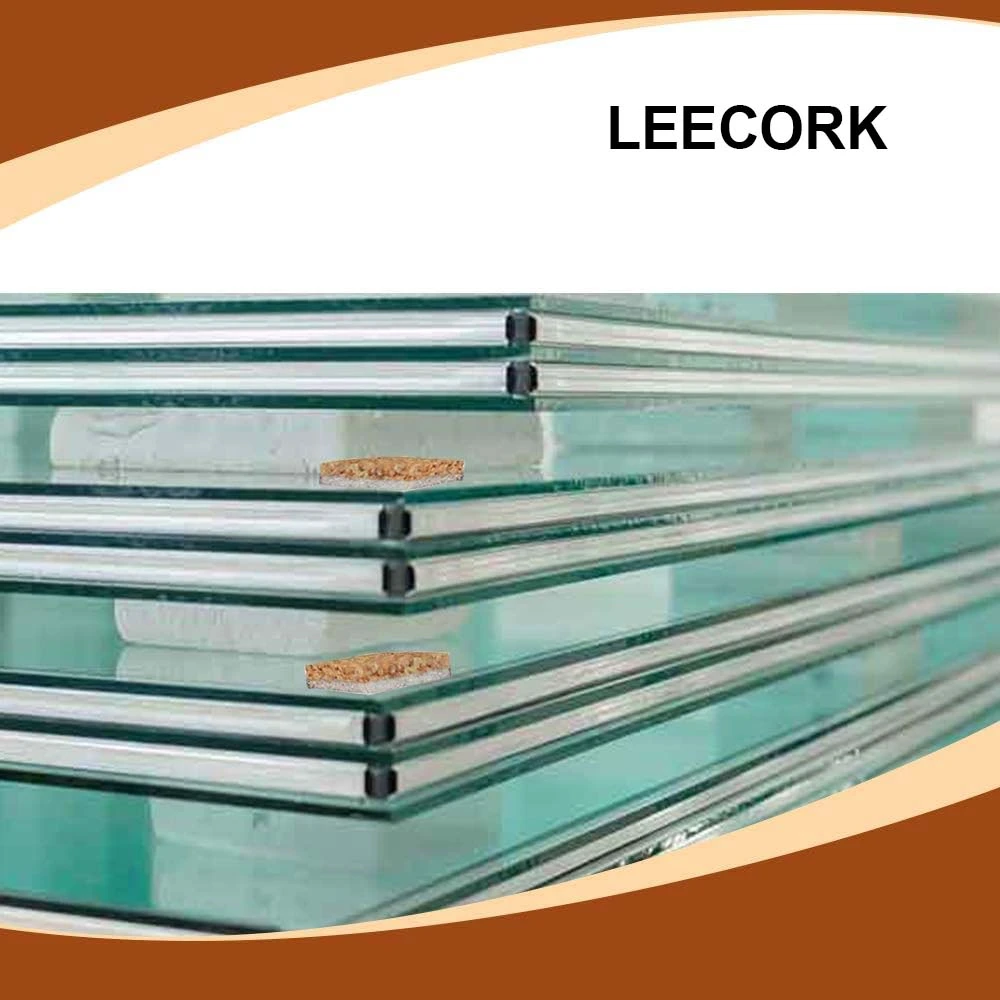
The flexibility in thickness is particularly valuable. Lightweight electronics need minimal cushioning; heavy machinery components require substantial shock absorption. With adjustable cork and foam layers, the Cork Foam Separator Pad can be engineered for virtually any load.
Performance Data That Matters
|
Property |
Typical Value |
Significance |
|
Cork layer density |
230–300 kg/m³ |
Indicates structural integrity |
|
Compression recovery rate |
≥ 85% |
Returns to original thickness after pressure is removed |
|
Temperature resistance |
-20°C to 80°C |
Suitable for most logistics environments |
|
Coefficient of friction |
Passes industry tests |
Prevents slippage during transport vibration |
The compression recovery figure deserves special attention. An 85% return rate means the pad doesn't permanently deform under load. This is critical for multi-use applications or long-term storage where sustained pressure would otherwise flatten lesser materials. Once the weight is lifted, the Cork Foam Separator Pad bounces back, ready for its next assignment.
Environmental and ESG Considerations
Sustainability Beyond Marketing
Modern procurement decisions increasingly hinge on environmental credentials. The Cork Foam Separator Pad scores well on multiple fronts:
Cork is harvested from the bark of cork oak trees (Quercus suber) – the bark regenerates every 9 years without felling the tree. This makes cork one of the most renewable natural materials available.
Foam layers can be specified with recycled or bio-based content – we work with suppliers who offer eco-friendly polyurethane and polyethylene alternatives.
The finished composite is recyclable – at end-of-life, the materials can be separated and processed into new products.
Biodegradable options exist – for clients prioritising full circularity, we offer formulations that break down under industrial composting conditions.
These attributes align with tightening EU packaging regulations and growing consumer demand for responsible sourcing. For brands exporting to environmentally conscious markets, the Cork Foam Separator Pad provides a tangible sustainability story without compromising performance.
Industry Trends Shaping Packaging Choices
Three macro-trends are driving adoption of composite protective materials:
Shift from single-use to reusable packaging – durable cork-foam composites withstand multiple shipping cycles, reducing overall waste.
Stricter requirements from high-tech manufacturing – semiconductor and display panel producers now mandate materials that combine low particle generation with consistent cushioning.
Regulatory pressure on packaging waste – the EU's Packaging and Packaging Waste Regulation (PPWR) pushes for reduced material intensity and increased recyclability.
The Cork Foam Separator Pad addresses all three simultaneously – it's durable enough for repeat use, clean enough for sensitive components, and compliant with emerging environmental standards.
Practical Considerations for Buyers
Suitability for Ocean Freight
A common question concerns maritime transport. Cork's natural moisture resistance and dimensional stability make it ideal for humid, salty environments. The foam layer, when closed-cell, resists water ingress. Combined, the Cork Foam Separator Pad performs reliably in containers crossing equatorial zones where temperature and humidity fluctuate dramatically.
Foam Ageing and Durability
Quality foam formulations maintain their elasticity for years under normal storage conditions. We use high-grade polyurethane and polyethylene variants that resist oxidation and UV degradation better than budget alternatives. For extended storage applications, we recommend accelerated aging tests to confirm suitability.
Conclusion
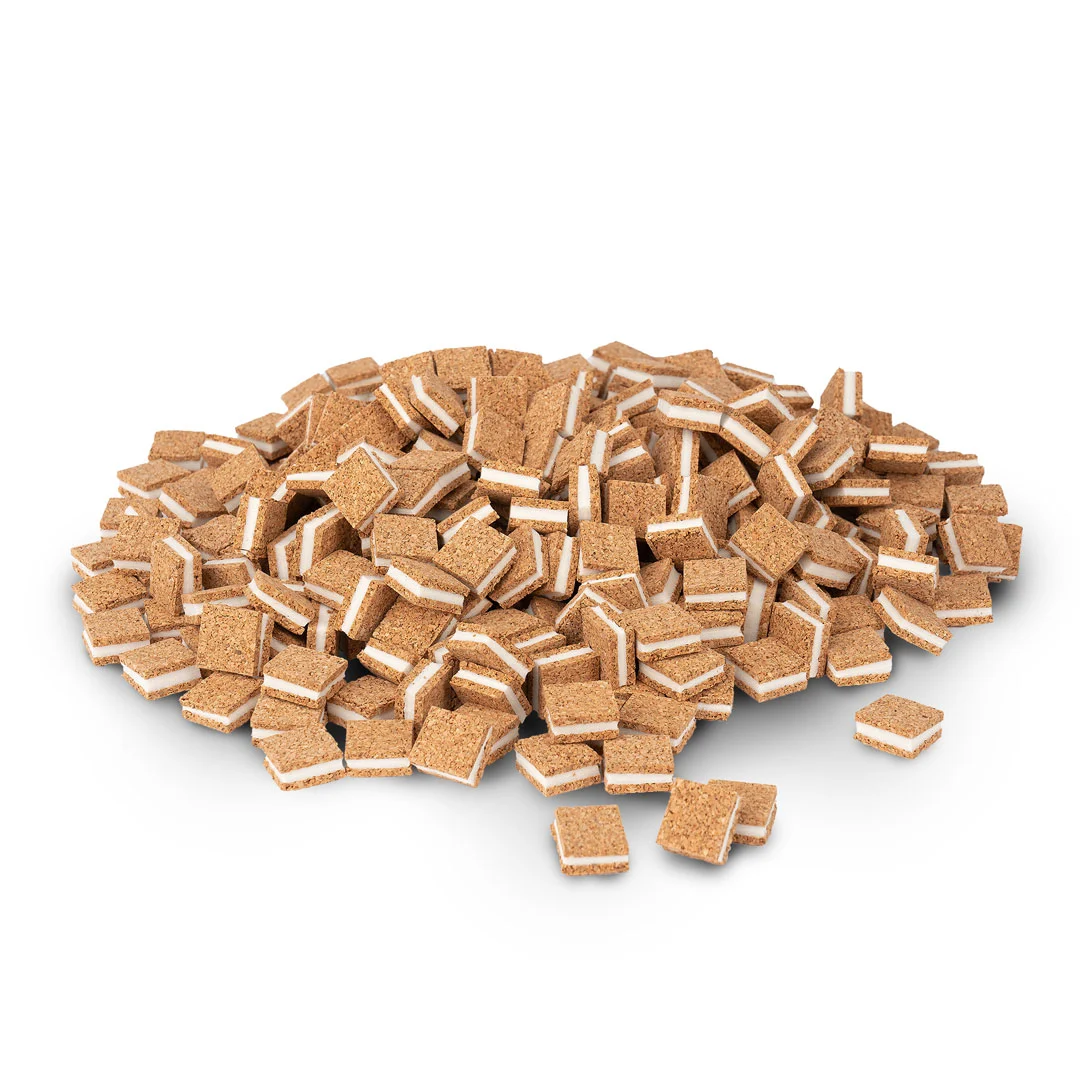
The Cork Foam Separator Pad combines cork's rigidity with foam's resilience – outperforming single materials in shock absorption, slip resistance, durability, and sustainability. For shipping high-value goods across stone, electronics, or furniture, this composite delivers one thing above all: confidence that cargo arrives as shipped.
References
European Commission (2024). Packaging and Packaging Waste Regulation – Technical Guidelines.
ASTM D3574 – Standard Test Methods for Flexible Cellular Materials.
International Safe Transit Association (ISTA) – Transport Test Standards.
About the Author
With over 25 years in industrial packaging design and material engineering, our team has worked alongside manufacturers across Europe and Asia to develop custom protective solutions. We combine hands-on production knowledge with a deep understanding of logistics challenges, helping clients reduce damage rates and improve sustainability metrics.
Frequently Asked Questions
Q1: Can this product withstand ocean freight conditions?
A: Yes. The cork layer naturally resists moisture and maintains dimensional stability in humid environments. The foam can be specified as closed-cell for additional water resistance, making the Cork Foam Separator Pad fully suitable for sea freight and long-haul shipping.
Q2: Will the foam layer become brittle over time?
A: With quality polyurethane or polyethylene foam, brittleness is minimal under normal storage. For critical applications, we offer accelerated aging data tailored to your profile.
Q3: Can you produce custom shapes with holes or irregular outlines?
A: Yes. We support die-cutting, perforations, and pressure-sensitive adhesive backing. Just provide a drawing or template – we'll handle the rest.

You May Like
0Related Industry Knowledge