
Where Do Tapered Cork Stoppers Actually Get Used? I Bought a Batch for My Candle Jars and Figured It Out
2026-09-24 14:17:36
A while back I was making candles at home. Once they were done, I couldn't find a lid that worked. Metal lids didn't seal well and cost too much. Plastic lids looked cheap and weren't gift-worthy. I dug around online and found Tapered Cork Stopper. Figured I'd order a batch and see.
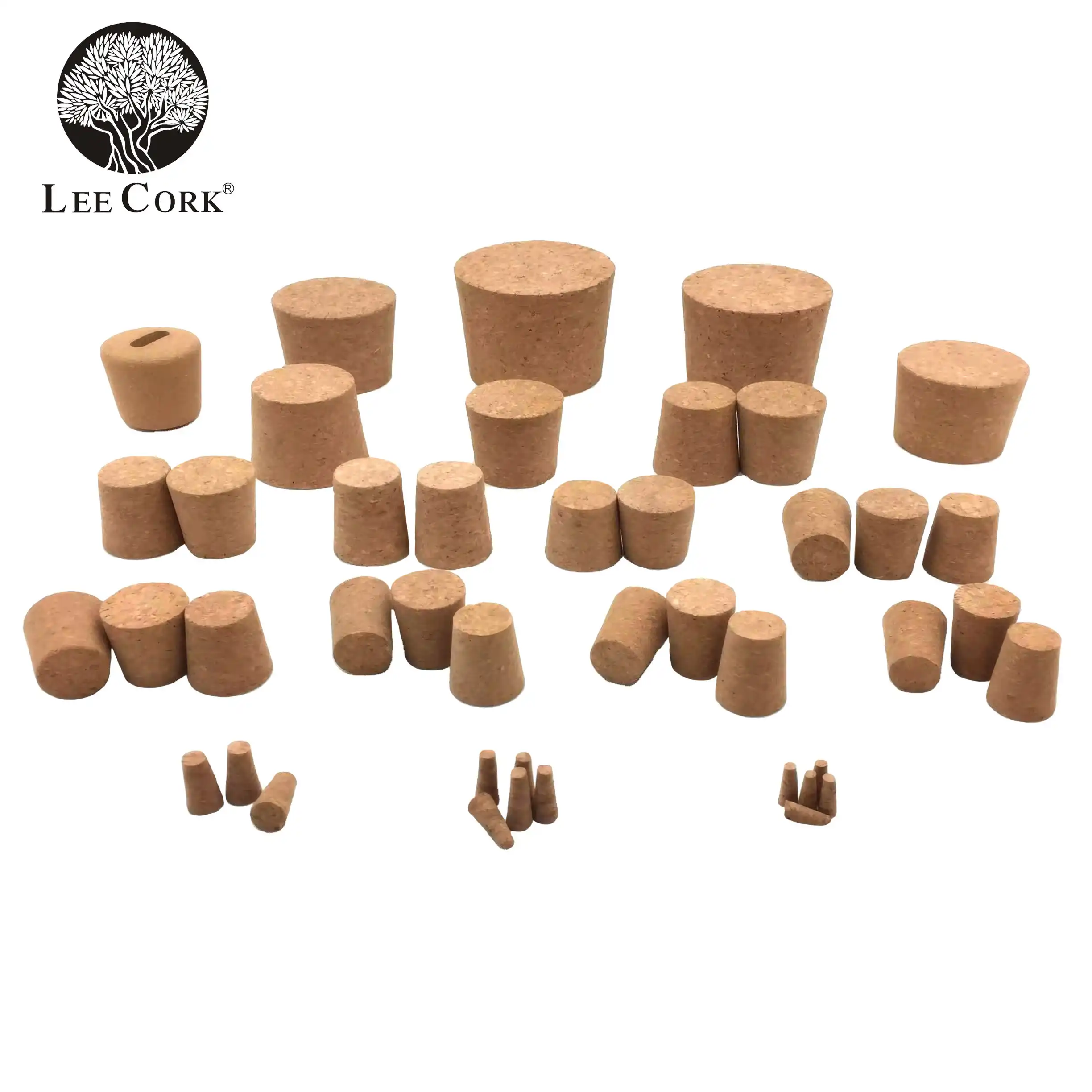
When the box arrived, I was honestly a little surprised. Over twenty sizes, from tiny D10 ones to big D107 ones, all neatly packed. I grabbed one and pushed it into a candle jar. Fit perfectly. The tapered side sealed tight with a little push. And the cork texture looked way better than metal or plastic. Natural color matched the candles. Made the whole thing look more polished.
After giving some away, a few friends asked where I got the lids. One said her first thought was "this jar looks expensive." After the candle was gone, she kept the jar for small stuff and never threw away the stopper. That's when I realized this Tapered Cork Stopper could do way more than I originally thought.
What's the difference between tapered and straight corks?
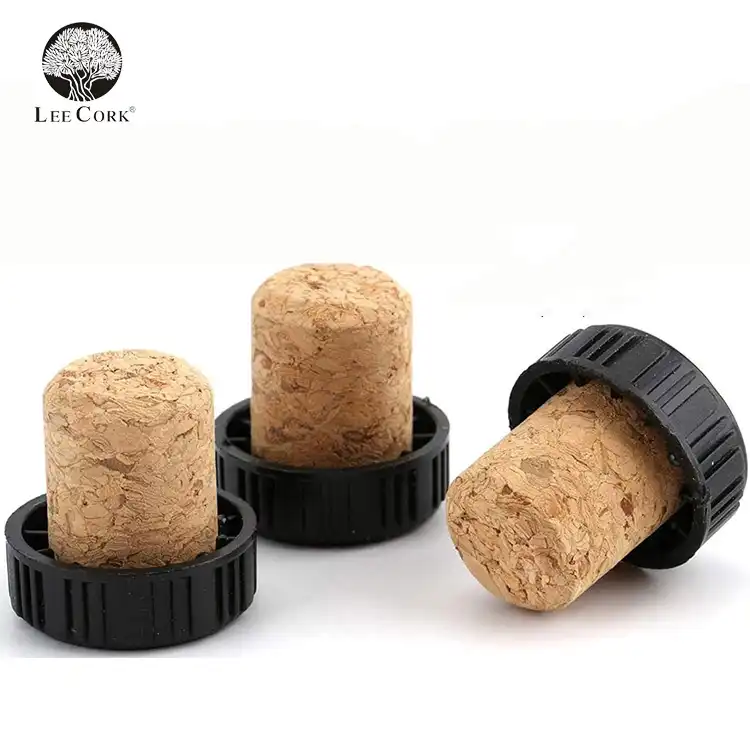
The big thing about Tapered Cork Stopper is right in the name – it's tapered. Wide on one end, narrow on the other.
That design makes a real difference in use. Straight corks need to be squeezed to seal, and they're picky about mouth diameter. Slightly off and they either won't fit or won't seal. Tapered ones let you control how deep you push them in. Shallow for easy pull-out, deeper for a tighter seal. You can adjust on the fly. Straight corks can't do that.
Another plus – they fit a wider range of container sizes. I tried the same stopper on two jars with slightly different mouth diameters. Both sealed fine. Straight corks can't pull that off.
Made from agglomerated cork – consistent density and feel
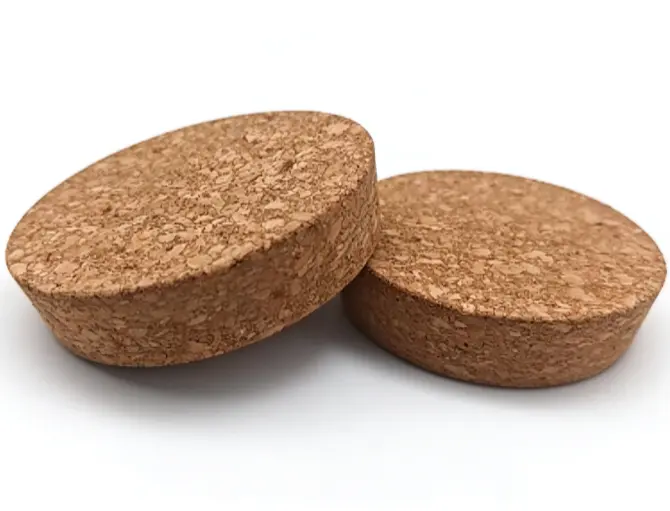
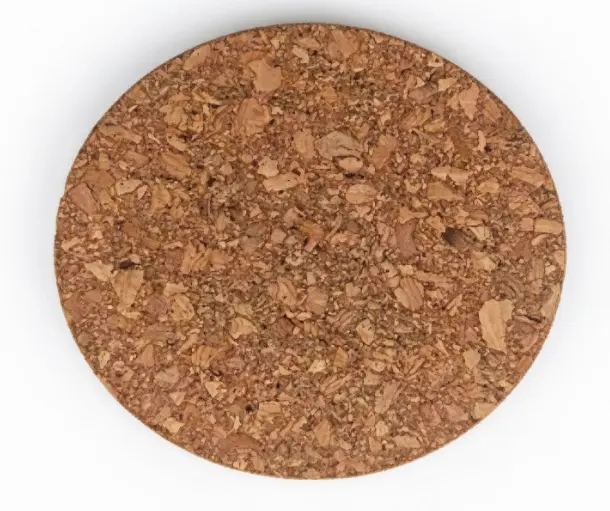
These Tapered Cork Stopper are made from agglomerated cork, medium-coarse particles. That means cork is ground into granules, mixed with food-grade glue, and pressed into shape. Not cut from a solid piece of natural cork.
The benefit is more consistent density. Natural cork has pores and cracks – density varies. Agglomerated cork pressed from granules stays consistent at 300-320. Every stopper feels the same. No good one, bad one situation when you're using them in bulk.
Medium-coarse particles give balanced elasticity. Too fine and they press hard, less bounce. Too coarse and the surface feels rough. Medium-coarse hits the middle – enough give, smooth enough to handle.
So many sizes – how do you actually use them?
Over twenty sizes in this batch. I sorted them into rough categories.
Small ones (D10 to D16) work for essential oil bottles, small medicine bottles, perfume bottles, craft seals. These get used in bulk – hundreds at a time is normal.
Medium ones (D19 to D30) work for wine bottles, spice jars, oil bottles, vase bottoms, small container seals. My candle jars fall in this range. This is the most versatile category and the biggest seller.
Large ones (D35 and up) work for storage jars, industrial container seals, big bottle sealing. A friend who roasts coffee uses D62.5 stoppers for ceramic canisters. Says they seal way better than the rubber lids he was using before.
A few special sizes (like D12.7×D9.5) are made for imperial standard bottle mouths. Export clients ask for those specifically.
A few things I found genuinely useful after using them
First, consistent sealing. I pushed and pulled a few Tapered Cork Stopper a dozen times. The tapered surface didn't show much wear. Still sealed tight. Unlike some cheap ones that loosen up after a few uses.
Second, good rebound. Good cork springs back after you squeeze it. These bounce back at a medium-fast rate – density and elasticity are balanced well.
Third, no crumbs. Agglomerated cork's biggest enemy is shedding. These are smooth. I scratched them with my nail – no particles came off.
Fourth, the price is reasonable. Agglomerated process makes them way cheaper than solid natural cork cut from a block. But sealing performance and durability aren't that far off. For candles, handmade soap, spice jars – everyday stuff – the value is solid.
Fifth, eco-friendly. Cork is renewable. You peel the bark, you don't cut the tree. When you're done, the stopper breaks down naturally. Unlike plastic lids that sit in a landfill for centuries. A lot of people buying handmade candles care about packaging and whether the parts are eco-friendly. This fits right in.
Wrapping up
I used to think Tapered Cork Stopper was just "a cone-shaped cork." After using them for a couple weeks, I realized size, density, particle size – all those details make a real difference. Pick the right one and the seal and feel are way better.
If you're making candles, handmade soap, or spice jars – small batch stuff – give these tapered cork stoppers a shot. Sizes from D10 to D107. Pick what fits your container. Want samples? Just email. I'll send a few so you can try them yourself.
FAQs
Q1: Will a tapered stopper pop out on its own after I push it in?
No. Agglomerated cork has enough friction to grip the inside of the jar. It won't pop out. Unless there's pressure inside – then you'd need a specialty stopper for pressurized containers.
Q2: Are these safe for food or oil?
Yes. Agglomerated cork uses food-grade glue. Contact with food, spices, or oil is fine. If you're storing oil long-term, check the stopper occasionally to make sure it's not swelling from oil absorption.
Q3: How do I pick the right size?
Measure the inside diameter of your jar mouth. The right size is when the small end is slightly smaller than the mouth and the big end is slightly bigger. Generally, pick a stopper where the small end is 1-2mm smaller than the jar mouth. Not sure? Grab a few sizes and test.
Author Bio: Rue, Sales Representative at Leecork, Housewares & Furnishings Group. For product inquiries, feel free to email info@leecork.com.

Related Industry Knowledge