
The Clean Sweat: Why a Cork Yoga Mat for Hot Yoga is the Ultimate Hygiene Upgrade
Walk into any high-traffic hot yoga studio at the end of a busy Saturday, and you can instantly recognize the scent: a stale blend of humidity, harsh disinfectant sprays, and trapped perspiration. It's a smell that lingers in your nostrils long after you've left the room—a subtle reminder that something isn't quite clean, no matter how much the studio scrubs.
In a heated room with temperatures hovering around 100°F (38°C) and high humidity, your yoga mat is essentially an incubator. Open-cell synthetic foam mats (such as PVC, EVA, or cheap neoprene) absorb liters of sweat over time, trapping bacteria, body oils, fungus, and odor deep within their porous cores. Even after spraying them down, that pungent "hot yoga gym smell" never truly goes away. It lives in the mat, embedded in millions of tiny pores that no amount of surface wiping can reach.
If you are concerned about skin breakouts, ringworm, or breathing in off-gassing chemicals in a warm enclosed room, it is time to reconsider what you practice on. Your mat is not just a piece of equipment—it is the surface your face, hands, and feet touch for an hour or more, several times a week. It deserves the same scrutiny you'd give to your water bottle or your skincare routine.
Choosing a cork yoga mat for hot yoga is not just an aesthetic upgrade—it is the cleanest, most hygienic decision you can make for your wellness journey.
Why Bacteria Cannot Survive on Cork
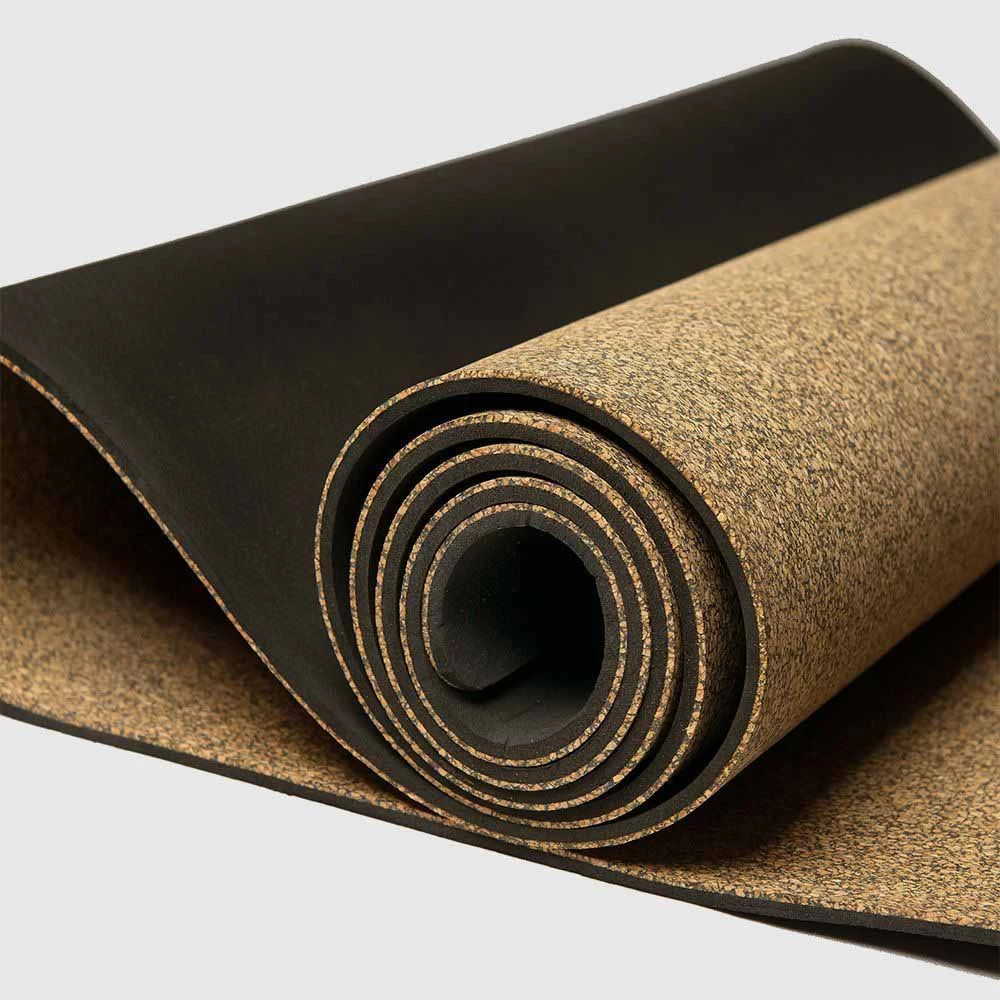
Most people don’t realize that cork is naturally self-cleaning. Harvested from the outer bark of the Cork Oak (Quercus suber), cork evolved over millions of years to protect living trees from forest fires, pests, mold, and bacterial rot.
When applied to a cork yoga mat for hot yoga, these natural biological defenses provide three major hygiene benefits:
1. Naturally Antimicrobial and Antibacterial
Laboratory studies consistently demonstrate that cork contains bioactive compounds like phenolics and suberin that inhibit microbial colonization. Bacteria such as Staphylococcus aureus and fungi cannot feed or multiply on raw cork fibers.
2. Impermeable to Liquid Trapping
While synthetic open-cell mats act like kitchen sponges—soaking perspiration deep into the inner foam—cork cells are closed and water-resistant. Sweat remains on the upper micro-surface where it evaporates quickly without rotting the mat's core.
3. Hypoallergenic and Zero Off-Gassing
Many cheap synthetic mats release volatile organic compounds (VOCs) and synthetic plasticizers, which smell awful when activated by studio heat and can irritate sensitive lungs or cause skin rashes. A pure cork yoga mat for hot yoga emits only a faint, woody, natural forest scent that enhances deep yogic breathing.
Case Study: How Urban Flow Studio Eliminated "Mat Stench" & Skin Irritations
Subject: Marcus Vance, Co-Founder of Urban Flow Yoga (Seattle, WA)
Studio Capacity: 4 heated rooms, 350+ members practicing Hot Power Vinyasa daily
Challenge: Constant equipment replacement and customer complaints about studio mat odors and skin flare-ups.
The Situation
"We pride ourselves on offering a luxury, spa-like hot yoga experience," Marcus explains. "However, managing our 60 in-studio rental mats was a nightmare. We spent hundreds of dollars every month on industrial bleach-free disinfectant sprays. Despite daily scrubbing, our synthetic rubber and TPE mats developed a persistent, sour smell within two months. Several regular students also complained of forehead breakouts after prolonged child’s pose sessions."
The Solution
Marcus decided to replace the studio's entire fleet with commercial-grade cork yoga mat for hot yoga sets featuring 100% natural cork tops fused with biodegradable tree-rubber bases.
"We switched our cleaning protocol too," Marcus says. "Instead of harsh synthetic detergents, we started using a gentle organic witch-hazel and lavender water spray, wiping each mat down in seconds."
The Results After 6 Months
90% Reduction in Odor Complaints: The locker rooms and studio spaces retained a clean, earthy scent rather than a gym-locker odor.
Zero Skin Reactions: Member complaints regarding facial breakouts dropped to zero within 30 days.
Double the Lifespan: Because cork doesn't degrade or peel from regular sweat exposure, the studio cut rental mat replacement costs by 45% in their first year.
Final Thoughts: Breathe Easy in Every Flow
When you spend an hour breathing deeply in a heated room, the air you inhale and the surface touching your face should be as pure as your practice. A cork yoga mat for hot yoga delivers unmatched hygiene, natural odor resistance, and complete peace of mind. Sweat hard, stay fresh, and let nature do the cleaning.
Author
info@leecork.com
FAQ
Q1: How is the grip of a cork mat when dry? What if you haven't started sweating during warm-up?
A: Cork also has a comfortable, smooth grip when dry. If you haven't started sweating during the warm-up phase, you can spray a few drops of water on the palm and foot contact areas to activate the grip in advance.
Q2: Will sweat corrode or damage the cork surface?
A: No. Natural cork is water-resistant due to suberin and won't absorb water, swell, or rot. After class, simply wipe it with a damp cloth, lay it flat to dry, and then roll it up.
Q3: Is a cork yoga mat heavy to carry to the yoga studio?
A: Most high-performance hot yoga cork mats weigh about 2.2 to 2.8 kilograms (5 to 6 pounds), slightly heavier than ultralight travel foam mats, but the stability and slip-resistant safety in a hot room make it worth carrying.
Q4: After Sarah switched to a cork mat, what specific improvements did she see in her practice?
A: Her balance pose hold times increased by 15%–20%, and her wrist stability improved; she no longer needed to adjust her mat or towel mid-practice; and her gear bag became lighter, eliminating the hassle of washing damp towels every week.
Q5: What is the core advantage of a cork mat in high-sweat classes?
A: It turns sweat from a "slipping hazard" into a "source of grip," while also eliminating towel hassles, providing a stable, natural, and reliable foundation for practice.

You May Like
0Related Industry Knowledge