
One Roll of Rubberized Cork Can Cut Dozens of Gaskets – Why Are More and More Factory Workshops Switching to It?
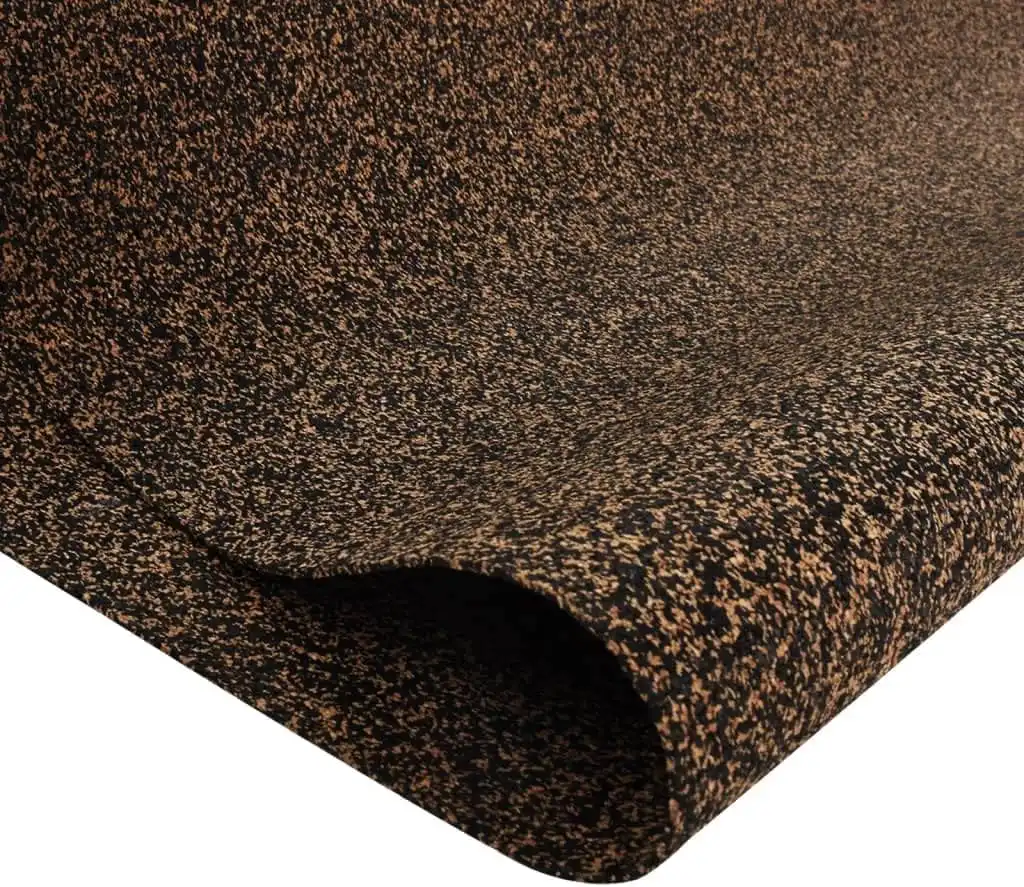
Last month I stopped by a client's workshop that does pump repair. On their workbench sat a roll of black sheet material, over a meter wide. A worker grabbed a pair of scissors, cut off a piece, cut it into a circle, slapped it on a pump body, tightened the bolts, done. I asked him what the material was. He said rubberized cork. One roll lasts over half a year. Way cheaper than buying pre-made gaskets.
That stuck with me. I'd always thought of gaskets as something you buy by the piece, by the spec. Never occurred to me you could buy it by the roll and cut it yourself. After looking into it, I realized the logic behind this material in industrial repair and small-batch work is completely different from pre-made gaskets.
What is rubberized cork, and how is it different from regular cork gaskets
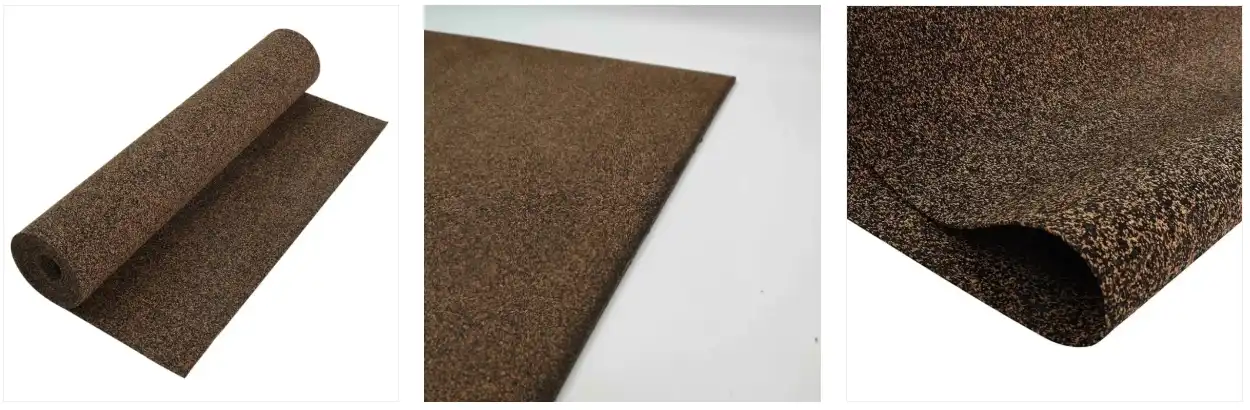
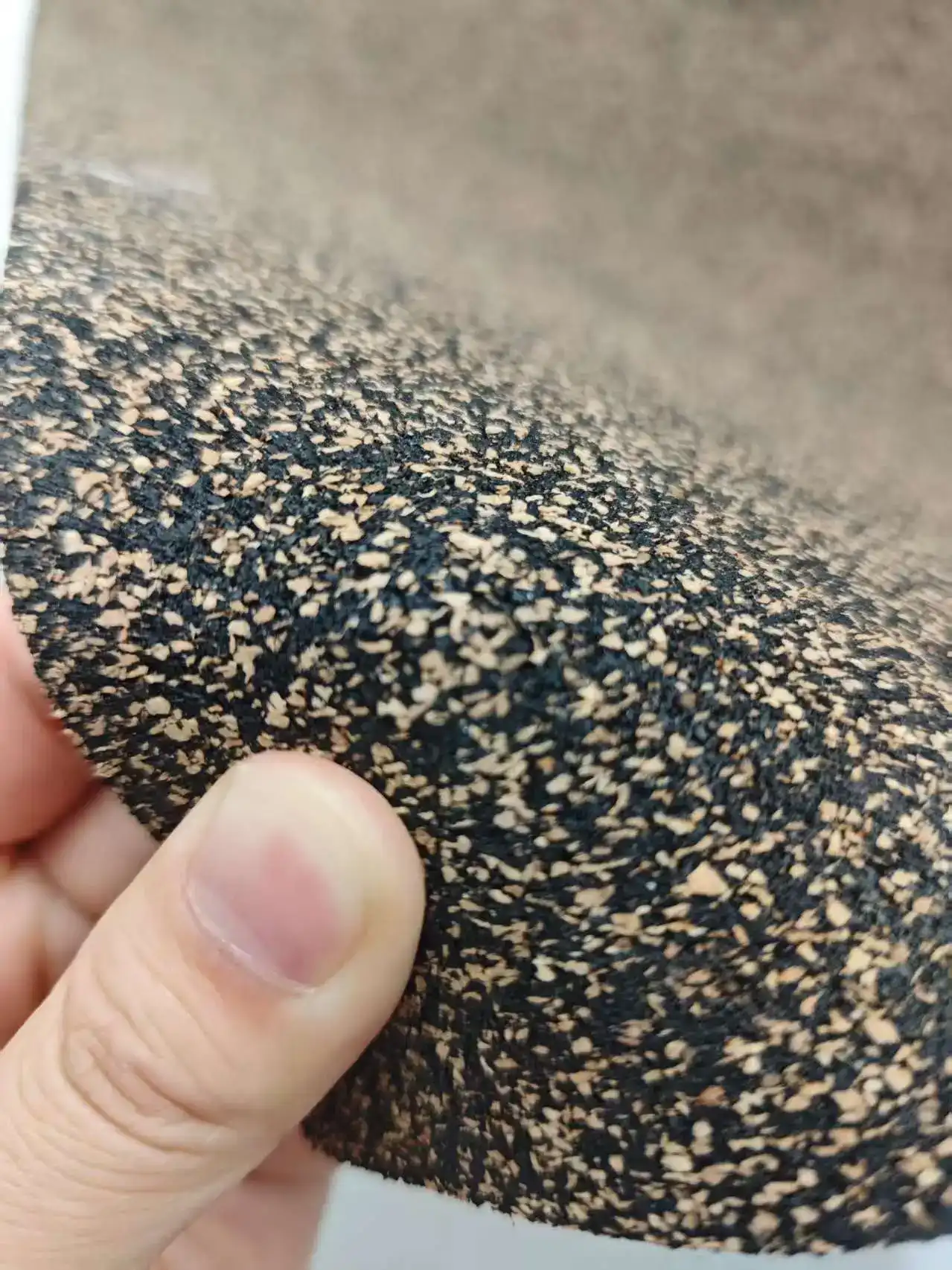
Rubberized cork is cork granules mixed with nitrile rubber, pressed and vulcanized into sheet form. Cork provides compressibility and dimensional stability. Rubber provides elasticity and toughness.
Regular cork gaskets have one big problem – they're brittle. Too much force and the edges crumble. Take them apart and put them back a few times and they crack. Especially when the flange surface isn't perfectly flat, cork gaskets don't compress evenly and leaks happen. Pure rubber gaskets have good elasticity, but their compression set isn't stable. Leave them under load too long and they deform permanently. Plus they're sensitive to temperature and media.
Rubberized cork combines the strengths of both. Cork granules act as a skeleton, rubber fills the gaps between them. When you compress it, the cork compresses but doesn't break. The rubber brings it back. After several teardowns and reassemblies, it still holds its original thickness and seal. That's genuinely useful for equipment that gets taken apart often.
One roll solves the "too many specs, too much inventory" problem
In the past, the worst part of stocking gaskets was the sheer number of specs. Different pump models, different flange sizes, different valve dimensions – every one needed its own pre-made gasket. Stock too few and you run out. Stock too many and you're wasting space and tying up money.
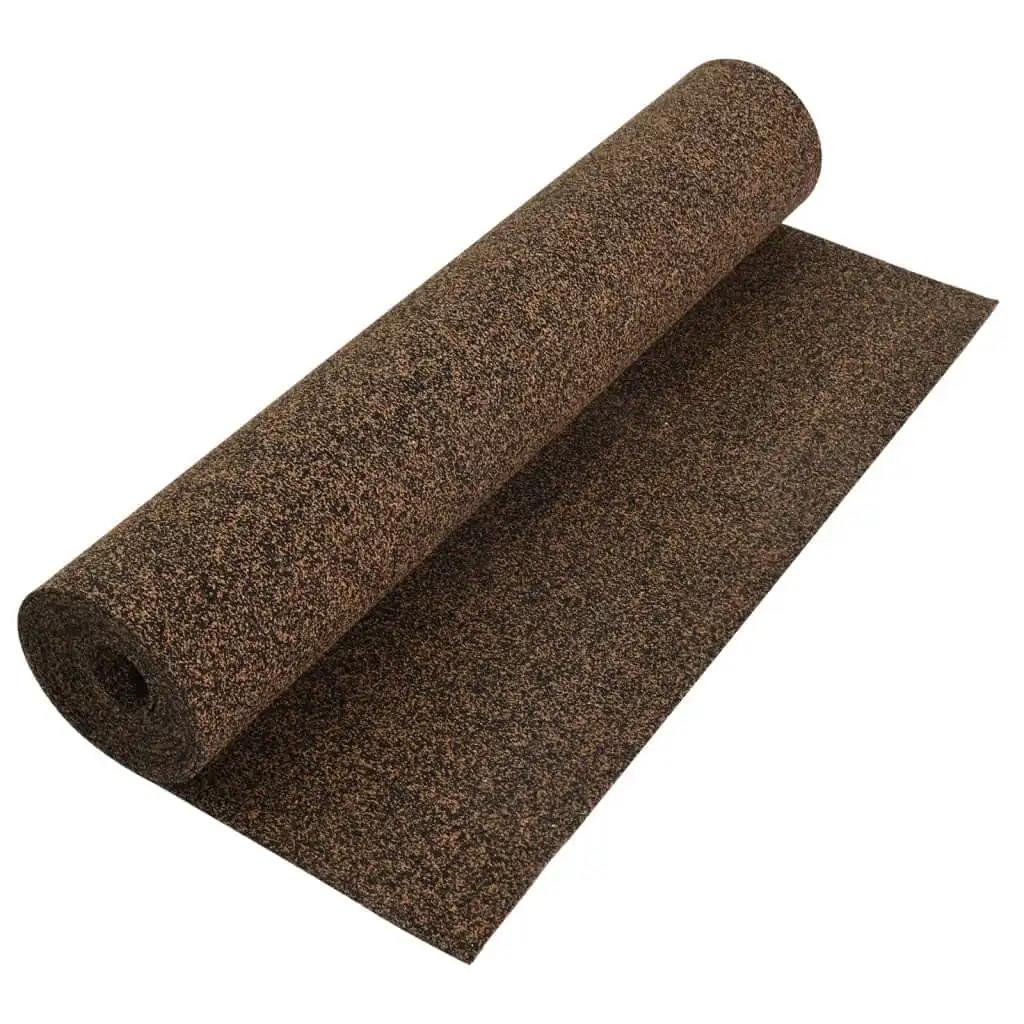
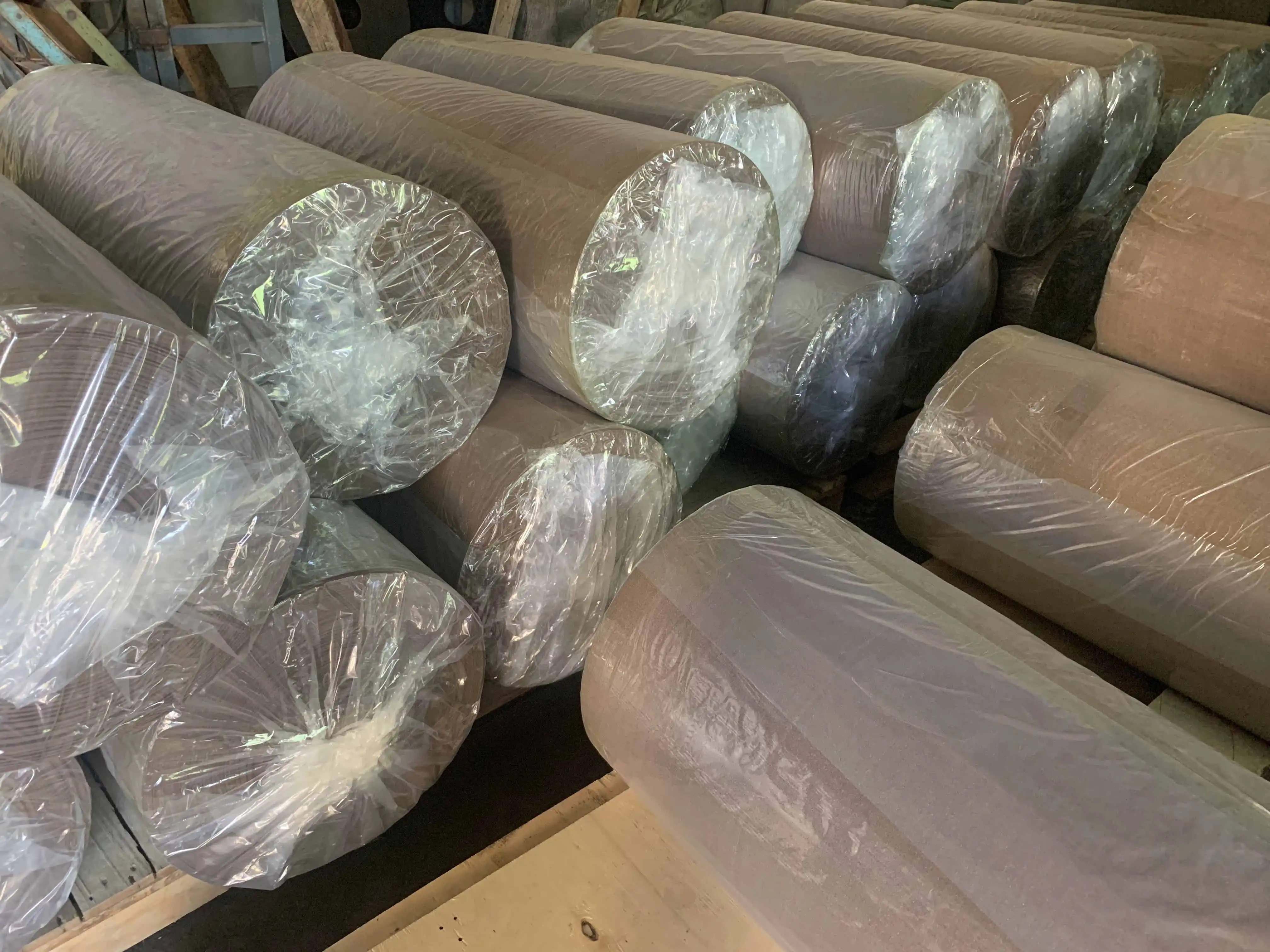
Rubberized cork comes in rolls. Width 1 to 1.2 meters. Length unlimited. Thickness 1 to 5mm. Cut whatever size you need – circles, squares, odd shapes. One roll covers dozens of specs. No more stocking by model number.
Cutting is simple. Thin material – scissors or utility knife. Thick material – hook blade or band saw. Edges come out clean. Cork granules and rubber are bonded tight. Doesn't crumble like pure cork when you cut it.
Recycled rubberized cork – where's the balance between cost and performance
This batch uses recycled rubber plus cork granules – a recycled formula. A lot of people hear "recycled" and assume performance takes a hit. In practice, that's not really the case.
Recycled rubber, once processed, has elasticity and wear resistance close to virgin material, but costs way less. Cork granules are also reused production scraps. Mixed together, the rubberized cork has moderate elasticity, consistent density, and solid wear, corrosion, and aging resistance.
For applications that don't need extreme performance – equipment base pads, pipe flange gaskets, pump seals, shelf liners, electrical box insulation – the recycled formula is more than enough, and way cheaper than virgin. For workshop repair – high volume, frequent replacement – recycled is the best value.
Oil, water, aging – how does it actually hold up
I soaked a small piece in motor oil for two days. Wiped it off – no softening, no swelling. Same size as before. Water – same deal. Doesn't absorb, doesn't warp.
Aging is hard to judge short-term, but recycled rubber is treated, so it resists aging better than natural rubber. The roll in my client's workshop sits by the window. Over half a year, no obvious hardening or cracking.
Temperature range is -30°C to 120°C. Pumps, valves, piping – most equipment conditions fall within that range.
Wrapping up
I used to think gaskets were something you buy by the spec. After dealing with rubberized cork, I realized the roll-and-cut approach makes way more sense for small-batch, multi-spec repair work. One roll covers dozens of sizes. Low cost, easy to cut, performance is solid. Want to try it? Samples are available. Thickness and width can be customized.
FAQs
Q1: Does the edge crumble after cutting rubberized cork roll?
No. The vulcanization process bonds cork granules and rubber tight. Cut edges stay clean. Doesn't shed like pure cork.
Q2: Is there a big gap between recycled and virgin formula?
Not much for everyday repair work. Recycled has enough elasticity, wear resistance, and oil resistance, and costs less. For high-precision sealing or extreme conditions, go with virgin formula.
Q3: How long does one roll last?
Depends on usage. For a small workshop doing occasional repairs, one roll lasts over half a year easily. For high-volume shops, maybe a few months. Length is unlimited, cut as needed, no waste.
Author Bio: Rue, Sales Representative at Leecork, Housewares & Furnishings Group. For product inquiries, feel free to email info@leecork.com.

Related Industry Knowledge