
Is Customizing Rubberized Cork Sheet Giving You Headaches? Here’s What You Need to Know
If you're sourcing cork home goods or industrial parts from overseas, what's your biggest nightmare? It's not about haggling over the price. It's when you send over your drawings, confirm the samples, and wait for the bulk order to cross the ocean. Then you open the crate, and boom: the thickness tolerance is way off, the edges are all fuzzy, or the size just shrank. As the sales rep at Leecork handling overseas markets and product selection, I deal with these "expectation vs. reality" disputes almost every single week.
A lot of overseas buyers just stare at the numbers on the quotation when they are looking for a rubberized cork sheet supplier. They totally miss the tricky parts of customizing this composite material. Today, I’m not going to talk about how to tighten bolts in a workshop. Let's look at it from my side of the desk—how to actually get your custom cork-rubber stuff delivered safely and exactly as you pictured it.
Why "Cut It Exactly Like the Drawing" Is a Trap
Overseas clients love to say, "I have a drawing, just cut it exactly as it is." Sounds perfectly reasonable, right? Well, in the cork-rubber world, that thin line on your PDF means something totally different when it hits an actual cutting die.
The "Time Lag" Between the Die and the Material's Rebound
Cutting a rubberized cork sheet is mostly about dealing with the material's elasticity. If you're cutting plastic or metal, what you see is what you get. But cork-rubber has NBR rubber in it, so it compresses and bounces back. If you demand super tight tolerances, and the machine's tension isn't set right during die-cutting, your gaskets might end up a fraction of a millimeter too big or too small.
Many factories here use hand-carved samples to get your approval. Those are perfect, obviously. But once they switch to the massive die-cutting machines for bulk production, things go sideways if they didn't calculate the rebound margin. Whenever we handle a project, we always double-check the die design and tolerance limits with both the client and the factory upfront. This saves everyone from a customs or QC nightmare later.
The Hidden Damage in Packing and Storage
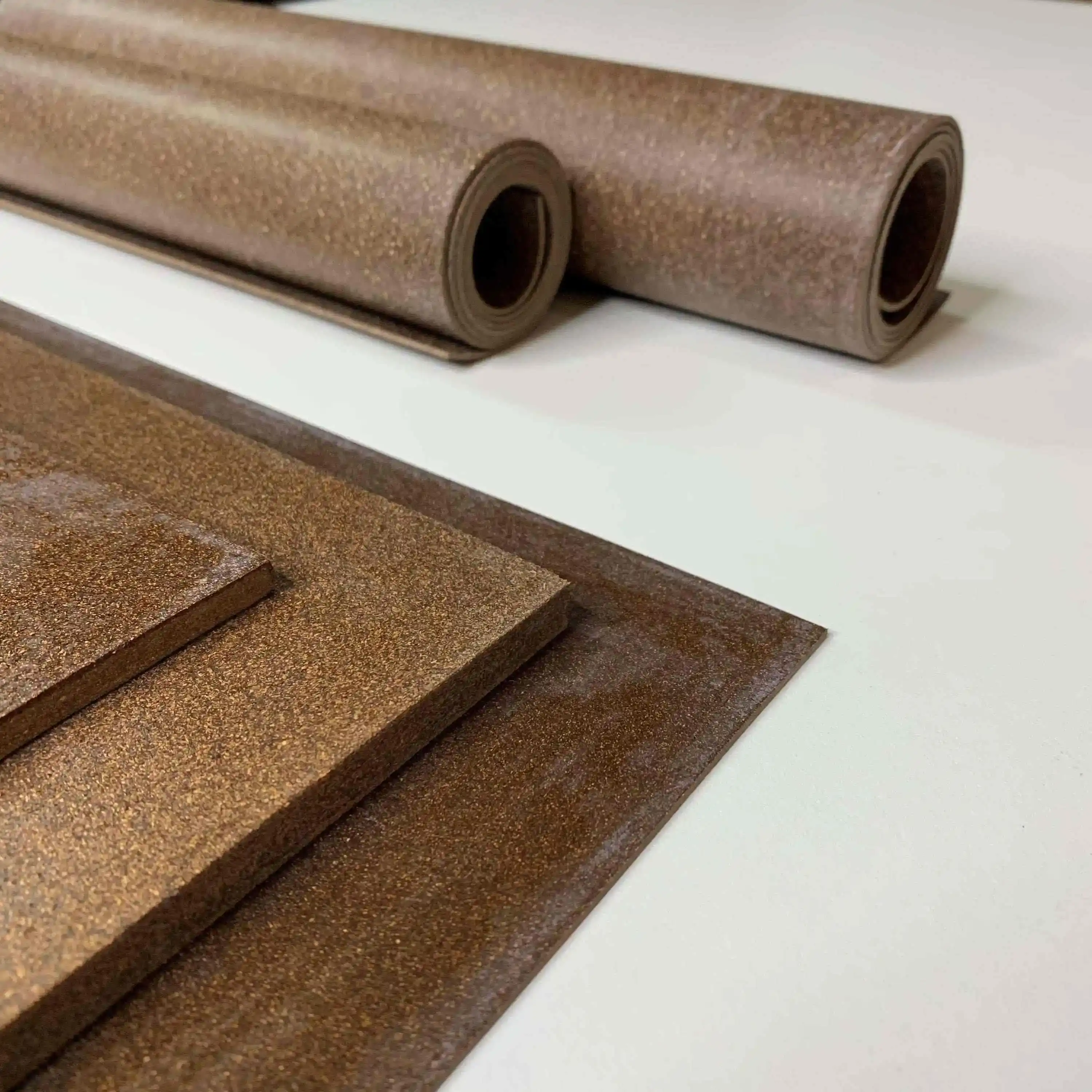
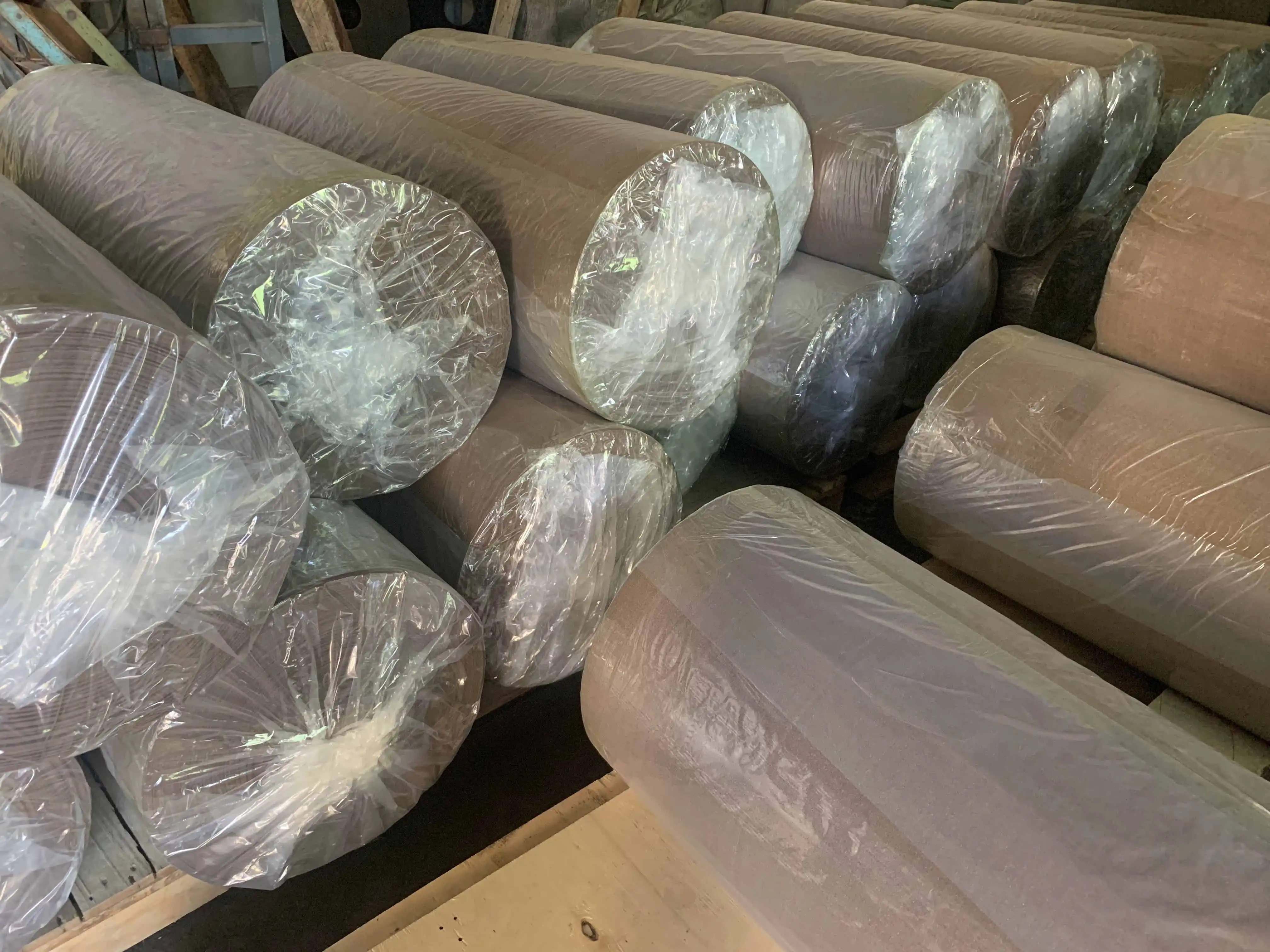
Standard sheets like 1000*1000mm or 930*630mm, or your custom-sized gaskets, will go through crazy temperature and humidity changes during ocean freight. If you ordered thin stuff—like 1mm or 2mm—and they didn't use proper pallets and moisture-proof packaging, the material will get squished and warped inside the container. When the client finally unboxes it and lays it flat, it just won't be flat anymore.
To dodge this, we usually tell clients to lock down the packaging requirements in the contract and even do a random unpacking inspection before shipping. We need to make sure it leaves the factory "flat."

What Buyers Care About Most: The Math Has to Make Sense
Actually, a lot of overseas traders or brand owners get blinded by the "factory direct" temptation and totally underestimate the communication costs. When we get down to it, the thickness and density of the rubberized cork sheet directly dictate your final purchasing cost.
How Much Profit Is Hiding in a 1mm Difference?
Clients always struggle with this: should I go with 3mm or 4mm? Honestly, 3mm is often more than enough for the performance you need. But since cork-rubber is priced by volume and weight, adding that extra 1mm means the material cost, total weight, and even the freight for the whole batch will jump up.
Some factories will push the thicker stuff just to please the client's desire for a "chunky" feel. But as a rep who actually wants you to come back, I look at your application. If it's just a normal anti-slip mat for a home product, there's zero reason to pay double the freight for 1mm. If it's a machine base that doesn't need tight tolerances, a high-density thin sheet will do the cushioning job just fine. If you help a client do the math right, they know you're actually helping them, not just pushing a sale.
The "Scrap Rate" Game in Custom Shapes
When you need custom shapes for coasters or industrial gaskets, the layout becomes a math game. How you arrange your designs on a 930*630mm sheet completely determines the scrap rate. Sometimes overseas designers send over gorgeous drawings, but once you lay them out on the board, the edges are full of dead space.
When this happens, a rep who knows production will jump on a call with the factory techs to see if we can angle the layout differently, or maybe tweak a radius by a millimeter. Even if it just squeezes out a few more pieces per sheet, it drops your unit price.
Consistency Is the Only Way to Get That Repeat Order
After you've survived the drawing confirmations, sample tests, and price haggling, the one thing that decides if the client comes back is "consistency."
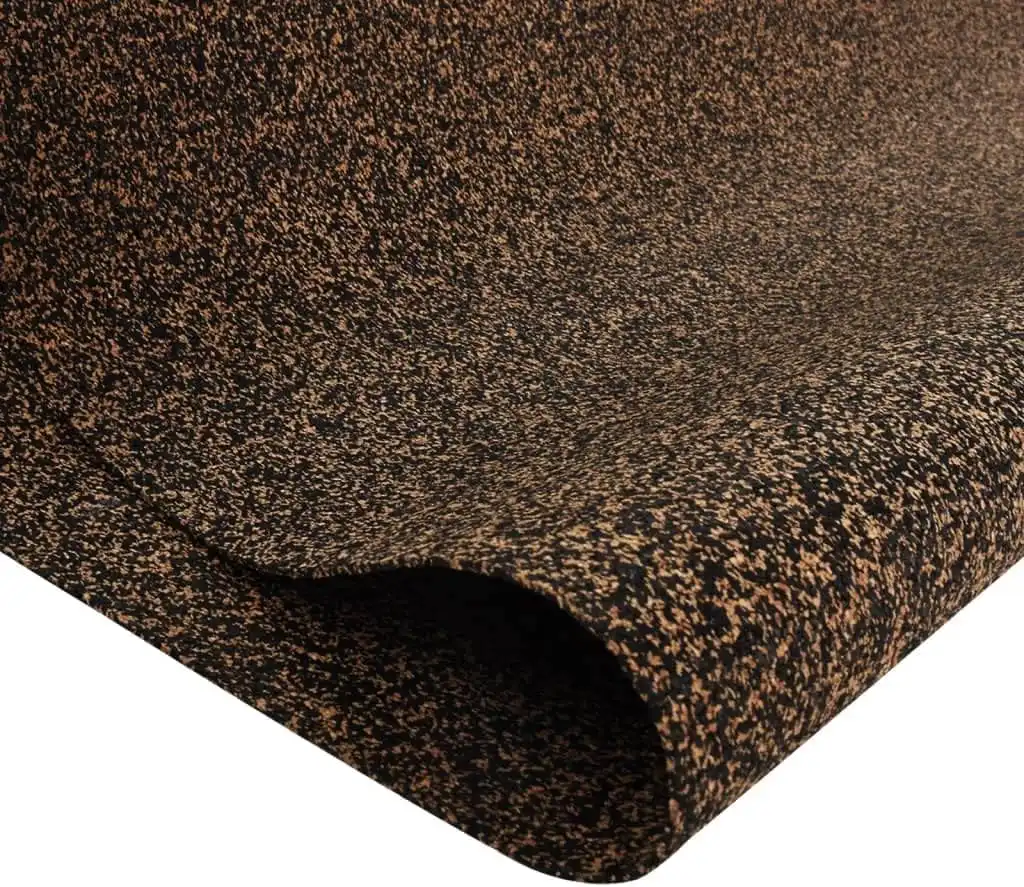
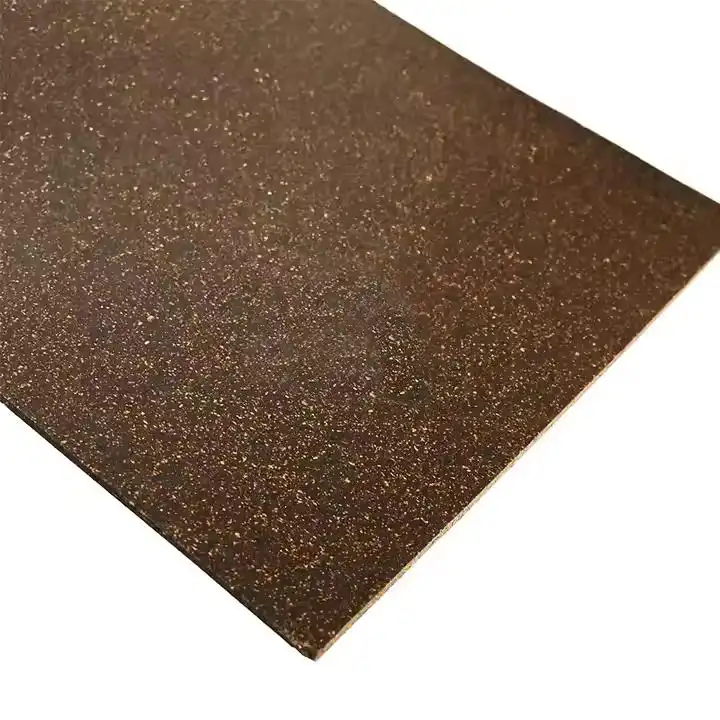
Making rubberized cork sheet is a mix of old-school craft and modern industry. The ratio of NBR rubber to cork granules, the hot-press time, the vulcanization temperature—if any of these fluctuate, different batches will have slight differences in hardness or color. For overseas home goods buyers, if batch one is dark brown and batch two suddenly looks reddish, they are going to get roasted by their retail customers.
So, we are super strict about "retaining samples." Before a new batch starts, the factory has to pull out the old sample and compare it. When the bulk order is done, we snip off a little piece and mail it to the overseas client for a quick thumbs up. It sounds like a hassle, but it builds trust. As someone at Leecork's home goods division, I know how nervous a client gets when dealing with a supplier half a world away. All we can do is keep communication clear, quality strict, and info transparent to keep that uncertainty as low as possible.
FAQ
Q1: How do I handle it if the thickness or size of the delivered goods is off?
A: You need a clear clause for this in your contract. We always suggest clients do a quick spot check as soon as they receive the goods. If you find the thickness is out of tolerance, sizes are wrong, or there are heavy burrs on the edges that mess up the function, snap some photos and take a measuring video right away. A legit supplier will absolutely work out a replacement or refund based on the agreement. This is why defining the inspection standards early on is so important.
Q2: I want to customize cork-rubber pads in different thicknesses. What's the MOQ like?
A: It depends on whether you want standard sheets or custom die-cut shapes. For standard sheets, usually, you just order by the pallet or case. If it's die-cut, we have to make a cutting die, so there is an MOQ. Just send your drawings over, and we'll figure out the most economical way to run it.
Q3: Will the color fade if the cork-rubber is used outdoors?
A: Standard NBR cork-rubber has decent weather resistance, but if it's going to be sitting in the sun all day, I'd suggest UV treatment or going with a darker color. Also, keep in mind that the natural cork granules will give the color a textured look, so slight color variations between batches are totally normal.
Author Bio: Rue, Sales Representative at Leecork, Housewares & Furnishings Group. For product inquiries, feel free to email info@leecork.com.

Related Industry Knowledge