
T Corks – Just a Fancier Bottle Cap? I Ran Them on a Filling Line Before I Got It
A while back I picked up a job for a small-batch olive oil producer. The client's bottles used regular plastic caps – once you twist one open, it's done. Can't reseal a half-used bottle. He asked if there was something that looked good and could be opened and closed repeatedly.
I handed him a few T corks samples. His first reaction was, "Isn't this just an aluminum cap?" I said, just fill a few bottles and see. After he tried them, he changed his tune. Said they were more useful than they looked.
Later I took several sizes of T corks and ran them on a small filling line – capping, opening, reusing, the whole process. That's when I really understood the logic behind this cap design.
The structure of T corks – what makes them different from regular caps
Regular plastic caps are basically single-layer. You twist or press them on, held by threads or snaps. Once opened, the seal is broken. Hard to get it back.
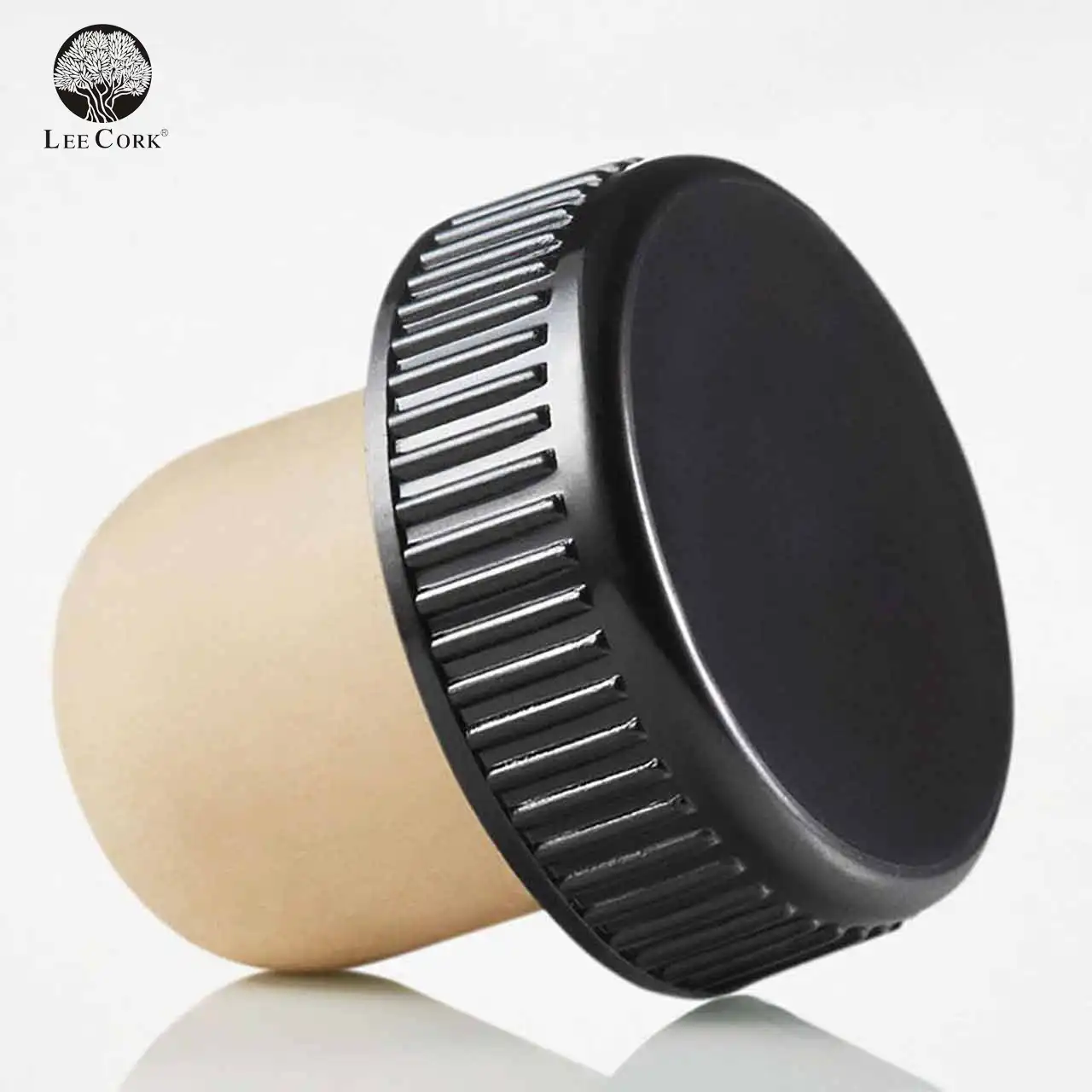
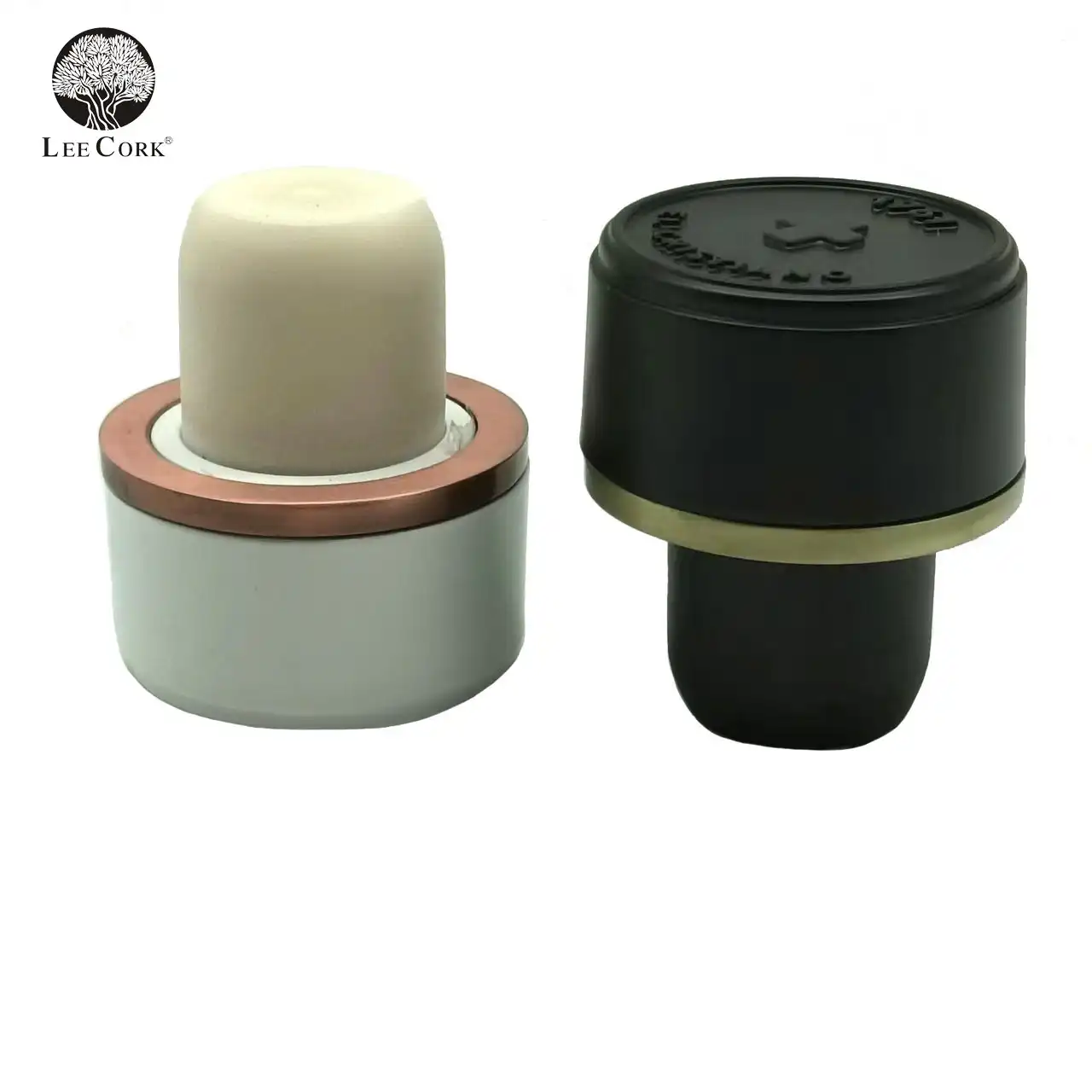
T corks are layered. Aluminum top piece, TPE capsule plug underneath. The aluminum sits outside, the TPE plug goes into the bottle mouth. When capping, the plug gets pressed into the bottle neck, and the aluminum sits flush against the rim, creating a flat seal.
The key here: the seal comes from the plug being compressed inside the bottle neck, not from threads. So when you open it, the plug comes out but bounces back fast. Push it back in and it still seals to some degree. That's why it can be opened and closed repeatedly.
Aluminum top plus TPE plug – how does the combo actually work
Aluminum gives you good looks, no rust, and sharp printing. For olive oil, vinegar, craft liquor – the cap is the first thing people see. Metal beats plastic in perceived quality. And aluminum can be finished matte, brushed, or polished to match the brand.
TPE plug gives you good elasticity, stable sealing, and low sensitivity to temperature. TPE resists oil and water, so it works fine on oil, vinegar, and liquor bottles. Rainy season down south, heated rooms up north – TPE barely changes size. No shrinking or swelling from heat.
Together: aluminum handles the looks, TPE handles the function. Two simple parts, combined into a cap that opens and closes repeatedly, seals reliably, and looks decent.

A few things I noted on the filling line
Capping is picky about matching the bottle mouth. The plug diameter needs to be slightly bigger than the inner diameter so it stays put. The aluminum diameter needs to be slightly bigger than the outer diameter so it sits on the rim.
The batch I tested had seven size combos, covering common bottle specs. D34 with D23, D34 with D20.5, D33.5 with D19, D30 with D18.5, D27 with D18.5 – covers most olive oil bottles, vinegar bottles, small liquor bottles, and condiment bottles. Pick by inner and outer diameter. Inner matches the plug, outer matches the aluminum.
Opening feel – also tested. The aluminum edge has a lip you can grip. Fingers have something to hold onto. Twist or pull, both work. Unlike some plastic caps that get slippery when your hands are oily and you're fighting with them.
Repeated open-close – tried a dozen times. Plug didn't deform noticeably. Pushed back in, still holds. Seal drops slightly with more uses, but for normal home use, a dozen open-closes is no problem.

What products T corks work for
Olive oil, camellia oil, walnut oil – high-end cooking oils. The cap is the first impression. Aluminum plus TPE looks better than plastic and opens smoother.
Vinegar, fruit vinegar, sauces – these get opened and closed a lot. T corks' resealing ability is practical here.
Craft liquor, small-batch fruit wine, liqueur – aluminum matches the bottle aesthetic. Some craft distillers go for matte aluminum with their logo printed on top. Looks more finished.
Condiment bottles, sauce bottles – things you open often. T corks reseal way better than one-time plastic caps.

Wrapping up
I used to think a bottle cap was just a closure. After running T corks on a filling line, I realized the aluminum-plus-TPE combo is genuinely more practical when it comes to looks, sealing, and repeated use. Want to try them? Samples are available. Seven size combos cover most common bottles. Pick based on your bottle specs.
FAQs
Q1: Does the aluminum top dent easily?
Not with normal use. It's thick enough to handle capping and opening. But if you pry it with a tool or drop it and step on it, it'll dent. Normal open-close is fine.
Q2: Is the TPE plug oil-resistant? Will it hold up with olive oil?
Yes. TPE resists oil. Olive oil, camellia oil – no problem. After long contact with oil, the plug softens slightly, but the sealstill holds.
Q3: How many open-close cycles before the seal fails?
For normal home use, a dozen or so cycles and the seal is still there. For commercial use with frequent opening, replace every six months to a year. Depends on usage frequency and storage conditions.
Author Bio: Rue, Sales Representative at Leecork, Housewares & Furnishings Group. For product inquiries, feel free to email info@leecork.com.

Related Industry Knowledge