
Is a Cat Feeding Mat Worth It? What I'd Buy Again
Two years in, the test I trust isn't how a mat looks after a month of wet food. It's what I see underneath it when I lift it up. Ours has been down since 2024, through two cats and roughly two thousand meals, and the floor under it still looks like the day we moved in. That's the whole review, really. If you've been circling a cat feeding mat for a while and can't tell whether it's a real fix or a $20 object that adds one more thing to wash, this is the version of the decision I wish someone had written for me: what's actually under the bowls, what the mat has to do, and which materials fail in which specific way.
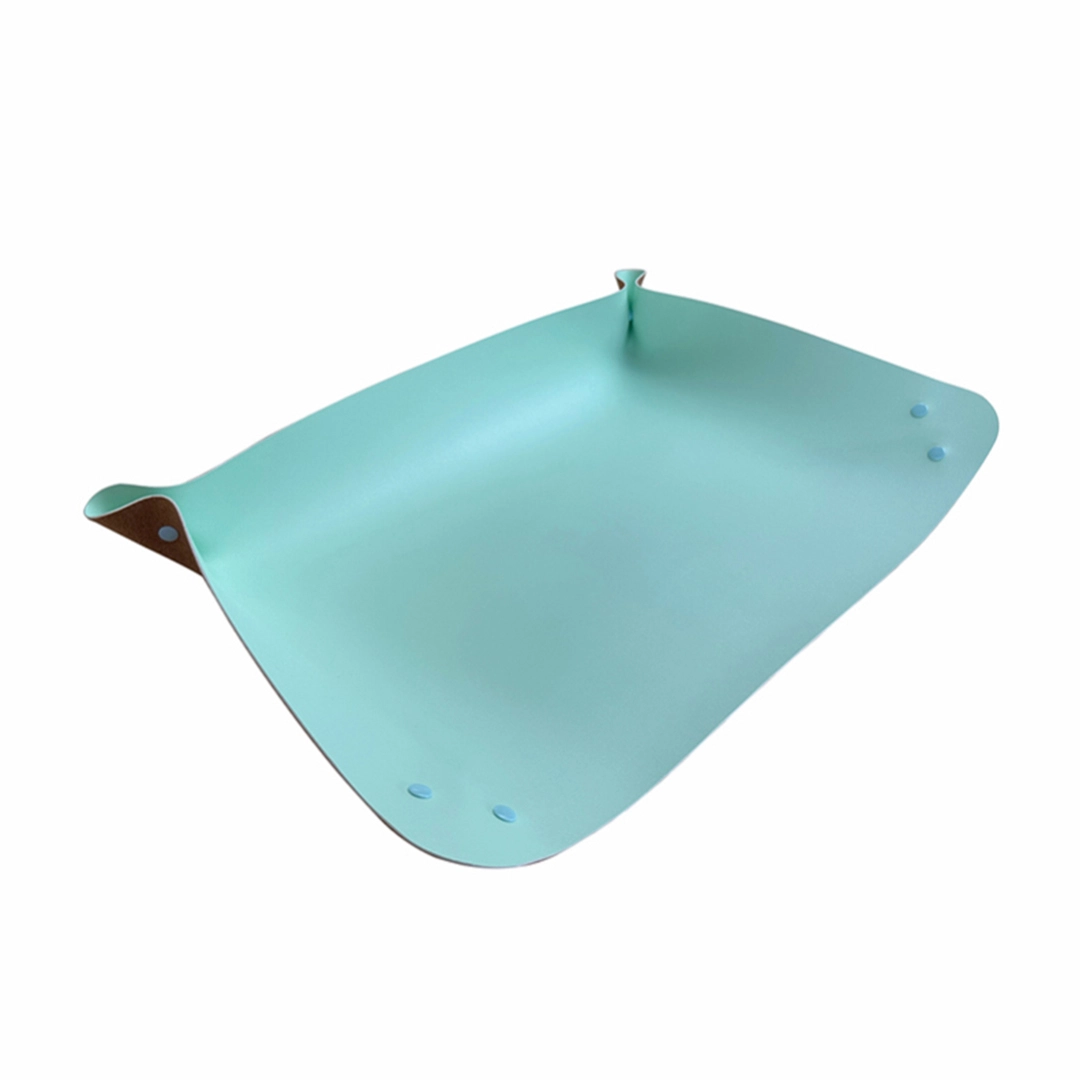
Start With the Floor, Not the Mat
Most people buy a cat feeding mat to hide a visible mess. Fair. But the reason I'd buy ours again has less to do with crumbs and more to do with the two things you can't see: moisture sitting against a floor for hours, and what grows in it while it sits there.
The floor is the expensive part of this equation
Food is cheap. Flooring isn't. Ask anyone who has pulled up a bowl and found a dark ring where the base had been trapping water. The people who actually fix this for a living are blunt about it: most water stains can be sanded out, while pet-related staining often can't be fixed the same way — meaning you're not choosing between a clean floor and a slightly marked one, you're choosing between a wipe and a refinish.
A mat doesn't make your cat tidier. What it does is change what the moisture sits on. Water and gravy on a sealed surface you wipe in ten seconds is a very different situation from the same liquid soaking past a bowl onto wood or laminate.
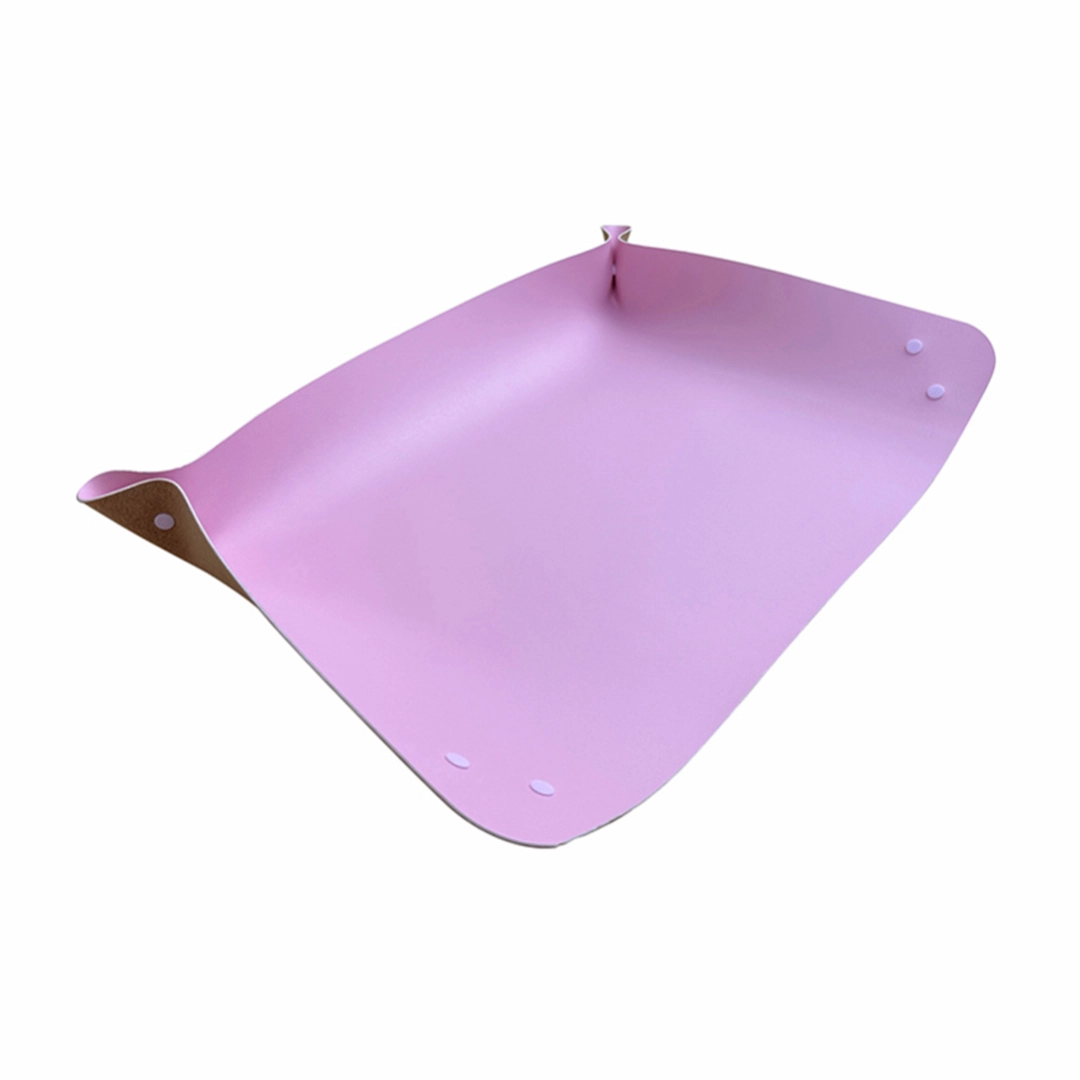
A damp fabric mat makes the floor problem worse
The instinct is to put down something absorbent. That instinct backfires. Textile mats stay wet at the base, which means the floor underneath stays wet too — and a damp textile is a genuinely good place for microbes to live. A 2020 study presented through the American Society for Microbiology found that E. coli, Salmonella and S. aureus survived for up to 16 days on a kitchen sponge and up to 13 days on a microfiber towel. If your mat is cloth and it never fully dries between meals, you've put a wet sponge under the bowls.
Hard surfaces hold onto things longer than feels reasonable
Tile and sealed stone are easier to clean than fabric, but they aren't self-cleaning. A long-cited systematic review of pathogen survival on inanimate surfaces found that many common bacteria can persist on hard surfaces for months, with moisture being the factor that keeps them viable. The practical takeaway isn't that your kitchen is a biohazard. It's that "the floor gets cleaned eventually" is doing less work than you think, and a designated surface you wipe every day does more.
What a Cat Feeding Mat Actually Has to Do
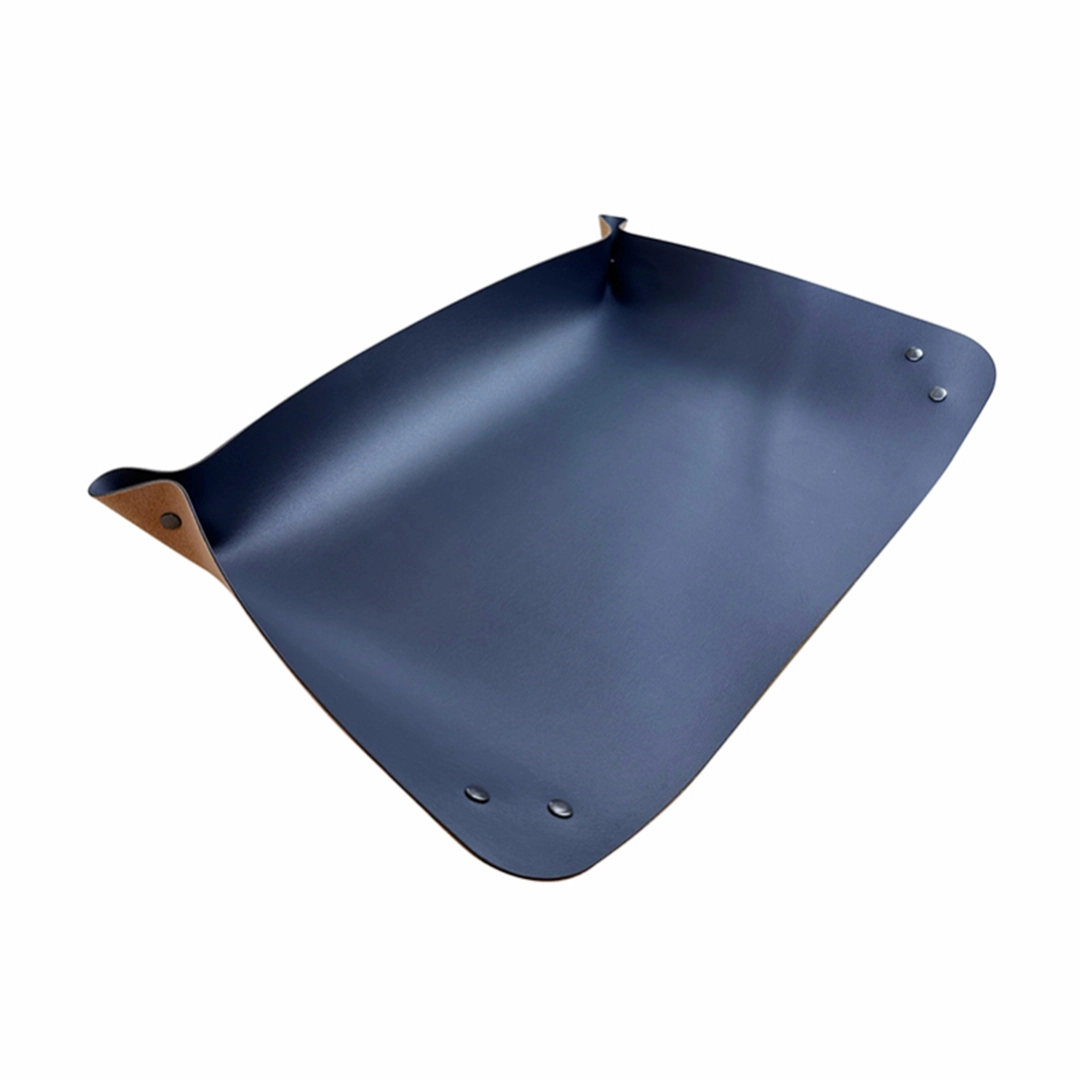
Once you look at a cat feeding mat as floor protection rather than decor, the feature list shrinks. Four things matter, and the rest is preference.
Contain the spill without building a wall
A cat feeding mat needs enough of an edge to stop a rolling piece of kibble and enough flat area that a cat will eat off it without negotiating an obstacle. Deep, high-sided trays fail on the second half of that sentence — cats eat around the rim, not inside it. Do this without over-correcting into a soft tray whose edges flop and let crumbs slide off the side anyway.
Dry out fast, because damp is the enemy
A sealed surface — cork, coated, or silicone — dries in minutes once you've wiped it. An absorbent one dries overnight, or in a humid kitchen, doesn't dry at all. This single property determines how often you have to wash the thing, and a mat that demands washing three times a week gets retired by week two.
Survive a wet wipe, twice a day
Waterproof and stain-resistant sound like marketing until you've watched a tomato-based wet food sit on a light mat for two hours. What you want is a surface where a wipe removes the mark instead of redistributing it, and that won't absorb the smell of fish into its core.
Stay where you put it
A cat feeding mat that slides ends up half out from under the bowls, which puts food back on the unprotected floor — the exact thing you paid to avoid. Rigid and flat beats soft and grippy here, since the grippy layer is usually the first part to peel.
Cork, Silicone, Fabric, Plastic: An Honest Comparison
I've owned three of these four. Each one fails in a different way, and none of the failures are about appearance.
Why cork earns its place under a food bowl
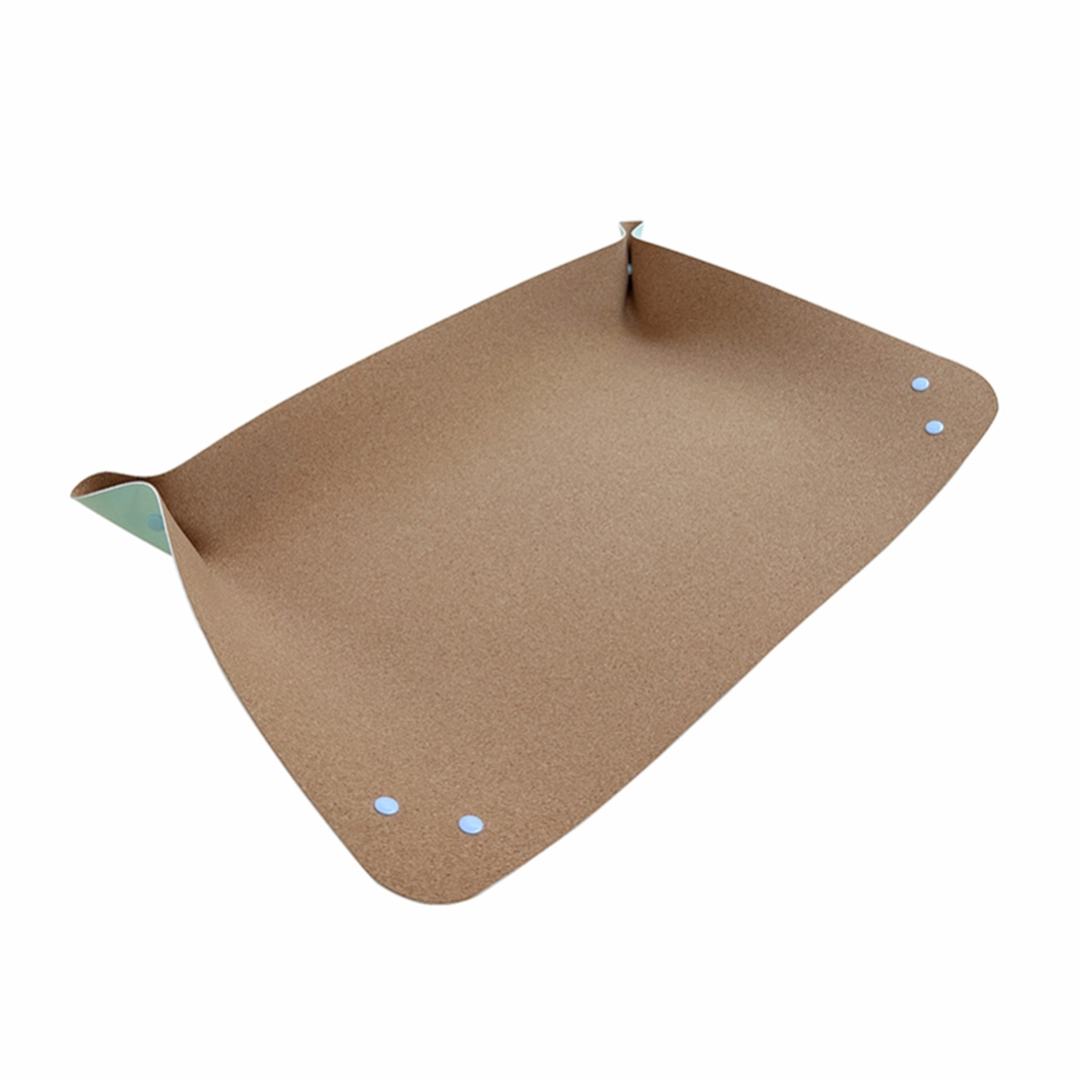
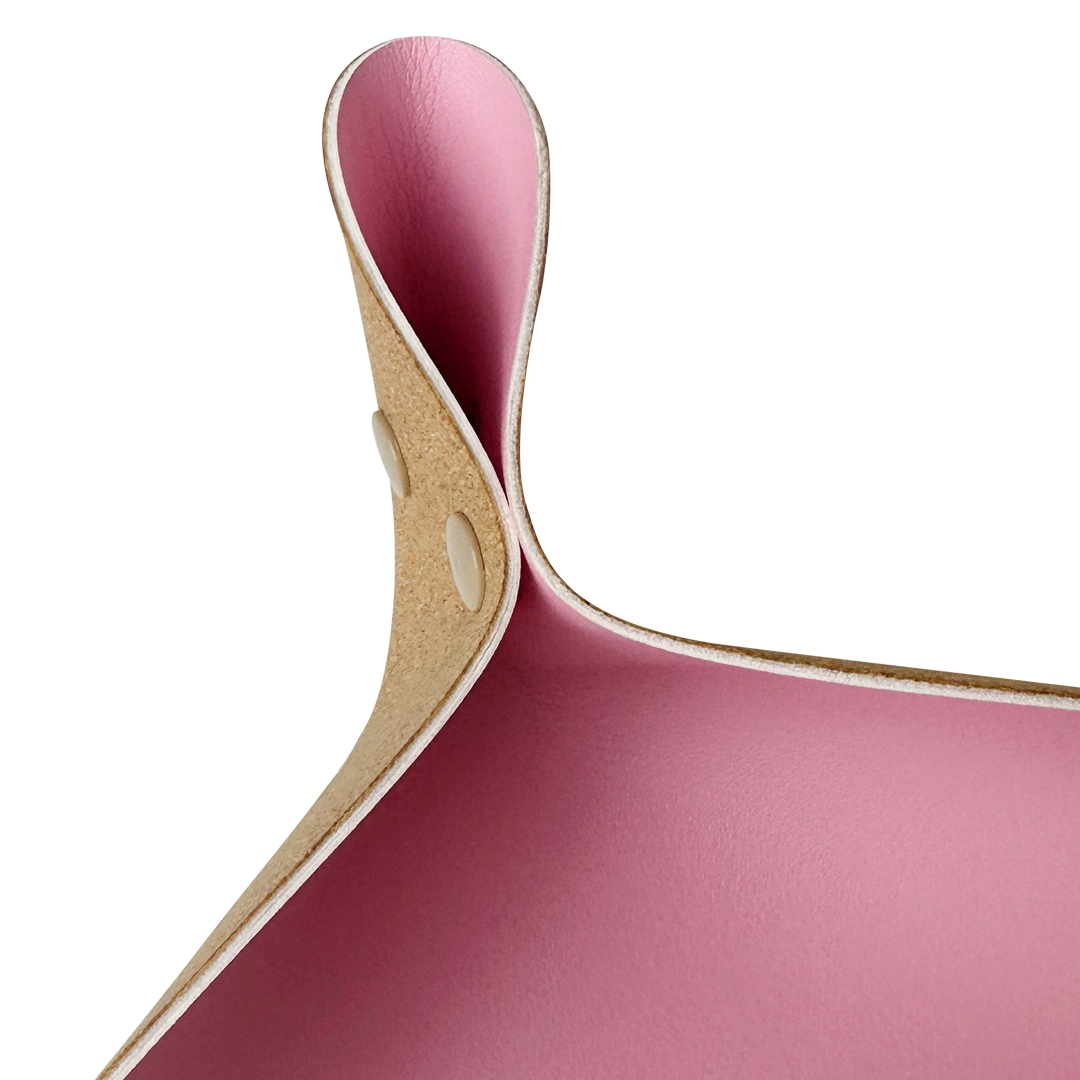
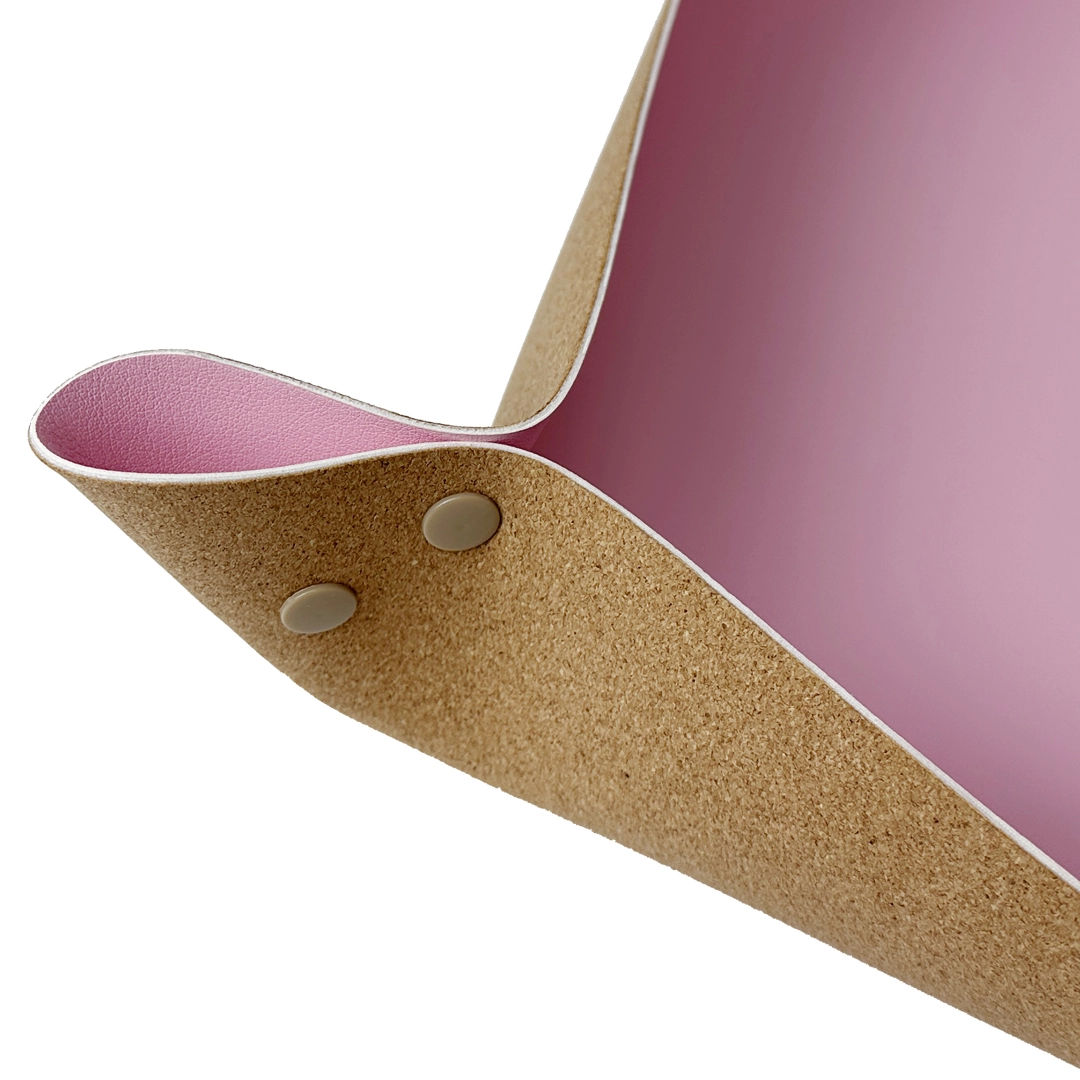
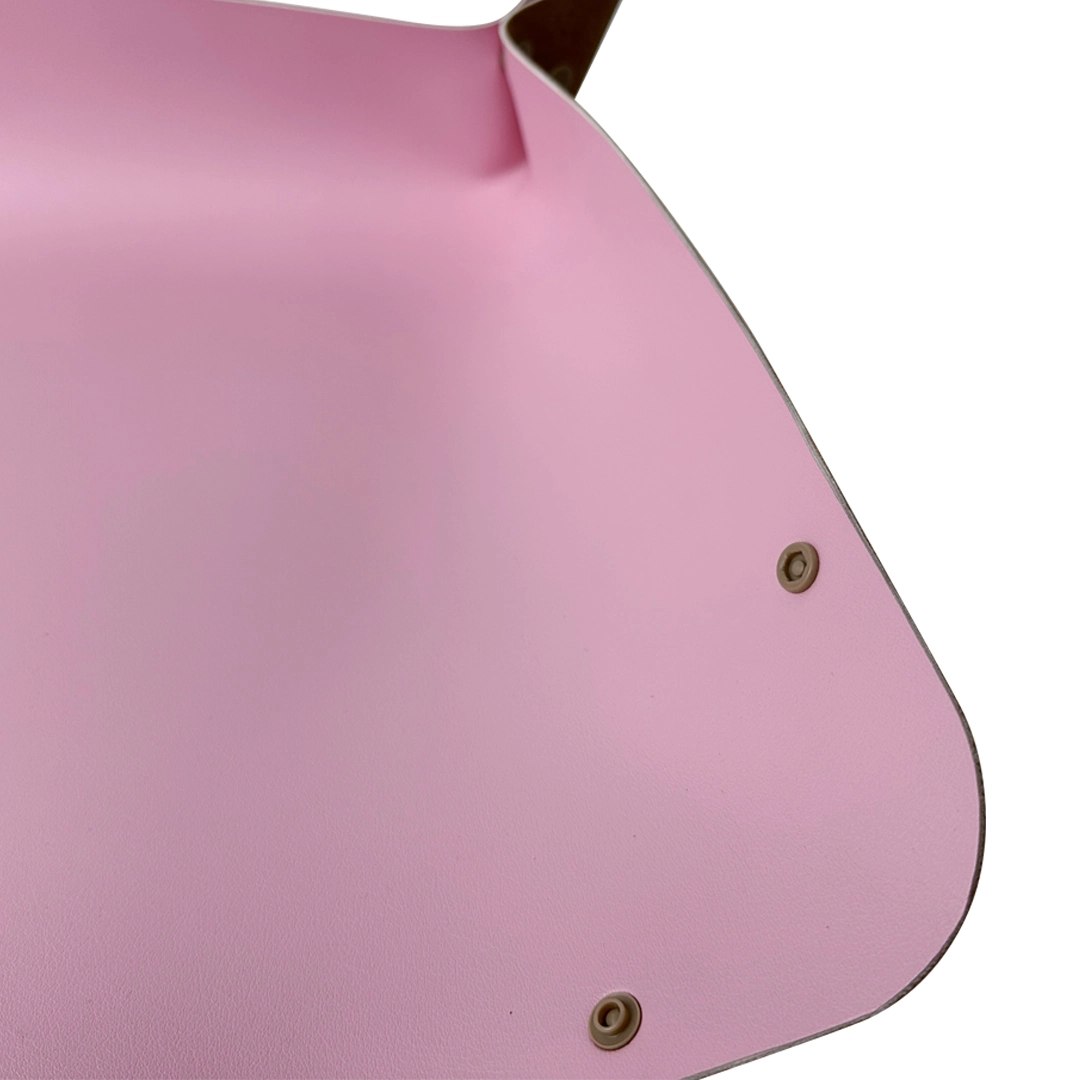
Cork is naturally water-resistant and doesn't absorb liquid the way textiles do, and it stays put without needing a glued backing. It also resists bacterial growth on its own: cork contains suberin, the waxy compound the cork oak uses as a barrier against water, and a 2016 study in FEMS Microbiology Letters found antimicrobial activity in cork extracts. That's why cork shows up in kitchens and labs, not only on noticeboards. Ours is double-sided — a decorative cork face on one side, a smooth, wipe-clean face on the other — so the surface that takes daily abuse can be rotated out of the firing line.
Where cork is the wrong answer
Cork is not indestructible, and it is not dishwasher-safe. It dries best flat and in the air; a dishwasher cycle is the fastest way to warp it. If your cat chews the corners of everything, cork is soft enough to lose that argument. And if you want to soak a mat in bleach water overnight, buy silicone and spare the cork.
Sizing and Placement: The Two-Bowl Test
The size question is easier to answer than the material question, and it's the one people get wrong most often. A cat feeding mat that's 30 cm too small hasn't solved anything; it's relocated the mess by a hand's width.
Why 450 × 600 mm is the number that works
Put your two bowls side by side and measure. You need their combined width, plus the spill zone in front of them, plus a few centimeters of margin on each side — because the food doesn't land neatly in the middle. 450 × 600 mm covers that for a standard two-bowl setup. If you feed two cats at the same time in separate spots, buy two mats; sharing one station is fine for some pairs and a daily negotiation for others.
Where to put it in the room
Keep the cat feeding mat out of the corner. Cats like to approach a bowl with a line of sight, and a mat jammed against two walls collects food in the seam you can't reach with a cloth. Leave a gap between the mat edge and the baseboard — that gap is where crumbs and moisture would otherwise disappear and sit. Also think about traffic: a mat placed in a walkway gets stepped on, and a stepped-on mat is a mat that moves.
The 4 mm detail
Thickness sounds irrelevant until a mat is thick enough to catch on a paw, block a cabinet door, or trip the vacuum every week. 4 mm lies flat, stays where it's set, and can be lifted and shaken over the bin in one motion. Thin enough to be boring is a feature.
Author:
Emily Yang
Sales Team Rep - Pet Supplies

You May Like
0Related Industry Knowledge