
Are your cats ruining your furniture? This Cat Scratching Board with replaceable cork surface protects your home decor
2026-10-16 10:24:32
Any cat parent knows that scratching is an unavoidable part of cat ownership. Cats instinctively scratch to trim their claws, stretch their muscles and mark territory. Sofas, curtains and wooden door frames often become their unintended scratching targets. Many pet owners buy disposable corrugated cardboard scratchers, which produce massive crumbs and need full replacement after short use, leading to recurring extra costs. This innovative Cat Scratching Board features replaceable cork veneer, solving the common drawbacks of traditional scratchers while respecting cats’ natural instincts and keeping your house tidy.
Why Do Cats Need Dedicated Scratching Surfaces?
Scratching: More Than Just a Playful Habit
New cat keepers often misunderstand scratching as destructive misbehavior. In fact, scratching is an innate physiological need for felines. By scratching, cats peel off the worn outer claw sheath, stretch the muscles along their back and shoulders, and leave scent markers to claim their territory. Punishing cats for scratching rarely works; the smarter strategy is to offer an appealing scratching station and redirect their behavior away from furniture. The market offers cat scratchers made of corrugated paper, sisal and solid wood, each with obvious downsides. Cardboard scratchers shed piles of dust and tear into pieces quickly. Sisal is stiff and may snag and crack cat nails. Solid wood scratchers are heavy and expensive to replace. Designed to address these pain points, this Cat Scratching Board uses natural cork as the scratching layer paired with replaceable veneer structure, delivering a balanced option that is gentle, long-lasting and eco-friendly.
Risks of Choosing Unsuitable Cat Scratchers
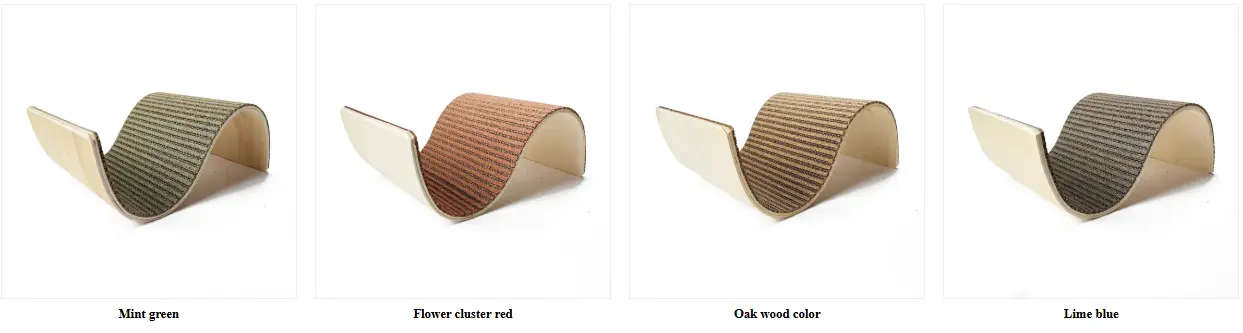
The biggest flaw of disposable scratchers is the all-or-nothing replacement rule. Once the surface wears down, the whole item must be thrown away, and the cumulative expense can be considerable over time. Bits of cardboard or wood spread everywhere, creating tedious cleaning work. Kittens may accidentally swallow debris, which brings potential health hazards. Many rigid scratchers make loud scraping noise, disturbing sleep when cats scratch at night. Natural cork is quiet when scratched. Its flexible texture will not wear down cat claws excessively. Thanks to the replaceable veneer design, the sturdy base can stay in service for years, and only the top scratching layer needs swapping. It cuts down waste and fits the sustainable pet raising trend for modern families.
Core Differentiated Advantages of Replaceable Cork Veneer Cat Scratching Board
Cork Veneer: A Natural Material Friendly to Cat Paws
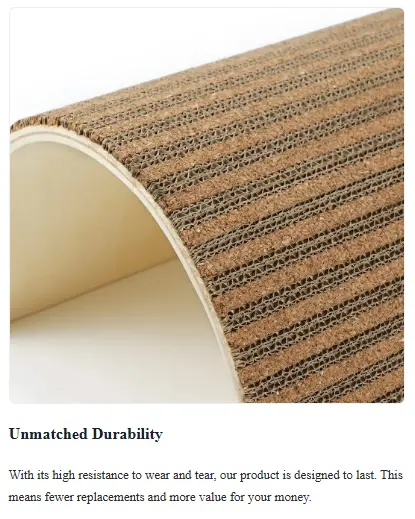
Cork is harvested from oak bark, non-toxic by nature. It has flexible resilience, generating minimal fine dust while being scratched. Unlike corrugated cardboard, cork resists tearing into large chunks. Compared with sisal rope, cork will not catch and split cat nails and reduce the risk of nail injury. Cork has a subtle natural wood scent that attracts cats, helping guide them to use the scratcher instead of upholstery.
Replaceable Veneer: Cost-effective & Eco-conscious
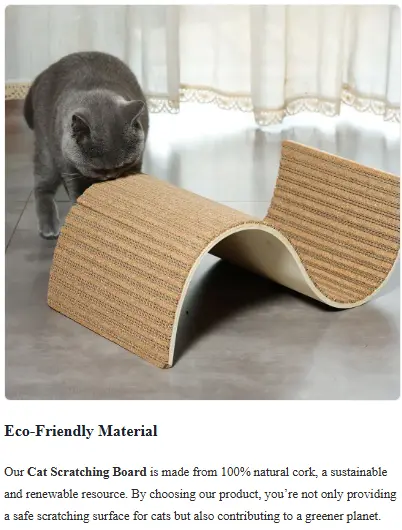
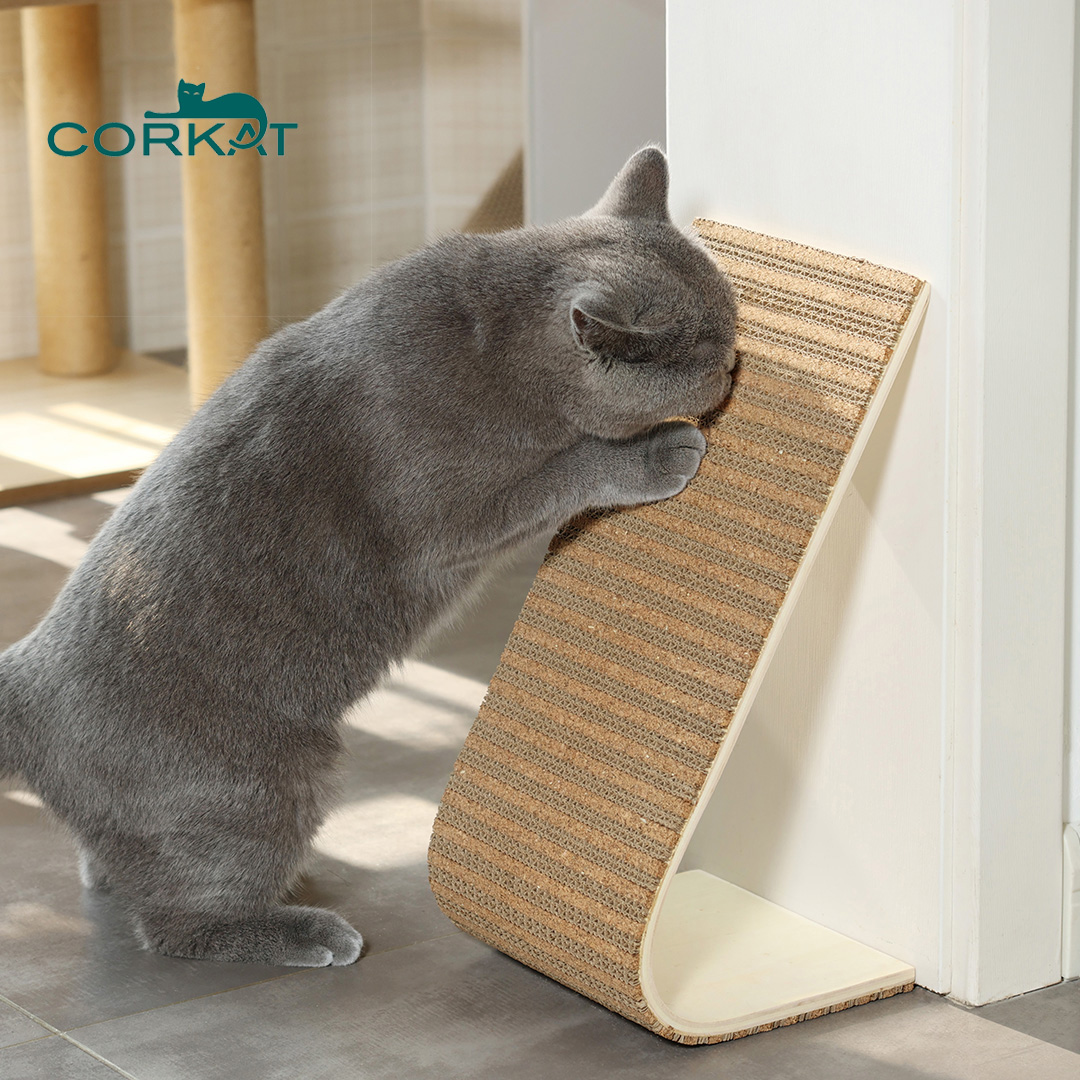
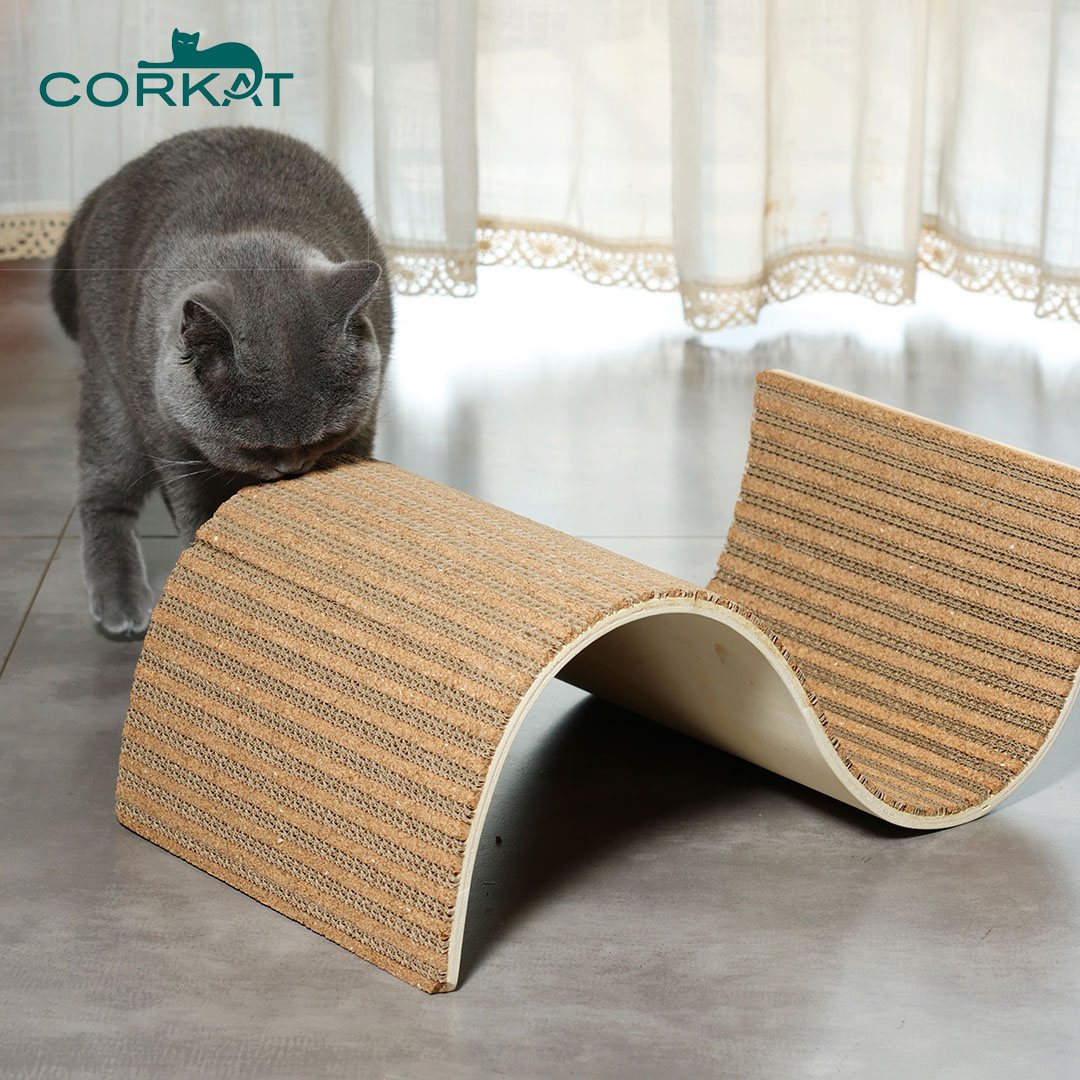
This is the standout feature separating it from ordinary scratchers. The ergonomic curved base remains reusable long-term. When the cork surface wears out, pet owners only need to replace the veneer sheet instead of discarding the entire unit. Conventional scratchers are single-use consumables. With this product, you invest once in the base and simply purchase replacement covers later, lowering long-term raising costs and cutting household waste. The curved profile perfectly matches cats’ body posture while stretching and scratching. Cats can scratch in standing or lying positions, improving their willingness to use the board. The weighted base stays stable and will not tip over during scratching, giving your cat a secure experience.
Selection & Usage Guide for Your Cat Scratching Board
Tips for Proper Placement
Place the scratcher where your cat rests or wakes up, such as next to sofas or cat beds. Cats tend to scratch immediately after waking up, so high-traffic spots create better redirection results. Avoid tucking it into tight corners; leave enough room for your cat to fully stretch its body.
Veneer Replacement & Daily Maintenance
For daily cleaning, brush off tiny cork particles with a soft brush. When deep grooves appear on the surface and the veneer is heavily worn, swap in a new veneer in seconds with no tools required. Keep cork away from continuous water exposure and maintain dry surroundings to extend veneer service life.
How to Encourage Your Cat to Use This Scratcher
Cats may feel cautious about new items at first. Simple tricks can boost acceptance. Sprinkle a little catnip on the cork veneer to draw your cat to explore. Offer treats as positive reinforcement whenever your cat scratches on the board voluntarily. Never force your cat’s paws against the surface, as this will trigger aversion. With patient positive training, your cat will gradually get used to sharpening claws on this Cat Scratching Board and stop damaging home furniture.
References
1. ASPCA: Cat Behavior - Guidelines for Managing Feline Scratching Behavior
2. Companion Animal Environmental Enrichment Research: Study on Cat Preferences for Scratching Materials
3. Safety & Environmental Performance Test Report of Natural Cork Material
Conclusion + CTA
If you are tired of frequently replacing disposable scratchers and frustrated by scattered debris and damaged furniture, this Cat Scratching Board with replaceable cork veneer is a practical solution that respects feline instincts, keeps your home clean and optimizes long-term spending. Check out this replaceable cork cat scratcher, offer your beloved cat a comfortable and durable scratching zone, and protect your home furnishings.
FAQ
Q: Does cork veneer shed a lot? A: It produces far less debris than cardboard. Only fine dust forms, no large torn fragments, which makes daily cleaning much easier. Q: Is it complicated to install replacement veneers? A: No glue or tools needed. Remove the old sheet and clip the new veneer into the base directly. Q: Is it suitable for large cat breeds? A: The curved base features stable load-bearing capacity and ample surface space, ideal for British Shorthair, American Shorthair, Ragdoll and other big-sized cats. Q: Does cork have strong chemical odor? A: Made of pure natural cork, it only has a faint bark smell with no harsh chemical fumes, safe for cats.

Related Industry Knowledge