
Does your cat keep scratching the sofa? This cuttable cork Cat Scratching Mat protects every piece of furniture at home
Most cat households have been through the same struggle: you buy a scratching board, yet your cat insists on the sofa armrest, the bed corner, and the curtain edge — those “sacred spots.” Most scratching boards on the market come in fixed shapes. They are either too big to squeeze into a corner or too small to cover the area you want to protect, so in the end you watch your furniture collect claw marks anyway. Today I want to introduce this Cat Scratching Mat, which uses cork as its base and can be cut to any size you need, turning “furniture protection” into something that truly fits every single detail.
Why do ordinary scratching boards fail to protect your furniture?
The spots cats scratch are the hardest spots to protect
Cats have their favorite scratching “points” — the top of the sofa armrest, the edge of the bed, the windowsill, the corner of a table. These spots come in all shapes, with curves and angles, and a plain square scratching board simply cannot cover them. When the board doesn’t fit, your cat skips it and goes straight for the furniture.
Fixed-shape boards can’t reach the real “damage zones”
Most scratching boards on the market are fixed in size and shape. To stay flat they have to sit on open floor space, yet the places cats love to scratch are usually angled to fit their bodies. The result: the board becomes decoration, and your furniture keeps getting damaged. To really protect furniture, the key isn’t how big the board is — it’s whether you can put it exactly where you need it.
A cuttable cork Cat Scratching Mat turns protection into “customization”
Cut it freely: one piece that fits every surface you want to protect
The biggest difference of this Cat Scratching Mat is that you can simply “cut it to size.” Cork is flexible and easy to trim, so you can shape it with scissors or a utility knife into any form. For a sofa armrest, cut a long strip and wrap it around; for a table corner, cut a small piece that follows the angle; for a windowsill, stairs or cabinet edge, trim it precisely to the real dimensions. One cork mat becomes a customizable armor set for your whole home.
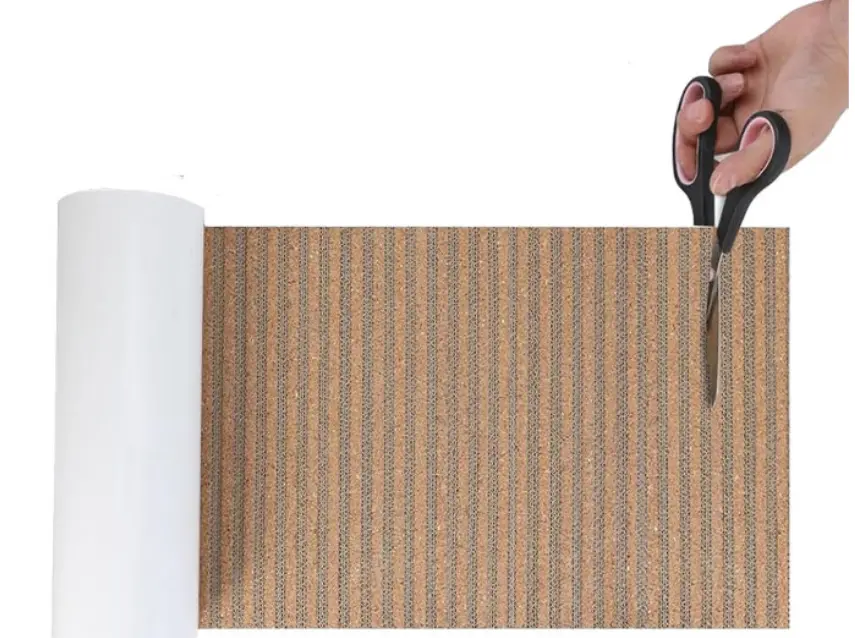
Cork material: protects both the furniture and the cat’s paws
Cork comes from oak bark. It is naturally quiet and supple. When cats scratch cork, it does not shed in large chunks the way cardboard does, and it will not snag claws the way sisal can. The surface is fine and gentle, so cats feel comfortable and scratch it willingly. Meanwhile the furniture surface you want to protect stays safely separated by this mat. It is not just a “barrier” — it is a natural cushion between your cat and your furniture.
One mat, many roles: scratch, rest and protect
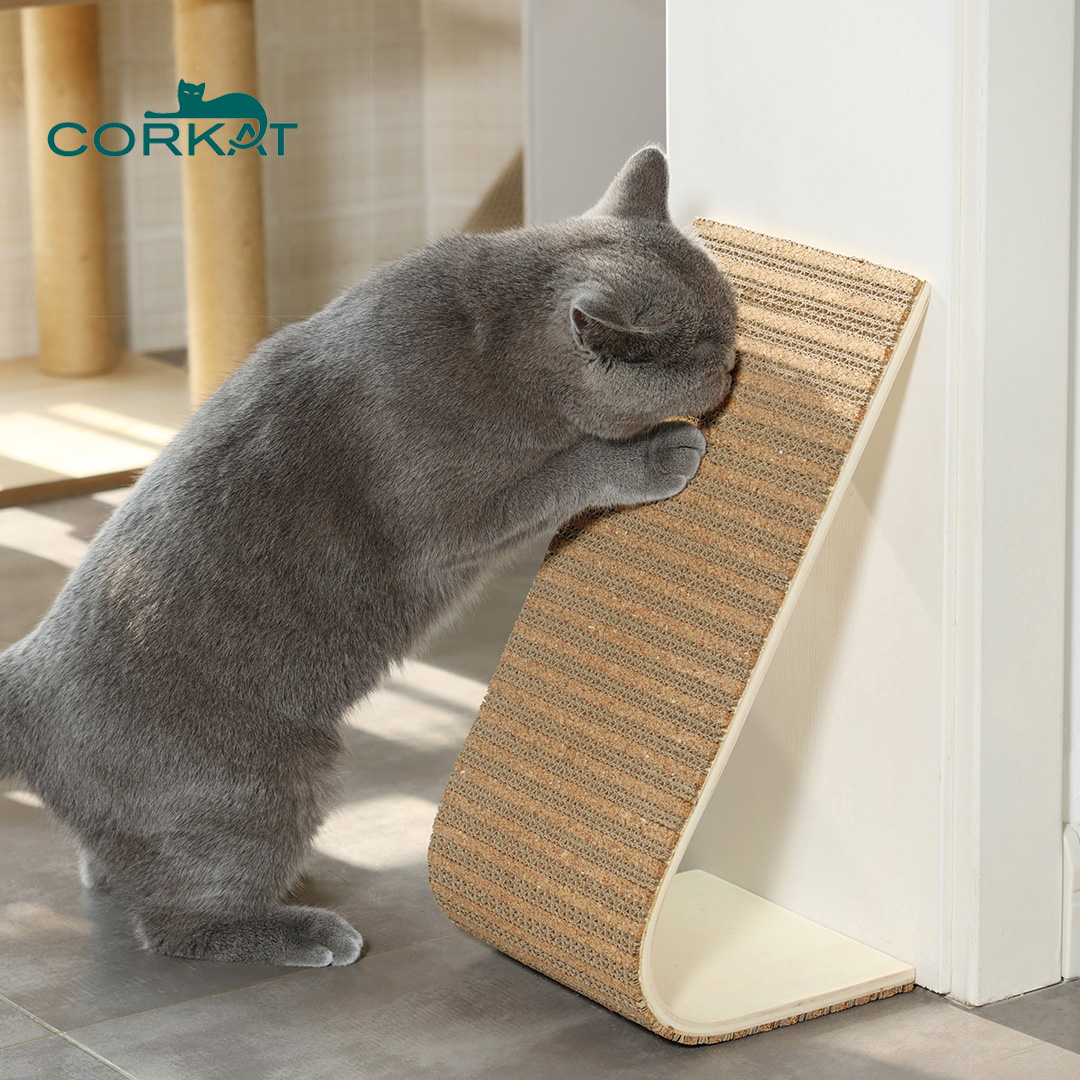
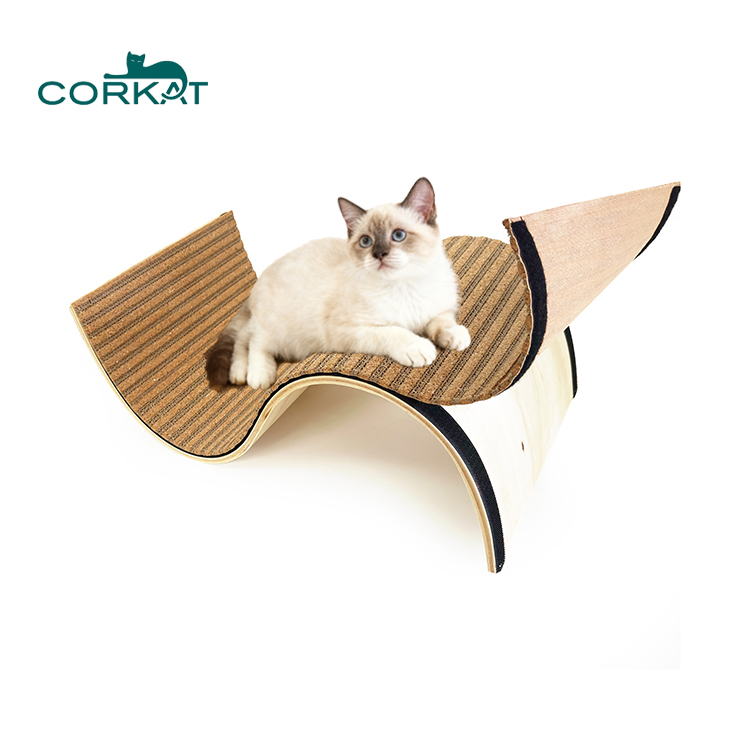
When they are not scratching, the cork mat doubles as your cat’s own “territory” — lay it flat on the floor as a scratching pad, or place it in a cat bed or on the windowsill as a soft layer. One Cat Scratching Mat satisfies the scratching instinct, offers a resting spot, and protects furniture all at once — a genuinely versatile buy.
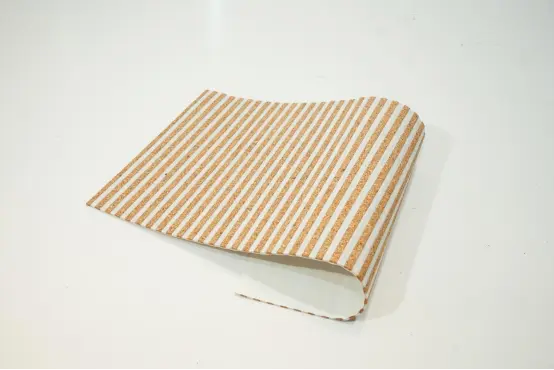
Clever usage tips for different scenarios
Sofas and chairs: focus on armrests and seat edges
The sofa spots cats scratch most are the armrest sides and seat edges. Cut a cork strip to the armrest height and fix it in place with the adhesive backing, and you cover the most-scratched area. A thin strip along the seat edge also reduces pawing damage.
Table corners and cabinet edges: shape to the angle
Table and cabinet corners are prime scratching targets. Cork mat can be cut into an L-shape along the corner for a precise fit, protecting the most fragile edges. The lacquer and corners of wooden furniture finally get an extra layer of peace of mind.
Windowsills and stairs: a resting spot for climbing cats
Cats that love climbing often scratch around windowsills and stair landings. Lay a cork mat in these spots to satisfy their scratching needs while keeping walls and windowsills from getting scratched. You can even join several pieces together to cover a larger area.
Shopping and usage tips
How to cut it to fit neatly and look good
Measure first, then mark the back with chalk or a marker and cut along the line for a clean edge. For corners, trim the outline with scissors first, then refine the details with a utility knife. The cork edge stays naturally smooth after cutting — no fraying or shedding.
Daily cleaning and replacement
Cleaning is simple: brush off the small amount of cork dust with a soft brush, and wipe light stains with a slightly damp cloth without soaking it for long. When the surface shows obvious wear after your cat uses it, simply replace it with a new mat — replacement is cheap and easy.
References
1. Feline Behavior Research: Cat Scratching Surface Preferences & Furniture Protection Strategies
2. Physical Properties, Sound-Absorbing & Wear-Resistance Test Report of Natural Cork
3. Indoor Pet-Proofing & Eco-Friendly Material Application Guide
Conclusion + CTA
Protecting your furniture doesn’t have to mean replacing everything or giving up on your cat’s natural scratching. A cork Cat Scratching Mat that you can cut to size lets protection truly fit every corner your cat “favors.” It gives your cat a comfortable scratching experience while saving your sofas and cabinet corners from claw marks. If you are tired of scratches all over the house, try this cuttable cork cat scratching mat — measure it, cut it, stick it, and give your furniture a breathable layer of protection. Visit the product page to see more sizes and usage demos.
FAQ
Q: Will the cork mat crumble easily after cutting? A: No. Cork is supple and holds a clean, sturdy edge after cutting — it won’t separate, fray or crack. Q: Which surfaces can it be applied to? A: Sofas, chairs, table corners, cabinet edges, windowsills, stairs and other flat surfaces all work, and it can be freely cut to fit any shape. Q: Will my cat accept a cork mat? A: Cork is naturally quiet and gentle to the touch, so most cats scratch it willingly. A little catnip can help guide them to accept it faster. Q: Does cork shed much? A: Cork produces only fine dust when scratched, almost never shedding in pieces, and can be cleaned easily with a soft brush.



Related Industry Knowledge