
Cork Protector Pads: Do They Outperform Pure Cork for Glass?
Introduction
Glass is one of the most rewarding materials to work with – and one of the most nerve-wracking to ship. A hairline fracture can render an entire batch worthless. Scratches on polished surfaces mean rework or rejection. Edge chips are almost always a total loss.
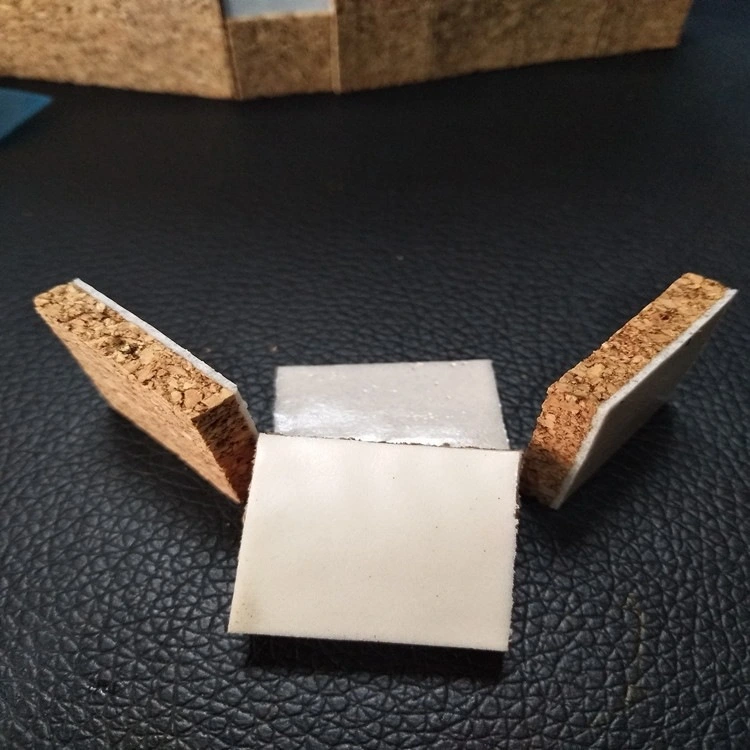
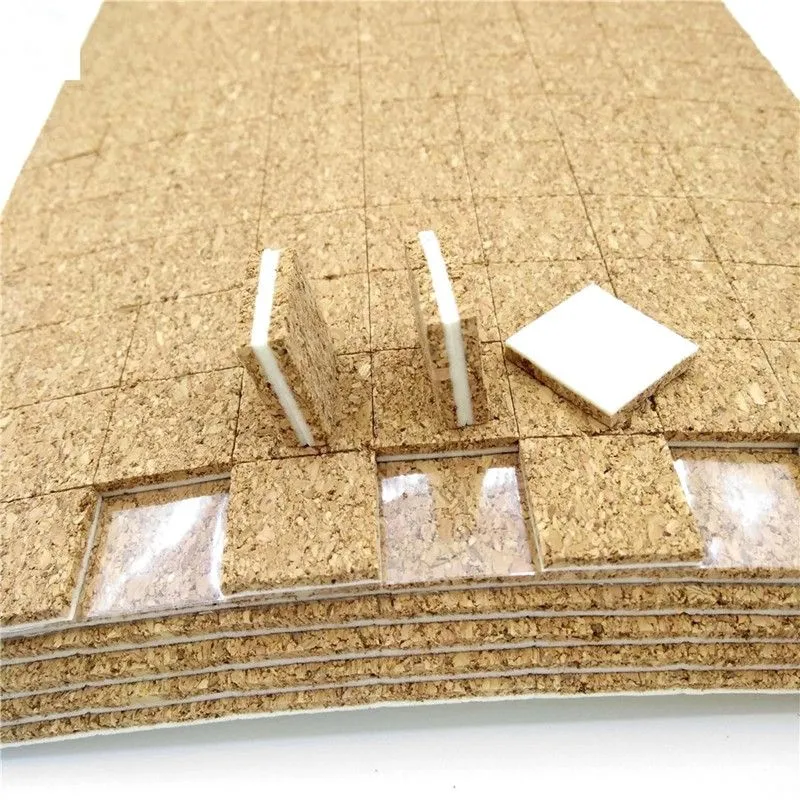
For glass manufacturers and logistics teams, the question isn't if damage will occur – it's how to stop it. Traditional solutions like paper, plastic film, or pure cork have served the industry for years. But a newer generation of engineered composites is raising the bar. At the centre of this evolution are Cork Protector Pads – not the pure cork version of old, but a hybrid that combines cork's natural grip with rubber's resilience and foam's cushioning.
The Five Most Common Types of Glass Damage in Transit
1. Surface Scratching
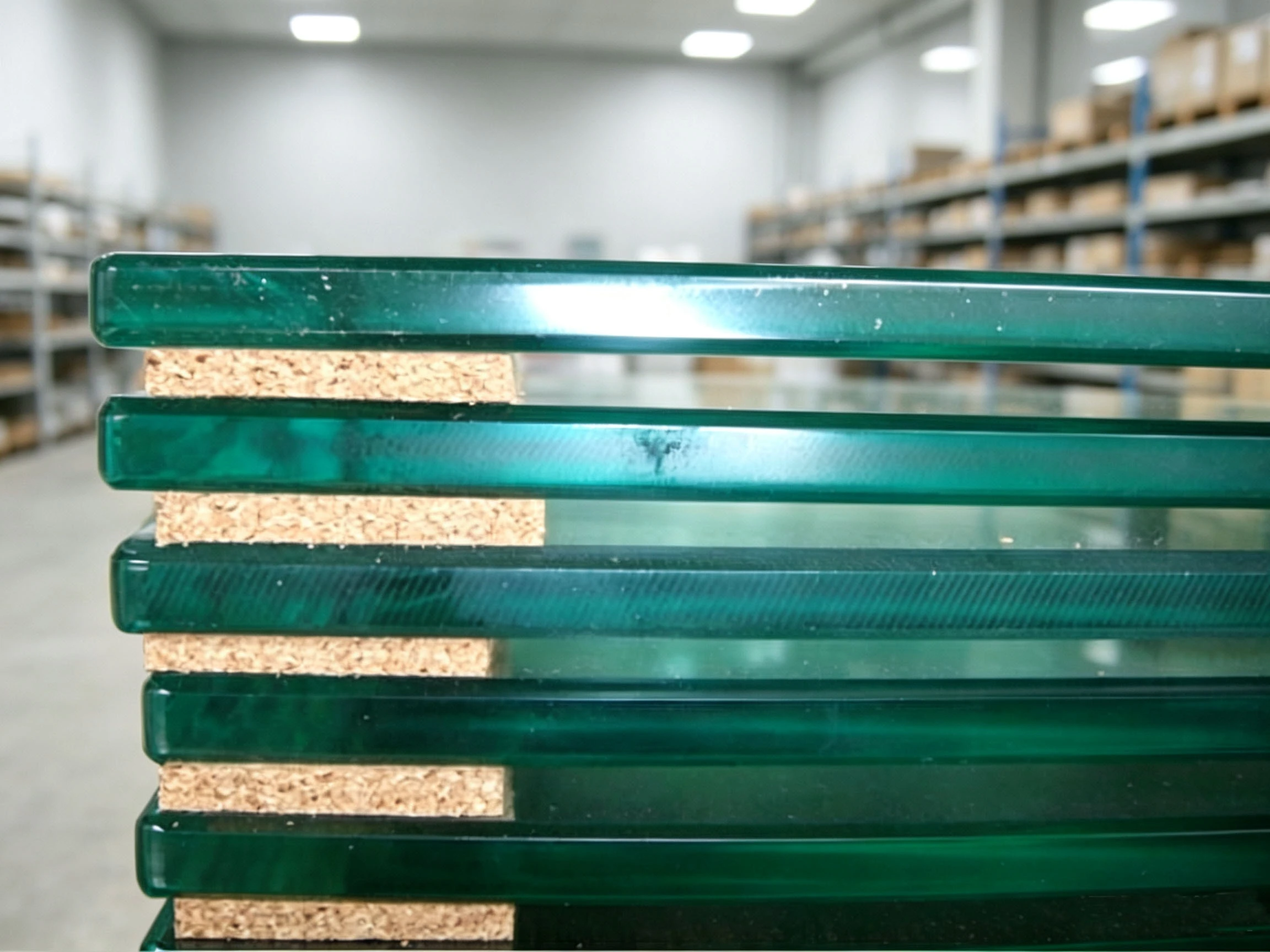
Two glass sheets rubbing during vibration – even micro-movements – create fine scratches that ruin optical clarity. The culprit is inadequate interlayer protection. Paper and plastic film shift easily. Premium Cork Protector Pads address this with a high-friction cork surface that grips without marring.
2. Edge Chipping and Cracking
Glass edges are the most vulnerable point. Impacts during loading or against container walls cause small chips that propagate under pressure. This accounts for nearly 40% of all glass damage claims. The cushioning layer in advanced Cork Protector Pads absorbs shock that pure cork simply transfers.
3. Pressure Fractures
Stacking multiple sheets places tremendous weight on lower layers. Without even weight distribution, stress concentrates at points, causing star-shaped fractures. Pure cork compresses permanently under this load. Rubber cork foam variants of Cork Protector Pads rebound after compression, maintaining consistent protection.
4. Moisture-Related Degradation
Coated and tempered glass are moisture-sensitive. Condensation trapped between layers can stain coatings or promote chemical reactions. Cork's natural moisture resistance is well-known, and high-quality Cork Protector Pads retain this property while adding a closed-cell foam layer that resists humidity.
5. Impact from Sudden Shock
Forklift bumps, rough sea conditions, or accidental drops produce shock that glass cannot absorb alone. The rubber component in modern Cork Protector Pads provides dynamic vibration damping that pure cork lacks.
Why Pure Cork Has Limits – and How Composites Solve Them
H3: Pure Cork – Better Than Paper, But Not Enough
Pure cork interleaving upgrades over paper. It has natural friction, resists moisture, and doesn't scratch glass. However, pure cork has three fundamental limitations: permanent compression under sustained weight, limited shock absorption for dynamic transport, and no rebound capability for reliable reuse.
The Rubber Cork Foam Composite Advantage
By combining rubber, cork, and foam into a single composite, manufacturers have created an interlayer that solves each limitation.
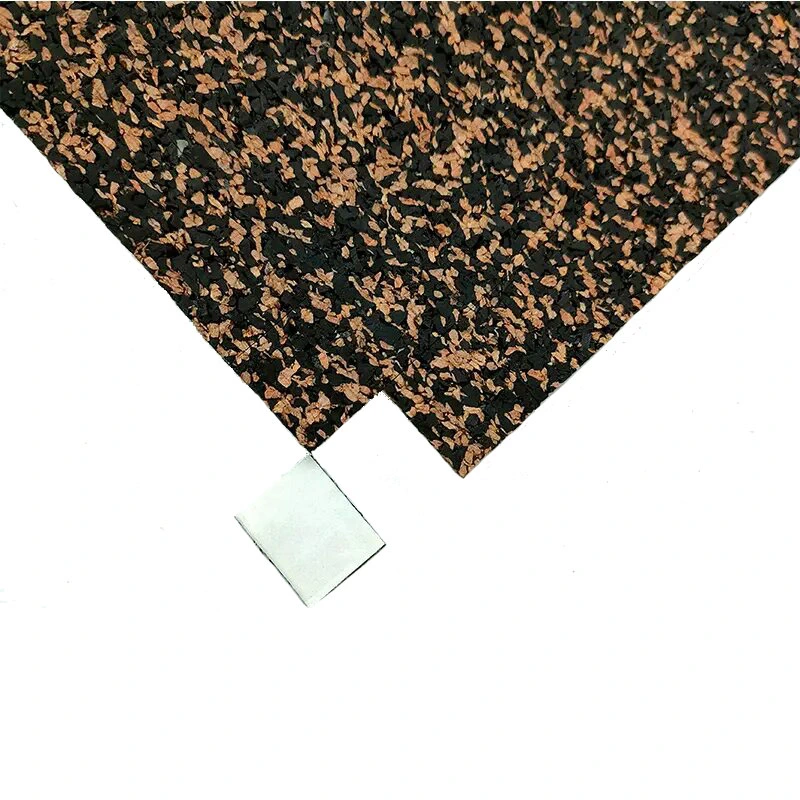
Premium Cork Protector Pads in composite form bring together:
Rubber – exceptional shock absorption and vibration damping. Returns instantly to original shape after compression.
Cork – non-slip grip that keeps glass from shifting. Holds position without scratching.
Foam – fills gaps and distributes weight evenly, eliminating pressure points.
Performance Comparison
|
Property |
Pure Cork |
Rubber Cork Foam |
|
Compression recovery |
60-70% |
≥ 90% |
|
Shock absorption |
Low |
High |
|
Anti-slip |
Good |
Excellent |
|
Reusability |
Limited |
100+ cycles |
|
Heavy stacking |
No |
Yes |
The Durability Advantage
Pure cork compresses permanently. Rubber changes this entirely – its elasticity means the pad rebounds after pressure is removed, maintaining performance through hundreds of cycles. Pure cork is a one-time absorber; rubber cork foam is a reusable spring. For glass plants shipping multiple batches weekly, one set of composite Cork Protector Pads outlasts dozens of pure cork sheets.
Practical Prevention Guidelines
Stacking Best Practices
Ship glass upright when possible
Limit stacks to 10-12 sheets maximum
Combine pads with corner protectors
Pre-Shipment Checklist
Interlayers are clean and debris-free
Pads extend to at least glass edges
Container is dry with ventilation
Strapping tension is even
Container Loading
Avoid placing glass near container doors
Use dunnage bags to prevent shifting
Seal containers properly for sea freight
The Sustainability Case
Today's glass buyers increasingly ask about packaging sustainability. Composite Cork Protector Pads align with these expectations:
Cork is harvested from regenerating tree bark
Rubber is a renewable resource
Foam can be specified with recycled content
Durable for multiple reuse cycles, reducing waste
Materials can be separated and recycled at end-of-life
For glass companies reporting to ESG frameworks, switching from single-use paper or pure cork to reusable Cork Protector Pads is a tangible improvement.
Conclusion
Glass damage during shipping is never inevitable. With the right understanding of risks and the right protective materials, damage rates can be reduced to near zero. Pure cork has served the industry well, but it has limits. Today's Cork Protector Pads – engineered as rubber-cork-foam composites – combine rebound resilience, non-slip stability, and pressure distribution into a single durable solution. For glass fabricators, logistics managers, and plant operators, they offer better protection, longer life, and fewer surprises when container doors open.
References
Glass Packaging Institute (2024). Transportation Damage Prevention Guidelines.
ASTM D4169 – Standard Practice for Performance Testing of Shipping Containers.
European Flat Glass Association. Logistics and Damage Prevention in Glass Transport.
About the Author
Our packaging team has worked alongside glass producers across Europe and Asia for over a decade, developing custom protective solutions for float glass panels to precision optical components.
Frequently Asked Questions
Q1: Are these pads safe for coated or low-E glass?
A: Yes. The cork surface is non-abrasive. We recommend testing for specialised optical coatings.
Q2: How do they compare to PVC-based protectors?
A: More flexible, better compression recovery, no harmful off-gassing.
Q3: Can they be used for curved glass?
A: Yes. Die-cut profiles available for complex contours.
Q4: How many times can a pad be reused?
A: 100+ cycles under normal conditions. Life-cycle data available for your application.
Q5: Available in roll form?
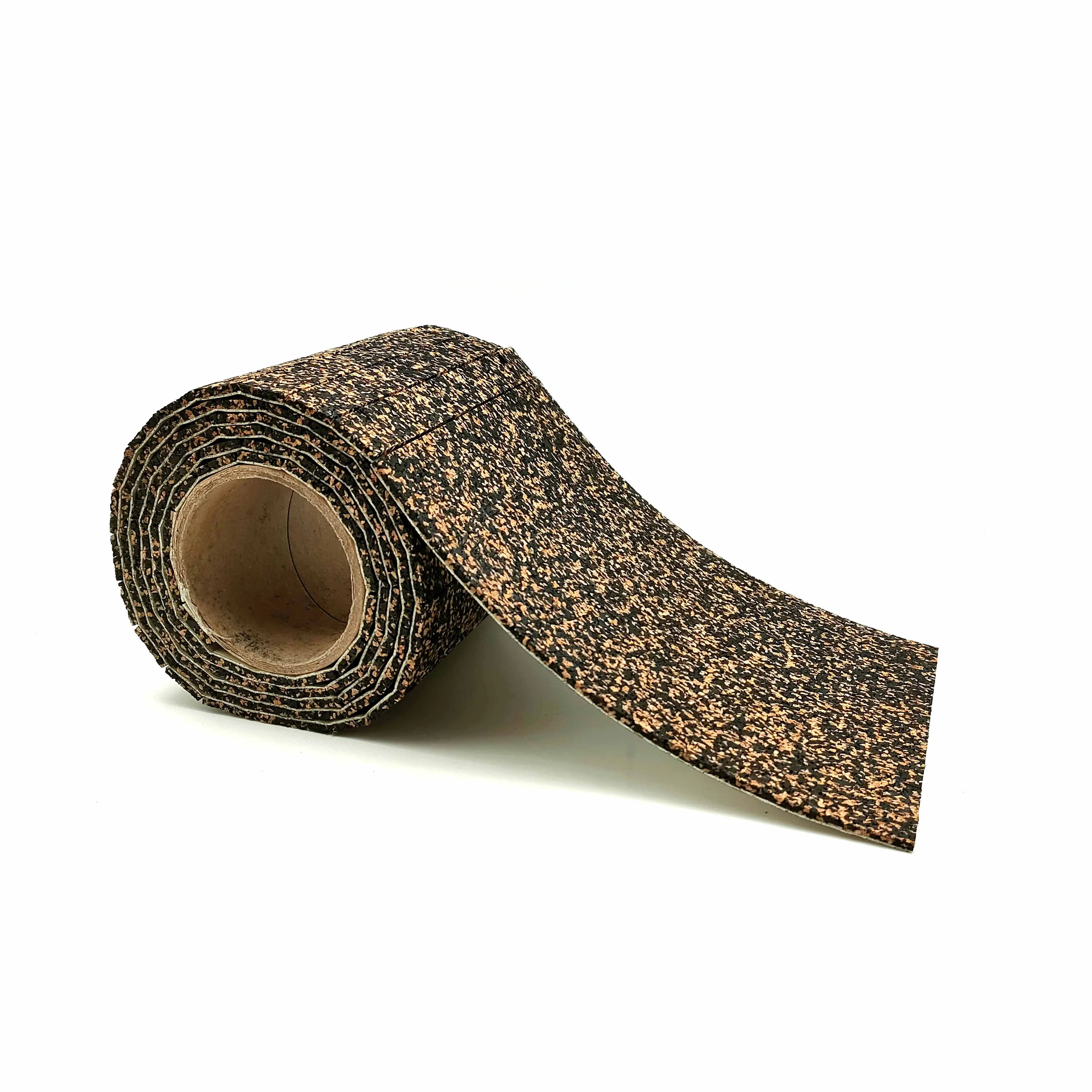
A: Yes, with perforation options for automated lines.
Q6: How to clean them?
A: Wipe with dry or slightly damp cloth. Avoid solvents. Store flat away from UV.

You May Like
0Related Industry Knowledge