Cork Natural Rubber Yoga Mat: My Honest Review After Half a Year of Use
Honestly, I didn't care at all about yoga mats at first. I used whatever the gym gave me, and bought whatever had a nice pattern on Taobao—PVC, TPE, I tried them all. Until one time in a hot vinyasa class, halfway through, my palms started slipping; during a Downward Dog, I almost did a split and crashed to my knees. It was both embarrassing and scary.
After that, I read a lot of posts and asked a few teachers who had been practicing for years. I found that besides PU rubber mats, a bunch of people strongly recommended cork rubber yoga mat. I thought: “Cork? Isn't that what wine corks are made of? Wouldn't it hurt your feet?” But curiosity got the better of me, so I bought one. After using it for over half a year, it has become my go-to mat.
Cork + Rubber: A Perfect Pair
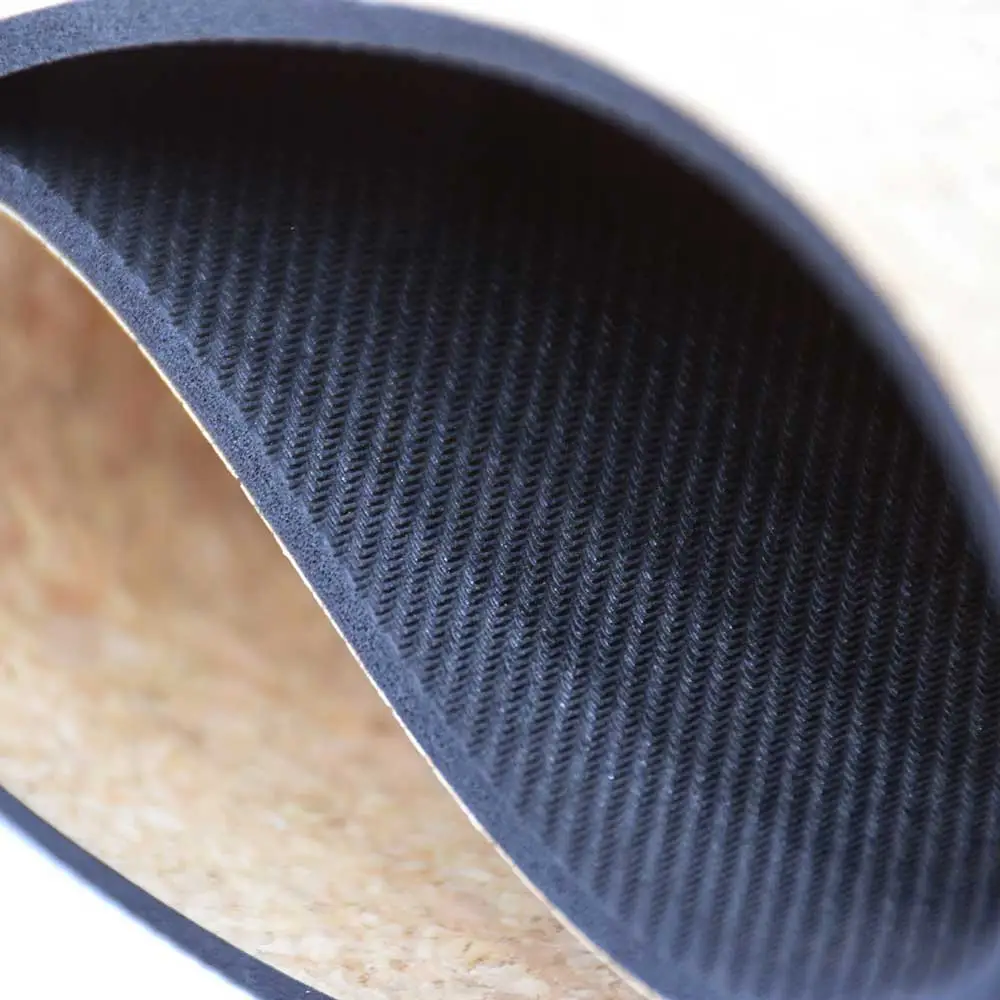
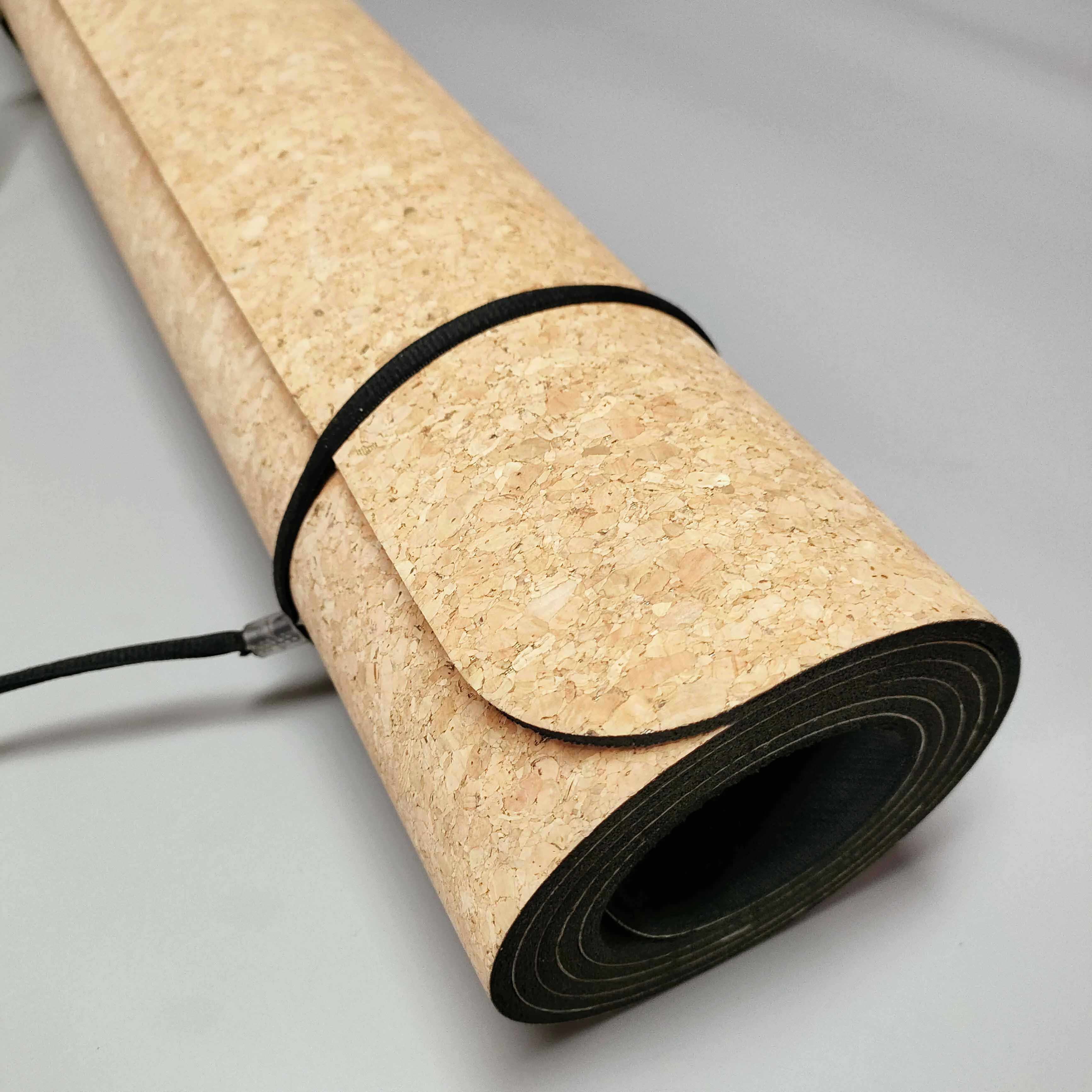
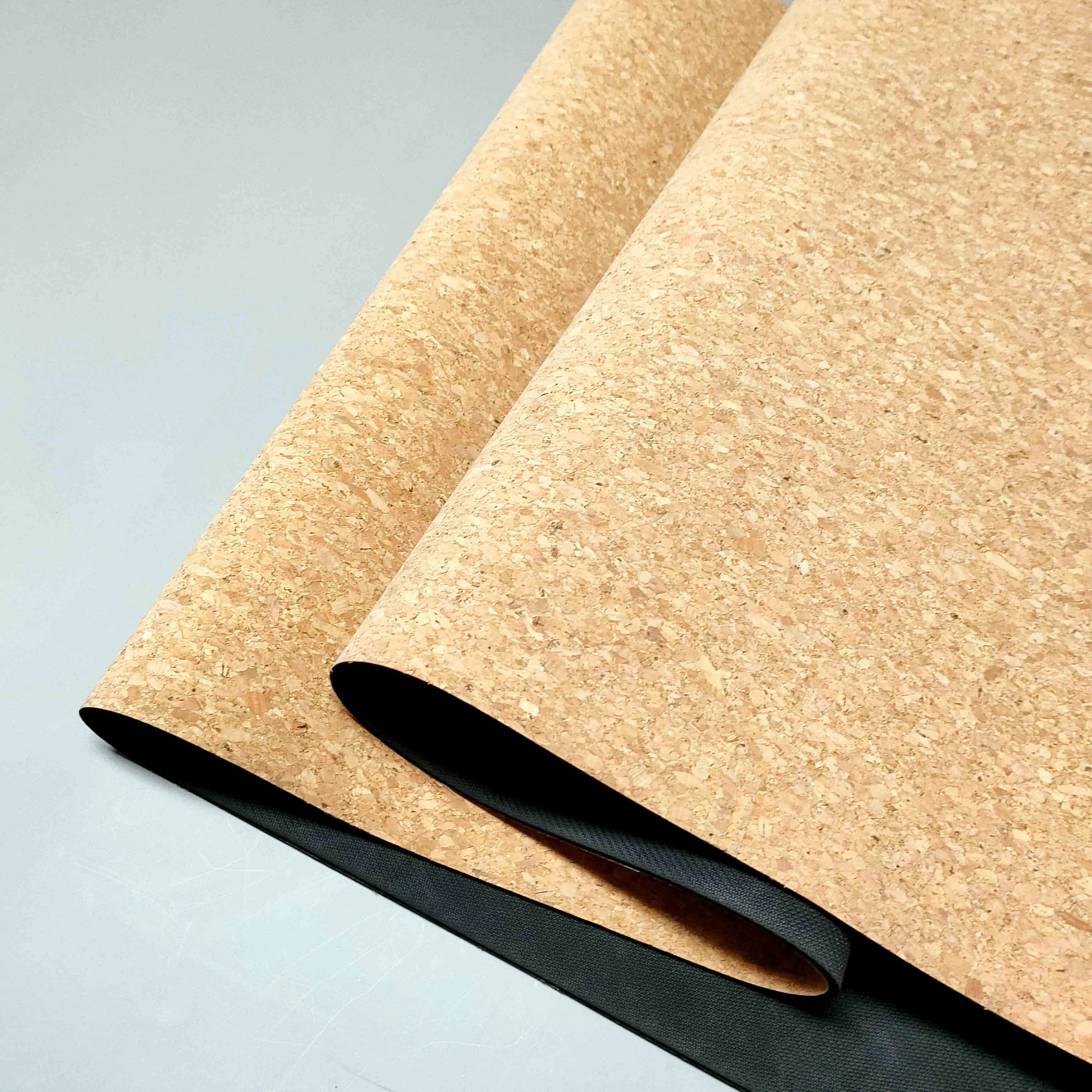
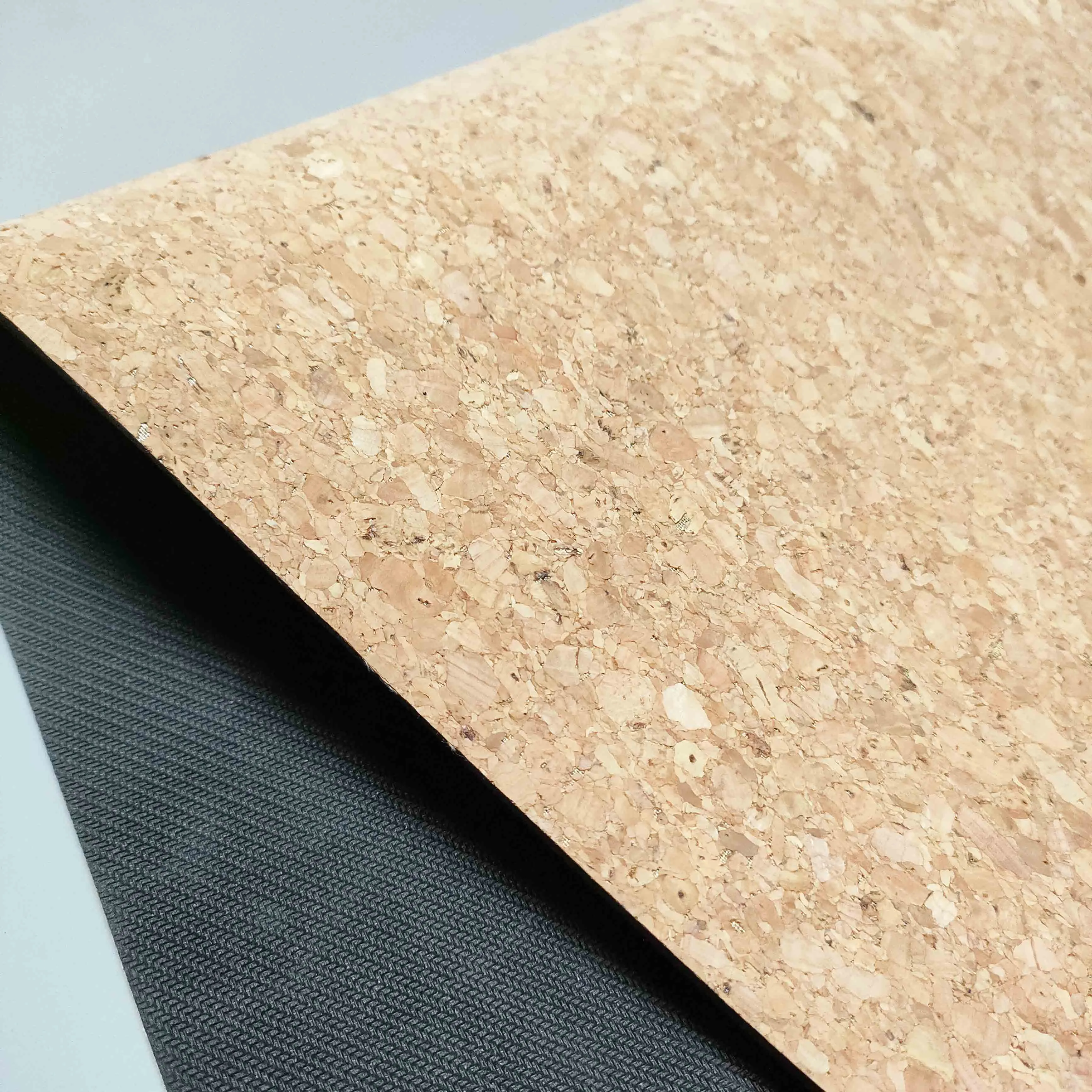
Don't let the name intimidate you. The cork rubber yoga mat top layer is cork fabric (yes, the natural material used for wine bottle stoppers), bonded to a natural rubber base. The two layers are heat-pressed together to form your mat, with no pungent chemical glue smell.
The first time I touched it, my immediate reaction was: “Huh, it's not scratchy.” I expected cork rubber yoga mat to feel like rough tree bark, but the surface is fine, dry, and has a natural matte texture. When you place your palms on it, it feels solid, not cold and slick like PVC, nor overly soft and plush like some PU surfaces. Up close, there's no chemical smell, just a faint scent of wood and oak sap—quite soothing.
The More You Sweat, The More It Grips
This is where cork rubber yoga mat truly impressed me. PU mats increase friction by absorbing sweat, while cork rubber yoga mat offers physical-level non-slip performance—its natural microporous structure acts like countless tiny suction cups. As soon as hand or foot sweat appears, it's absorbed instantly, making the surface even grippier. I tested it in sweaty vinyasa classes, and every Warrior pose felt like my feet were nailed to the floor; in Downward Dog, I never had to stop mid‑flow to wipe the mat.
Moreover, it's stable in both dry and wet conditions: naturally slip‑resistant when dry, and friction increases sharply when wet. For someone who sweats a lot like me, this sense of “the more you practice, the more it grips” was something no previous mat had ever given me.
Natural, Skin‑Friendly, and Eco‑Friendly
Cork is harvested from the bark of cork oak trees; it can be stripped and regenerates every few years, without cutting down the trees—very sustainable. Natural rubber comes from the sap of rubber trees, and both materials are biodegradable. Every time I practice barefoot on it, I feel the gentleness of the material, unlike synthetic mats that make your feet stuffy or cause static. Cork is also naturally antimicrobial, so you don't have to worry about bacteria growing from sweat, and cleaning is a breeze.
Stable Support That Boosts Confidence in Balancing Poses
The high‑density natural rubber base provides solid support. I chose the 5 mm thickness—comfortable on my knees in kneeling poses, stable underfoot in standing poses, and when doing Tree or Half Moon pose, the subtle wobbling noticeably decreased. It's not because the mat “sticks” to you, but because it's heavy enough and lies flat enough to give you a completely reassuring foundation. I can focus more on muscle engagement and breath, instead of worrying about the mat shifting or my feet slipping.
Aging Gracefully, Fitting You Better Over Time
Cork natural rubber mats has another interesting trait: with frequent use, it gradually absorbs handprints and sweat stains, darkening evenly in colour, and the surface develops a natural “patina”—not dirt, but more like leather that looks better with age. Over time, every mat becomes unique with its own texture that belongs only to you. Now, every time I unroll it, I feel a sense of familiarity with an “old faithful”.
What to Look For When Buying
If you're planning to buy one, here are some practical tips based on my experience:
Thickness: 5–6 mm is the most versatile. For most people, it provides cushioning for the knees and stability for balance without extra effort. If you have hardwood floors at home, this thickness is ideal.
Cork layer thickness: at least 0.5 mm. Be sure to ask before buying—too thin a cork layer won't be durable; at least 0.5 mm is needed to maintain slip resistance over time.
Size: choose based on your height and range of motion. I'm 170 cm and 183×61 cm works perfectly for me. If you're over 180 cm or like big, expansive movements, go for the extra‑long version.
Daily cleaning: super simple. After practice, just wipe lightly with a slightly damp soft cloth. Once a week, spray with mild soapy water, wipe dry, and air‑dry in a cool place. Cork is naturally antimicrobial, so no harsh cleaners are needed.
Final Thoughts
This cork rubber yoga mat won't suddenly unlock handstands for you or make your poses perfect automatically. But the greatest value it gives me is peace of mind—every time I stand on it, my feet feel rooted, and I know no matter how much I sweat, it will hold me steady. This stable foundation gives me the courage to explore deeper forward folds and longer balances.
I now practice four or five times a week; it has accompanied me through winter floor heating and summer sauna‑like days. The surface has only deepened in colour, while the slip resistance remains as good as day one. If you're also a frequent practitioner, or especially enjoy sweaty flows, and your budget is around 300–400 RMB, I really recommend giving it a try.
Since switching to cork rubber yoga mat, I've never thought about going back to PVC. The path of practice is long, and with it beneath my feet, every step feels solid.
References
Cork Yoga Mat Care Guide [EB/OL]. Yoloha Yoga, 2025-08-15.
Natural Rubber vs. Synthetic Rubber: Durability Test [EB/OL]. EcoYoga Lab, 2026-01-20.
Why Cork Is the Most Hygienic Yoga Mat Surface [EB/OL]. CorkMaterial Journal, 2025-11-03.
User Reviews: Cork Rubber Mats After 1 Year [EB/OL]. Yoga Gear Hub, 2026-04-10.
Thickness and Stability: A Comparative Study [EB/OL]. International Yoga Research, 2025-09-22.
Author
FAQ
Q1: What is the most outstanding advantage of a cork natural rubber mat?
A: Dual stability in both dry and wet conditions—naturally matte and slip‑resistant when dry; when wet, the cork's micropores absorb moisture, increasing friction. It is especially suitable for hot yoga, vinyasa, and people with sweaty hands or feet.
Q2: What thickness is best?
A: For beginners and most practitioners, 5–6 mm is recommended—gentle on knees and provides a good balance feel. If you practice on carpet, 4 mm can work; on hard floors, 6 mm is better. Too thick (above 8 mm) can affect balance; too thin (below 3 mm) lacks cushioning.
Q3: How do I clean and maintain it?
A: For daily use, wipe gently with a slightly damp soft cloth. Once a week, spray with warm water and a drop of mild neutral soap, wipe clean, and air‑dry in a cool, ventilated area. Do not use alcohol, acidic/alkaline cleaners, or brushes. Avoid direct sunlight and prolonged soaking. When rolling it up for storage, avoid heavy pressure to prevent creases in the cork layer.
Q4: Who is a cork mat suitable for?
A: Practitioners who practice more than three times a week, are into vinyasa or hot yoga, have sweaty hands, and value stability and eco‑friendly materials. It gives you an exceptionally solid foundation, making every Downward Dog feel as grounded as standing on the earth, and helps you bring your focus back to your breath and the pose itself.
Q5: What's the difference between a cork mat and a PU rubber mat?
A: Cork has a firmer, drier surface and relies on physical micropores for slip resistance rather than moisture absorption and stickiness, making it ideal for those who like a matte feel and natural materials. PU has a softer, more plush surface and becomes tacky when absorbing sweat. Both are non‑slip, but cork performs better in dry conditions and comes with natural antimicrobial and eco-friendly properties.

You May Like
0Related Industry Knowledge