
What Is Rubber Cork Sheet Actually Good For? A Client Found Out After Padding a Bunch of Equipment Bases
2026-10-15 15:30:08
A while back, a client added a few machines to his workshop. He set them directly on the concrete floor. Once they were running, the vibration was obvious – the downstairs neighbors could hear the humming. He tried a few materials to dampen it. Felt pads were too soft – flattened out in two days. Pure rubber pads had enough bounce, but the machines heated up and the rubber got soft and warped. Wood was too hard – vibration went straight through, basically useless.
Then a guy he knows who does seal work told him, try rubber cork sheet. He asked, you can mix those two things? The guy said yeah, been using it for years, it's made for vibration damping and sealing.
He cut a few pieces, put them under the machines, and the vibration dropped noticeably. No more knocks from downstairs. Three months in, the pads haven't deformed, haven't gone soft from the machine heat. There's something to this stuff.
Cork and rubber pressed together – what's the point?
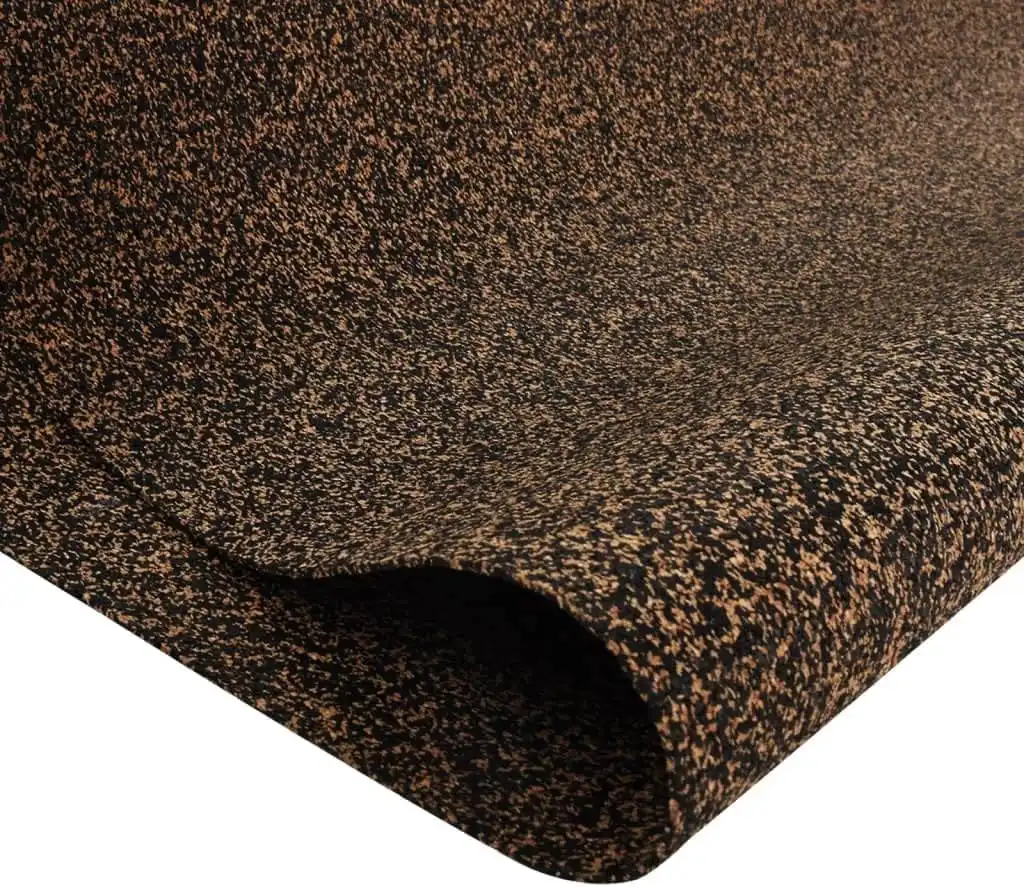
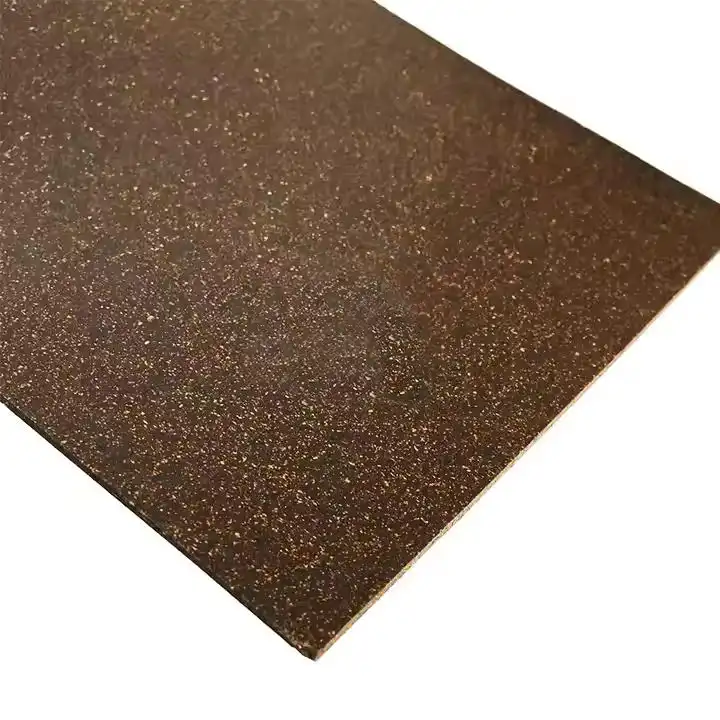
Rubber cork sheet is basically cork granules mixed with nitrile rubber, vulcanized and pressed into sheets. Cork provides compressibility and dimensional stability. Rubber provides elasticity and toughness.
This combo solves a real problem. Pure cork is brittle – too much force and the edges crumble, a little impact and it cracks. Pure rubber is too soft – permanent deformation under load, and it's sensitive to temperature. Hot gets soft, cold gets hard.
Mixed together, the cork granules act like a skeleton, and the rubber fills the gaps. When you press down, the cork compresses but doesn't break. The rubber brings it back. In the industry they call it "high compressibility, minimal deformation in all directions." In plain English: it compresses, it bounces back, and it doesn't squish out sideways.
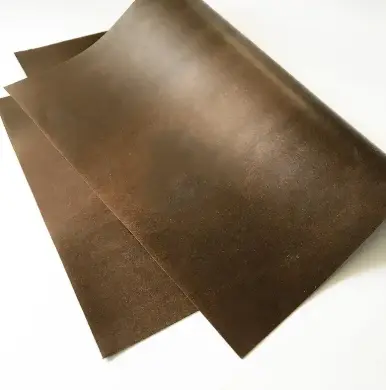
Vibration damping and sealing – two most common uses
For the equipment bases, the client used 5mm thick rubber cork sheet. The vibration damping was better than expected – absorbed most of the machine vibration, cut down the noise a lot.
Another common use is gaskets. Nitrile rubber resists oil, and cork provides dimensional stability. So this sheet works well for oil seals, pipe flange gaskets, pump seals. A client who does machine repair said they use this material to cut their own gaskets when fixing old equipment. Cheaper than buying pre-made, and seals just as well.
Another practical one – lining electrical boxes and metal cabinets. It dampens vibration, insulates, and stops metal parts from rubbing and making noise. Cutting is easy too. A utility knife goes right through. No special tools needed.
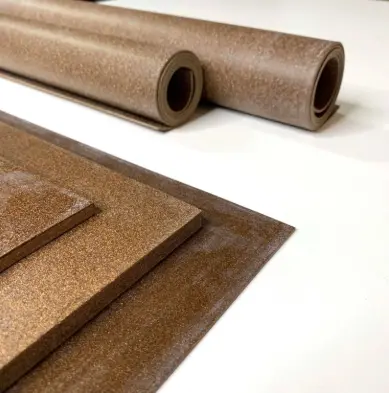
Oil, water, acids – handles the daily stuff
The client ran a quick test – soaked a small piece of rubber cork sheet in motor oil for two days. Wiped it off. No softening, no swelling. Same size as before. Water – same deal. Doesn't absorb, doesn't warp.
He didn't do extreme acid testing, but a client in chemical equipment said nitrile rubber handles common weak acids and bases fine for everyday industrial use. For extreme strong acids or bases, you'd need specialty materials like fluoro rubber or PTFE.
Temperature-wise, normal range is -30°C to 120°C. Equipment heat, outdoor temperature swings, near steam pipes – that range covers most situations.
How to pick size and thickness
Standard sizes are 1000x1000mm and 930x630mm. Thickness from 1mm to 10mm. Custom sizes available.
Thickness depends on use. 1-2mm for gaskets and insulating liners – thin ones sit flush. 3-5mm for vibration pads and equipment bases – enough compression room. 5-10mm for heavy equipment damping or applications that need a lot of compression.
For cutting – thin sheets, scissors or utility knife. Thick ones, hook blade or band saw for cleaner edges. No edge treatment needed. Cork granules and rubber are bonded tight. Doesn't crumble like pure cork.
How it compares to other damping and sealing materials
He tried a bunch over the years. Felt is cheap but doesn't last – flattens out in months. Pure rubber has good bounce but doesn't handle oil – swells up on contact. Asbestos was common once but is basically phased out now – safety issues. PTFE is extremely chemical-resistant but expensive and too hard – barely compresses.
Rubber cork sheet sits in the middle. More durable than felt, more oil-resistant than pure rubber, safer than asbestos, cheaper than PTFE. Enough compressibility, enough rebound, enough media resistance. Good balance for the money. For most industrial damping and sealing jobs, it does the job.
Wrapping up
The client didn't have much of a concept of composite materials before. Figured a gasket was a gasket – use whatever works. After using rubber cork sheet for a while, he realized different materials make a real difference. Pick the right one and the vibration drops, the seal holds, maintenance gets easier. Want to try it? Grab a sample. Thickness and size can be cut to order.
FAQs
Q1: How high a temperature can rubber cork sheet handle?
Normal range is -30°C to 120°C. Short-term exposure to higher is okay, but long-term above 120°C speeds up rubber aging. Switch to fluoro rubber or silicone for high-temp jobs.
Q2: Does the edge crumble after cutting?
No. The vulcanization process bonds cork granules and rubber together tight. Cut edges stay clean. Doesn't shed like pure cork.
Q3: Is it good for food equipment gaskets?
Depends on what it touches. Regular water or weak acids – fine. But for direct contact with cooking oil or alcohol, go with a food-grade certified version. Standard industrial grade isn't recommended for direct food contact.
Author Bio: Rue, Sales Representative at Leecork, Housewares & Furnishings Group. For product inquiries, feel free to email info@leecork.com.

Related Industry Knowledge