Why the Cork TPE Yoga Mat Is the Revolutionary Breakthrough Your Practice Has Been Waiting For
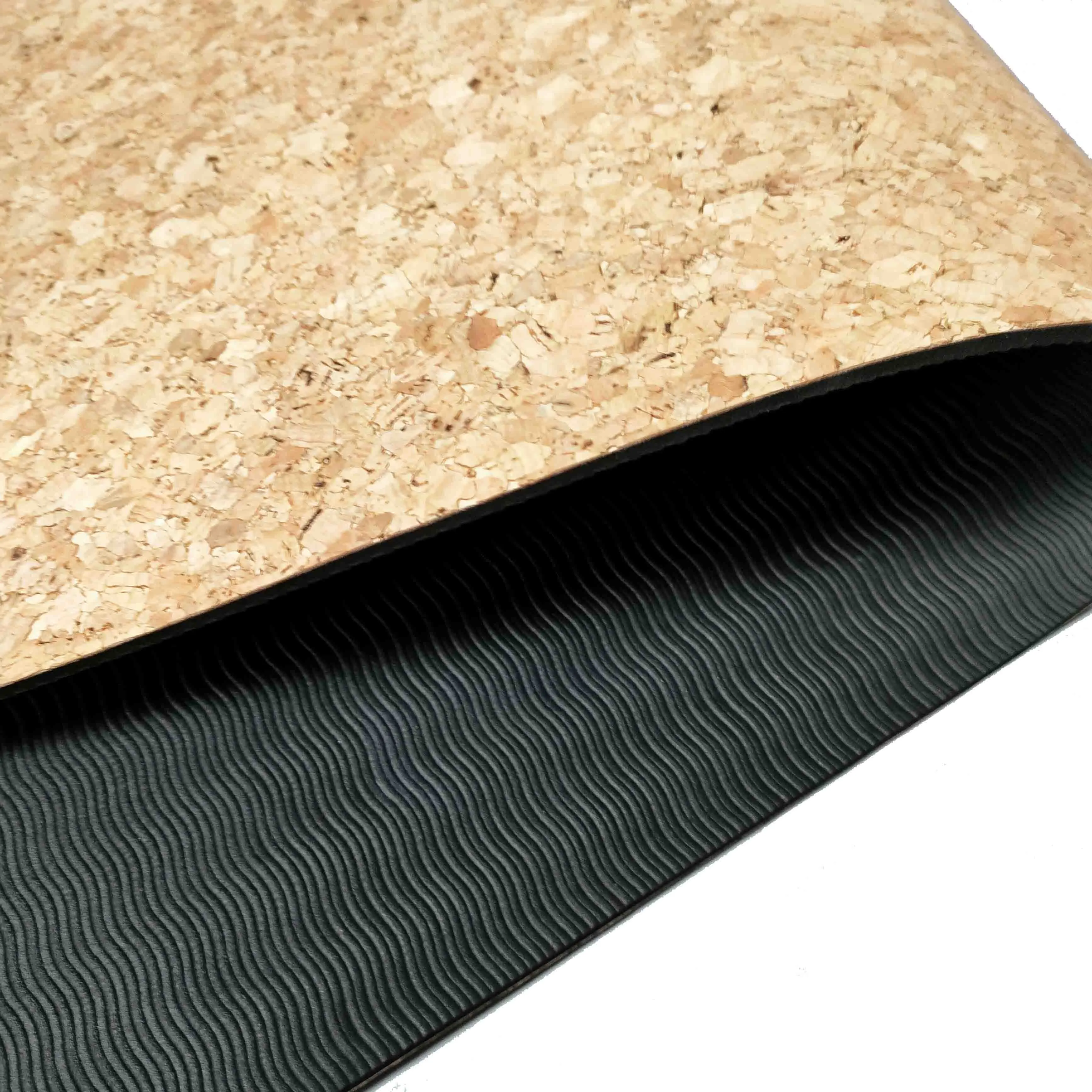
For years, the yoga mat market has been dominated by two heavyweights: traditional PVC mats and natural rubber mats. But now, a new contender is quietly revolutionizing how we think about our practice surface. Enter the Cork TPE Yoga Mat—an innovative hybrid that marries the best of nature with cutting-edge materials science.
If you haven't yet unrolled a Cork TPE Yoga Mat beneath your feet, you're in for an epiphany. This isn't just another mat; it's a thoughtful response to everything a yoga practitioner could ask for—durability, grip, sustainability, and comfort—all wrapped into one impeccably designed piece of equipment.
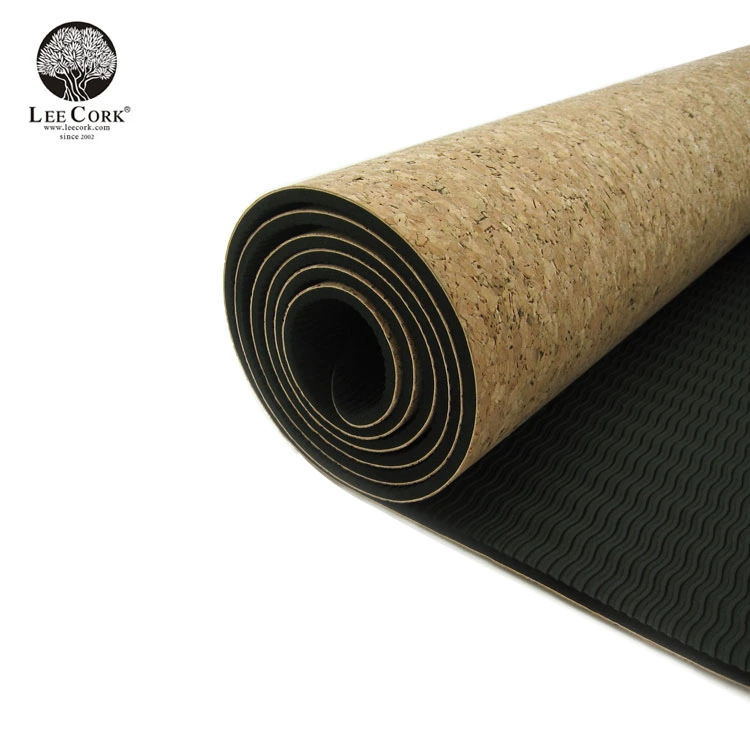
What Exactly Is a Cork TPE Yoga Mat?
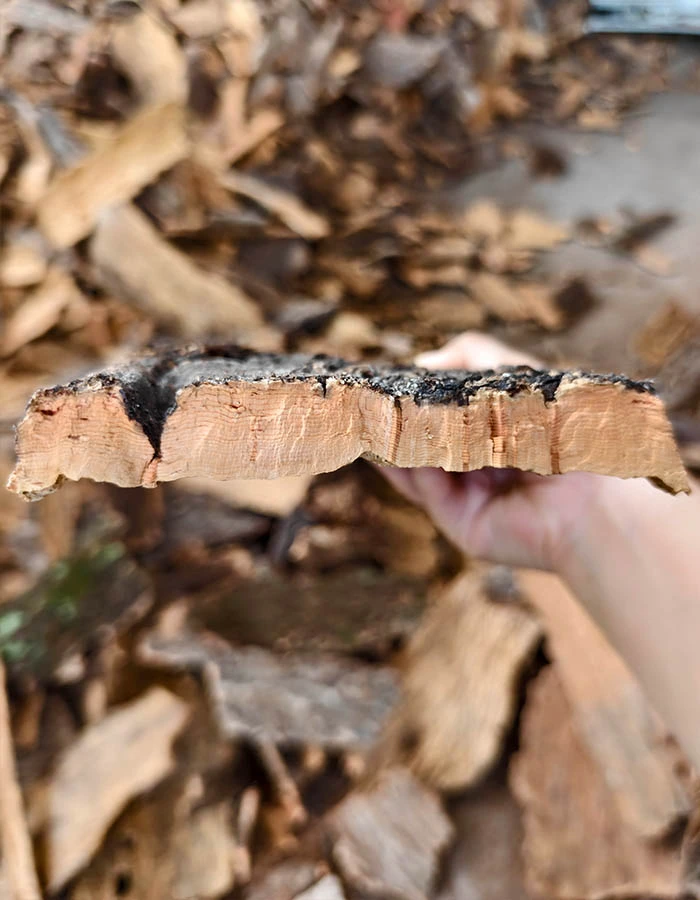
Cork is harvested from the bark of the cork oak tree. The harvesting process is remarkably sustainable—the bark regenerates every nine years, and the trees can live for over 200 years. This means no trees are ever cut down. Cork brings to the mat natural antimicrobial properties, exceptional grip when you sweat, and a delightfully earthy texture.
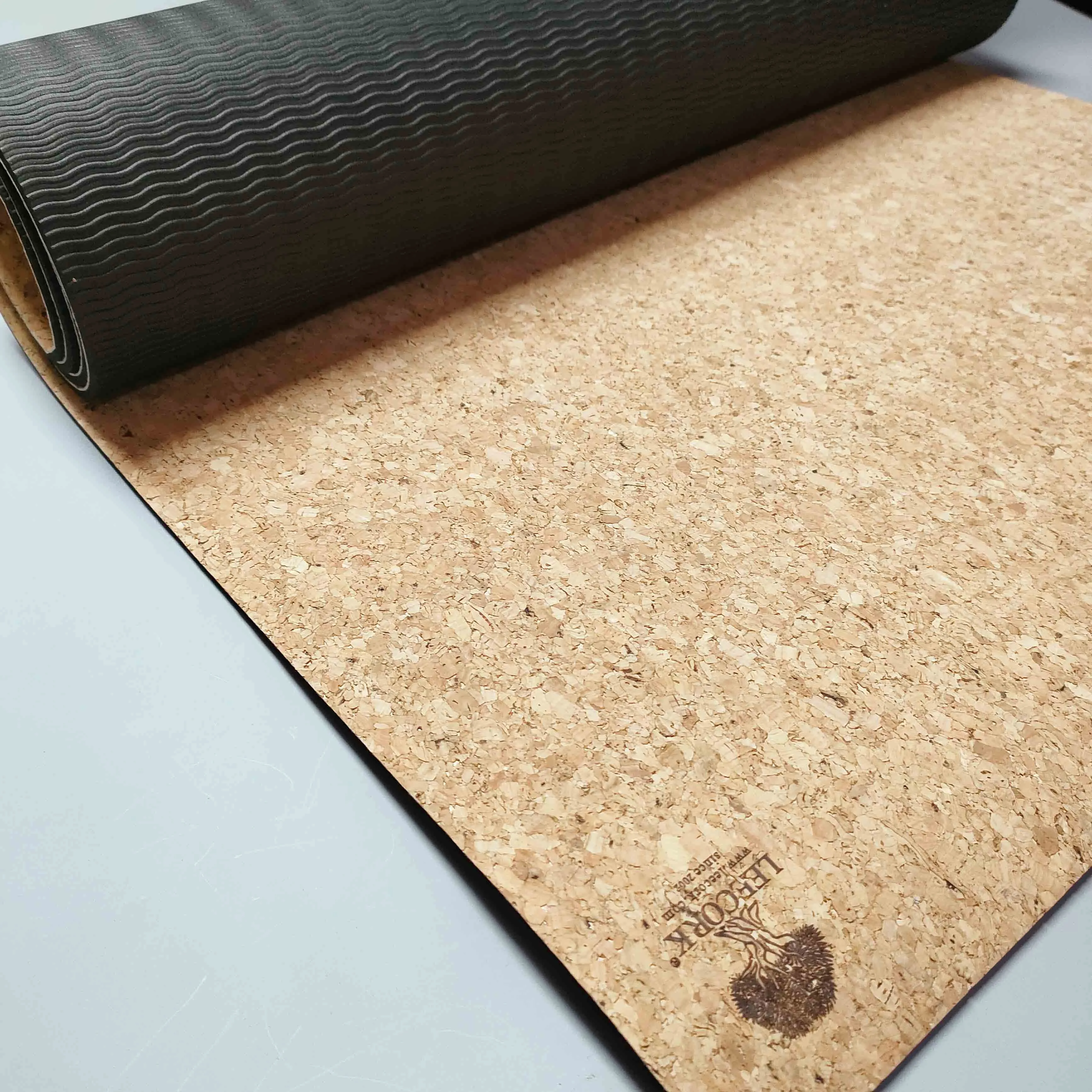
TPE stands for thermoplastic elastomer. It offers superior elasticity, recyclability, and shock absorption. TPE contains no toxic substances like phthalates or heavy metals. When combined with cork, the TPE layer provides the cushioning and support your joints need during extended practice sessions.
The Grip Factor: Why Cork Wins Every Time
Cork has a wonderful secret: it gets grippier when wet. Cork actually increases its traction as you perspire. The natural texture of the cork surface creates greater friction as moisture levels rise.
This means whether you're drenched in a hot yoga class or flowing gently through a soothing Hatha sequence, your hands and feet stay firmly rooted. No more reaching for a towel mid-practice, no more feeling like you're practicing on an ice rink.
Joint-Friendly Cushioning Without Sacrificing Stability
We've all experienced the flip side of grip: mats that are so sticky they feel like practicing on concrete. Wrists ache, knees protest, and your spine feels every single transition.
The TPE layer in a Cork TPE Yoga Mat elegantly solves this. TPE foam delivers excellent shock absorption and rebound resilience—meaning you get the cushioning you need without losing stability. The mat supports you in lunges, protects your wrists in Chaturanga, and provides gentle padding in seated postures.
But what sets TPE apart from ordinary foam is this: it doesn't compress over time. Cheap mats flatten out, losing thickness and support. TPE maintains its structural integrity, springing back after each use to provide consistent support practice after practice.
Naturally Antimicrobial: Because Hygiene Matters
Cork naturally contains suberin, a waxy substance that makes it resistant to rot, mold, and mildew. This isn't a chemical treatment—it's intrinsic to the material itself. Your Cork TPE Yoga Mat is virtually self-cleaning on a microscopic level.
Furthermore, cork's closed-cell structure prevents moisture from penetrating deep into the mat, reducing the damp environment where bacteria thrive. A quick wipe-down after practice is typically all it takes to keep your mat fresh.
Temperature Regulation: Year-Round Comfort
Cork has natural thermoregulatory properties. It doesn't absorb heat the way rubber does, remaining pleasantly temperate regardless of room temperature. Conversely, it doesn't conduct cold, either. Your mat feels like a natural extension of the room—not a shock to your system.
This may seem like a small detail, but when you practice regularly, these minor discomforts add up. A Cork TPE Yoga Mat removes yet another obstacle standing between you and a focused, comfortable practice.
The Lightweight Advantage
Cork TPE Yoga Mats are significantly lighter. The TPE base layer reduces overall weight while maintaining performance, typically coming in between 2.5 and 3.5 pounds (approximately 1.1 to 1.6 kilograms). This makes them ideal for commuters and travelers alike.
Simple, Convenient Care and Maintenance
After each practice, a spritz of water and a gentle wipe remove surface sweat and dust. For deeper cleaning, a mixture of water and mild soap works beautifully. Avoid harsh chemicals, essential oils, or excessive moisture—while the cork surface is naturally durable, it still appreciates gentle treatment.
Lay the mat flat or hang it to dry, keeping it out of direct sunlight to extend the life of the cork layer.
Who Is the Cork TPE Yoga Mat For?
The beauty of this mat lies in its versatility. It suits nearly every style of practice:
Hot yoga practitioners—who need exceptional sweat-activated grip
Vinyasa enthusiasts—who require stability during dynamic transitions
Yin and restorative practitioners—who appreciate ample cushioning
Environmentally conscious yogis—seeking sustainable alternatives
Travelers—who need a lightweight, durable mat
Those with natural rubber latex allergies
Final Thoughts
Yoga is a journey, and the tools we choose shape that journey in subtle yet profound ways. The Cork TPE Yoga Mat represents a thoughtful evolution in yoga accessories. It honors tradition through natural materials while embracing innovation to enhance performance and sustainability. It addresses the pain points of grip, comfort, and durability without creating new ones. If you've been struggling with slipping, joint discomfort, or the guilt of using PVC mats, this just might be the upgrade your practice has been waiting for.
Author
FAQ
Q1: Slippery hands when sweating is a pain point for many yogis. Can a cork mat really solve this?
A: Yes, and in a rather ingenious way. Cork has a counterintuitive property—Cork TPE Yoga Matit gets grippier when wetCork TPE Yoga Mat. As your palms begin to sweat, the natural micro-porous structure of the cork surface increases friction, and traction actually strengthens instead of diminishing.
Q2: Will the TPE layer flatten out and thin down after a few months of use, like those cheap foam mats do?
A: No, and this is precisely the core difference between TPE and ordinary EVA or recycled foam. TPE offers exceptional resilience and resistance to compression set—meaning it "bounces back" to its original shape every time after pressure is released.
Q3: I have a sensitive constitution and am allergic to rubber latex. Can I use this mat?
A: Absolutely. This is one of the major advantages of a cork-TPE mat. Cork-TPE mats contain absolutely no natural rubber latex成分, making them very friendly to practitioners with latex allergies.
Q4: I mainly practice Vinyasa flow with lots of dynamic jumps and transitions. Is it stable enough?
A: It's an excellent fit. Vinyasa flow requires frequent planks, jumps, Chaturanga transitions, and other dynamic movements—demanding a mat that offers "stable grip, no shifting, and no sticking." The cork surface delivers just the right amount of friction—not so sticky that you can't move smoothly, and not so slippery that you lose control. At the same time, the TPE base layer provides solid floor traction, so the mat itself won't slide across the floor.
Q5: Will the cork layer shed bits and pieces over time?
A: A high-quality cork-TPE mat will not shed noticeably under normal use. The cork is compressed and surface-treated to form a dense, durable top layer that holds up quite well. With proper care, one mat can easily last you several years of regular practice.

You May Like
0Related Industry Knowledge