Why Cork Handle Fishing Rod? The Natural Grip That Outperforms Everything Else
You know what’s funny? Most anglers spend hours comparing rod blanks, guides, and reel seats, but they barely give a second thought to the handle. That’s a mistake. A Cork Handle Fishing Rod can be the difference between a comfortable all-day casting session and a hand that’s sore, blistered, and done by noon.
I’ve been building and testing rods for over a decade. And if there’s one thing I’ve learned, it’s that cork isn’t just “traditional.” It’s functional. It’s practical. And when you get a good one—like the natural cork sticks we stock here—it’s hard to go back to foam or rubber.
Let’s break down why this matters, how to choose the right cork, and why our Cork Fishing Rod handles are winning over guides and weekend warriors alike.
What Makes a Cork Handle Fishing Rod So Special?
A Grip That Breathes With You
Sweaty palms? Shaky hands after fighting a bass? Cork naturally absorbs moisture without becoming slippery. That’s biology. Foam gets slick. Rubber gets sticky. But a quality Cork Handle Fishing Rod actually improves grip as your hand warms up.
I’ve fished in Florida humidity and Alaskan rain. Cork never let me down. It’s like the material was designed for wet, hard-working hands.
Shock Absorption Without Bulk
Cork compresses slightly under pressure. That means every headshake, every sudden strike—the impact gets dampened before it reaches your wrist. Over a full day, that adds up. Less fatigue. More casts. More fish.
You don’t need thick, ugly EVA foam to get comfort. A well-shaped Cork Fishing Rod handle gives you all the cushion you need without feeling like you’re holding a pool noodle.
The Hidden Problem With Cheap Cork (And How to Spot It)
Not all cork is created equal. Far from it.
Some rod makers use “cork dust” glued together. Looks fine in photos. Feels like sandpaper after an hour. And it crumbles. You’ve probably seen those rods—the handle starts flaking, leaving black specks all over your shirt.
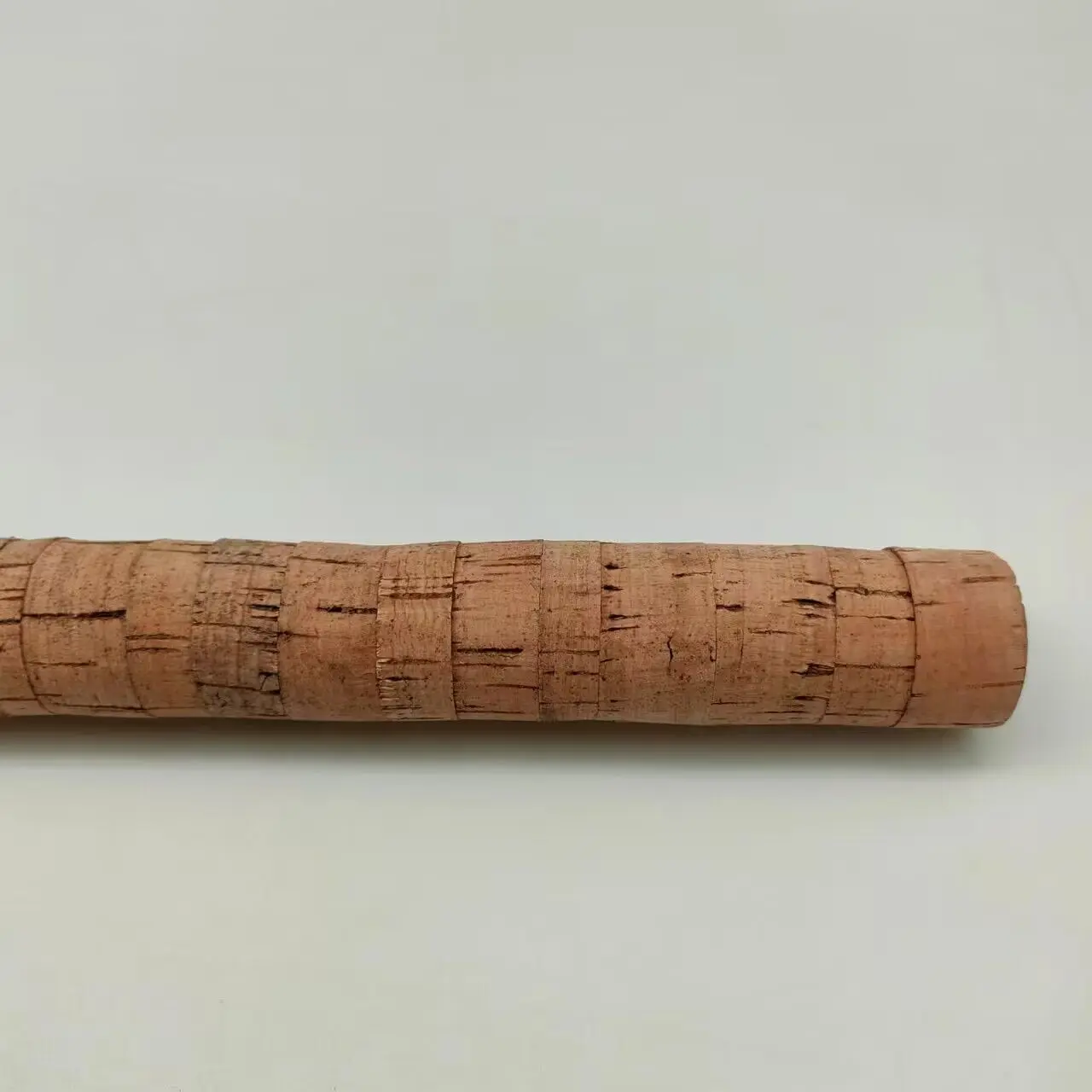
Here’s what you actually want: solid natural cork. No filler. No glue lines.
Grades Matter More Than You Think
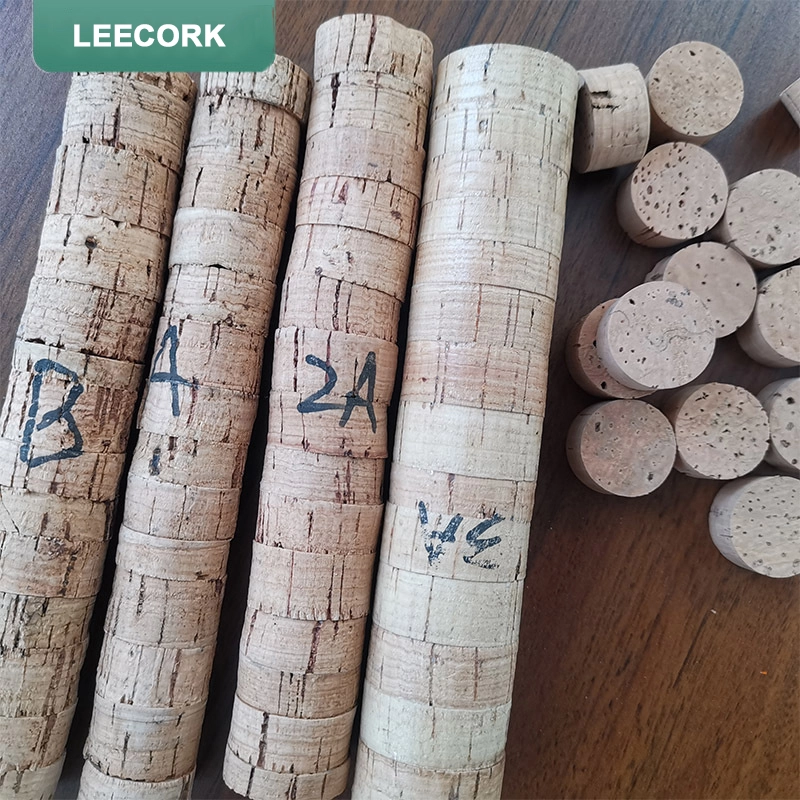
We stock natural cork in four grades: B, A, 2A, and 3A. Here’s the honest breakdown:
Grade B: Economical. More visible holes and natural fissures. Works fine for budget builds or kids’ rods.
Grade A: Cleaner. Fewer holes. Light yellow color. This is what most mid-range rods use.
Grade 2A: Very clean. Tight grain. Minimal filler. This is where performance starts getting serious.
Grade 3A: Premium. Almost flawless. Bright, uniform color. Dense. Lasts for years.
How to Choose the Right Cork Size for Your Rod Build
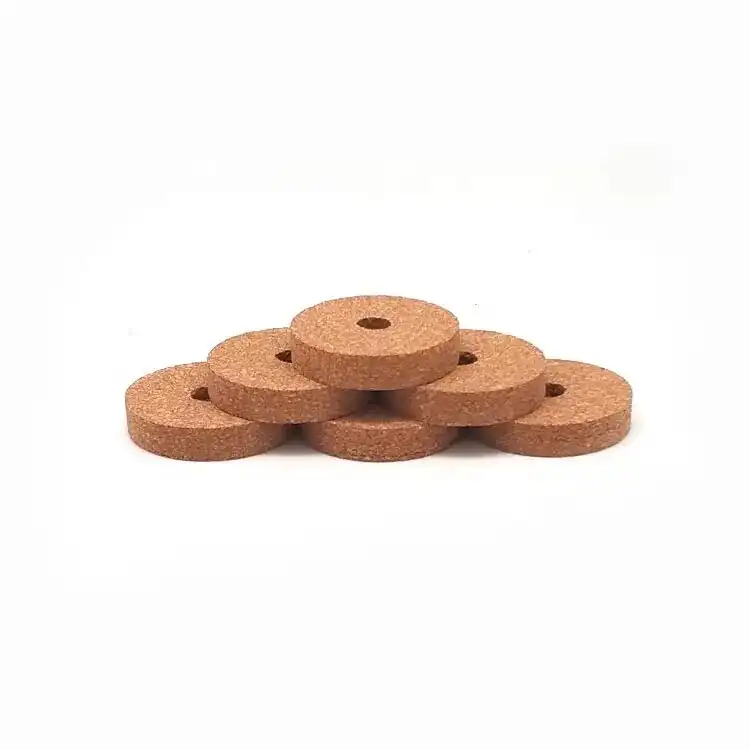
We carry two primary sizes of natural cork sticks. Both work, but they serve different rod types.
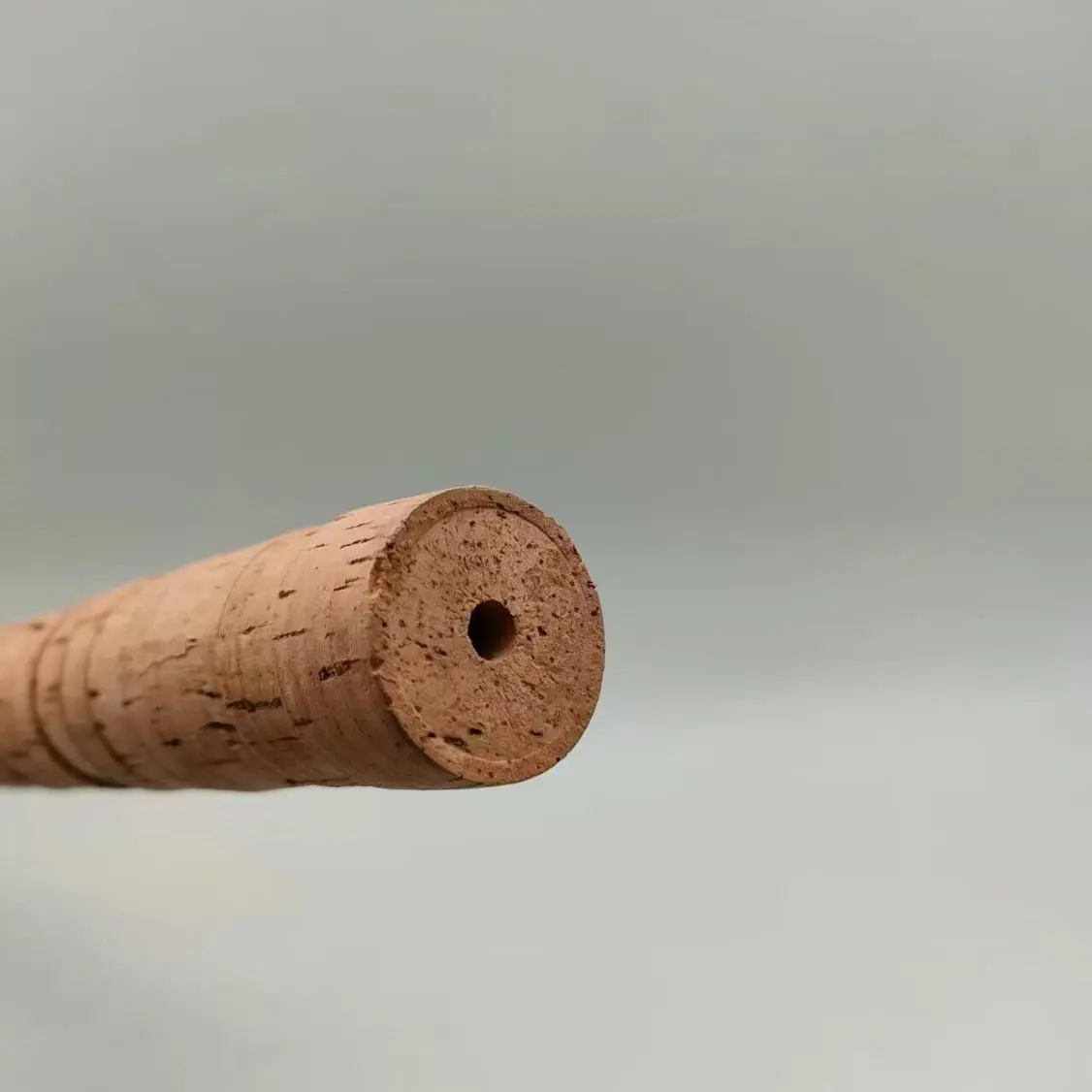
Option 1: 700mm Length / 30mm OD / 6mm ID
This is your all-rounder. The 6mm inner diameter fits most standard blank diameters. Total length of 700mm gives you enough material for:
One full-grip spinning rod (foregrip + main grip + butt cap)
Two shorter casting rod grips
Plenty of leftover for fighting butts or inlays
If you’re building a rod for bass, trout, inshore redfish, or light saltwater—start here.
Option 2: 760mm Length / 30mm OD / 5.5-6mm ID
The longer option gives you flexibility. The tapered ID (5.5mm to 6mm) is a lifesaver when your rod blank isn’t perfectly cylindrical—and let’s be honest, most aren’t.
I use this size for:
Surf casting rods (longer rear grip)
Heavy jigging rods (need more leverage)
Any build where I want a custom contour without sanding forever
Both sizes are pure cork. That’s why the color is that bright golden-yellow and the hole count is so low.
Common Myths About Cork Fishing Rods (Busted)
“Cork gets slippery when wet.”
No. Bad cork gets slippery. Or cork that’s been sealed with polyurethane (don’t do that). Natural, unsealed cork actually gains tackiness with moisture. Try it yourself. Wet your hand. Grab a high-grade Cork Fishing Rod handle. It grips better than dry.
“Cork is hard to clean.”
Warm water. Mild dish soap. A soft scrub pad. That’s it. Two minutes of work. I’ve cleaned cork that looked black with ground-in dirt, and it came back to 90% of original color. You can’t do that with foam—foam just looks permanently dirty.
“Cork breaks down too fast.”
Cheap cork does. Granulated cork with glue? Yes, that falls apart. But solid natural cork? I own rods from the 1990s with original cork handles. They’re dark from use, but structurally perfect.
How to Maintain Your Cork Handle
Do this once or twice a season:
1. Light scrub with warm water and Dawn. Don’t soak it. Just damp scrub.
2. Rinse fast and pat dry with a towel.
3. Let it air dry for an hour.
4. Light sanding (1000-grit) if the surface feels rough. Just a pass or two.
Do not use cork sealers. Do not use wax. Do not use bleach. All of those break down the natural suberin. Once that’s gone, the cork dries out and crumbles.
One more thing: store rods vertically or horizontally. Don’t lean them in a corner where the handle sits in a puddle of water.
Why We Only Stock Natural Cork (No Fillers)
The natural cork we carry:
Pure cork. No binders. No artificial fillers.
Bright yellow color (sign of freshly harvested, high-suberin bark).
Minimal holes even in lower grades.
In stock now: B, A, 2A, and 3A grades.
If you’re building a Cork Handle Fishing Rod that you actually want to enjoy using, don’t settle for mystery cork off an auction site. Get the real thing.
References
1. Pereira, H. (2007). Cork: Biology, Production and Uses. Elsevier.
2. APCOR – Portuguese Cork Association. (2023). Cork Harvesting and Sustainability Report.
3. RodBuilder’s Guild, Issue 94: Handle Materials Compared – Cork, EVA, and Hypalon.
4. Personal field testing. Florida Keys, Outer Banks, and Michigan inland lakes. 2012–2025.
Ready to Build Your Own Cork Handle Rod?
You don’t have to be a professional rod builder. Anyone with a hand drill, some epoxy, and patience can turn a cork stick into a custom grip.
Grab a Cork Fishing Rod handle kit from our shop. Choose your grade. Pick your size. And build something that feels like an extension of your arm.
[https://www.leecork.com/cork-fishing/cork-handle-fishing-rod]
Or not sure which grade fits your next build? Reply to this post or use the contact form. I’ll walk you through it.
Tight lines,
Tracy
info@leecork.com
FAQ – Cork Handle Fishing Rod
Q: Can I use a Cork Handle Fishing Rod in saltwater every weekend?
A: Yes. Rinse it with fresh water after use. That’s it. Salt won’t hurt the cork itself, but salt crystals can act like sandpaper if you don’t rinse. 30 seconds of freshwater solves everything.
Q: How do I repair a chunk that broke off my Cork Fishing Rod handle?
A: Save the dust from sanding cork. Mix it with waterproof wood glue into a paste. Fill the chip. Let it dry 24 hours. Sand smooth. It won’t look perfect, but it’ll fish perfectly.
Q: What’s the difference between your 700mm and 760mm cork sticks?
A: 700mm has a consistent 6mm ID. 760mm has a tapered ID (5.5–6mm) for better fit on irregular blanks. Also, the 760mm gives you 60mm more length—useful for surf rods or two-handed grips.
Q: Is 3A cork really worth the extra cost?
A: For a rod you fish weekly? Yes. For a rod you fish twice a year? Save your money and get grade A or 2A. 3A is for builders who want the absolute best density, fewest holes, and longest lifespan.

You May Like
0