
Same Sparkling Wine – Why Does One Bottle Spray Everywhere and Another Opens Smoothly?
2026-11-06 14:22:26
A while back my shop got a batch of sparkling wine in. The supplier sent a few samples to try. First bottle I opened – pop, the cork flew across the room, wine sprayed all over the table. Second bottle – I held the cork and let it out slowly, but it got stuck in the neck and wouldn't budge. Took me forever to get it out. Same supplier, same batch. Different opening experience. At first I thought it was just luck.
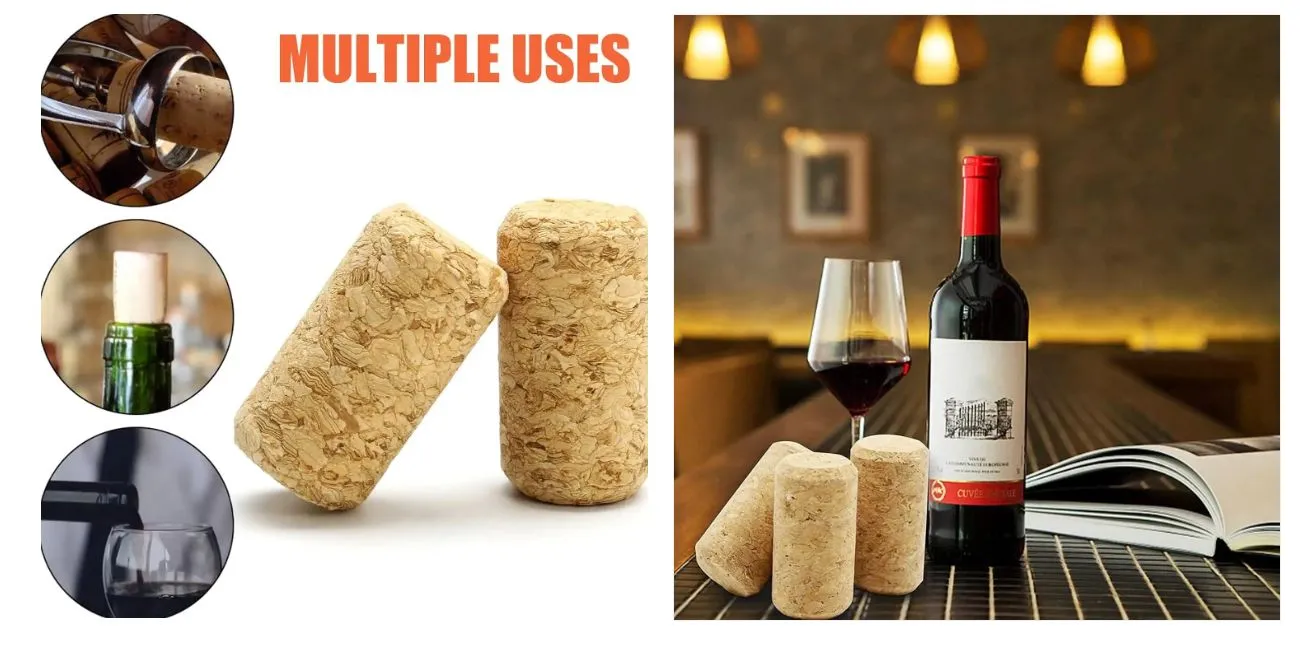
After going through the whole batch and pulling apart a few unused Champagne Cork Stoppers to compare, it started to make sense: whether a bottle opens clean or messy has a lot to do with the cork itself. Regular wine corks get pulled out with a corkscrew. Sparkling wine corks get pushed out by the pressure inside the bottle. If the size is off by a little or the elasticity isn't right, the whole experience changes.
Sparkling wine corks and regular corks aren't the same thing
Regular wine corks are just a straight cylinder. You push it in, friction holds it there, and you pull it out with a corkscrew. The whole process is "pulling."
Sparkling wine is different. There's CO2 inside, lots of pressure. The cork expands once it's in the neck and locks tight. When you open it, it's not about pulling – the pressure pushes the cork out. What you actually do is "twist the wire, hold the cork, let it out slowly." The pressure does the rest.
That's why Champagne Cork Stopper design is completely different from a regular cork. It has to stay sealed under pressure, but also come out smoothly when you open it. Too tight and it gets stuck. Too loose and it pops early. Size and elasticity both have to be just right.
A small size difference makes a big difference
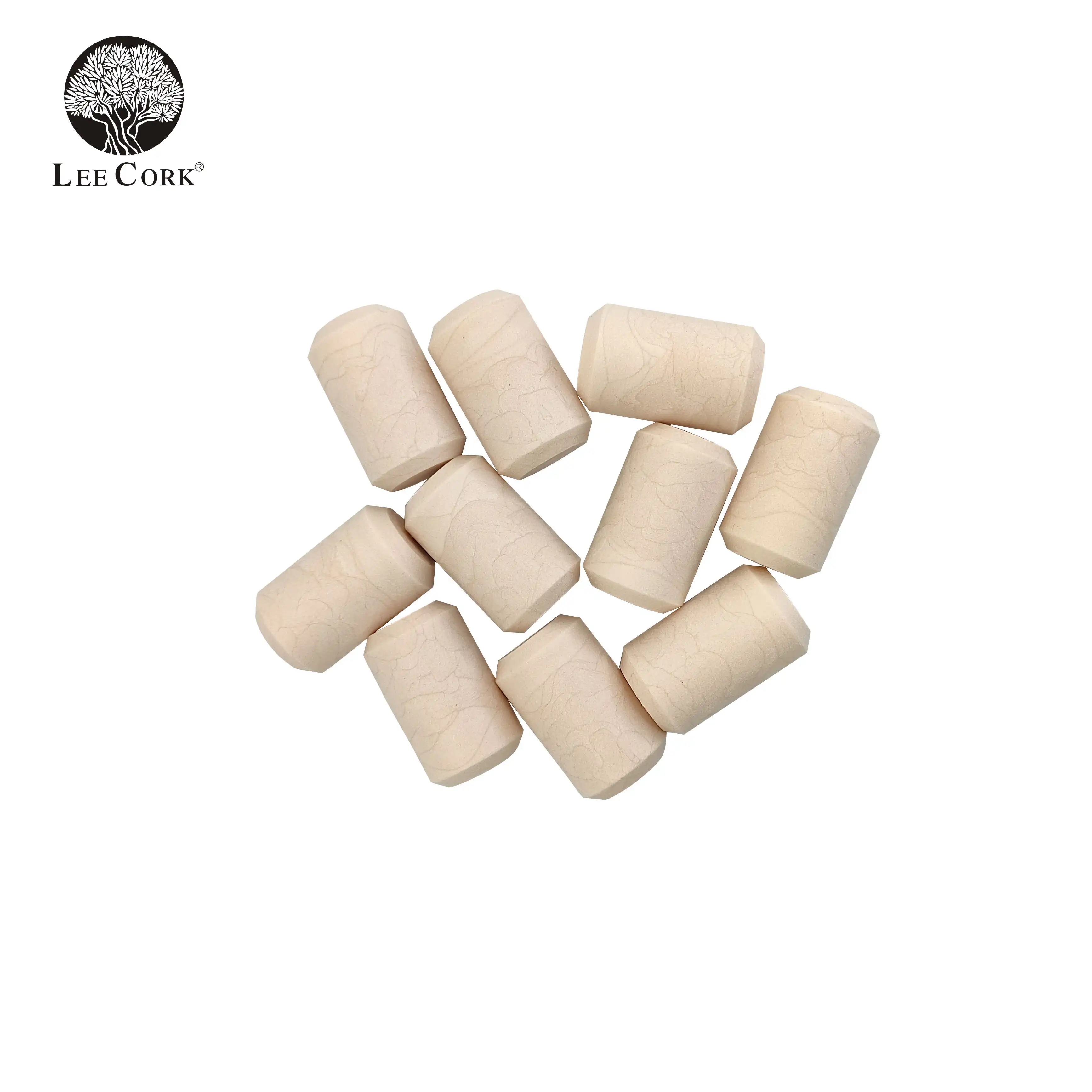
This batch of Champagne Cork Stopper comes in four sizes. I lined them up and the differences are pretty clear.
45mm long, 28.5mm diameter – on the smaller side. Good for small bottles or sparkling wines with lower pressure. 47mm long, 29mm diameter – a bit bigger, fits standard bottle mouths. 44mm long, 29mm diameter – kind of unusual, shorter but wider. More room to expand once it's in, tighter seal. 48mm long, 30.5mm diameter – the big one. For large bottles or higher-pressure wines.
Picking the right size comes down to two things: bottle mouth inner diameter and internal pressure. The inner diameter decides the cork's diameter range. The cork needs to be slightly bigger than the mouth so it stays put. Internal pressure decides the length and expansion. Higher pressure needs a longer cork to keep the seal.
What happens if you get it wrong? Too small and the cork pops out early – sometimes before you even twist the wire. Too big and it either won't go in or gets stuck, and you're fighting with it to open the bottle. Those two bottles I opened earlier – one sprayed, one got stuck – most likely a size mismatch with the bottle mouth.
Agglomerated material makes Champagne Cork Stopper more consistent
These corks are made from agglomerated cork, not natural whole cork. The agglomerated process gives consistent density. Every cork has roughly the same elasticity and expansion.
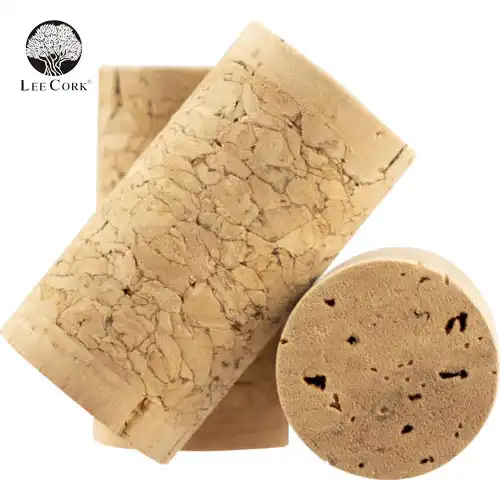
Sparkling wine corks need consistency. Natural cork has pores and cracks, so every piece has different elasticity. In bulk use, some seal well, some don't, and opening feels different every time. Agglomerated cork is re-pressed from granules, so density and elasticity are stable. Sealing and opening are more consistent.
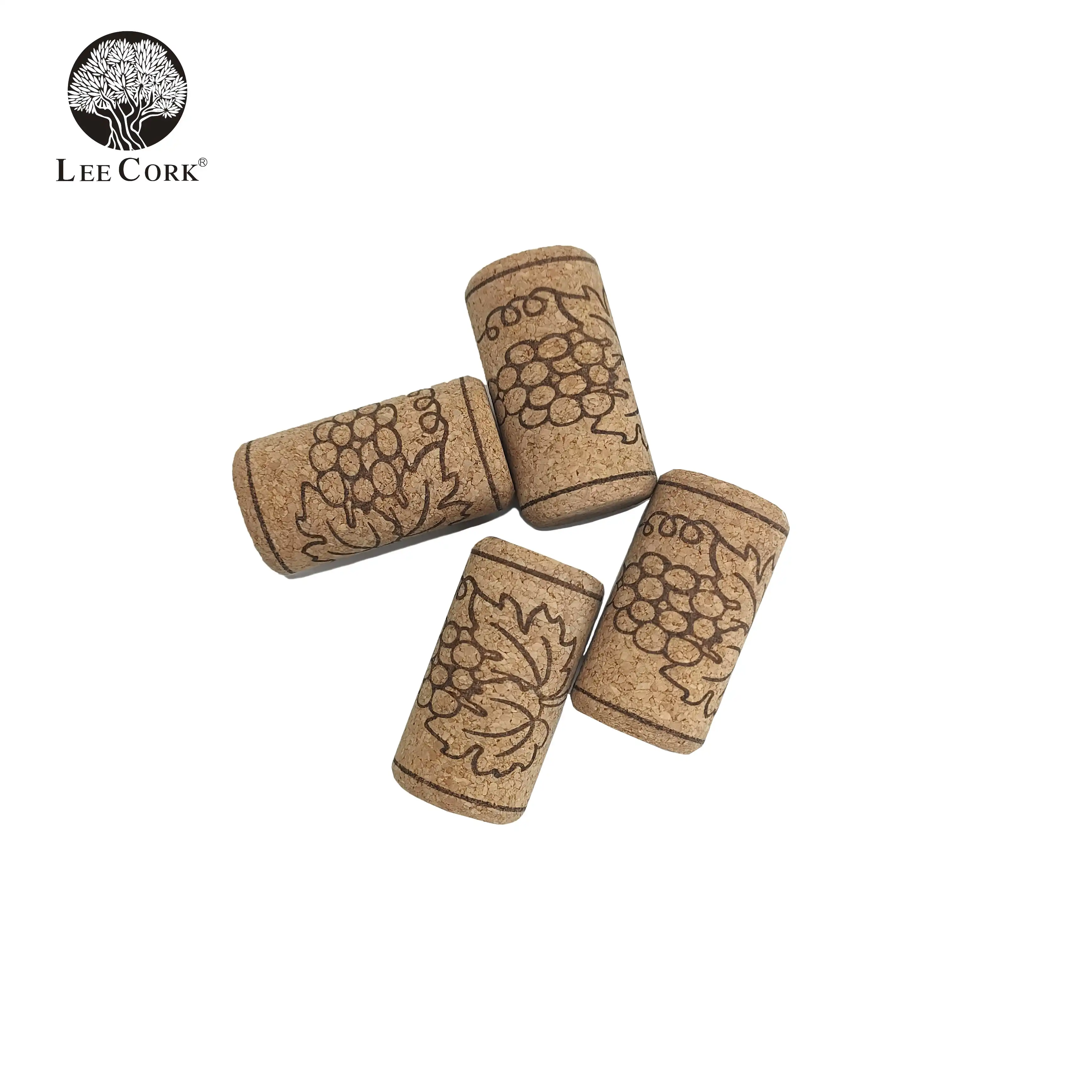
Another plus – the surface is flatter, so printing logos or designs comes out clearer. Sparkling wine corks usually have the brand mark on top. Agglomerated prints cleaner than natural cork, no broken lines from surface pores.
A few things I noticed after actually using them
First, opening is consistent. I tried a few bottles – the cork came out at a steady pace, no sudden pop and fly across the room. As long as the size is right.
Second, the seal is reliable. Sparkling wine has high internal pressure. If the cork doesn't seal well, it goes flat in days. These fit tight. I opened a bottle a week later – still plenty of bubbles.
Third, how the cork looks after it comes out. Natural corks expand and deform after pulling, hard to push back in. Agglomerated corks bounce back faster. Looks neater. Not that you'd push a sparkling wine cork back in anyway.
Wrapping up
I used to think sparkling wine corks were all pretty much the same – just thicker. After dealing with Champagne Cork Stopper, I realized size, material, and expansion all directly affect how a bottle opens and how well it seals. Pick the right one and opening is smooth, the seal holds, and bulk use is hassle-free. Want to try some? All four sizes are in stock. Which one you pick depends on your bottle specs and pressure.
FAQs
Q1: Can you reuse a Champagne Cork Stopper?
Not recommended. The cork expands and deforms once it's in the bottle. After pulling it out, it won't go back to its original shape, and the seal won't be the same. If you don't finish the bottle, use a dedicated sparkling wine stopper.
Q2: How do I pick from the four sizes?
Measure the bottle mouth inner diameter first, then check the internal pressure. Inner diameter decides the cork diameter. Pressure decides the length. Standard bottles usually take 47mm×29mm or 48mm×30.5mm. Small bottles take 45mm×28.5mm. Not sure? Grab a few samples and test.
Q3: Is there a difference between agglomerated and natural corks when opening?
Agglomerated has more consistent density, so the cork comes out at a steadier pace. Natural cork varies piece to piece – some pop hard, some come out gentle.


A while back my shop got a batch of sparkling wine in. The supplier sent a few samples to try. First bottle I opened – pop, the cork flew across the room, wine sprayed all over the table. Second bottle – I held the cork and let it out slowly, but it got stuck in the neck and wouldn't budge. Took me forever to get it out. Same supplier, same batch. Different opening experience. At first I thought it was just luck.
After going through the whole batch and pulling apart a few unused Champagne Cork Stoppers to compare, it started to make sense: whether a bottle opens clean or messy has a lot to do with the cork itself. Regular wine corks get pulled out with a corkscrew. Sparkling wine corks get pushed out by the pressure inside the bottle. If the size is off by a little or the elasticity isn't right, the whole experience changes.
Sparkling wine corks and regular corks aren't the same thing
Regular wine corks are just a straight cylinder. You push it in, friction holds it there, and you pull it out with a corkscrew. The whole process is "pulling."
Sparkling wine is different. There's CO2 inside, lots of pressure. The cork expands once it's in the neck and locks tight. When you open it, it's not about pulling – the pressure pushes the cork out. What you actually do is "twist the wire, hold the cork, let it out slowly." The pressure does the rest.
That's why Champagne Cork Stopper design is completely different from a regular cork. It has to stay sealed under pressure, but also come out smoothly when you open it. Too tight and it gets stuck. Too loose and it pops early. Size and elasticity both have to be just right.
A small size difference makes a big difference
This batch of Champagne Cork Stopper comes in four sizes. I lined them up and the differences are pretty clear.
45mm long, 28.5mm diameter – on the smaller side. Good for small bottles or sparkling wines with lower pressure. 47mm long, 29mm diameter – a bit bigger, fits standard bottle mouths. 44mm long, 29mm diameter – kind of unusual, shorter but wider. More room to expand once it's in, tighter seal. 48mm long, 30.5mm diameter – the big one. For large bottles or higher-pressure wines.
Picking the right size comes down to two things: bottle mouth inner diameter and internal pressure. The inner diameter decides the cork's diameter range. The cork needs to be slightly bigger than the mouth so it stays put. Internal pressure decides the length and expansion. Higher pressure needs a longer cork to keep the seal.
What happens if you get it wrong? Too small and the cork pops out early – sometimes before you even twist the wire. Too big and it either won't go in or gets stuck, and you're fighting with it to open the bottle. Those two bottles I opened earlier – one sprayed, one got stuck – most likely a size mismatch with the bottle mouth.
Agglomerated material makes Champagne Cork Stopper more consistent
These corks are made from agglomerated cork, not natural whole cork. The agglomerated process gives consistent density. Every cork has roughly the same elasticity and expansion.
Sparkling wine corks need consistency. Natural cork has pores and cracks, so every piece has different elasticity. In bulk use, some seal well, some don't, and opening feels different every time. Agglomerated cork is re-pressed from granules, so density and elasticity are stable. Sealing and opening are more consistent.
Another plus – the surface is flatter, so printing logos or designs comes out clearer. Sparkling wine corks usually have the brand mark on top. Agglomerated prints cleaner than natural cork, no broken lines from surface pores.
A few things I noticed after actually using them
First, opening is consistent. I tried a few bottles – the cork came out at a steady pace, no sudden pop and fly across the room. As long as the size is right.
Second, the seal is reliable. Sparkling wine has high internal pressure. If the cork doesn't seal well, it goes flat in days. These fit tight. I opened a bottle a week later – still plenty of bubbles.
Third, how the cork looks after it comes out. Natural corks expand and deform after pulling, hard to push back in. Agglomerated corks bounce back faster. Looks neater. Not that you'd push a sparkling wine cork back in anyway.
Wrapping up
I used to think sparkling wine corks were all pretty much the same – just thicker. After dealing with Champagne Cork Stopper, I realized size, material, and expansion all directly affect how a bottle opens and how well it seals. Pick the right one and opening is smooth, the seal holds, and bulk use is hassle-free. Want to try some? All four sizes are in stock. Which one you pick depends on your bottle specs and pressure.
FAQs
Q1: Can you reuse a Champagne Cork Stopper?
Not recommended. The cork expands and deforms once it's in the bottle. After pulling it out, it won't go back to its original shape, and the seal won't be the same. If you don't finish the bottle, use a dedicated sparkling wine stopper.
Q2: How do I pick from the four sizes?
Measure the bottle mouth inner diameter first, then check the internal pressure. Inner diameter decides the cork diameter. Pressure decides the length. Standard bottles usually take 47mm×29mm or 48mm×30.5mm. Small bottles take 45mm×28.5mm. Not sure? Grab a few samples and test.
Q3: Is there a difference between agglomerated and natural corks when opening?
Agglomerated has more consistent density, so the cork comes out at a steadier pace. Natural cork varies piece to piece – some pop hard, some come out gentle.
Author Bio: Rue, Sales Representative at Leecork, Housewares & Furnishings Group. For product inquiries, feel free to email info@leecork.com.


Related Industry Knowledge