
Rubber Cork Roll – What Is It? I Used It Once and Finally Got It
2026-09-11 10:41:17
Last month I was working on a piece of equipment and needed a gasket for the base. Tried a few different materials – either too stiff to compress or too soft and squished flat. A friend mentioned, "Have you ever tried rubber cork roll?"
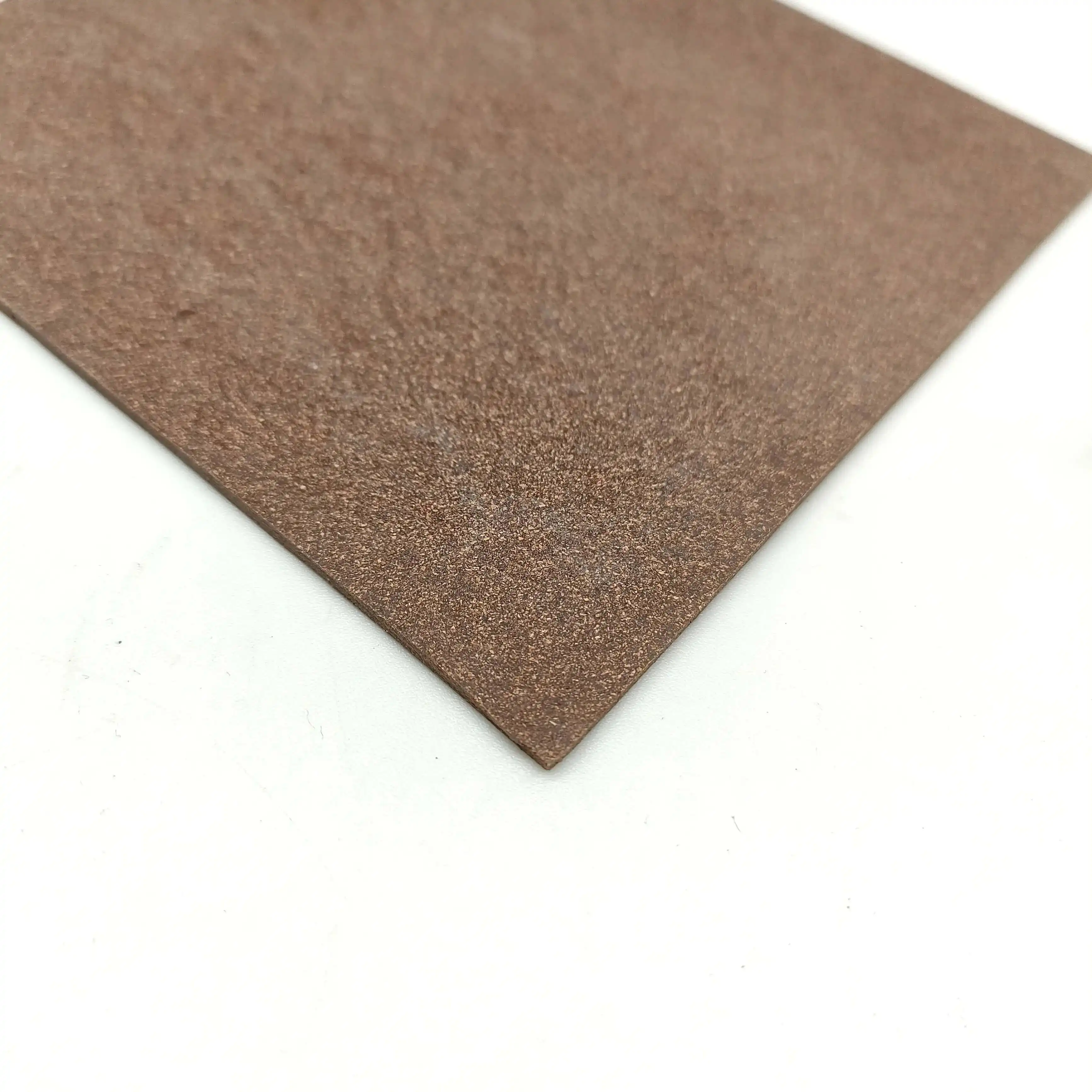
Honestly, I wasn't sure what that even was. So I got a small piece – 1mm thick – and cut a test strip. Turned out way more useful than I expected. It's got some give when you squeeze it, but it's also firm – not floppy like plain rubber, not brittle like plain cork. Press it down, and it springs right back.
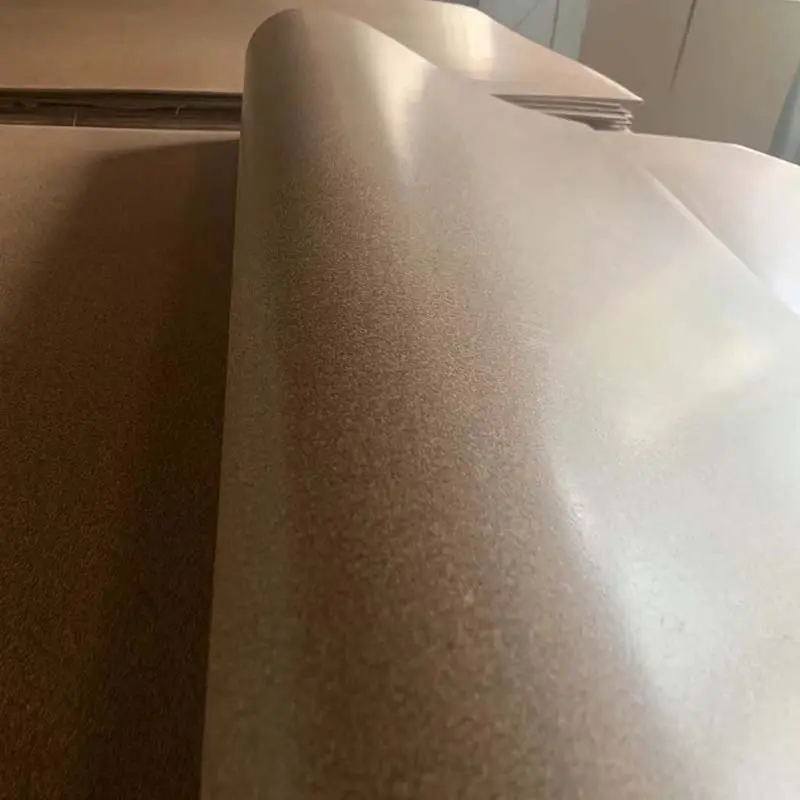
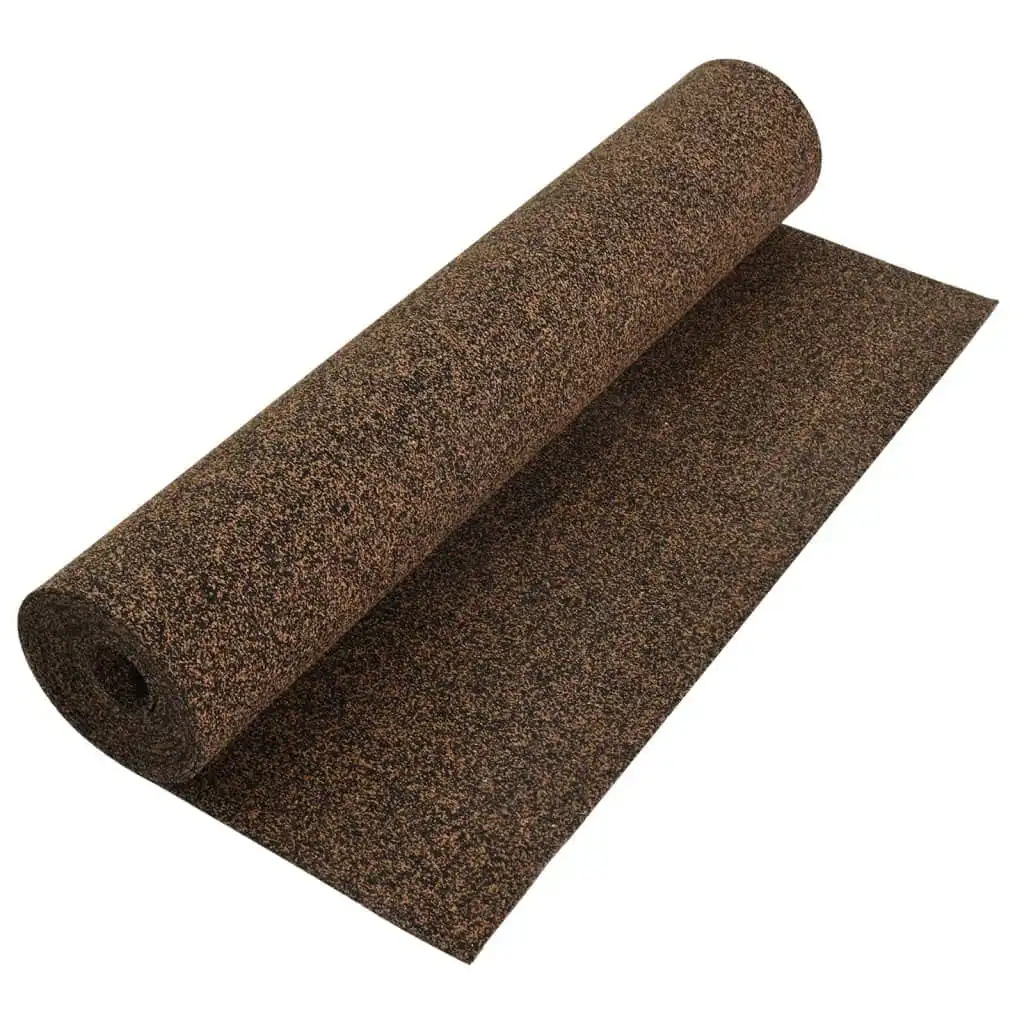
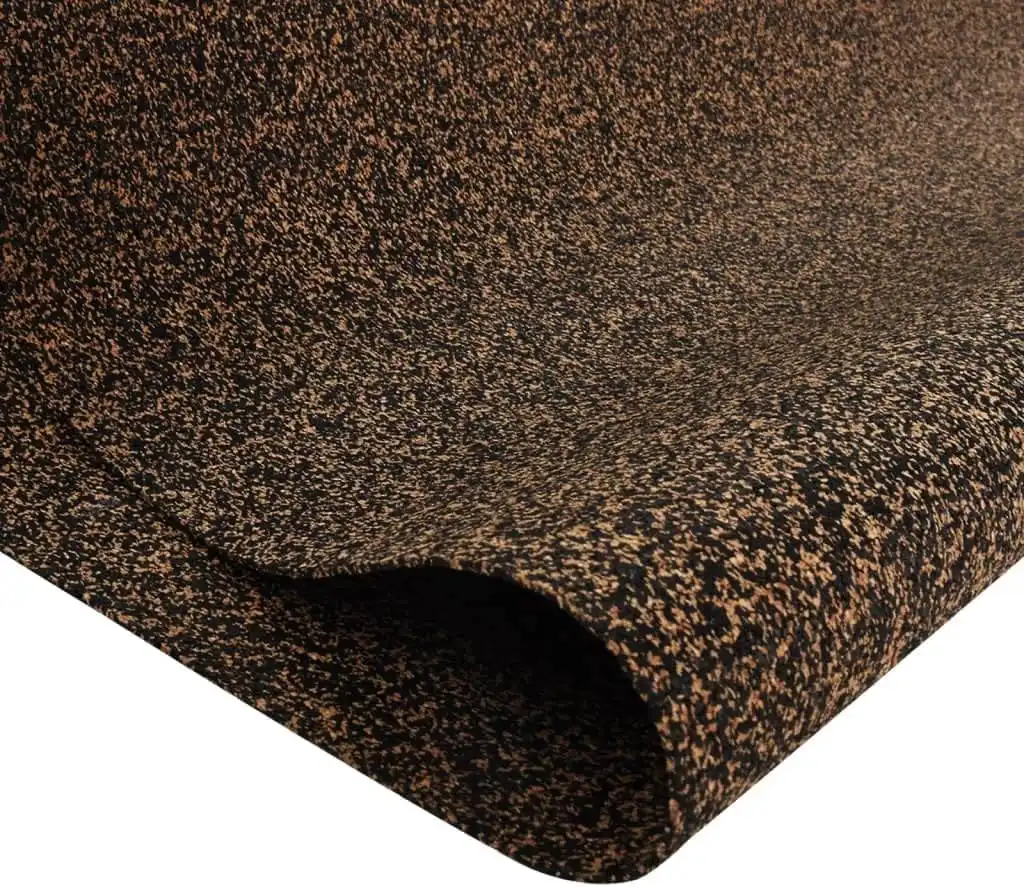
After that, I looked into how it's made. This rubber cork roll is just cork granules mixed with nitrile rubber, pressed into a sheet. You get the compressibility and stability of cork, plus the elasticity and softness of rubber. It's basically the best of both materials.
What makes cork and rubber together better than either one alone?
Cork on its own has one big flaw – it's brittle. Too much pressure and it cracks, especially at the edges. Rubber on its own is too soft – it deforms permanently over time and never bounces back.
When you mix them into a rubber cork roll, the cork granules give it structure, and the rubber fills the gaps between them. When you press down, the cork compresses but doesn't break. The rubber gives it the bounce to return to shape. It's compressible but stays in place under pressure.
Another solid benefit – it doesn't deform sideways. Some materials squish outwards when you press them, getting wider or longer, and that ruins the seal. This stuff stays put. It compresses where it should and doesn't wander.
Oil, water, acids – it can handle all of them
I tested a piece in water for a full day. Pulled it out – no change. Didn't swell, didn't soften. The rubber component is naturally water-resistant, and the cork particles are coated in rubber, so water can't get in.
Oil resistance is even more noticeable. Regular rubber gaskets get swollen and soft after soaking in oil. This rubber cork roll barely changed. It also handles mild acids and alkalis – something regular natural rubber can't do.
Easy to cut, easy to install
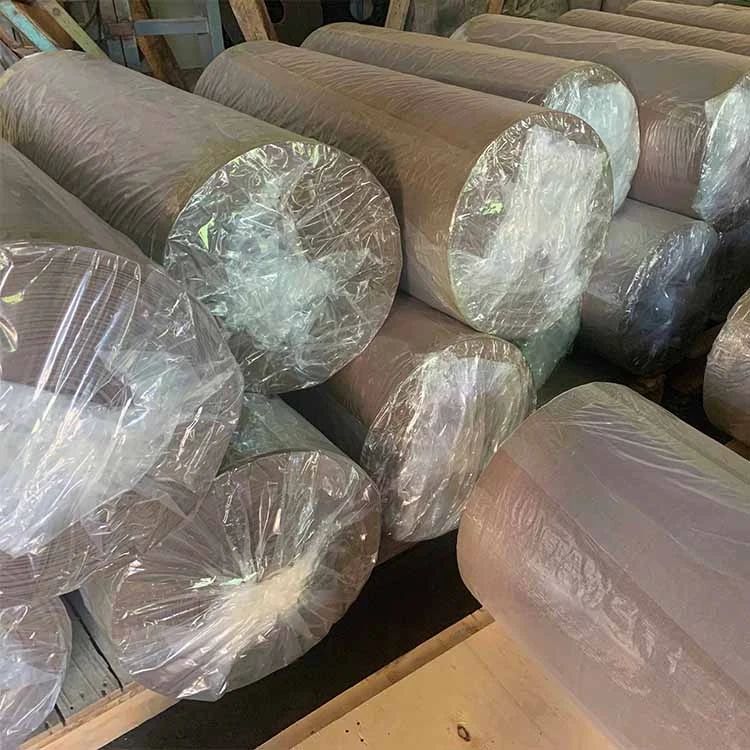
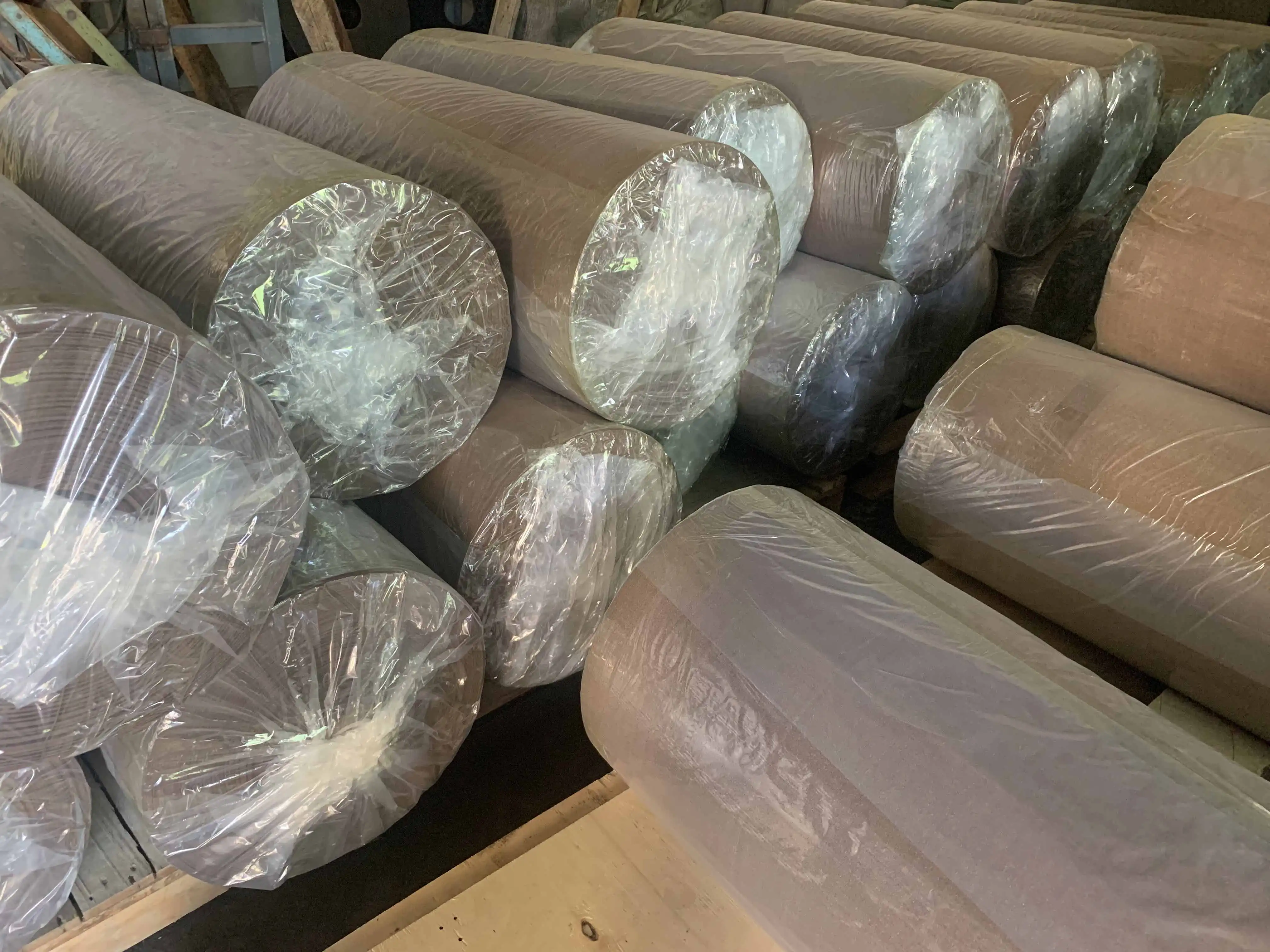
This rubber cork roll comes in sheets or rolls – 1 to 1.2 meters wide, any length you need. Cut what you need with scissors. No saw, no special tools.
Thickness ranges from 1mm to 5mm. Thin for gaskets, thick for vibration pads or heavy-duty seals. If you're not sure which thickness works best, grab a small sample and test it first.
Wrapping up
Compared to all the other gasket materials I've tried, this rubber cork roll is a solid choice. Holds up to pressure, oil, water, and chemicals. Works for equipment gaskets, seals, vibration pads, base pads – you name it.
Available in full rolls or cut pieces. Thickness and size can be customized. If you're not sure which spec to go with, just email me and I'll send you a sample.
FAQs
Q1: What temperature range can this rubber cork roll handle?
About -25°C to 135°C. That covers most equipment, kitchen setups, and outdoor use. For extreme heat, you'd need something else.
Q2: Is it oil-resistant?
Yep. Nitrile rubber naturally resists oil – gasoline, motor oil, hydraulic fluid – none of it does much damage.
Q3: How do I choose the right thickness?
1-3mm for gaskets and seals. 3-5mm for vibration pads, base pads, or noise reduction. Depends on how much compression you need. Grab a sample and test it out.
Author Bio: Rue, Sales Representative at Leecork, Housewares & Furnishings Group. For product inquiries, feel free to email info@leecork.com.

Related Industry Knowledge