
Cork Squat Wedge: A Natural Choice for Enhancing Lower-Body Training
In modern fitness trends, the squat is hailed as the "king of exercises," yet its high demand for ankle mobility discourages many from performing it properly. Whether you're a desk-bound office worker, a strength-focused weightlifter, or a fitness enthusiast eager to boost athletic performance, everyone is looking for a safe, effective training aid that helps break through plateaus. The Cork Squat Wedgeis precisely that hidden gem—one that cleverly combines functional training with eco-friendly principles. Thanks to its unique cork material and biomechanically sound sloped design, it is quietly transforming the way people approach lower-body training.
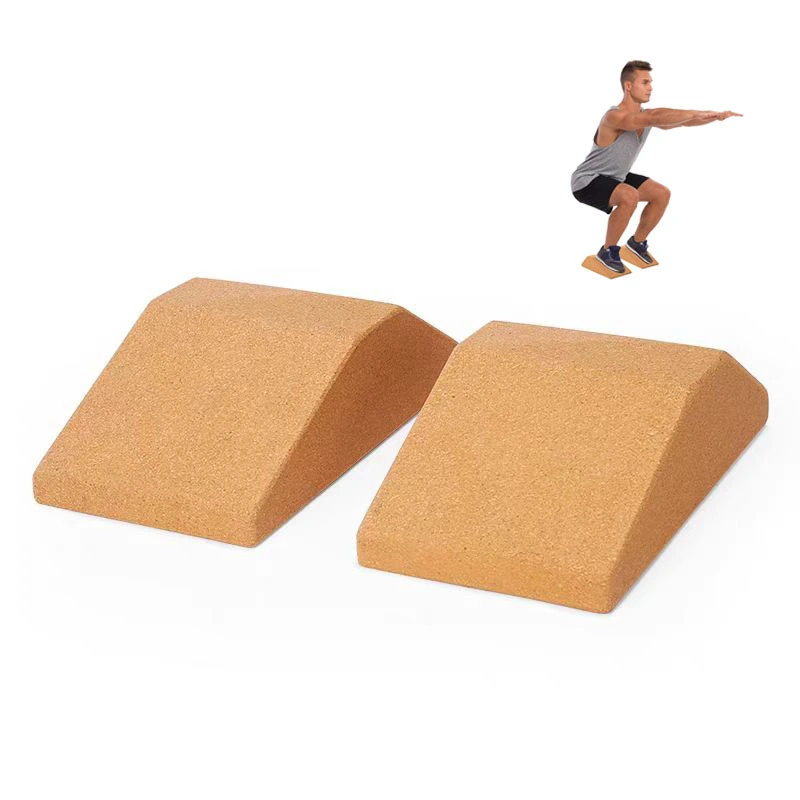
What Is a Cork Squat Wedge?
As the name suggests, the Cork Squat Wedgeis defined by two core elements: its soul material—cork—and its ergonomic wedge-shaped incline.
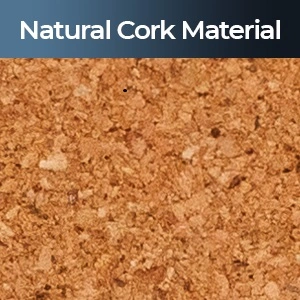
Unlike common foam yoga blocks or rigid plastic ramps, this wedge is made from natural cork. Cork is a renewable, biodegradable, and eco‑friendly material that is lightweight, resilient, moisture‑resistant, and naturally antimicrobial. Its slightly textured surface provides just the right amount of traction—neither irritating to the skin like some rough materials nor slippery like smooth plastics.
The wedge-shaped incline, meanwhile, is a thoughtful response to squat biomechanics. By elevating the heels, it effectively compensates for limited ankle dorsiflexion. When you place your feet on the wedge, your centre of gravity shifts forward, allowing your torso to stay more upright and your knees to move forward more naturally, enabling a deep squat where the knees travel beyond the toes.
Core Benefits: More Than Just a Deeper Squat
The value of the Cork Squat Wedgelies in its multi‑faceted enhancement of the lower‑body training system:
1. Unlock Squat Depth and Optimise Movement Patterns
This is its most well‑known application. Elevating the heels effectively removes the restriction of ankle mobility. This allows trainees to squat to a greater depth while maintaining a neutral spine. A deeper squat means the glutes, quadriceps, and hamstrings undergo a more complete eccentric stretch and concentric contraction, significantly boosting muscle activation.
2. Reduce Stress on the Lumbar Spine and Knees
For trainees with limited ankle mobility, forcing a full squat often leads to excessive torso forward lean, lower‑back compensation, or knee valgus (knee collapse). By elevating the heels and promoting a more upright torso, the Cork Squat Wedgeeffectively reduces shear forces and pressure on the lower back and knees during training. This is crucial for injury prevention and extending your athletic longevity.
3. Enhance Ankle Stability and Hip Mobility
Using the wedge as a training aid not only improves knee stability during squats but also helps non‑professional athletes reduce lower‑back strain under heavy loads. Regular use can improve ankle stability and hip mobility, striking a balance between strength and flexibility.
4. Versatile, Full‑Body Utility
Its application goes far beyond squats. You can use it for calf raises to maximise the stretch on the calf muscles, as a deadlift wedge to optimise your starting position, or even in yoga and Pilates to assist with postures that require an inclined angle. Additionally, it can be used for calf stretching, hamstring stretching, and improving ankle, knee, and hip mobility in physical therapy.
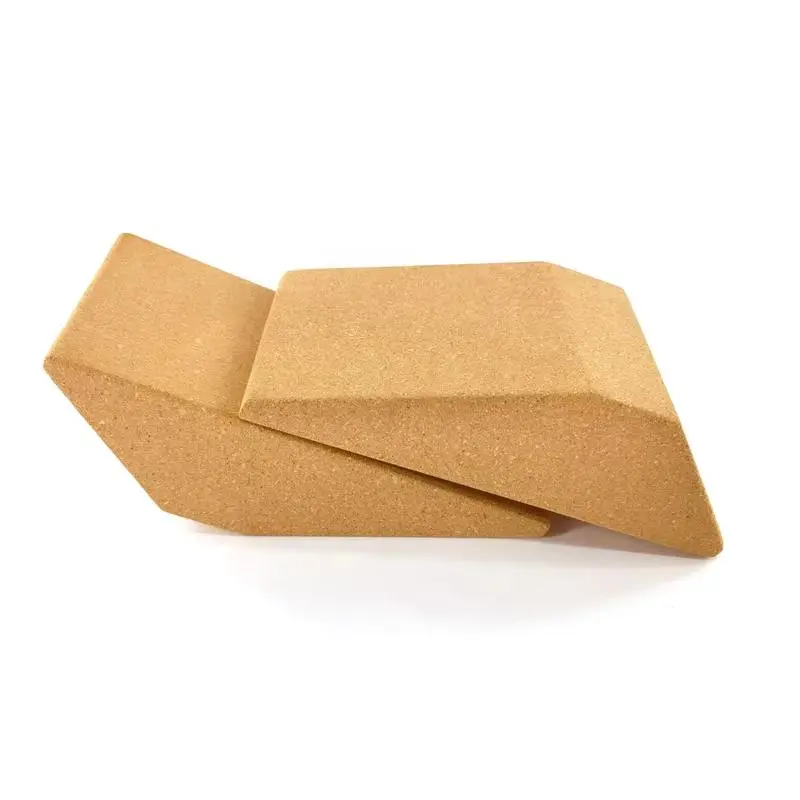
Why Choose Cork?
Compared with EVA foam or plastic wedges, the Cork Squat Wedge offers irreplaceable advantages:
EcoFriendly and Sustainable: Cork is harvested from the bark of the cork oak tree, which regenerates after peeling, making it a truly green material.
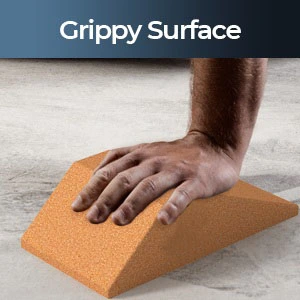
Skin‑Friendly and Non‑Slip: Cork's natural texture provides excellent grip, preventing foot slippage during training. Its warm, gentle feel contains no chemical additives, making it comfortable even when used barefoot.
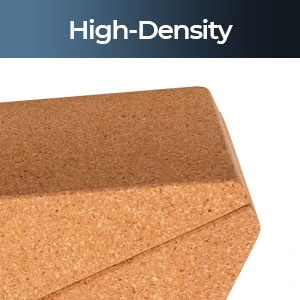
Antimicrobial and Durable: Cork contains suberin, a natural antimicrobial agent that resists bacteria, mould, and odours. Its high‑density honeycomb structure gives it outstanding compression strength and durability, supporting up to 700 lbs (approx. 317 kg) to ensure long‑term use without deformation.
Comfortable Temperature Regulation: Cork has low thermal conductivity, so it never feels uncomfortably cold or hot against the skin, regardless of the season, enhancing the overall user experience.
How to Use It Correctly
Mastering the correct technique ensures the Cork Squat Wedge delivers its maximum benefit:
1. Squats: Place your heels on the higher side of the wedge (typically at a 20°–25° angle), with your feet slightly turned out. Keep your chest up, back straight, and core braced. Squat down as if sitting back into a chair, allowing your knees to move forward smoothly. Go as deep as your range of motion allows, then push back up to the starting position.
2. Calf Raises: Place the balls of your feet on the lower side of the wedge, with your heels hanging off the edge and dropping down, then perform calf raises to achieve a maximal stretch and contraction of the calves.
3. Calf Stretch: Place the balls of your feet on the higher side of the wedge, lean your body forward, keep your legs straight, and feel the deep stretch along the back of your calves. Hold for 30–45 seconds and repeat 2–3 times.
4. Deadlifts and Lunges: Position the wedge appropriately under your feet to optimise your starting deadlift posture or improve the stability of the rear leg during lunges.
Precautions: Before starting your workout, warm up with 2 sets using just your body weight. For working sets, aim for 3 sets of 12–15 repetitions, with 60 seconds of rest between sets. After training, wipe the wedge surface with a damp cloth to remove sweat and grime. For deep cleaning, use a mild soapy water solution—do not immerse the wedge in water.
The Cork Squat Wedgeis more than just a fitness accessory—it represents a philosophy of returning to nature, respecting the body, and embracing a sustainable lifestyle. It distils professional biomechanical assistance into a wedge of cork, putting expert‑level training support within easy reach. If you are looking for a safe, effective, and environmentally friendly way to break through lower‑body training plateaus and improve movement quality, this cork "ramp" might just be the training partner worth trying.
FAQ
Q1: How firm is the cork squat wedge?
A: Cork is resilient rather than hard. Its tiny air-cell structure provides excellent cushioning and shock absorption.
Q2: Who is this suitable for?
A: Weightlifters, fitness enthusiasts, powerlifters, yoga/Pilates practitioners, and rehabilitation patients.
Q3: How do I clean and maintain it?
A: After each use, wipe the surface with a damp cloth to remove sweat and grime. For deep cleaning, gently wipe with a soft cloth dipped in mild soapy water, immediately blot dry with a dry cloth, and leave to air‑dry in a well‑ventilated area. Never soak the wedge in water, and avoid using alcohol or strong acid/alkali cleaners.
Q4: What is its weight‑bearing capacity?
A: A high‑quality cork squat wedge typically supports up to 700 lbs (approx. 317 kg), which is sufficient for the loading demands of the vast majority of trainees.
Q5: What else can it be used for besides squats?
A: This wedge is highly versatile. It can be used for calf raises, deadlifts, calf stretching, hamstring stretching, lunges, Romanian deadlifts, as well as various辅助 exercises in yoga and physical therapy.

You May Like
0Related Industry Knowledge